Vodacom has achieved a historic milestone that is quietly transforming South Africa’s troubled electricity sector. In September 2025, the telecom giant became the first company in the country to fully operationalise virtual wheeling — a groundbreaking digital solution that lets large energy users buy renewable power from independent producers and have it credited through the national grid without building expensive private lines.
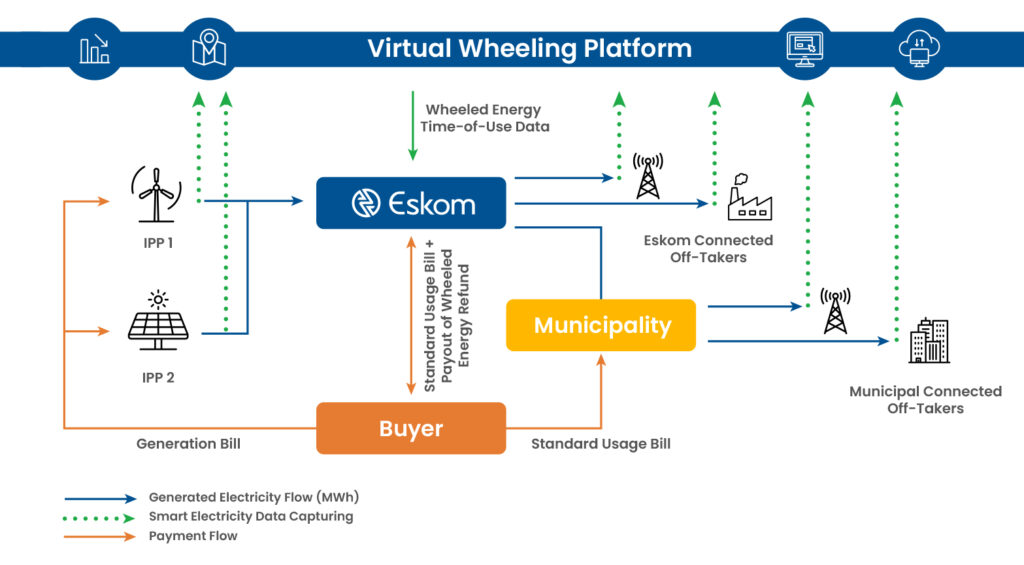
This innovation, developed in partnership with Eskom and Vodacom’s subsidiary Mezzanine, is already delivering real results: lower carbon emissions for Vodacom’s network, cost savings, and added renewable capacity that helps ease the pressure on Eskom’s overstretched infrastructure. For businesses, municipalities, and everyday South Africans facing load-shedding fatigue, virtual wheeling represents a practical fix that bypasses traditional bottlenecks and accelerates the shift to clean energy.
The timing could not be more critical. As South Africa pushes toward its 2030 renewable targets and grapples with ageing coal plants, Vodacom’s platform is proving that technology-led solutions can stabilise the grid faster than conventional infrastructure upgrades. Here is how this pioneering system works and why it is already changing the energy game across the country.
How Virtual Wheeling Works: A Digital Bridge for Renewables
Traditional wheeling requires a direct physical connection between a renewable generator and a buyer — expensive and slow to scale. Virtual wheeling removes that barrier by using a sophisticated digital platform to track energy flows across Eskom’s and municipal networks.

When an independent power producer (IPP) generates solar or wind energy, the platform credits that clean power to Vodacom’s (or any buyer’s) consumption points — even if they are hundreds of kilometres away. Smart metering captures real-time usage data, Eskom handles the physical flow, and automated settlements ensure fair refunds and billing. The result? Buyers get renewable energy credits on their bills without changing their physical supply contracts.
Vodacom’s Mezzanine-built platform handles the complexity of multiple IPPs supplying multiple low-voltage sites across hundreds of municipalities. It is the first fully live system of its kind in South Africa and has already signed power purchase agreements (PPAs) with IPPs like Sola Group for solar projects in the Free State.
Vodacom’s Leadership: From Pilot to National Pioneer
Vodacom first signed a virtual wheeling framework agreement with Eskom in 2023. After two years of testing and platform development, the solution went fully live in September 2025, with the first commercial PPA activated shortly after. The company is now using the system to supply renewable electricity to its thousands of base stations and office sites nationwide — a massive distributed load that traditional wheeling could never reach economically.
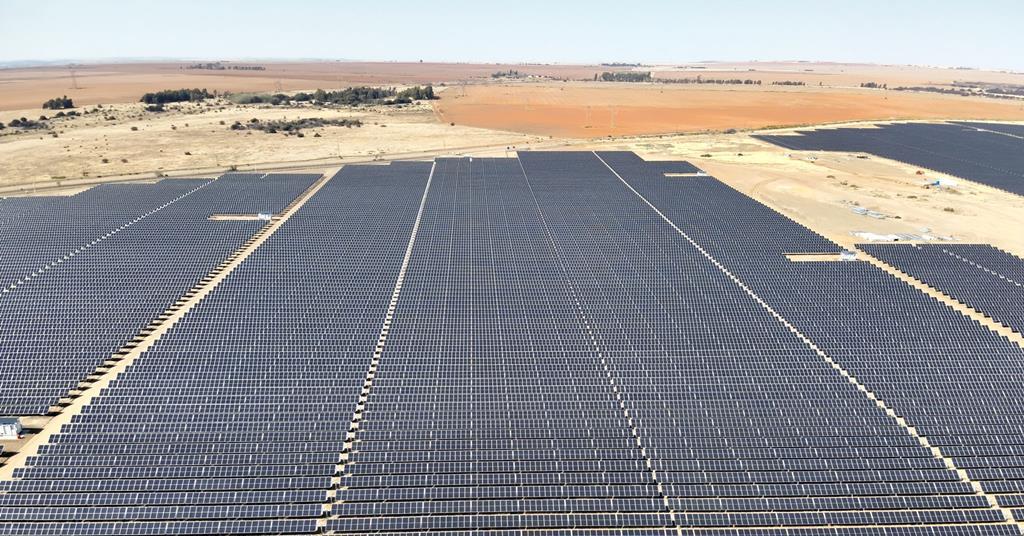
This move directly supports Vodacom’s commitment to 100% renewable electricity and net-zero targets. It also demonstrates how a telecom operator can leverage its nationwide network, data expertise, and digital platforms to solve national energy challenges.
Concrete Benefits for South Africa’s Grid and Economy
Virtual wheeling adds renewable capacity without building new transmission lines — a huge advantage in a country where grid infrastructure upgrades are lagging. It encourages more private investment in IPPs because buyers like Vodacom can access clean power at scale. Early results show measurable reductions in Vodacom’s Scope 2 emissions and lower energy costs, while Eskom gains stability from diversified supply and reduced coal reliance.
For municipalities and other large users, the platform opens the door to similar deals, potentially unlocking billions in private renewable investment over the coming years.
7 Powerful Ways Vodacom’s Virtual Wheeling Is Fixing the Grid
Vodacom’s innovation delivers impact far beyond one company. Here are seven key ways it is pioneering a practical fix for South Africa’s electricity crisis:
1. First Fully Operational Virtual Wheeling System
Vodacom is the pioneer — the only company with a live, scaled solution that works across Eskom and municipal networks.
2. Digital Platform Removes Complexity
Mezzanine’s technology handles multi-party settlements, real-time data reconciliation, and automated billing — making renewable access simple and scalable.
3. Enables Renewables for Thousands of Dispersed Sites
Vodacom’s base stations and offices across every province can now draw solar and wind credits without physical connections.
4. Accelerates Private IPP Investment
By providing ready buyers, the system encourages more solar and wind projects, adding clean capacity to the national grid.
5. Delivers Immediate Emission Reductions
Vodacom is cutting its carbon footprint while helping South Africa meet national decarbonisation goals.
6. Improves Grid Stability and Reduces Load-Shedding Pressure
Diversified renewable supply eases demand on coal plants and supports overall system reliability.
7. Creates a Replicable Model for Businesses Nationwide
Other companies and municipalities can now adopt similar arrangements, multiplying the impact across the economy.
Real-World Impact: From Vodacom’s Network to Everyday South Africans
Vodacom’s base stations — the backbone of mobile connectivity — are among the biggest electricity users in the country. By switching them to virtual renewable credits, the company is reducing national coal dependence one site at a time. This indirectly benefits every South African who relies on Vodacom’s network during load-shedding or daily life.
Businesses signing up for similar arrangements report lower energy bills and stronger sustainability credentials. Municipalities exploring the platform see a path to greener public facilities without massive upfront capital. In Cape Town and other cities already investing in renewables, virtual wheeling offers a faster, cheaper way to scale impact.
Challenges and the Road Ahead
Regulatory clarity and Eskom’s billing systems still require fine-tuning, but the model is proven and expanding. Vodacom continues to sign new PPAs and is actively sharing insights with other large users to broaden adoption. As more IPPs come online in 2026 and beyond, the platform’s capacity will grow rapidly.
Analysts expect virtual wheeling to become a mainstream tool for corporate renewable procurement, helping South Africa close its energy gap faster than traditional infrastructure projects alone.
Conclusion: Vodacom’s Innovation Sets a New Standard
Vodacom’s pioneering virtual wheeling solution is more than a clever telecom trick — it is a genuine breakthrough that is helping fix South Africa’s electricity grid from the inside out. Through seven powerful mechanisms — from digital simplification to grid-wide stability gains — the company has created a scalable, practical path to more renewable energy and fewer outages.
For a nation still recovering from years of load-shedding, this innovation brings real hope: cleaner power, lower costs for big users, and a model that can be replicated nationwide. As Vodacom expands partnerships and other organisations follow suit, virtual wheeling could become the quiet engine driving South Africa’s energy transition.
The grid fix is here — and it started with Vodacom leading the way. Watch this space in 2026 as more companies and municipalities plug into the solution that is already delivering results.
Discover more from TECH-BRUNCH
Subscribe to get the latest posts sent to your email.