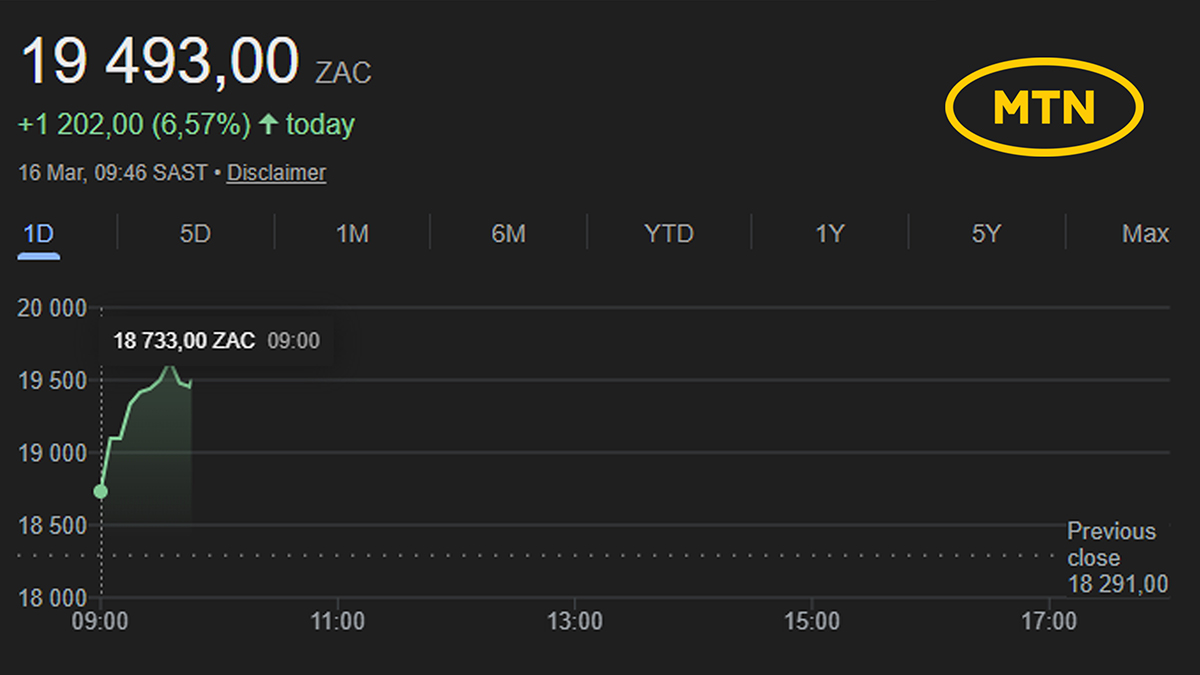
MTN South Africa has suffered a shocking reversal of fortune, with its once-dominant prepaid business now dragging the entire local operation into a full-blown earnings crisis. Fresh annual results for the year ended December 2025, released on 16 March 2026, reveal that fierce competition, rising bad debts and a shrinking prepaid customer base have delivered a devastating blow to one of South Africa’s biggest telcos.
While the broader MTN Group celebrated a strong turnaround driven by Nigeria and Ghana, the South African unit posted weak service revenue growth and saw prepaid performance stall dramatically. Prepaid woes and mounting bad debts have become the dominant story, erasing years of steady gains and forcing management to confront a market that is rapidly slipping away. For millions of prepaid users in Cape Town, Johannesburg, Durban and rural provinces, this means higher prices, slower network upgrades and growing frustration. The numbers are stark — and the outlook for 2026 is even tougher.

Prepaid Market Meltdown: Competition Bites Hard
MTN South Africa’s prepaid segment — historically the cash cow that powered the business — has hit a wall. Intense rivalry from Vodacom, Cell C, Rain and even new digital disruptors has led to subscriber stagnation and outright losses in key areas. Service revenue in the prepaid business declined in real terms, while bad debts spiked as customers struggled with economic pressure.
This is no minor dip. Prepaid customers still make up the vast majority of MTN’s South African base, and their declining activity has directly hammered overall earnings. Management admitted the prepaid market has become “highly competitive”, with rivals offering aggressive data bundles and better network perception in urban hotspots.
Bad Debts Surge and Rising Costs Compound the Pain
A second hammer blow came from ballooning bad debts. As economic conditions tightened, more prepaid users struggled to repay airtime advances and micro-loans facilitated through partners like Optasia. This forced MTN to write off higher provisions, directly eating into profitability.
At the same time, network operating costs rose due to load-shedding mitigation, fibre backhaul investments and 5G rollout expenses. The combination created a perfect storm: revenue stalled while costs climbed, squeezing margins in the South African operation to their lowest levels in years.
Post-Paid Growth Offers Little Comfort
While post-paid subscribers grew modestly (up 7.3% in recent quarters to around 4.6 million), this segment could not offset the prepaid collapse. Higher-value post-paid customers bring better margins, but their numbers remain far smaller than the prepaid base. The net result: overall service revenue growth for MTN South Africa lagged far behind the group average and behind Vodacom’s stronger local performance.
Group Contrast Highlights SA Weakness
The wider MTN Group swung to a healthy profit before tax of R47.4 billion for 2025, driven by strong performances in West Africa. Yet South Africa — the group’s original home market — acted as a drag. Analysts noted that without the SA headwinds, group earnings would have been even stronger. This contrast has raised uncomfortable questions about management focus and local execution.
7 Devastating Reasons MTN South Africa’s Crisis Is Worsening
The prepaid plunge is not a one-off setback. Here are seven concrete reasons why MTN South Africa now faces its toughest period in over a decade:
1. Brutal Prepaid Competition
Vodacom and smaller players have stolen market share with cheaper data and better rural coverage, leaving MTN’s prepaid base stagnant or shrinking.
2. Surging Bad Debts
Economic pressure on prepaid users has caused airtime-advance defaults to spike, forcing massive provisions that wipe out profits.
3. Stalled Subscriber Growth
Net customer additions slowed dramatically in prepaid, while post-paid growth, although positive, cannot compensate for the volume loss.
4. Rising Network and Energy Costs
Load-shedding mitigation, 5G investments and fibre upgrades have pushed operating expenses higher just as revenue growth stalled.
5. Regulatory and Tariff Pressure
Proposed VAT changes on low-value imports and ongoing spectrum costs add further headwinds in an already tough environment.
6. Network Perception Challenges
Customer complaints about coverage in rural and township areas have driven churn toward rivals perceived as more reliable.
7. Delayed 3G Shutdown Complications
The accelerated 3G switch-off (now planned earlier than originally announced) risks stranding budget-device users and triggering further churn.

Real-World Impact on South African Customers
For ordinary users, the crisis translates into higher effective prices, slower data speeds in congested areas and fewer promotional bundles. Rural communities feel the pain most acutely, where MTN’s coverage edge has historically been a lifeline. Businesses relying on MTN for connectivity now face uncertainty around service quality and cost stability.
In Cape Town and other metros, city users report longer wait times for support and fewer value-add services. The prepaid segment — which serves lower-income households — is bearing the brunt, potentially widening the digital divide.
Management Response and 2026 Outlook
MTN South Africa CEO Charles Molapisi has acknowledged the challenges in parliamentary hearings, promising network upgrades and better rural focus. The company is accelerating 4G/5G migration and exploring new fintech partnerships to offset prepaid weakness. Yet analysts remain cautious, warning that without a rapid turnaround in the prepaid segment, 2026 could see further margin compression.
Broader Implications for the Industry
MTN’s struggles highlight a wider shift: the old prepaid model that built South Africa’s mobile giants is under threat from data-only disruptors, satellite internet and changing consumer habits. Vodacom’s stronger performance shows that aggressive data pricing and network investment still pay off — a lesson MTN must now apply urgently.
Conclusion: A Wake-Up Call MTN Cannot Ignore
The devastating crisis unfolding at MTN South Africa is far more than a temporary earnings dip — it is a structural challenge that threatens the company’s long-term dominance in the local market. Through seven critical reasons outlined above, the prepaid plunge, bad debts and competitive pressures have created a perfect storm that is already costing billions in lost momentum.
For MTN, 2026 must be the year of decisive action: faster network modernisation, smarter customer retention and renewed focus on affordable data. For South African consumers, the coming months will test whether the operator can reverse course before more subscribers walk away for good.
The bad turn has arrived — and the stakes for MTN South Africa have never been higher.
Discover more from TECH-BRUNCH
Subscribe to get the latest posts sent to your email.