South Africa’s electric vehicle (EV) sector is gaining momentum, but the country’s largest electric car charging station company is under fire. GridCars, the nation’s largest EV charging network, is under increasing fire from furious drivers across the country. This comprehensive report looks at the controversies, challenges, and future outlook for EV infrastructure in South Africa.
Electric vehicles are gaining ground , providing cleaner air and less dependence on fossil fuels . But a reliable public charging infrastructure is still a major challenge. As South Africans turn to EVs, the biggest electric car charging station company is facing problems that could slow the green transition.

The Rise of GridCars: Pioneer in South African EV Infrastructure
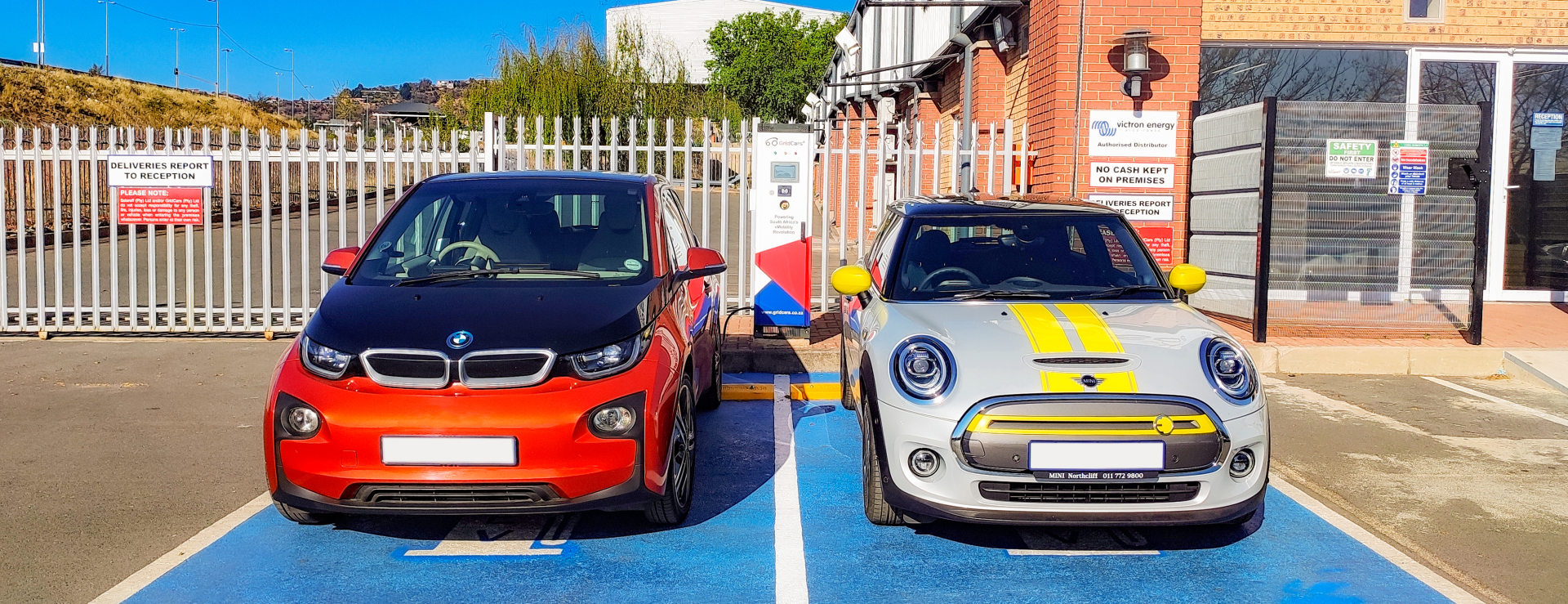
GridCars is South Africa’s largest electric car charging station company. Set up in 2009 and first launched at the Council for Scientific and Industrial Research, the firm has established a vast network of more than 250 direct current (DC) and alternating current (AC) points. It is widely regarded as the backbone of the country’s public EV charging. Founder Winstone Jordaan demonstrated amazing foresight by investing in public infrastructure early on.
Geely Relaunches: Unlock 5 Massive Wins with South Africa’s Cheapest Electric SUV
This future-facing approach meant early EV adopters could take longer trips. GridCars is the undisputed leader in the electric vehicle charging landscape with some estimates putting them at over 450 public charging stations today. Recent changes in ownership added complications. Solareff sold most of its shares to Tzung En Liao, creating new dynamics. Despite those changes, GridCars is pushing forward with expanding partnerships including Eskom on public chargers.
Growing Complaints: Why GridCars Faces Fire in 2026
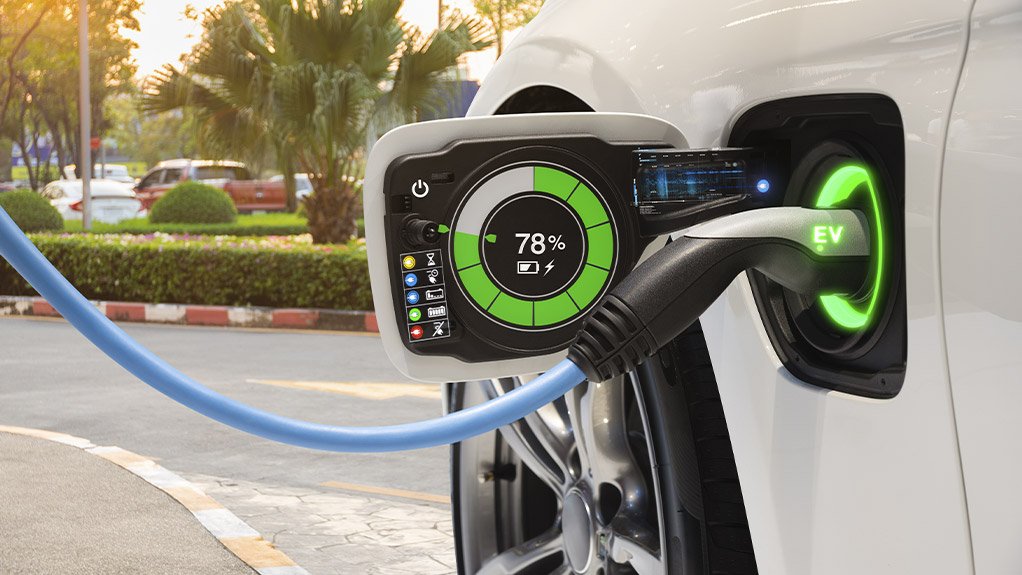
In recent months many EV drivers have reported serious issues with Grid Cars chargers. A Facebook group for EV owners polled by MyBroadband produced some worrying statistics, with 46% reporting unresolved problems, 31% experiencing problems that could be fixed, and only 23% reporting smooth experiences.
The key problems are:
- Alzu near Emalahleni and Mooirivier Mall in Potchefstroom have been offline for a long time.
- Server communication failures that prevent a charge from being initiated from the app.
- Live map data of available chargers that were occupied or not working.
- Hardware is ageing, maintenance is intense.
These electric car charging station failures bring range anxiety to life. Drivers switch to alternatives; waste time and energy. In early May 2026, widespread network glitches exacerbated frustrations across multiple platforms.

Technical Challenges Issued by Largest Electric Car Charging Station Company
Many of the GridCars units show their age. Previous generations fell into maintenance thresholds and unplanned downtime. The company is monitoring proactively, but critics say upgrades have not kept pace with demand growth. Add to that the instability of the supply of electricity in South Africa. Reliability is affected by load shedding and grid constraints. CHARGE is an example of a competitor coming up with different, innovative off-grid solar solutions.
EV charging network Growth in South Africa means finding the balance between old systems and new demands. GridCars is working on ultrafast chargers, but deployment is facing hurdles.
Win 4 Bold Moves BYD is Making to Own South Africa’s EV Boom in 2025
Competitor Landscape: Rising Rivals Challenge the Leader
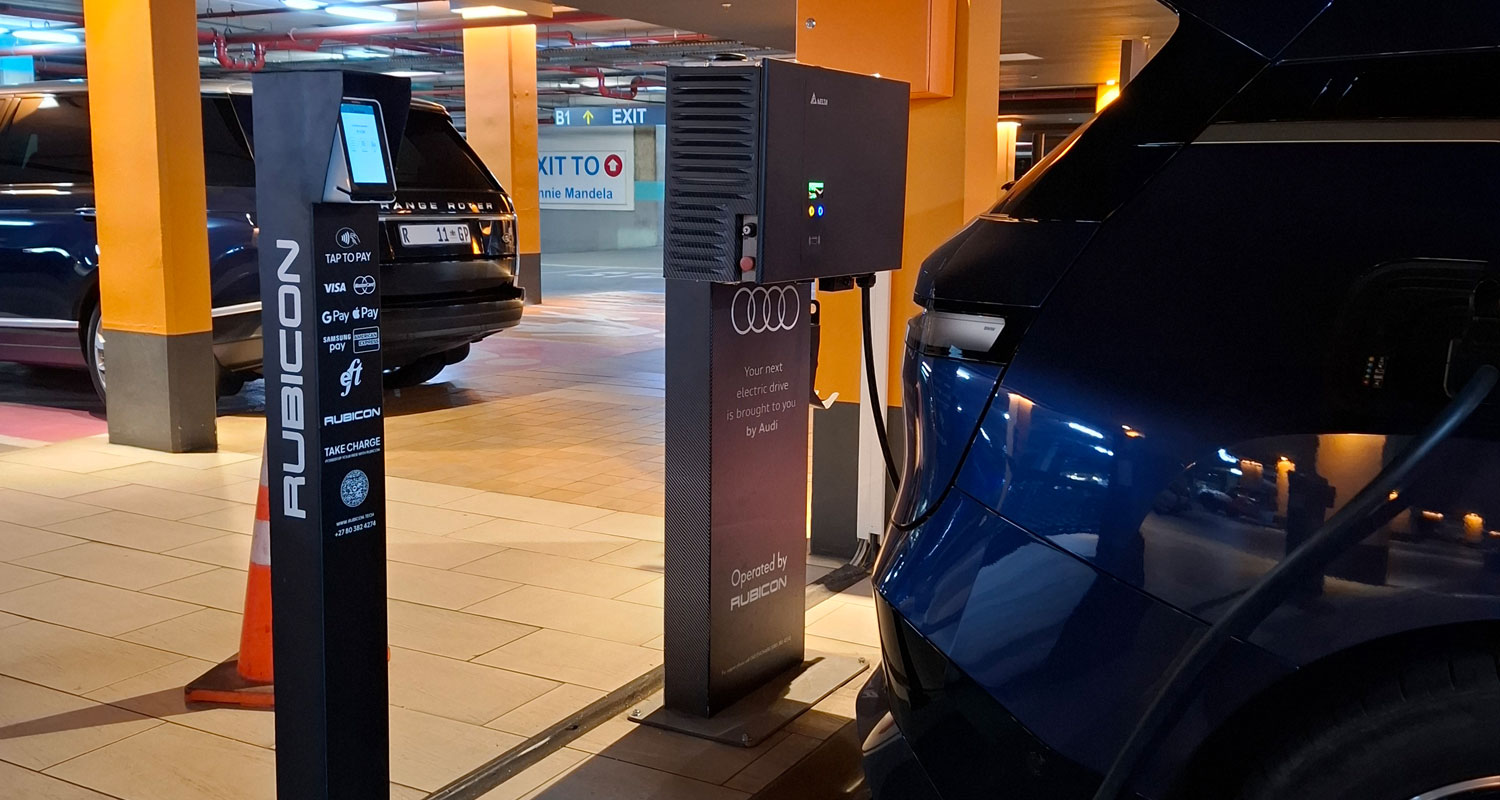
While GridCars dominates, new entrants intensify competition. Zero Carbon Charge (CHARGE) launched off-grid solar stations along the N3 corridor. Their ambitious plans target 60 sites by end-2027. Rubicon Energy also expands aggressively. Their network dispensed 625MWh in 2025, showing 142% growth. Audi partnerships added dozens of fast chargers. BYD plans 200-300 fast-charging stations by late 2026, signaling foreign investment interest.
This diverse ecosystem benefits consumers but pressures established players like GridCars.

Economic and Policy Factors Impacting EV Charging South Africa
High electricity tariffs strain operators. GridCars previously absorbed cost increases before adjusting rates. The business case remains challenging, requiring roughly 100,000 EVs on roads for profitability. Government policies influence progress. Incentives for local EV production and infrastructure development are crucial. Regulatory clarity on charging standards would accelerate growth. Eskom’s involvement sparks debate.
Some fear state utility advantages could disadvantage private operators through special tariffs.
Driver Experiences: Real Stories from South African EV Owners
EV enthusiasts share mixed feedback. Positive aspects include convenient locations and growing network density. Negative reports focus on reliability during long trips. One driver described arriving at a charger shown as available only to find it occupied. Another faced repeated failures at key highway stops, forcing detours. These anecdotes underscore the need for robust maintenance.
GridCars under fire headlines reflect genuine user pain points in the electric vehicle charging sector.

Innovations and Solutions: Path Forward for Reliable Charging
GridCars explores energy storage and vehicle-to-grid (V2G) technologies. Smart apps like ChargePocket provide real-time maps and session management.
Industry-wide improvements include:
- Predictive maintenance using IoT sensors.
- Standardized interoperability protocols.
- Hybrid renewable energy integration.
- Enhanced customer support channels.
Successful implementation could restore confidence in South Africa’s biggest electric car charging station company.
Environmental Benefits of Expanding EV Infrastructure
Widespread adoption of electric vehicles reduces carbon emissions significantly. Reliable charging networks accelerate this shift, supporting South Africa’s climate goals. Public stations complement home charging. Combined, they enable millions of electric kilometers monthly, decreasing petrol dependency and improving air quality in urban centers.
Alarming Overcapacity Crisis: 7 Urgent Reasons Chinese Leaders May Cap EV Output at the Two Sessions
Future Outlook: Scaling the EV Charging Network South Africa
Projections indicate substantial growth. With manufacturers like BMW, Volvo, and BYD expanding EV offerings, demand for chargers will surge.
Experts recommend:
- Accelerated rollout of ultra-fast DC chargers.
- Strategic placement along major routes.
- Public-private partnerships for funding.
- Skills development for installation and maintenance.
GridCars, despite current challenges, retains pioneer advantage. Addressing criticisms swiftly could solidify its leadership position.
Comparative Analysis: South Africa vs Global EV Charging Standards
South Africa’s ratio of chargers to vehicles remains favorable due to slower adoption. However, reliability metrics trail leaders like Europe and China. Learning from international best practices—such as Tesla’s Supercharger uptime—could elevate local standards. Focus on user experience differentiates successful networks.
Addressing Safety Concerns at Electric Car Charging Stations
Fire risks at charging facilities receive attention globally. Proper suppression systems and regular inspections mitigate dangers. South African operators emphasize compliance with safety protocols.
Alarming Surge: 30,973 Cars Recalled in South Africa in Just Five Months
Community Impact and Job Creation
EV infrastructure development generates employment in manufacturing, installation, and support services. Localization of components strengthens the economy. Rural stations promote inclusive growth, connecting remote areas to the green economy.
Consumer Tips for Navigating Current GridCars Network
- Check live maps before departure.
- Have backup charging apps installed.
- Plan routes with multiple station options.
- Report issues promptly through official channels.
- Consider home or workplace chargers for daily use.
These strategies minimize disruptions while using South Africa’s primary electric vehicle charging network.
Investment Opportunities in EV Sector
Despite hurdles, the sector attracts capital. New ownership at GridCars and competitor expansions signal confidence. Investors eye high-growth areas like renewable-powered stations.
Regulatory Framework Evolution
Clear policies on tariffs, standards, and incentives remain essential. Stakeholder collaboration between government, utilities, and private operators will shape success.
Technological Advancements on the Horizon
Battery improvements, faster charging, and smart grid integration promise transformative changes. South Africa can leapfrog by adopting cutting-edge solutions.
Explosive Surge: 5 Ways BYD Dominates South Africa by Outselling Honda and Mazda
Balancing Criticism with Optimism
South Africa’s biggest electric car charging station company under fire highlights growing pains in a nascent industry. GridCars pioneered the market but must adapt to rising expectations. Ongoing investments, competitor pressure, and user feedback drive improvements. The electric vehicle charging South Africa landscape evolves toward greater reliability and accessibility.
As EV adoption accelerates, robust infrastructure becomes paramount. Addressing current shortcomings positions the sector for sustainable success, benefiting drivers, businesses, and the environment. The coming years will test resilience. With proactive measures, South Africa’s EV charging network can exceed expectations and support a cleaner mobility future.
Discover more from TECH-BRUNCH
Subscribe to get the latest posts sent to your email.