In a pivotal moment that’s sending ripples through the global automotive industry, top Chinese officials and industry leaders are poised to tackle the escalating issue of electric vehicle (EV) overproduction at the upcoming “Two Sessions” in Beijing. Set to convene on March 4, 2026, this annual gathering of the National People’s Congress (NPC) and the Chinese People’s Political Consultative Conference (CPPCC) could see heated discussions on capping EV output to curb excessive competition and its far-reaching impacts.
For stakeholders in Cape Town’s vibrant Silicon Cape ecosystem, where local startups are innovating in sustainable mobility and green tech amid South Africa’s energy challenges, this development offers critical insights into balancing rapid growth with market stability. As the Western Cape pushes for electric mobility adoption to combat loadshedding and reduce emissions, China’s potential policy shift highlights the risks of unchecked expansion in a sector that’s become a cornerstone of the global energy transition.
With proposals from influential figures like Changan Automobile Chairman Zhu Huarong calling for measures to prevent over-competition, the Two Sessions may usher in a new era of regulated development, ensuring sustainable progress without derailing economic gains.
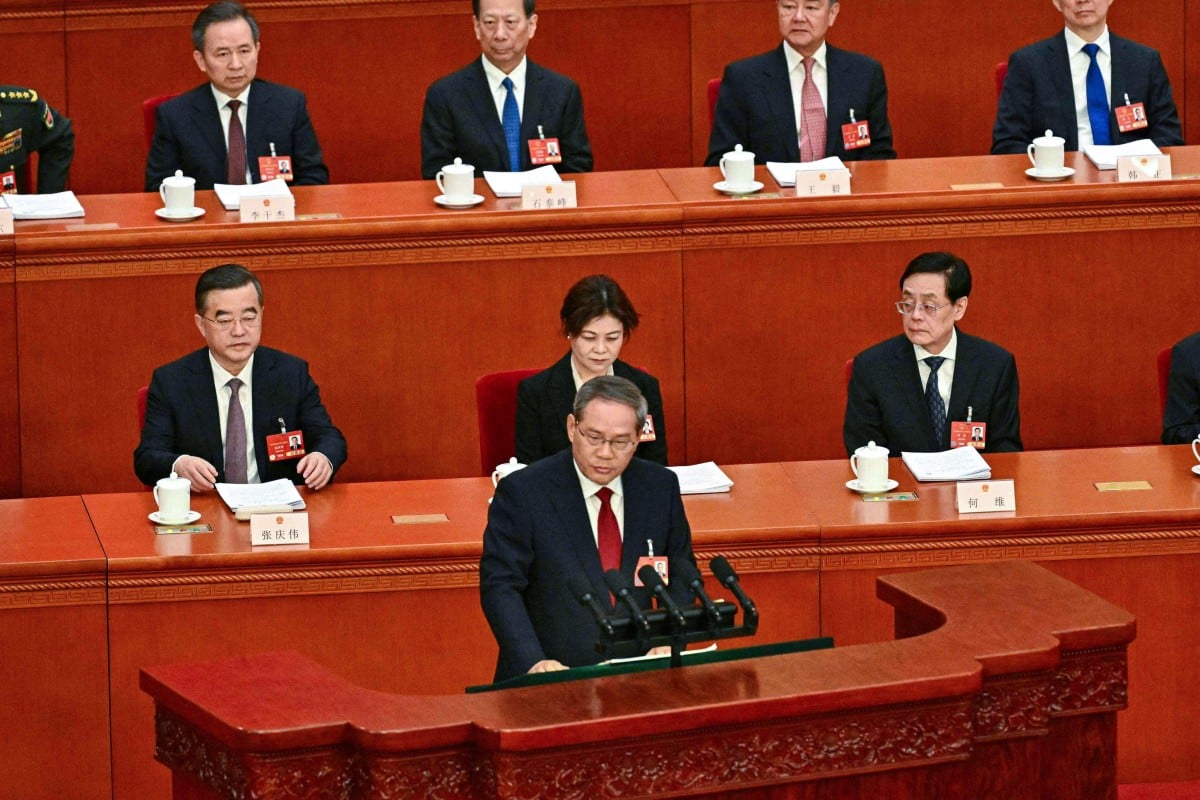
The alarm bells are ringing loud in China’s EV sector, which has seen explosive growth but now faces the specter of overcapacity. Production lines are churning out vehicles at a rate that outpaces demand, leading to price wars, inventory pileups, and potential job losses. This isn’t just a domestic concern; it’s a global one, as Chinese exports flood markets, sparking trade tensions and accusations of dumping. As delegates gather for the Two Sessions, the focus on capping output represents a strategic pivot toward “high-quality development,” a mantra echoed by President Xi Jinping.
For emerging markets like South Africa, where EV adoption is nascent but promising, understanding these dynamics could inform local policies to avoid similar pitfalls while capitalizing on opportunities for collaboration.
The Rising Concern on Chinese EV Boom: From Dominance to Dilemma
Chinese EV industry has been nothing short of a phenomenon. In 2025, the country produced over 13 million new energy vehicles (NEVs), including battery electric and hybrid models, capturing a 40.9% market share domestically. Exports surged to 2.615 million units, doubling from the previous year, as brands like BYD and Changan expanded globally.
This boom has positioned China as the undisputed leader in the Chinese EV supply chain, manufacturing over 75% of the world’s batteries and dominating solar and wind components. However, this rapid expansion has bred overcapacity. Factories are operating below optimal levels, with utilization rates dipping in some regions, leading to fierce price competition that erodes profits.
The dilemma is stark: while NEVs contributed significantly to China’s GDP—over 10% from clean energy tech in 2024—the unchecked growth risks a bubble burst. Industry experts warn that without intervention, the sector could face bankruptcies and supply chain disruptions. In Cape Town, where initiatives like the Atlantis Special Economic Zone aim to attract Chinese EV manufacturing, this serves as a cautionary tale. Local leaders could draw parallels, ensuring incentives for foreign investment don’t lead to similar overproduction traps.
Zhu Huarong’s Bold Proposals: Curbing Chaos at the Two Sessions
At the forefront of this discussion is Zhu Huarong, Chairman of China Changan Automobile Group and an NPC deputy. In a recent interview, Zhu revealed his plans to propose measures at the 2026 Two Sessions to prevent industry over-competition, mitigate its global spillover effects, and accelerate the shift from traditional manufacturing to a smarter, ecosystem-driven model. While not explicitly calling for a hard cap on EV output, his emphasis on “curbing auto over-competition” implies regulatory limits to balance supply and demand.
Zhu’s proposals stem from firsthand experience. Changan, based in Chongqing—a city that produced 2.787 million vehicles in 2025, up 9.7% year-on-year—has seen overseas sales skyrocket from 53,000 units in 2020 to over 630,000 in 2025. He highlights the rapid transformation of Chinese auto exports, driven by NEVs, but warns of the dangers of excessive competition spilling over globally. This could include production quotas or incentives for consolidation, aiming to foster “fairer” competition.

For South African audiences, Zhu’s stance resonates with ongoing debates in the automotive sector. As the African Union pushes for continental Chinese EV strategies, proposals like these could influence how countries like South Africa regulate imports and local assembly to protect nascent industries.
The Context of Over-Competition: Price Wars and Inventory Buildup
The call for capping Chinese EV output arises from a perfect storm of over-competition. China’s NEV stock has ballooned from 13.1 million in 2022 to over 20 million in 2023, with production lines spitting out vehicles every 36 seconds in some factories. This has led to intense price wars, with models like BYD’s Qin Plus dropping to record lows, squeezing margins for all players.
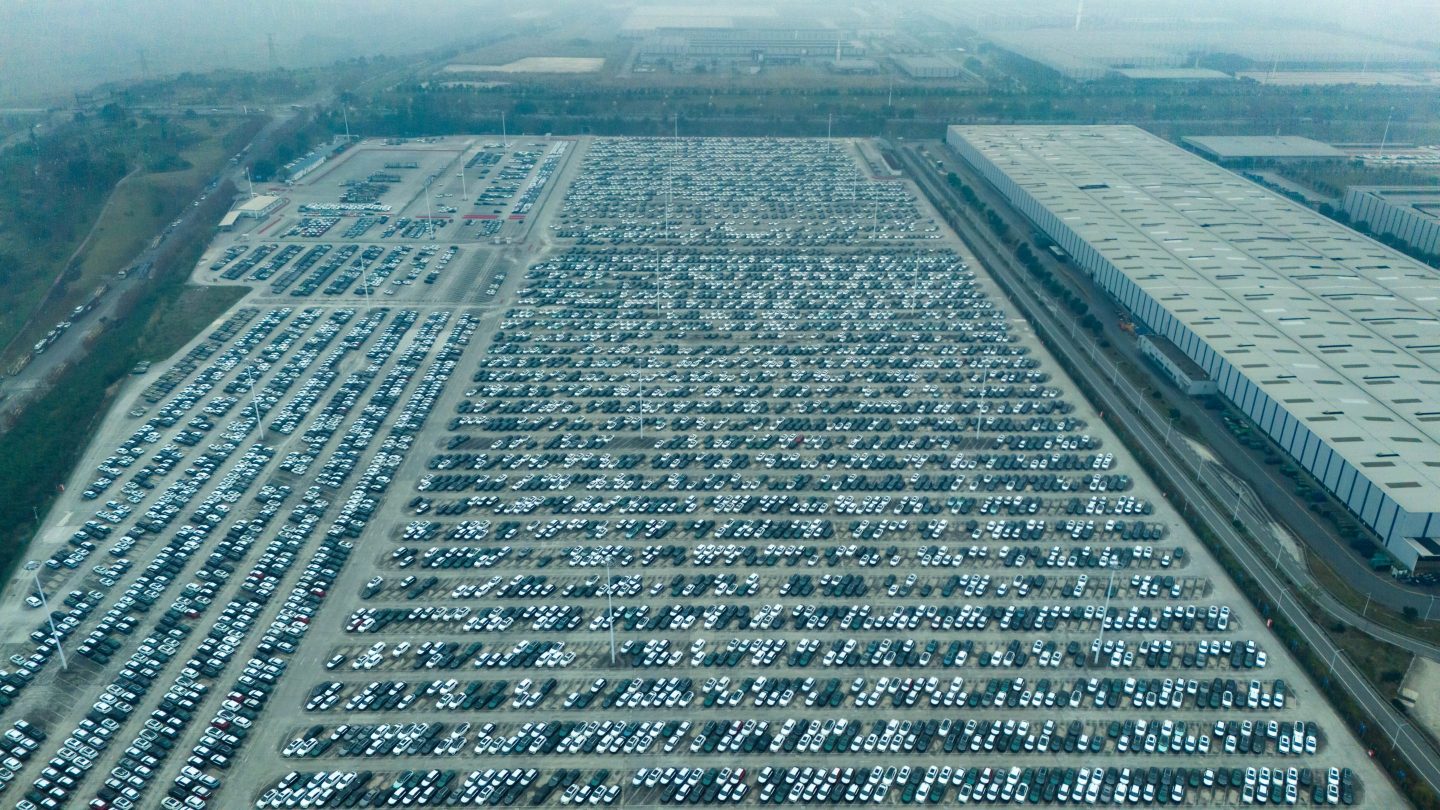
Inventory buildup is another red flag. Aerial views of massive parking lots filled with unsold EVs paint a picture of overcapacity, with utilization rates falling below 50% in some plants. Government reports from previous sessions, like the 2025 Two Sessions, already pledged “orderly development” in the EV sector, but the 2026 discussions may go further with concrete caps. This over-competition has global ramifications, as cheap exports undercut prices in markets like Europe and the US, prompting tariffs and investigations.
In the Western Cape, where companies like Zero Electric Vehicles are pioneering local EV production, this context warns against scaling too quickly without demand alignment. Cape Town’s tech hubs could learn from Chinese EV experience, focusing on niche, high-value EVs for export.
Global Spillover Effects: Trade Tensions and Market Disruptions
Zhu Huarong’s proposals explicitly address limiting global spillover from over-competition. Chinese EV exports reached 7.098 million units in 2025, up 21.1%, flooding international markets and sparking backlash. The EU has imposed tariffs on Chinese EVs, citing subsidies that enable dumping, while the US considers similar measures.
Capping output could ease these tensions, stabilizing prices and allowing fairer competition. For developing economies like South Africa, which imported over 10,000 Chinese EVs in 2025, this could mean higher prices but opportunities for local manufacturing. The African Continental Free Trade Area (AfCFTA) could benefit if China redirects focus to partnerships rather than exports.
Shifting to a Smarter Ecosystem: From Manufacturing to Innovation
A core part of Zhu’s vision is accelerating the auto industry’s shift to a “new ecosystem.” This involves moving beyond traditional assembly lines to intelligent, connected vehicles integrated with AI, 5G, and sustainable tech. Changan’s own expansions, like its Thailand plant starting production in May 2025, exemplify this, exporting technology platforms to global partners.
At the Two Sessions, discussions may include incentives for R&D in autonomous driving and battery recycling, reducing over-reliance on volume production. This ecosystem approach could inspire Cape Town’s mobility startups, like those developing smart charging solutions, to build integrated platforms rather than isolated products.
7 Urgent Reasons for Capping EV Output: A Deep Dive
The potential cap on EV output isn’t arbitrary; it’s driven by pressing concerns. Here are seven urgent reasons leaders may prioritize this at the Two Sessions:
1. Mitigating Price Wars and Profit Erosion
Intense competition has slashed prices, eroding margins and threatening smaller players’ survival.
2. Addressing Inventory Overhang
Unsolds are piling up, tying up capital and risking waste in a resource-intensive industry.
3. Easing Global Trade Frictions
Capping exports could defuse tariffs and foster better international relations.
4. Promoting Sustainable Growth
Orderly development ensures environmental goals, like reducing coal dependency in manufacturing.
5. Boosting Innovation Focus
Shifting from quantity to quality encourages R&D in next-gen tech.
6. Protecting Jobs and Supply Chains
Preventing bankruptcies safeguards employment in auto hubs like Chongqing.
7. Aligning with National Priorities
Supports “new productive forces” emphasized by Xi Jinping, prioritizing high-tech over mass production.
Expert Opinions: Voices from Industry and Academia
Experts like Anders Hove from the Oxford Institute for Energy Studies note that China’s EV overcapacity could lead to a moderate decline in gasoline consumption but risks economic distortions if unchecked. Michael Schuman in Fortune warns of the “giant distortion machine” threatening global car industries. In South Africa, analysts at the Automotive Business Council suggest monitoring China’s moves to protect local assembly jobs.
Future Outlook: Potential Outcomes and Global Ramifications
If caps are implemented, the Chinese EV production could stabilize at 10-12 million units annually, focusing on exports to friendly markets. This might open doors for African nations like South Africa to negotiate tech transfers, boosting local EV ecosystems. The Two Sessions’ decisions could set precedents for other overproducing sectors, influencing global supply chains.
For Cape Town’s innovators, this is an opportunity to advocate for balanced policies that encourage foreign investment without overcapacity risks.
A Call for Balanced Growth in the EV Era
The alarming overcapacity crisis on Chinese EV sector demands urgent action, and the Two Sessions provide the perfect platform. With Zhu Huarong’s proposals leading the charge, capping output could prevent chaos, foster innovation, and ensure sustainable global competition. As the world watches, this could redefine the future of mobility, offering lessons for emerging hubs like Cape Town.
Discover more from TECH-BRUNCH
Subscribe to get the latest posts sent to your email.