South Africa’s e-commerce landscape is undergoing its biggest upheaval in years, with Temu and Amazon driving seismic shifts that will reshape shopping habits, delivery speeds, and even internet access for millions of consumers. As of March 2026, Temu’s new local warehouse operations and Amazon’s aggressive expansion—including plans for satellite internet—have intensified competition with local giant Takealot while regulators tighten scrutiny on low-value imports.
These changes come at a pivotal moment: South Africa’s online retail market is projected to surge past R2 billion in value by 2033, with foreign players capturing growing slices through ultra-low prices, faster logistics, and innovative services.
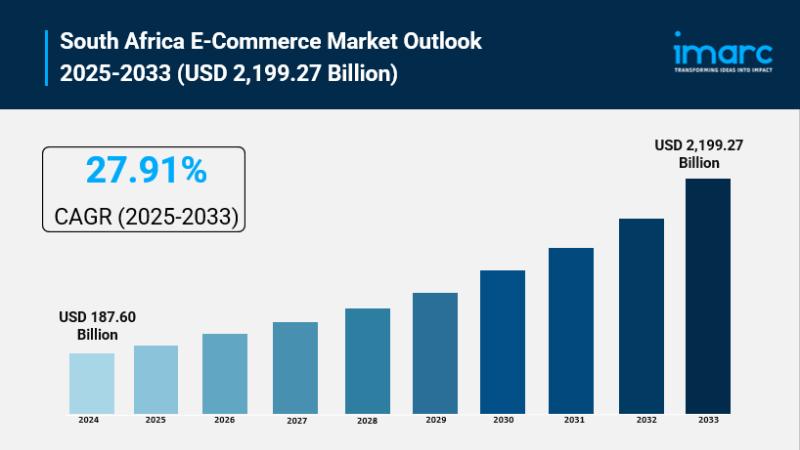
For shoppers in Cape Town, Johannesburg, Durban, and rural areas, this means quicker deliveries, more product variety, and potentially cheaper data via space-based internet—but also new risks around tariffs and consumer protections.
What started as cautious entries in 2024 has evolved into a full-scale battle. Temu is localising operations to cut shipping times, while Amazon is rebuilding momentum and eyeing premium services like Prime. Meanwhile, government probes and proposed VAT rules on small parcels are forcing both platforms to adapt. Here’s a comprehensive look at the seven biggest transformations already underway and what they mean for everyday South Africans.
Temu’s Local Warehouse Revolution: Faster Deliveries Arrive
In July 2025, Temu opened its first South African warehouse, a move that dramatically shortens delivery times for popular categories like fashion, electronics, and home goods. Previously reliant on slow international shipping, the platform now offers same-day or next-day options in major cities—directly challenging Takealot’s dominance and Amazon’s growing footprint.
This localisation hasn’t just sped things up; it has lowered costs for some items and improved reliability. Shoppers report fewer customs delays and easier returns, boosting Temu’s popularity among price-sensitive buyers. However, the shift has sparked debates about impacts on local manufacturers, as ultra-cheap Chinese imports continue flooding the market.

Amazon’s Sensational Comeback: From Slow Start to Serious Contender
After a lukewarm 2024 launch, Amazon.co.za staged an impressive recovery throughout 2025, climbing into the top tier of South African online destinations. Expanded seller registrations, better local inventory, and improved logistics have turned the tide, with the platform now competing head-to-head on everyday essentials and electronics.
Amazon’s partnership as Diamond Sponsor for Converge Africa 2026 underscores its commitment to seller enablement and marketplace growth. The company is actively recruiting local brands and investing in fulfilment infrastructure, signalling long-term ambitions beyond basic retail.

Amazon’s Satellite Internet Ambition: Connectivity from Space
One of the most futuristic changes is Amazon’s planned rollout of low-Earth orbit (LEO) satellite internet services via Project Kuiper in South Africa. Announced in early 2026, this initiative aims to bring high-speed broadband to underserved rural and township areas where traditional infrastructure lags.
By beaming internet directly from space, Amazon could bypass slow fibre or mobile networks, offering reliable connectivity for e-commerce, remote work, and education. This ties neatly into its marketplace push: faster internet means more seamless shopping on Amazon.co.za, potentially accelerating adoption in regions previously left behind.

Regulatory Scrutiny Intensifies: Investigations and Potential Tariffs
South Africa’s National Consumer Commission launched a formal probe into Temu (and Shein) in late 2025 over consumer protection concerns, including misleading advertising and data practices. The government has also warned of a full review of the online shopping market in the 2025/2026 financial year.
Proposed changes to VAT rules on low-value imports could impose 15% tax on small parcels, closing a long-standing loophole that fuelled Temu’s explosive growth. While shoppers have pushed back via petitions, the moves signal tighter oversight that could raise prices and force platforms to adjust business models.
Prime Service Rumours and Seller Enablement Push
Insiders increasingly expect Amazon to launch its Prime subscription service in South Africa during 2026, complete with free delivery, exclusive deals, and streaming perks. Early groundwork during Black Friday 2025—partnering with local couriers like Speedy—suggests the infrastructure is nearly ready.
Combined with Converge Africa 2026 focus on seller tools, Amazon is shifting from pure retail to an ecosystem that empowers local businesses while locking in customer loyalty.
Heightened Competition with Takealot and Cross-Border Rivals
The battle between Temu, Amazon, and domestic leader Takealot has heated up dramatically. Google Trends and market data show all three platforms gaining traction, with Temu and Shein disrupting fashion while Amazon targets broader categories. Analysts predict the trio could control a significant share of online retail by 2027, pressuring local players to innovate or partner.
This rivalry benefits consumers with lower prices and better service but raises questions about job impacts in traditional retail and manufacturing.
7 Massive Changes Reshaping Temu and Amazon Operations
To break it down clearly, here are the seven transformative shifts already in motion:
1. Temu’s Local Warehousing for Lightning-Fast Delivery
Warehouse operations in South Africa slash shipping times from weeks to days, making Temu far more competitive with local platforms.
2. Amazon’s Strong Marketplace Recovery
From underwhelming 2024 debut to top-tier status in 2025, Amazon.co.za now offers expanded local stock and seller support.
3. Amazon’s Satellite Internet Launch Plans
Project Kuiper LEO services will bring reliable high-speed internet to rural areas, boosting e-commerce accessibility nationwide.
4. Regulatory Investigations into Consumer Practices
National Consumer Commission probes and market reviews target Temu and Shein, potentially leading to stricter rules.
5. Looming VAT and Tariff Reforms
Proposed removal of the low-value import exemption could add 15% VAT, forcing price adjustments on both platforms.
6. Amazon Prime Service on the Horizon
Expected 2026 rollout would introduce subscription perks, free shipping, and streaming—locking in loyal customers.
7. Seller Enablement and Ecosystem Building
Amazon’s Converge Africa 2026 role and Temu’s localisation efforts empower local businesses while intensifying platform competition.
What These Changes Mean for South African Shoppers and Businesses
For everyday consumers in Cape Town or remote provinces, faster Temu deliveries and potential Amazon Prime mean more convenience and value. Rural households could gain affordable satellite internet, closing the digital divide and enabling seamless online shopping.
Small businesses benefit from easier seller tools on Amazon and broader reach via Temu’s platform. However, local manufacturers face pressure from cheap imports, and regulators warn of risks around data privacy and product quality.
Economically, the boom supports job creation in logistics and tech while challenging traditional retail. Experts predict continued double-digit growth in South Africa’s e-commerce sector through 2027.
Challenges Ahead: Tariffs, Local Impact, and Adaptation
Both platforms must navigate potential VAT hikes and ongoing investigations without alienating price-sensitive South African buyers. Temu’s rapid scaling risks supply-chain hiccups, while Amazon needs to prove Prime’s value in a market with strong local alternatives like Takealot.
Sustainability concerns around packaging and carbon footprints from increased imports also loom, pushing both companies toward greener logistics.
The Road Forward: A More Competitive E-Commerce Era
As 2026 unfolds, Temu and Amazon’s moves—local warehouses, satellite connectivity, regulatory adaptations, and premium services—signal a maturing market that benefits consumers through choice and innovation. South Africa’s position as an e-commerce leader on the continent will only strengthen.
Whether you shop for fashion on Temu, tech on Amazon, or both, expect quicker deliveries, better deals, and broader access. Businesses should prepare by exploring seller programmes and monitoring regulatory updates.
The big changes are already here—and they’re only getting bigger. Stay informed, shop smart, and watch South Africa’s online retail revolution unfold in real time.
Discover more from TECH-BRUNCH
Subscribe to get the latest posts sent to your email.