Brain-inspired computing is no longer a futuristic dream — it is delivering explosive real-world results right now in 2026. By mimicking the human brain’s ultra-efficient spiking neural networks, neuromorphic hardware is slashing energy use by up to 1,000× compared with traditional GPUs while solving complex physics equations and powering edge AI that runs for weeks on tiny batteries.
From Intel’s billion-neuron Hala Point super-system to BrainChip’s commercially shipping Akida 2.0 and IBM’s NorthPole, this technology is shattering the von Neumann bottleneck and opening doors to sustainable AI everywhere — including energy-conscious markets like South Africa facing power constraints. Whether you’re a developer, researcher, or business leader in Cape Town, Johannesburg or beyond, brain-inspired chips promise smarter robots, always-on IoT, and greener data centres without the crippling electricity bills of conventional AI. Here is the definitive deep dive into why this revolution is unstoppable.
Understanding Brain-Inspired Computing: Beyond the Hype
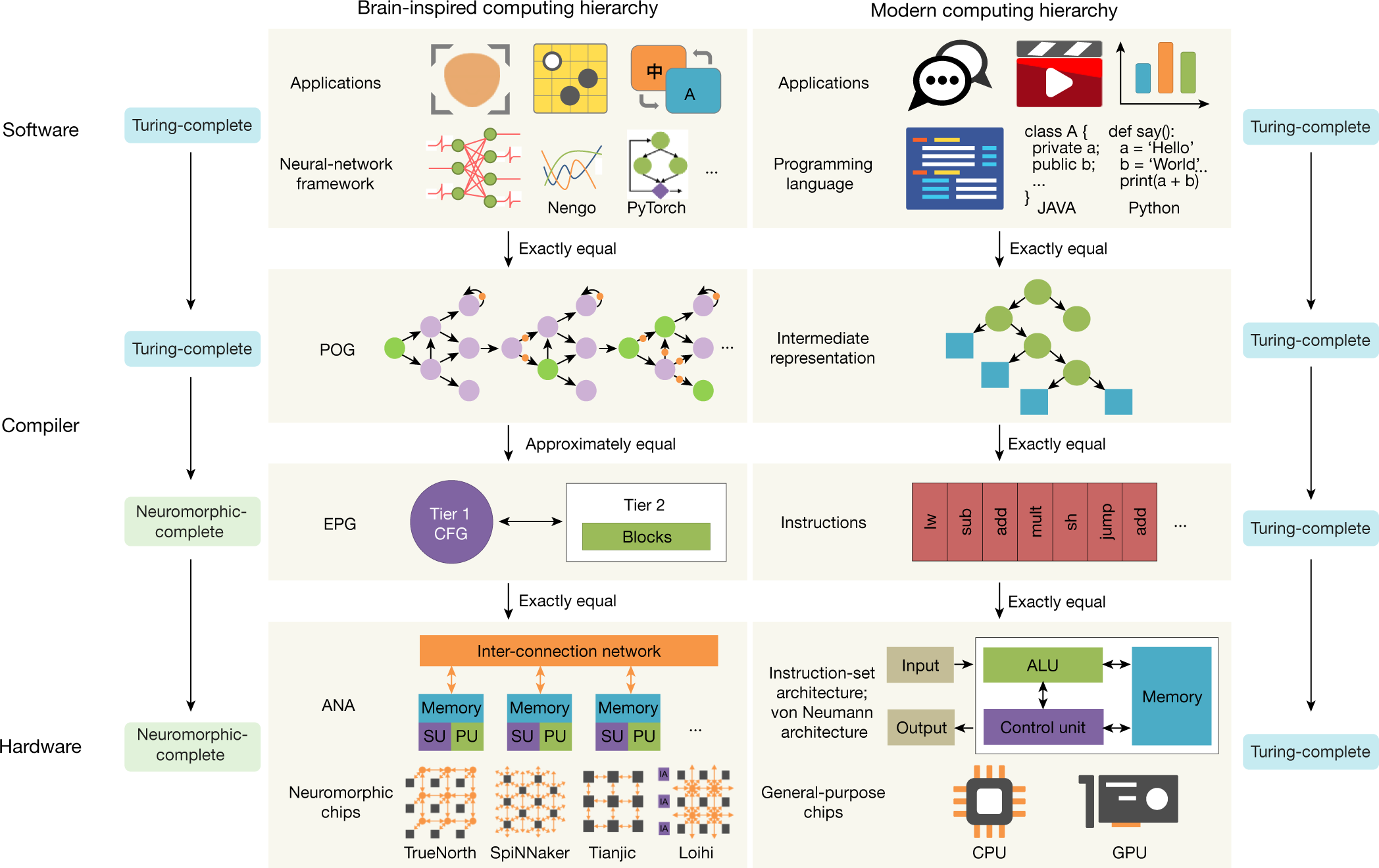
At its core, brain-inspired (neuromorphic) computing replicates the brain’s event-driven, parallel architecture instead of the rigid, power-hungry “fetch-execute” model of today’s CPUs and GPUs. Neurons fire only when needed, synapses adapt on the fly, and memory lives right next to processing — eliminating the massive data movement that wastes 90 % of energy in classical systems.
In 2026 this concept has matured into production silicon. Intel’s Loihi 3 now packs 8 million neurons; IBM NorthPole delivers 25× better efficiency than NVIDIA H100 for vision tasks; BrainChip Akida 2.0 is already in millions of edge devices and licensed for space-grade processors.
The breakthrough moment arrived in February 2026 when Sandia National Laboratories proved neuromorphic systems can solve partial differential equations (PDEs) — the maths behind weather, fluid dynamics and structural engineering — using a fraction of supercomputer energy. That single result shifted the conversation from “promising research” to “deployable supercomputing alternative”.
Key Players Driving the 2026 Explosion
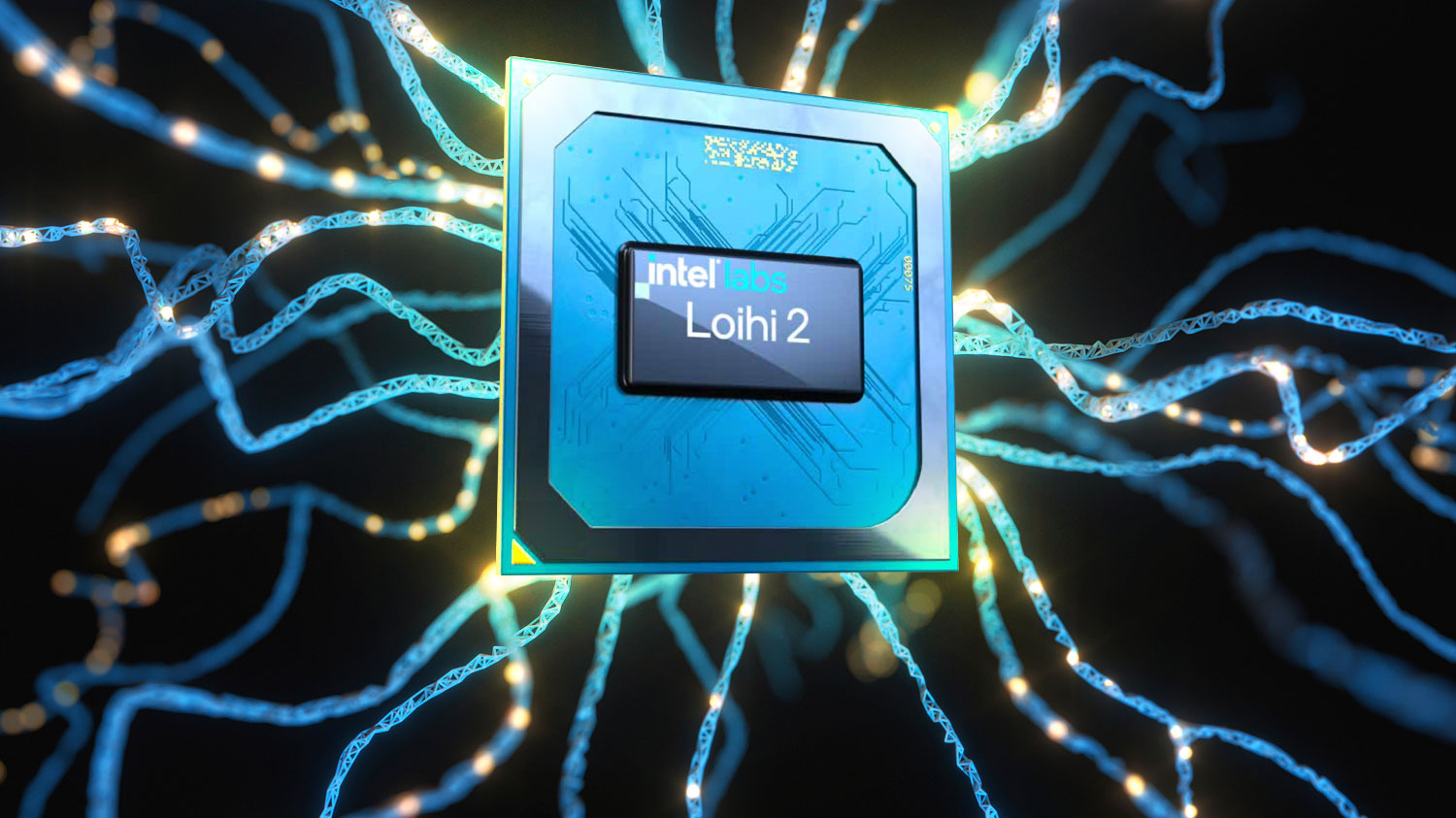
Intel leads with Hala Point (1.15 billion neurons across 1,152 Loihi 2 chips) and Loihi 3, now scaling toward commercial supercomputers. IBM’s NorthPole is fully digital, requires no external DRAM, and excels at real-time computer vision. BrainChip’s Akida has moved beyond prototypes — it ships today, converts CNNs to spiking networks instantly, and powers industrial automation and automotive sensing with 500× lower energy draw.
European and Chinese players are surging too: SynSense, Huawei, and the UK Multidisciplinary Centre for Neuromorphic Computing are targeting IoT and smart cities, while startups like Innatera and GrAI Matter Labs bring always-on voice and vision to wearables.
Real-World Wins: From Robotics to Sustainable AI
In robotics, 2026 is the breakout year. Neuromorphic brains let robots react in microseconds, learn continuously without catastrophic forgetting, and survive weeks on battery power — perfect for South African mining, agriculture drones, and wildlife monitoring.
Energy savings are staggering: Intel reports 100× gains on inference; IBM claims 42,460 frames per joule. Data centres, projected to consume 3 % of global electricity by 2030, finally have an escape route from the “AI energy wall”.
For South Africa, where load-shedding and high electricity costs remain painful realities, brain-inspired edge AI means smart water meters, grid optimisation, and precision farming can run reliably without constant grid dependence.
7 Transformative Advances Making Brain-Inspired Computing Unstoppable
Here are the seven concrete breakthroughs defining 2026 and beyond:
1. Massive Scale with Tiny Power
Hala Point’s 1.15 billion neurons and Loihi 3’s 8 million neurons prove brain-like systems can reach supercomputer territory while sipping milliwatts instead of megawatts.
2. PDE Solving Capability
Sandia’s February 2026 breakthrough showed neuromorphic hardware can tackle the maths of real-world physics simulations — a task once reserved for energy-hungry supercomputers.
3. Commercial-Ready Chips
BrainChip Akida 2.0 and IBM NorthPole are shipping and licensed; no more lab-only demos — real products are in the field today.
4. 1,000× Efficiency Gains
Certain tasks now run with 1/1,000th the power of GPUs, slashing carbon footprints and enabling always-on edge intelligence.
5. On-Chip Continuous Learning
Unlike deep-learning models that forget when retrained, neuromorphic systems adapt in real time — ideal for autonomous vehicles and personalised medicine.
6. Bio-Hybrid and Living Systems
Cortical Labs’ DishBrain and hybrid memristor-spiking designs blur the line between silicon and biology, opening radical new computing paradigms.

7. Market Explosion to 2036
Analysts forecast explosive growth as neuromorphic computing penetrates IoT, robotics, automotive, and green data centres — with South Africa poised to benefit from local edge-AI adoption.
Practical Applications Transforming Industries
In healthcare, neuromorphic sensors enable always-on, low-power patient monitoring. In agriculture, drone swarms with brain-like chips optimise water use in drought-prone regions. South African smart cities can deploy leak-detecting water networks and traffic systems that run for years on solar power alone.
Developers already access Akida Cloud and Intel’s neuromorphic tools for free experimentation, lowering the barrier for local innovation hubs in Cape Town and Pretoria.
Challenges and the Road to Mainstream
Fabrication costs remain high for now, and software ecosystems are still maturing. Yet open-source frameworks, cloud access, and massive venture capital inflows ($200 million+ in 2025 alone) are accelerating adoption.
By 2030 the technology is expected to handle the majority of edge AI workloads, freeing traditional GPUs for training while neuromorphic silicon handles inference sustainably.
Why South Africa Should Watch Closely
With its renewable-energy push and growing tech talent pool, South Africa can leapfrog legacy infrastructure by adopting neuromorphic edge solutions today. Microsoft’s concurrent AI skills push for 3 million Africans creates the perfect human capital match for hardware that finally makes AI truly accessible and green.
Conclusion: The Brain-Inspired Era Has Arrived
Brain-inspired computing is delivering the revolutionary breakthrough the AI world desperately needed: intelligence without the energy apocalypse. Through seven powerful advances — from billion-neuron scale to real-time PDE solving — this technology is proving smarter, leaner, and more sustainable than anything von Neumann architectures can offer.
For businesses, researchers, and everyday innovators in South Africa and across the globe, the message is clear: the future of computing is brain-like, and it is already here in 2026. Whether you start experimenting with open tools today or plan enterprise deployment tomorrow, neuromorphic systems will redefine what’s possible.
The era of power-hungry AI is ending. The age of brain-inspired intelligence has begun — and it is spectacular.
Discover more from TECH-BRUNCH
Subscribe to get the latest posts sent to your email.