Pretoria, South Africa’s administrative capital, is reeling under a fresh wave of toll gate turmoil that has commuters fuming and wallets emptying faster than ever. Just weeks after Sanral implemented its 3.12% toll fee increase on 1 March 2026, motorists in the north of Tshwane are counting the daily cost of travelling routes they have no realistic choice but to use. With fuel, groceries and electricity already climbing, this latest hike has turned everyday commutes into an expensive ordeal.
The Bakwena-managed N1 and N4 corridors — home to plazas such as Carousel, Doornpoort, Pumulani and Diamond Hill — now demand even more from drivers who pass through them twice a day. Industry experts warn the timing could not be worse, and the decision to scrap Gauteng’s e-tolls in 2024 has created a glaring two-tier system that leaves northern Pretoria residents feeling unfairly targeted.
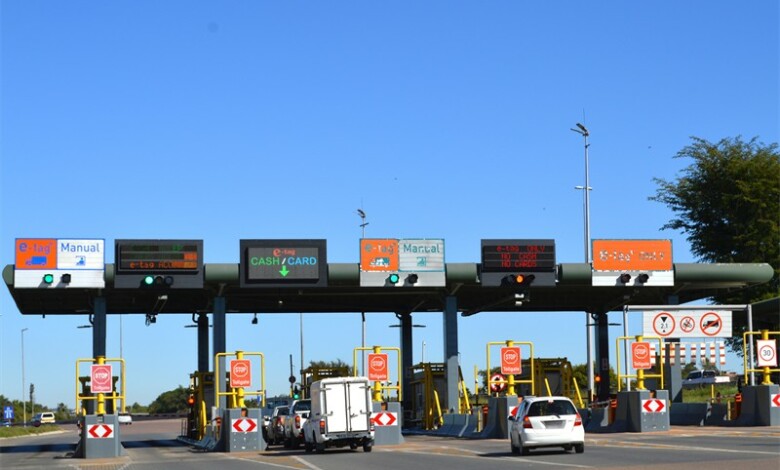
A typical Sanral toll plaza on the routes serving northern Pretoria, where the latest fee increases are now hitting thousands of daily users.
The 3.12% Hike That Sparked Immediate Backlash
Effective 1 March 2026, Sanral raised tariffs across all its plazas by 3.12% — slightly below last year’s inflation but still painful when stacked against other rising costs. For light vehicles (Class 1), the Carousel plaza on the N1 now costs R75, Diamond Hill on the N4 sits at R51, Kranskop at R61.50 and Nyl at R79.50. A return trip from Pretoria to Polokwane can now set you back R465 in tolls alone.
North Pretoria residents say these amounts add up rapidly. Peter Kriel from Doornpoort told local media: “Everything is going up — fuel, groceries, electricity, and now tolls again. It might seem like small amounts, but if you travel every day, it adds up quickly.” His sentiment is echoed across Doornpoort, Montana and surrounding suburbs where thousands rely on these corridors.
Nightmare 1: No Realistic Toll Gate Alternative Routes
The Bakwena corridor snakes over mountainous terrain, leaving commuters with few viable options. Mashudu Komape from Montana explained: “We don’t have many realistic alternative routes because of the mountain. We are forced to use these roads, so it doesn’t feel like a choice.” Ward councillor Freddie Pienaar confirmed that while other roads exist, they are poorly maintained, narrow and unable to handle current traffic volumes.
The stretch around Bon Accord Dam is especially problematic, with high congestion causing lengthy delays during peak hours. Drivers report losing 30–45 minutes each way, turning a simple commute into a two-hour ordeal that burns extra fuel and erodes productivity.
Nightmare 2: Economic Pressure on Households and Businesses
The timing of the increase has drawn sharp criticism. With Easter road trips looming and fuel prices also rising, families are feeling the pinch. Pienaar noted that repeated hikes affect not only individuals but entire industries. Trucks passing through the plazas face higher costs that are inevitably passed on to consumers through increased prices for goods.
Businesses in the north have already begun rerouting heavy vehicles onto secondary roads, accelerating their deterioration and creating new safety hazards. The cumulative effect is a hidden tax on northern Pretoria that many residents argue is unsustainable in the current economy.

Heavy traffic volumes on the N1 corridor near Pretoria highlight the daily congestion nightmare faced by commuters.
Nightmare 3: Legacy of the Two-Tier Toll System
The scrapping of Gauteng’s e-tolls in 2024 fundamentally altered fairness across the province. Motorists on former e-toll highways now drive freely while northern Pretoria residents continue paying at physical plazas. Experts describe this as a two-tier system that penalises one group of road users while subsidising another.
Sanral maintains that the Bakwena concessions were established through public participation processes and cannot simply be cancelled. Contractual obligations with investors run until around 2030, meaning tolls must continue to fund maintenance and upgrades. Yet commuters feel this creates an unfair burden precisely because the rest of Gauteng escaped similar charges.
Nightmare 4: Persistent Congestion and Delayed Upgrades
High traffic volumes on the Bakwena corridor routinely cause bottlenecks. Pienaar highlighted that planning for upgrades is underway now that Sanral has taken over from the provincial government. However, the first phase has already been delayed by more than a year due to informal settlements on the route reserve.
While some sections near Wonderboom are reasonably maintained, the overall infrastructure struggles to cope. Commuters report that the combination of toll payments and long queues at plazas adds insult to injury when the roads themselves still need urgent attention.
Nightmare 5: Dangerous Incidents and Safety Concerns
Toll plazas have become hotspots for frustration-driven behaviour. Recent footage showed a driver ramming through the boom at Carousel after failing to tailgate, damaging infrastructure and sparking public outrage. Similar incidents have occurred at other northern gates, raising fears about escalating aggression.
Past problems with card skimming have largely been addressed through the nationwide rollout of tap-to-pay systems completed by late 2025, but the memory of fraud and the occasional aggressive driver keep safety top of mind for regular users.
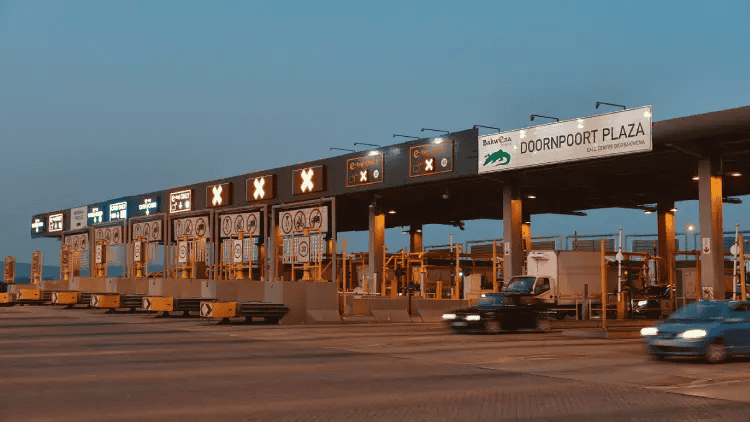
The Doornpoort Plaza on the Bakwena route, one of the key toll points now costing commuters more after the March 2026 increase.
Nightmare 6: Impact on Local Economy and Election Politics
Toll anger in northern Pretoria is already fuelling political debate ahead of future elections. Residents have threatened to withhold votes from parties they feel are not addressing the issue. A petition is being prepared for Parliament, and negotiations at national level seek concessions such as a frequent-user discount for verified local residents.
Sanral’s Priya Pillay explained that tariffs consider fuel savings, time, vehicle maintenance, traffic volumes and construction costs, with annual adjustments linked to CPI. While the agency expresses empathy for economic pressures, it insists the increases are necessary to maintain quality roads.
Nightmare 7: Long-Term Uncertainty and Calls for Relief
Commuters are pushing for an electronic frequent-user discount tied to home addresses, but Sanral’s systems require adaptation and feedback is still pending. Until then, daily toll payers in Doornpoort, Montana and surrounding areas continue to shoulder a disproportionate load.
The contractual reality means tolls cannot be scrapped overnight, but Pienaar and affected communities are calling for creative solutions that recognise the unique position of northern Pretoria residents who have no viable free alternative.

Pumulani Plaza, another key Bakwena toll point serving routes out of Pretoria, where the latest fee adjustments have added to commuter frustration.
What Pretoria Drivers Can Do Right Now
While systemic change takes time, motorists can mitigate some pain. Use tap-to-pay cards for faster processing and fewer delays. Plan trips outside peak hours where possible. Explore car-pooling or public transport options for part of the journey. Stay informed through Sanral updates and local ward councillors about upcoming upgrades and potential discount schemes.
Businesses are encouraged to engage with Sanral and Bakwena directly to discuss fleet discounts or alternative routing strategies that do not further damage secondary roads.
Sanral’s Position and the Road Ahead
Sanral emphasises that toll revenue directly funds safe, high-quality infrastructure that benefits all road users through reduced travel times and lower vehicle maintenance. The agency has shown willingness to listen, with talks ongoing about targeted relief for frequent northern users.
However, until concrete discounts or upgrades materialise, the shocking toll gate reality in Pretoria’s capital remains a daily financial and emotional burden. The 2026 increase has amplified long-simmering grievances and turned routine commutes into a source of resentment.
The message from north Pretoria is clear: residents are not asking for free roads — they simply want fairness, practical alternatives and recognition that they have been left carrying a heavier load in the post e-toll era. With elections on the horizon and a petition heading to Parliament, pressure is mounting for meaningful relief before the next annual adjustment arrives.
Pretoria’s toll gate troubles are no longer a distant policy debate — they are a lived experience for thousands of families who drive these corridors every single day. The coming months will test whether Sanral, government and concession holders can deliver solutions that match the urgency commuters feel on the ground. Until then, the shocking cost of simply getting to work continues to mount.
Discover more from TECH-BRUNCH
Subscribe to get the latest posts sent to your email.