In an era where wearable technology is pushing the boundaries of convenience and sustainability with new Thermoelectric materials, a groundbreaking innovation is emerging that could eliminate the need for traditional batteries in smartwatches. Researchers worldwide are harnessing thermoelectric materials to convert body heat into electricity, promising endless power for devices like the Apple Watch Series 12 or Samsung Galaxy Watch 9. This development, highlighted in recent 2026 studies, addresses one of the biggest pain points for users: frequent charging.
As we step into a more eco-friendly future, this technology not only extends battery life but could revolutionize how we interact with wearables, making them truly self-sufficient. With advancements from China to the United States, the stage is set for a seismic shift in the smartwatch industry, blending human biology with cutting-edge engineering for unparalleled efficiency.
The excitement stems from recent breakthroughs that have overcome long-standing limitations in thermoelectric efficiency. For instance, a sponge-like material designed to trap heat while allowing electricity to flow freely has shattered performance bottlenecks, paving the way for practical applications in everyday gadgets. Similarly, Chinese scientists have unveiled a plastic film that converts body warmth into usable power, potentially powering not just watches but entire wearable ecosystems. These innovations arrive at a perfect time, as consumer demand for longer-lasting, greener devices surges amid global sustainability efforts.
The Science Behind Thermoelectric Power: Harnessing Body Heat for Endless Energy
Thermoelectric technology operates on the Seebeck effect, where a temperature difference between two materials generates an electric voltage. In the context of smartwatches, the “hot” side is your skin—typically around 37°C (98.6°F)—while the cooler ambient air creates the necessary gradient. Traditional thermoelectric generators (TEGs) have been rigid and inefficient, but new materials are changing that narrative.
One standout is the polymer thermoelectric film developed in China, achieving a record zT value of 1.64 at 343 Kelvin, which measures the material’s efficiency in converting heat to electricity. This flexible film can be integrated into watch straps or cases, turning passive body heat into active power. Another innovation is a thermoelectric rubber band that stretches up to 850% without losing its energy-harvesting capabilities, ideal for fitness-focused wearables that endure constant movement.

These materials are not just theoretical; prototypes like those from the University of Washington demonstrate stretchable devices that wrap around the wrist, generating enough power to run sensors and displays. By incorporating nanomaterials and advanced polymers, engineers have boosted conversion rates, making body heat a viable alternative to lithium-ion batteries. This shift could reduce electronic waste, as devices powered this way might never need recharging plugs.
Key Innovations Driving the 2026 Thermoelectric Revolution
2026 has seen a flurry of advancements, building on 2025’s foundational work. Chinese researchers introduced a high-efficiency flexible thermoelectric material specifically for wearables, emphasizing safety and eco-friendliness. This material converts waste heat from the body into electricity, potentially powering heart rate monitors or GPS without draining a battery.
In South Korea, UNIST’s team developed a flexible ionic thermoelectric material capable of lighting an LED using just body heat, marking a step closer to battery-free smartwatches. Meanwhile, Northwest U.S. scientists created a “fabric” that generates power from body heat, envisioning it as an alternate energy source for outdoor enthusiasts or athletes.
Social media buzz on platforms like X highlights these developments, with users discussing how a bendy material turns sweat and heat into device power, jokingly calling humans “energy sources.” Recent posts also spotlight the polymer film, noting its potential to charge wearables seamlessly. These innovations aren’t isolated; they’re part of a global push toward sustainable tech, with prototypes already demonstrating real-world viability.
How Thermoelectric Smartwatches Stack Up Against Traditional Battery-Powered Models
Current smartwatches, like the Google Pixel Watch 3 or Garmin Fenix 8, rely on rechargeable batteries that last 1-2 days under heavy use. Thermoelectric alternatives could extend this indefinitely, especially in active scenarios where body heat is abundant. However, challenges remain: efficiency drops in cold environments, and initial power output is low—around 1 volt per square centimeter of skin.
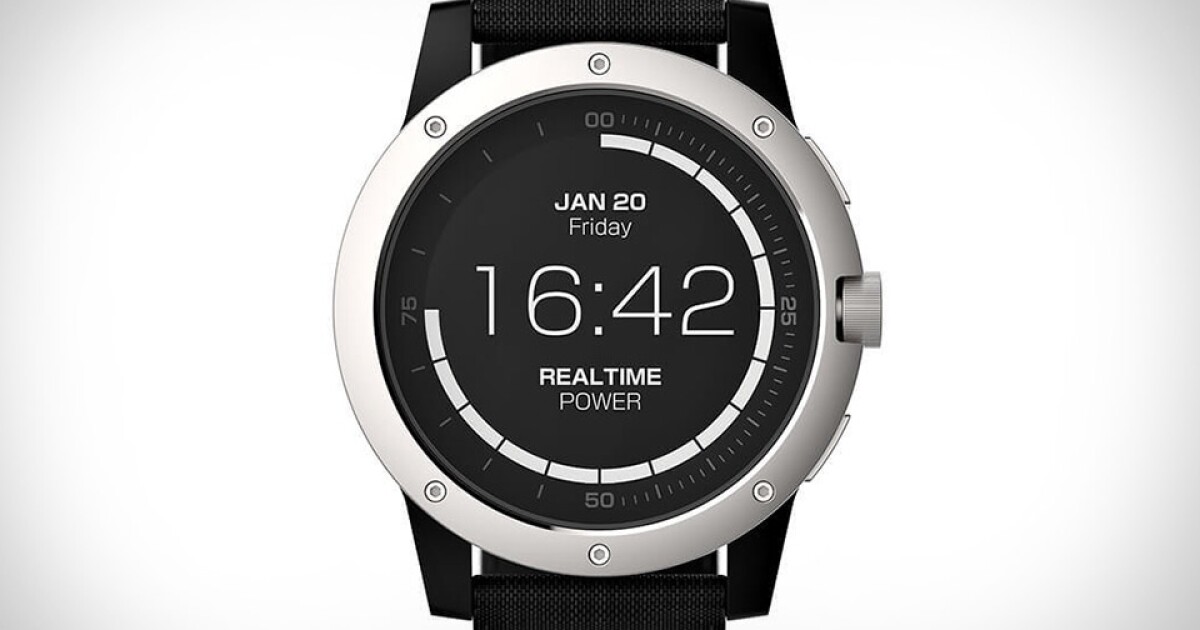
Comparatively, battery-powered watches offer instant high power but contribute to e-waste. Thermoelectric models, like the conceptual Matrix PowerWatch, display real-time power generation, encouraging users to stay active for better charging. In tests, these devices have powered basic functions like timekeeping and step counting without external sources. As materials improve, expect hybrid systems where thermoelectric tech supplements batteries, reducing charge frequency by up to 50%.
7 Transformative Ways New Materials Empower Next-Gen Smartwatches
To illustrate the impact, here are seven key ways these thermoelectric breakthroughs are reshaping smartwatches in 2026:
1. Infinite Battery Life for On-the-Go Users
By converting constant body heat into electricity, watches like future Apple or Samsung models could run indefinitely during workouts or daily activities, eliminating “low battery” anxiety.

2. Enhanced Sustainability and Reduced E-Waste
These materials promote green tech by minimizing reliance on rare-earth batteries, aligning with global eco-goals and appealing to environmentally conscious consumers in places like Cape Town, where sustainability is a growing priority.
3. Flexibility for Rugged, Active Lifestyles
Stretchable rubber bands and fabrics ensure devices withstand bending and twisting, perfect for athletes using Garmin or Fitbit equivalents.
4. Integration with Health Monitoring
Body heat-powered sensors could enable continuous tracking of vitals without power interruptions, improving accuracy in features like sleep analysis or heart rate variability.
5. Cost-Effective Manufacturing
New polymers are cheaper to produce than traditional TEGs, potentially lowering smartwatch prices and making advanced tech accessible to more users worldwide.
6. Hybrid Power Systems for Versatility
Combining thermoelectric with solar or kinetic energy creates resilient devices that adapt to various environments, from indoor offices to outdoor adventures.
7. AI-Optimized Energy Management
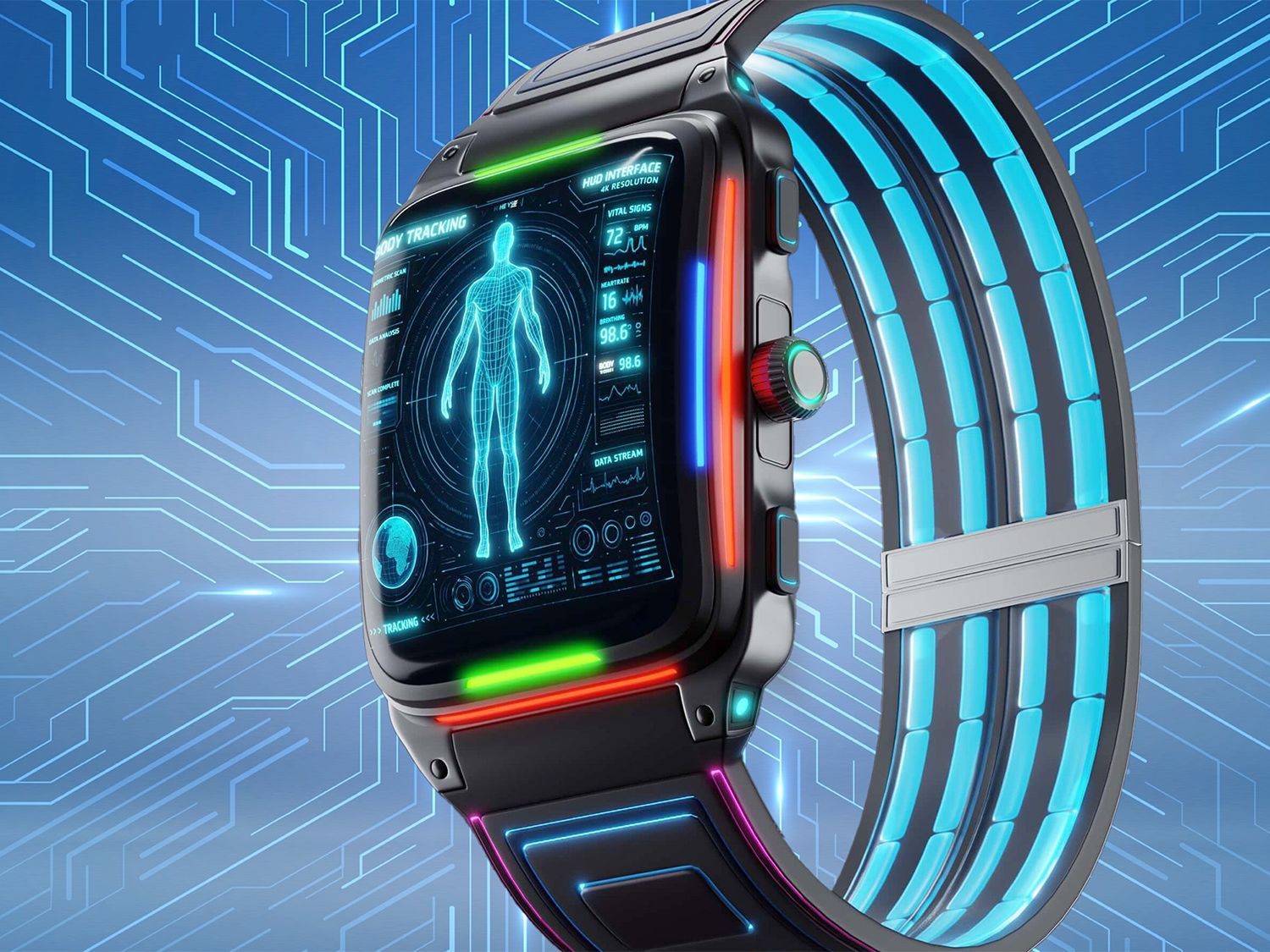
Future watches might use AI to predict heat generation based on activity, optimizing power distribution for features like notifications or GPS.
Real-World Applications: From Fitness Enthusiasts to Everyday Professionals
Imagine a runner in Cape Town’s Table Mountain trails whose smartwatch never dies mid-hike, powered solely by their exertion. Or a professional in a bustling office where subtle body heat keeps notifications flowing without a charger in sight. These scenarios are becoming reality, as demonstrated by prototypes that light LEDs or run basic apps using skin warmth.
In healthcare, thermoelectric wearables could monitor patients continuously, sending data to doctors without battery swaps. For adventurers, devices like the conceptual WHOOP 5.0 integrate this tech for peak performance tracking. User feedback on X praises the idea, with one post noting how sweat could soon charge devices, turning human activity into a power source.

Challenges and the Road Ahead: Overcoming Hurdles for Widespread Adoption
Despite the promise, hurdles exist. Efficiency in varying climates—hotter bodies generate more power, but cold weather reduces output—requires further refinement. Materials must also scale for mass production without compromising durability. Researchers are addressing this with self-healing designs that repair minor damage, extending device lifespan.
Looking to 2027 and beyond, experts predict integration into broader ecosystems, like smart clothing or implants. Companies like Matrix Industries are already prototyping heat-powered watches, hinting at commercial releases soon. As AI enhances these systems, expect smarter energy allocation, making thermoelectric tech a staple in wearables.
Conclusion: Embracing a Heat-Powered Future for Smarter Wearables
This revolutionary thermoelectric breakthrough isn’t just innovative—it’s a game-changer that could make next-gen smartwatches more reliable, sustainable, and user-friendly. With seven transformative benefits outlined, from infinite life to eco-impact, the shift to body heat power signals a brighter, battery-free horizon. As 2026 unfolds, keep an eye on brands adopting this tech; it might just redefine your wristwear experience. Whether you’re hiking in Cape Town or navigating urban life, these advancements promise a seamless blend of biology and technology.
Discover more from TECH-BRUNCH
Subscribe to get the latest posts sent to your email.