In a tense development that’s sending shockwaves through South Africa’s surging Oil prices, Transport Minister Barbara Creecy has assured the nation that the government is “closely watching” the escalating oil prices and jet fuel situation amid the ongoing US-Iran war. As of March 6, 2026, with the Strait of Hormuz effectively blocked for the sixth day, global oil prices have surged past $80 per barrel, threatening massive hikes in petrol, diesel, and jet fuel costs across the country. For residents in Cape Town, where the Western Cape’s vibrant tourism and logistics sectors rely heavily on affordable fuel, this crisis could spell immediate disruptions and long-term economic strain.
As South Africa’s ports and airlines brace for impact, Creecy’s statement offers a glimmer of stability, emphasizing that refined fuel and jet fuel supplies remain secure for now. However, with experts warning of prolonged effects that could last a year, this situation demands urgent attention from policymakers and businesses alike. This article delves into the background of the conflict, Creecy’s reassurances, the global oil surge, and seven massive impacts on SA’s economy, providing a comprehensive analysis of a crisis that’s unfolding in real time.
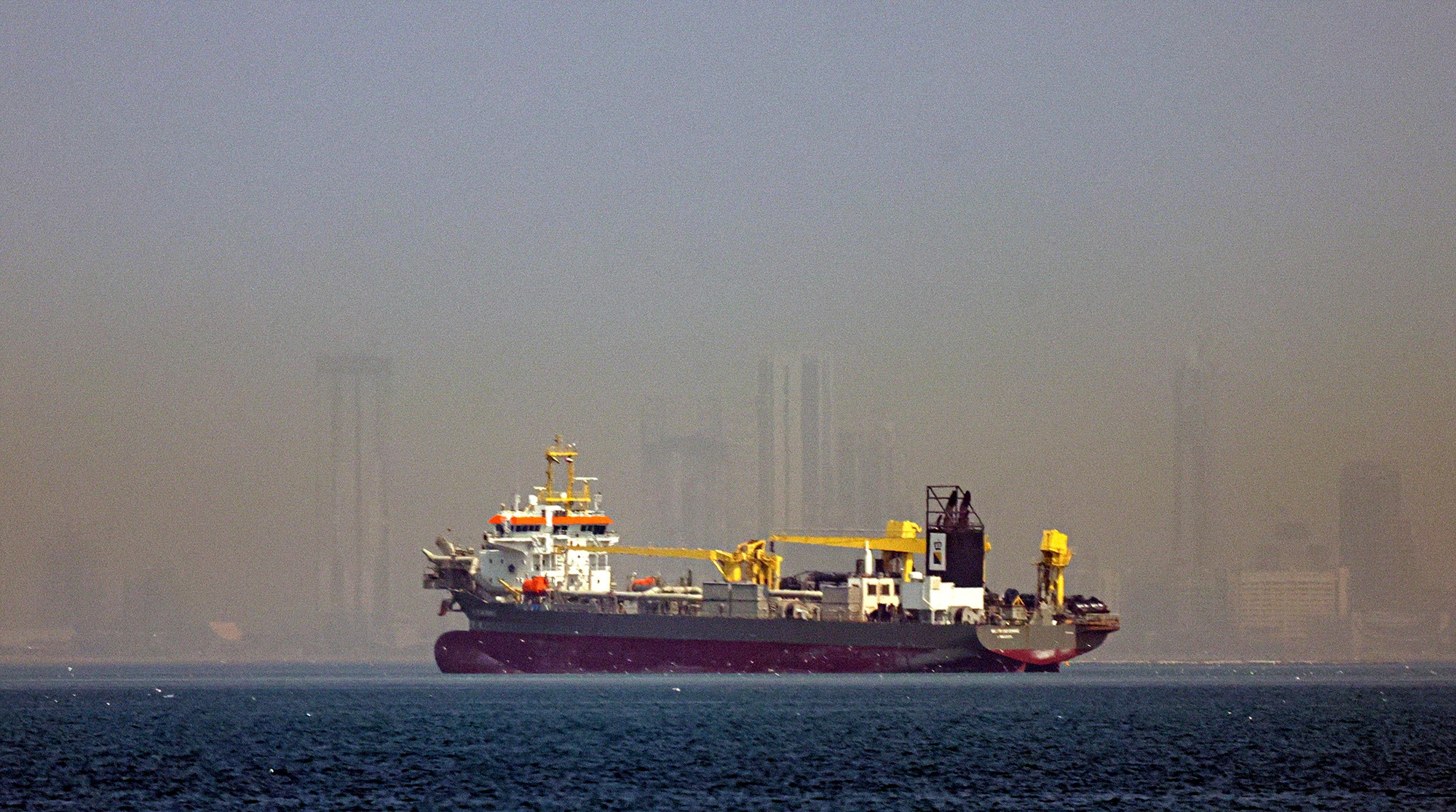
The US-Iran war, which escalated dramatically in early March 2026, has not only heightened geopolitical tensions but also disrupted one of the world’s most critical oil supply routes. The blockade of the Strait of Hormuz—a narrow waterway through which 20% of global oil passes—has stranded tankers and halted shipments, causing immediate supply fears. In South Africa, which imports the majority of its crude oil from the Middle East, this disruption is particularly alarming.
The Department of Mineral and Petroleum Resources has confirmed no immediate jet fuel concerns, but the potential for extended blockades could lead to shortages if alternative sources aren’t secured swiftly. Creecy’s comments, made on the sidelines of the Board of Airline Representatives of South Africa’s (Barsa) Aviation Conference in KwaZulu-Natal, highlight the government’s proactive monitoring, but they also underscore the vulnerability of SA’s energy imports in an unstable world.
Creecy’s Reassurance: Stability Amid Uncertainty
Transport Minister Barbara Creecy has been vocal about the government’s vigilance in the face of this crisis. Speaking to Moneyweb, she stated, “We are closely watching the situation, the oil price and supplies, including jet fuel.” This comes as SA faces what experts describe as a “massive hike” in fuel prices, with petrol and diesel potentially rising by R2-R3 per litre in the coming weeks. Creecy emphasized that current supplies of refined fuel and jet fuel are stable, providing a temporary buffer against immediate shortages. A source from the Department of Mineral and Petroleum Resources echoed this sentiment, noting there are “no jet fuel concerns in the country currently.”
However, Creecy’s words are tempered by the reality of global market volatility. The minister’s assurance is part of a broader effort to calm markets and stakeholders, particularly in the aviation sector, which is already grappling with soaring jet fuel prices. Asian jet fuel has surged to $147 per barrel, an early indicator of the economic pain ahead. In Cape Town, home to major airlines and tourism operators, this could translate to higher ticket prices and reduced travel, impacting the local economy that relies on visitors to sites like Table Mountain and the V&A Waterfront.
The government’s monitoring includes coordination between the Department of Transport, Energy, and Mineral Resources, with plans to engage international partners for alternative supply routes. Creecy also hinted at potential interventions, such as drawing from strategic reserves or negotiating with unaffected suppliers, to mitigate the worst effects. Yet, as the conflict shows no signs of abating, her reassurances may be tested in the days ahead.
Global Oil Surge: The Conflict’s Immediate Aftermath
The US-Iran war has triggered a dramatic surge in global oil prices, with Brent crude climbing past $80 per barrel for the first time since 2022. This spike is directly linked to Iran’s de facto closure of the Strait of Hormuz, where vessels are backed up and insurers have canceled war-risk coverage for transits through the Gulf. The White House is closely monitoring the situation, with Energy Secretary Chris Wright describing the increases as “temporary,” but experts warn the effects could persist for up to a year.
In Asia, the explosion in jet fuel prices serves as an early warning of broader pain, with refiners halting exports to prioritize domestic supply. The US Gulf Coast has seen jet fuel prices hit a 44-month high at $4.13 per US gallon, driven by increased demand as alternative routes are sought. White House officials are “looking under every rock” for solutions, including naval escorts for tankers, but skepticism remains about their feasibility.

For South Africa, which imports refined products from Asia and the Middle East, this surge means inevitable price hikes at the pump. The Central Energy Fund (CEF) has already signaled adjustments in fuel levies, but with the rand weakening against the dollar, consumers could face increases of up to R2.50 per litre for petrol. This global context amplifies Creecy’s watchful stance, as SA’s energy security hangs in the balance.
7 Massive Impacts on South Africa’s Economy and Daily Life
The oil price surge and jet fuel crisis pose massive threats to South Africa’s economy, with ripple effects across sectors. Here are seven critical impacts that highlight the urgency of the situation:
1. Skyrocketing Fuel Costs for Consumers
Petrol and diesel prices are set to rise sharply, adding hundreds of rands to monthly household budgets. For low-income families in Cape Town’s townships, this could mean cutting back on essentials, exacerbating inequality.
2. Inflation Pressures on Food and Goods
Higher transport costs will inflate prices for imported goods and locally distributed food, potentially pushing inflation above the Reserve Bank’s 3-6% target. This hits retailers hard, with chains like Shoprite already warning of margin squeezes.
3. Aviation Sector in Turmoil
Jet fuel prices surging to record highs could lead to flight cancellations and higher ticket prices, crippling tourism in the Western Cape. Airlines like SAA and Mango face operational challenges, with potential job losses in the sector.
4. Logistics and Supply Chain Disruptions
Delayed shipments from Asia could cause stockouts in electronics and pharmaceuticals, affecting industries from manufacturing to healthcare. Cape Town’s port, a key entry point, may see backlogs, delaying exports like wine and fruit.
5. Energy Security Risks
With SA reliant on imported crude, prolonged disruptions could strain refineries like Sapref, leading to fuel rationing. This exacerbates loadshedding woes, as diesel generators become costlier for businesses.
6. Economic Growth Slowdown
Experts predict a 0.5-1% shave off GDP growth if prices remain elevated, with sectors like mining and agriculture hit by higher input costs. The rand’s depreciation adds pressure, increasing import bills.
7. Investment and Market Volatility
Stock markets could see continued sell-offs, with the JSE All Share Index vulnerable to global sentiment. Foreign investors may pause inflows, affecting funding for Western Cape tech startups.
These impacts illustrate the far-reaching consequences of the Middle East conflict on SA’s interconnected economy.
Government Response and Mitigation Strategies
Beyond monitoring, the government is exploring options like tapping strategic reserves and diversifying imports from Africa and South America. Creecy has called for collaboration with international partners, while Finance Minister Enoch Godongwana may adjust fuel levies in the upcoming budget review. Industry bodies like the Automobile Association urge calm but preparation, advocating for accelerated renewable energy transitions to reduce oil dependency.
In the Western Cape, provincial initiatives like the Energy Resilience Programme could gain traction, promoting solar and EV alternatives to buffer against fuel shocks.
Expert Opinions: Warnings and Pathways Forward
Economists warn of stagflation risks if the crisis prolongs, with Nedbank’s Isaac Matshego predicting a 2% inflation uptick. Aviation experts like Joachim Vermooten highlight jet fuel’s role in tourism recovery, urging subsidies. Globally, the White House’s scramble for solutions mirrors SA’s challenges, emphasizing the need for diplomatic resolutions.
Pathways forward include investing in biofuels and electric infrastructure, areas where Cape Town’s tech hubs can innovate.
Future Outlook: Navigating Uncertainty in a Volatile World
As the US-Iran war shows no signs of quick resolution, SA’s economy faces prolonged uncertainty. Creecy’s watchful eye provides reassurance, but proactive measures are essential. A shift toward sustainable energy could turn this crisis into an opportunity for green growth, positioning the Western Cape as a leader in resilience.
In summary, the surging oil prices amid the Middle East conflict pose urgent challenges for SA, with Creecy’s monitoring a critical first step. As the nation braces for impacts, strategic adaptations will determine the path ahead.