In a shocking blow to South Africa’s energy sector, Sasol Limited, the Johannesburg-based petrochemical giant, has reported a devastating 95% drop in basic earnings per share for the six months ended December 31, 2025. This dramatic plunge underscores the relentless pressures facing the company amid volatile commodity prices, operational challenges, and substantial asset impairments. As investors in Cape Town and across the Western Cape grapple with the news, Sasol’s shares tumbled on the Johannesburg Stock Exchange (JSE), reflecting broader concerns about the firm’s financial health and future prospects.
With no dividend declared and net debt climbing, this interim result paints a grim picture of a company battling to regain its footing in a turbulent global market.
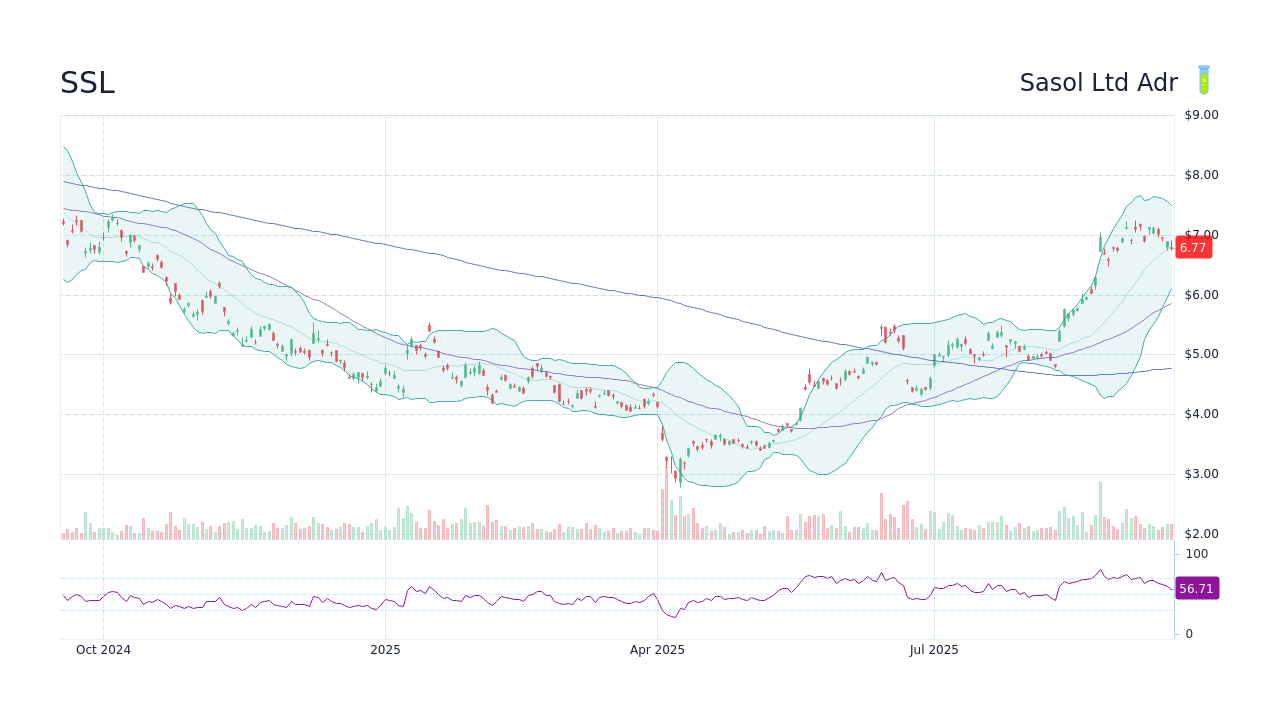
The announcement, released on February 23, 2026, comes at a time when South Africa’s economy is already strained by energy shortages and inflationary pressures. Sasol, a key player in the nation’s fuel and chemicals supply chain, has long been a bellwether for industrial performance. However, this latest earnings report highlights how external factors like falling Brent crude oil prices and weak chemical demand are hammering profitability. For local stakeholders in Cape Town, where Sasol’s products indirectly support industries from manufacturing to agriculture, the implications could ripple through supply chains and job markets.
As the dust settles on this financial setback, analysts are scrutinizing Sasol’s strategies for recovery. The company’s leadership has emphasized operational improvements and cost controls, but the scale of the impairments—totaling R7.8 billion before tax—raises questions about asset valuations and long-term viability. This article delves into the details of Sasol’s interim results, explores the root causes of the earnings collapse, and assesses what lies ahead for this iconic South African enterprise.
The Stark Financial Breakdown: A 95% Earnings Dive
Sasol’s interim financial results for the first half of fiscal 2026 reveal a stark contrast to the previous year’s performance. Basic earnings per share (EPS) plummeted by 95%, landing in a range of R0.10 to R0.80, down from R7.22 in the corresponding period of 2025. This precipitous decline was primarily driven by non-cash remeasurement items amounting to R7.9 billion, including massive impairments that eroded the bottom line.
Headline earnings per share (HEPS), which exclude certain one-off items, fared slightly better but still fell sharply by 31% to R14.13. Adjusted earnings before interest, tax, depreciation, and amortization (EBITDA) dropped 15% to R23.9 billion, reflecting the impact of lower revenue amid cost management efforts. Revenue itself declined due to a 17% drop in the average rand-denominated Brent crude oil price and a 3% decrease in the chemicals basket price.
Earnings before interest and tax (EBIT) tumbled 40% to R9.5 billion, burdened by net remeasurement losses of R6.2 billion, compared to R5.8 billion previously. The Secunda liquid fuels refinery cash generating unit (CGU) bore the brunt, with a R5.0 billion impairment, while the Sasolburg refinery added R0.6 billion. Both units remain fully impaired, meaning recent capital expenditures were immediately written down.
Net debt rose amid these challenges, prompting Sasol to forego an interim dividend—a move that signals caution in cash preservation. For shareholders in Cape Town, this omission could sting, especially as the company navigates higher borrowing costs in a rising interest rate environment.
Unpacking the Impairments: Why R7.8 Billion Was Wiped Out
The heart of Sasol’s profitability woes lies in the R7.8 billion pre-tax impairments, predominantly linked to its core operations in South Africa and Mozambique. The Secunda refinery, Sasol’s flagship facility, accounted for the lion’s share, reflecting ongoing challenges in the liquid fuels segment. Macroeconomic headwinds, including softer demand for fuels and chemicals, forced a reassessment of asset values.
In Mozambique, impairments hit the Production Sharing Agreement (PSA) gas development projects, where volatile gas prices and operational delays compounded issues. These writedowns are non-cash but signal deeper structural problems, such as overcapacity in global chemicals markets and competition from cheaper imports.
Sasol’s exposure to commodity price swings has been a recurring theme. Brent crude averaged lower in rand terms, squeezing margins in the energy division. Similarly, chemical prices softened due to global oversupply, particularly from Asian producers. Analysts note that these impairments follow a pattern seen in prior years, where Sasol wrote down billions on its US Lake Charles Chemicals Project. However, the current hits are more localized, affecting South African assets critical to national energy security.
For Western Cape residents, Sasol’s impairments highlight vulnerabilities in the domestic energy sector. The company’s synthetic fuels production, reliant on coal-to-liquids technology, faces environmental scrutiny and transition risks toward greener alternatives. These writedowns may accelerate Sasol’s pivot to sustainable energy, but at a cost to short-term profitability.
Market Reaction: Stock Price Takes a Hit Amid Downgrades
Sasol’s shares reacted swiftly to the earnings bombshell, plunging nearly 12% in early trading on the JSE, erasing billions in market value. This selloff builds on a tough start to 2026, with the stock already under pressure from analyst downgrades. JPMorgan cut its rating to underweight in January, citing currency risks and weak oil prices, while Goldman Sachs followed with a neutral stance earlier this month.
The stock’s volatility underscores investor unease. Trading at around R100 post-announcement, Sasol is far from its pandemic-era highs, reflecting a 60% loss for three-year holders. Broader market sentiment is bearish, with credit agencies like Moody’s and S&P revising outlooks to negative, anticipating persistent weakness through 2027.
In Cape Town, where many retail investors hold JSE stocks, this downturn could impact pension funds and personal portfolios. The company’s market cap contraction also raises questions about its ability to fund capital projects, potentially delaying investments in renewable energy initiatives that could benefit the region.
CEO Insights: Navigating the Storm with Operational Focus
Sasol’s CEO, Simon Baloyi, addressed the results in a virtual presentation, emphasizing resilience amid adversity.

“While macroeconomic pressures have impacted our financials, our operational performance remains strong, with improvements at Secunda providing a solid foundation,” Baloyi stated. He highlighted cost-saving measures and production efficiencies that mitigated some revenue losses.
Baloyi, who assumed the role in 2024, has prioritized stabilizing operations at key sites like Secunda, where infrastructure upgrades have boosted output. However, he acknowledged the need for strategic adjustments, including potential divestitures and a sharper focus on low-carbon technologies. “We are committed to delivering value through disciplined capital allocation and sustainability goals,” he added.
For South African audiences, Baloyi’s message resonates amid calls for energy sector reform. His leadership is seen as pivotal in steering Sasol toward net-zero ambitions by 2050, balancing profitability with environmental responsibilities.
Business Outlook: Challenges and Opportunities Ahead
Looking forward, Sasol’s updated guidance paints a mixed picture. Adjusted EBITDA for the full year is projected to decline 4% to 21%, ranging from R19 billion to R23 billion. The company anticipates continued pressure from low oil and chemical prices, but operational gains in mining and gas segments offer some offset.
In the International Chemicals business, revenue ticked up quarter-on-quarter, driven by self-help initiatives, with EBITDA targets of US$450-550 million on track. However, global tariff disputes pose risks, potentially disrupting supply chains. Sales volumes are expected to rise 0-5% year-on-year, though uncertainty lingers.
Sasol is monitoring geopolitical tensions that could buoy oil prices, but a strengthening rand might erode export competitiveness. For the Western Cape, where chemical imports support local industries, any tariff escalations could inflate costs, indirectly affecting consumers.
Implications for South Africa and the Western Cape Economy
Sasol’s earnings plunge has broader ramifications for South Africa’s economy, where the company employs thousands and contributes significantly to GDP through taxes and exports. In the Western Cape, although Sasol’s operations are concentrated in Mpumalanga and Free State, the ripple effects are felt through fuel prices and chemical supplies. Higher impairments could lead to deferred investments, potentially slowing job creation in related sectors.
Nationally, the results spotlight the vulnerabilities of coal-dependent industries amid the global energy transition. Sasol’s challenges mirror those of other state-linked entities like Eskom, emphasizing the need for policy support in renewables. For Cape Town businesses, stable fuel supplies are crucial, and any production shortfalls at Secunda could exacerbate energy insecurity.
Analysts suggest this downturn could accelerate Sasol’s diversification into hydrogen and green chemicals, aligning with South Africa’s Just Energy Transition Partnership. However, funding such shifts amid rising debt remains a hurdle.
Strategic Pathways: How Sasol Can Rebound from the 95% Plunge
To reverse its fortunes, Sasol must prioritize cost discipline and asset optimization. The company has already implemented stringent measures, but further divestitures—such as non-core chemicals assets—could unlock capital. Enhancing efficiency at Secunda, through advanced technologies, is key to restoring margins.
Sustainability initiatives, like carbon capture and renewable energy projects, could attract ESG investors and mitigate regulatory risks. Partnerships with international players for gas developments in Mozambique offer growth potential, provided commodity prices recover.
For investors, the current valuation dip might present buying opportunities if Sasol executes its turnaround plan effectively. However, risks from macroeconomic volatility remain high.
A Call for Resilience in Uncertain Times
Sasol’s 95% earnings plunge is a stark reminder of the fragility in the energy and chemicals sectors. As impairments hammer profitability, the company faces a pivotal moment to adapt and thrive. For stakeholders in Cape Town and beyond, monitoring Sasol’s progress will be essential, as its recovery could signal broader economic revival in South Africa. While challenges abound, strategic focus and operational grit may yet steer this giant back to prosperity.
Discover more from TECH-BRUNCH
Subscribe to get the latest posts sent to your email.