In the glittering history of Silicon Valley, few stories capture the high-stakes drama of entrepreneurship quite like Ronald Wayne’s Apple exit. As one of Apple’s original co-founders, Wayne walked away from a 10% stake in the fledgling company for just $800 in 1976. That modest sum pales against the staggering valuation today, where his stake could theoretically command around $450 billion given Apple’s massive market capitalization exceeding $4 trillion.
This Ronald Wayne Apple saga serves as a powerful cautionary tale and inspiration for entrepreneurs worldwide. It highlights the razor-thin line between calculated risk and monumental reward in the tech industry. Wayne’s decision, made amid legitimate concerns at the time, underscores how timing, personal circumstances, and foresight shape destinies in the business world.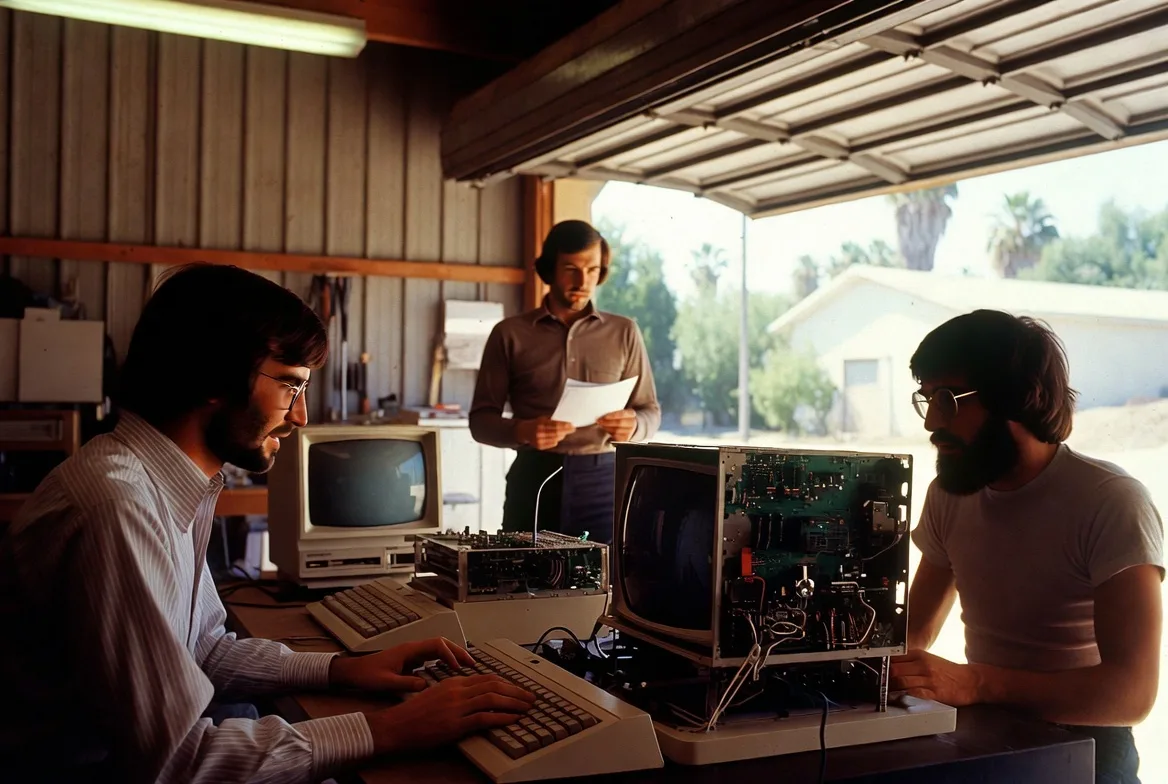
The Humble Beginnings of Apple Computer Company
Apple’s journey started in a modest garage in Los Altos, California, on April 1, 1976. Steve Jobs, Steve Wozniak, and Ronald Wayne formed a partnership to build and sell personal computers. At 41, Wayne was the “adult in the room,” bringing two decades of engineering and business experience to the ambitious but inexperienced duo in their mid-20s.
Wayne drafted the original partnership agreement, designed Apple’s first logo, and authored the operations manual for the Apple I computer. His contributions provided crucial administrative stability during those chaotic early days. Jobs and Wozniak each held 45% stakes, while Wayne received 10% as a tiebreaker for potential disputes.
The trio operated under significant uncertainty. Personal computers were unproven, competition loomed, and financial risks were high. Wayne, having experienced a previous business failure, worried about unlimited personal liability in the partnership structure. Just 12 days later, on April 12, 1976, he sold his stake back to his partners for $800.
This Ronald Wayne Apple exit marked the end of his brief but foundational role. Later, upon Apple’s incorporation, he received an additional $1,500 to relinquish any future claims, bringing his total compensation to about $2,300.
Why Ronald Wayne Chose to Exit Apple Early
Understanding Ronald Wayne’s reasoning requires context of the era and his personal situation. In 1976, the tech landscape was volatile. Wayne had already faced financial setbacks and was wary of the intense, whirlwind energy of Jobs and Wozniak.
“I couldn’t risk it,” Wayne later reflected. “I had already had a rather unfortunate business experience. I was getting too old and those two men were whirlwinds. It was like having a tiger by the tail.” He feared potential debt and stress could lead to personal ruin.
At the time, Apple was far from the juggernaut it became. The company produced the Apple I, a kit computer for hobbyists, with limited commercial success initially. Wayne prioritized peace of mind and stability over speculative upside. His decision reflected sound judgment based on available information, not lack of vision.
This Apple co-founder exit story resonates because it humanizes the uncertainties every startup faces. Many entrepreneurs today face similar dilemmas when weighing security against potential riches.

The Astronomical What-If: Valuing Ronald Wayne’s Lost Stake
Had Ronald Wayne retained his 10% stake, the numbers are mind-boggling. Apple’s current market cap hovers around $4.5 trillion as of 2026. A straight 10% share would equate to roughly $450 billion, though real-world factors like stock dilutions, multiple financing rounds, and the 1980 IPO would have reduced that figure significantly.
Even conservative estimates place the hypothetical value in the hundreds of billions. This Ronald Wayne Apple stake would rank him among the wealthiest individuals globally, surpassing many tech billionaires. Yet Wayne has consistently stated he harbors no regrets.
In recent interviews at age 91-92, Wayne emphasizes living with clarity and integrity. “My success has never been defined by money. It’s been defined by acting with clarity, integrity, and sound judgment,” he shared. He believes staying might have led to an early grave due to stress.
This perspective offers profound lessons on wealth, happiness, and decision-making. Not every missed opportunity equates to lifelong failure. Wayne built a life on his terms, authoring books like Adventures of an Apple Founder and pursuing interests in engineering ethics and collectibles.
Revolutionary iPad Fold Leak Unveils Apple’s 5 Bold Foldable Strategies
Ronald Wayne’s Life After the Apple Exit
Post-Apple, Wayne continued his career in engineering and product development. He worked at various tech firms but never chased Silicon Valley fame or fortune. He eventually settled in Pahrump, Nevada, living a relatively quiet existence, occasionally selling stamps and coins.
Wayne’s story contrasts sharply with the legendary trajectories of Jobs and Wozniak. While they built Apple into a global icon, Wayne found contentment away from the spotlight. He has reflected positively on his contributions, including the foundational documents and designs that helped launch the company.
His later years include public appearances sharing insights on entrepreneurship. Wayne advises younger generations to prioritize personal well-being alongside ambition. This balanced view enriches the Ronald Wayne Apple narrative beyond simple regret.

Key Lessons from Ronald Wayne’s Apple Decision
Risk Assessment in Entrepreneurship
Ronald Wayne’s exit highlights the importance of thorough risk evaluation. Partnerships carry personal liabilities, especially pre-incorporation. Modern founders benefit from LLCs and corporations that limit exposure, but the core principle remains: align ventures with personal risk tolerance.
The Role of Timing and Perspective
Decisions made with incomplete information can yield unexpected outcomes. Wayne acted rationally given 1976 realities. Hindsight bias often distorts these stories, ignoring contemporary uncertainties. Entrepreneurs should focus on informed choices rather than perfect foresight.
Wealth vs. Well-Being
Wayne’s insistence on no regrets challenges the narrative that maximum wealth equals maximum happiness. Many high-achievers face burnout, health issues, and strained relationships. His story encourages defining success holistically.
Legacy Beyond Financials
Though Wayne missed billions, his early contributions shaped Apple. The first logo, manual, and partnership framework laid groundwork for success. Impact isn’t solely measured in stock options.
Broader Implications for Today’s Tech Founders
The Ronald Wayne Apple tale echoes in modern startup culture. Founders grapple with equity dilution, investor pressures, and exit strategies. Stories like WhatsApp co-founders or early Google employees illustrate similar dynamics, though few match this scale.
In the AI and tech boom of 2026, rapid valuations amplify these stakes. Entrepreneurs should study historical cases like Wayne’s for balanced decision frameworks. Mentorship, legal protections, and personal boundaries matter as much as innovation.

Comparing Ronald Wayne to Other Famous Tech Exits
History features several notable early departures. Consider the Atari engineers who missed opportunities or executives leaving promising firms. Wayne’s case stands out due to Apple’s unparalleled growth into a multi-trillion-dollar powerhouse.
Unlike some who lament missed chances, Wayne models graceful acceptance. This mindset differentiates him and offers a template for handling life’s “what ifs.”
Ronald Wayne’s Enduring Influence on Business Philosophy
Wayne’s writings and interviews explore ethics, monetary systems, and long-term stability. His experiences inform critiques of unchecked ambition in tech. In an era of hustle culture, his emphasis on sustainability resonates.
Aspiring founders can draw inspiration from his polymath approach—blending technical skill with administrative wisdom. The Apple co-founder exit reminds us that supporting roles prove vital to success.
Reflections on 50 Years of Apple Innovation
Since Wayne’s departure, Apple revolutionized personal computing, mobile devices, and digital ecosystems. Products like the iPhone, Mac, and services ecosystem generated unprecedented value. Apple’s 2026 market position reflects visionary leadership and relentless execution.
Wayne’s brief involvement connects him indelibly to this legacy. His story enriches Apple’s folklore, humanizing the company’s origins.


Practical Advice for Entrepreneurs Facing Tough Choices
- Evaluate Personal Risk Tolerance: Align opportunities with life stage and responsibilities.
- Seek Professional Counsel: Consult lawyers and mentors before major commitments.
- Document Contributions: Protect intellectual and operational inputs.
- Focus on Long-Term Fulfillment: Prioritize values beyond financial metrics.
- Learn from History: Study cases like Ronald Wayne Apple for timeless insights.
These principles help navigate uncertainties in competitive landscapes.
The Human Element in Tech Success Stories
Ronald Wayne’s narrative reminds us tech empires rest on human decisions, fears, and aspirations. Behind billion-dollar valuations lie personal stories of sacrifice, doubt, and resilience.
Wayne’s peace with his choice offers comfort to anyone facing regret over past business moves. Life encompasses more than balance sheets. Relationships, health, and intellectual pursuits hold equal or greater value.
A Story of Choices and Contentment
Ronald Wayne’s Apple exit for $800 remains one of business history’s most compelling anecdotes. The potential $450 billion stake represents an extraordinary missed financial opportunity, yet Wayne’s lack of regret reveals deeper wisdom.
His journey from co-founder to independent thinker exemplifies living authentically. As Apple continues thriving in 2026, Wayne’s legacy endures—not in boardrooms but in lessons on risk, resilience, and redefining success.
Entrepreneurs everywhere can reflect on this powerful story. The next big decision might not yield billions, but choosing with integrity and self-awareness creates its own profound rewards. In the end, Ronald Wayne’s Apple chapter teaches that true wealth lies in a life well-lived according to one’s principles.
Discover more from TECH-BRUNCH
Subscribe to get the latest posts sent to your email.