Apple iPhone sales continue to demonstrate remarkable resilience and growth, defying broader smartphone market challenges and solidifying the company’s dominant position in premium mobile technology. As we move through 2026, Apple’s flagship device line shows no signs of slowing down, with record shipments, strong revenue figures, and expanding market influence driving unprecedented success.
This comprehensive analysis explores the key drivers behind Apple’s unstoppable iPhone momentum, examining sales data, technological innovations, market strategies, and future outlook. From record-breaking 2025 performance carrying into 2026 to strategic expansions in emerging markets, Apple’s approach continues to captivate consumers worldwide.

The Record-Breaking Surge in Apple iPhone Sales
Apple iPhone sales achieved new heights in 2025, shipping approximately 247 million units globally—a significant increase from previous years and surpassing the prior record set in 2021. This impressive volume translated into iPhone revenue exceeding $209 billion, accounting for roughly half of Apple’s total company revenue.
In early 2026, the trend persisted strongly. Apple’s Q1 2026 iPhone sales volume in the United States rose 1.3% year-over-year, even as the overall smartphone market declined by 5.7%. This outperformance highlights the enduring appeal of iPhones amid economic pressures affecting competitors.
Analysts point to robust demand for the iPhone 17 series as a major catalyst. Carryover demand from supply constraints in late 2025, combined with higher-than-expected interest in base models, helped Apple recalibrate production effectively. The company’s market share in key US carriers grew notably, reaching as high as 77% at Verizon.
Global Impact and Revenue Milestones
Apple’s iPhone business generated record quarterly revenues, with one standout period seeing iPhone sales hit $85.3 billion. This performance contributed to Apple’s overall quarterly revenue surpassing $143 billion in early 2026 reports. The premium positioning of iPhones, with higher average selling prices around $900, continues to boost profitability even in competitive landscapes.
These figures underscore why Apple iPhone sales appear unstoppable: a combination of loyal customer base exceeding 1.5 billion active units worldwide, strategic product refreshes, and effective ecosystem lock-in.

Innovation Driving Apple iPhone Demand:
Apple Intelligence and AI Features Transforming User Experience
One of the most powerful factors propelling Apple iPhone sales is the integration of advanced Apple Intelligence features. These AI-powered capabilities enhance everyday tasks, from smarter Siri interactions to on-device processing that prioritizes privacy and efficiency.
Consumers are drawn to how these features make iPhones more intuitive and productive. The iPhone 17 series, in particular, showcased these advancements, leading to higher upgrade rates among users who had delayed purchases for years. Pent-up demand from over 300 million potential upgraders worldwide played a significant role in recent sales spikes.
Apple’s partnerships, including deals involving Google Gemini technology for enhanced AI functionalities, signal a proactive approach to staying ahead in the artificial intelligence race. This focus not only attracts new buyers but encourages existing users to upgrade for the latest capabilities.
Camera, Design, and Performance Upgrades
The relentless improvement in iPhone hardware remains a cornerstone of its appeal. Advanced camera systems with superior low-light performance, computational photography, and professional-grade video recording continue to differentiate Apple devices.
Pro and Pro Max models, which often command premium pricing, accounted for over 50% of sales in key markets during strong quarters. The refined designs, durable materials, and powerful chipsets like the latest A-series or M-series integrations deliver performance that justifies the investment for professionals, creators, and everyday users alike.
Battery life enhancements, faster charging, and improved displays further contribute to the perceived value, making each new iPhone iteration a compelling purchase.
Market Share Dominance and Competitive Edge
Apple maintains a commanding presence in premium smartphone segments. In the United States, iPhones hold approximately 54-58% market share, with five of the top 10 best-selling smartphone models often being Apple devices.
Globally, while overall market share hovers around 17-20%, Apple’s focus on high-margin devices ensures strong financial results. The iPhone 16 and 17 series dominated sales charts, with base models frequently outselling competitors’ flagships by significant margins.
Outperforming in Challenging Markets
In China, despite intense local competition, Apple iPhone sales showed resilience with periodic growth spurts driven by new model launches. Strategic pricing adjustments and trade-in programs helped maintain momentum.
In India, Apple’s expansion efforts are paying dividends. Production in the country has ramped up dramatically, now accounting for about 25% of global iPhone manufacturing. This shift not only mitigates supply chain risks but also supports stronger market penetration in one of the world’s fastest-growing smartphone markets.
Strategic Business Moves Fueling Growth
Ecosystem and Services Integration
Apple’s services business, with over 1.2 billion subscribers, creates powerful synergies with iPhone hardware. From Apple Music and iCloud to Apple Pay and Arcade, these offerings increase customer lifetime value and reduce churn.
Users invested in the Apple ecosystem are more likely to upgrade their iPhones to maintain seamless compatibility and access new features. This “ecosystem moat” is a key reason behind the unstoppable nature of Apple iPhone sales.
Supply Chain Optimization and Production Shifts
Apple’s diversification of manufacturing away from heavy reliance on single regions demonstrates forward-thinking risk management. Increased production in India and other locations ensures supply stability, which was crucial during the strong 2025-2026 sales periods.
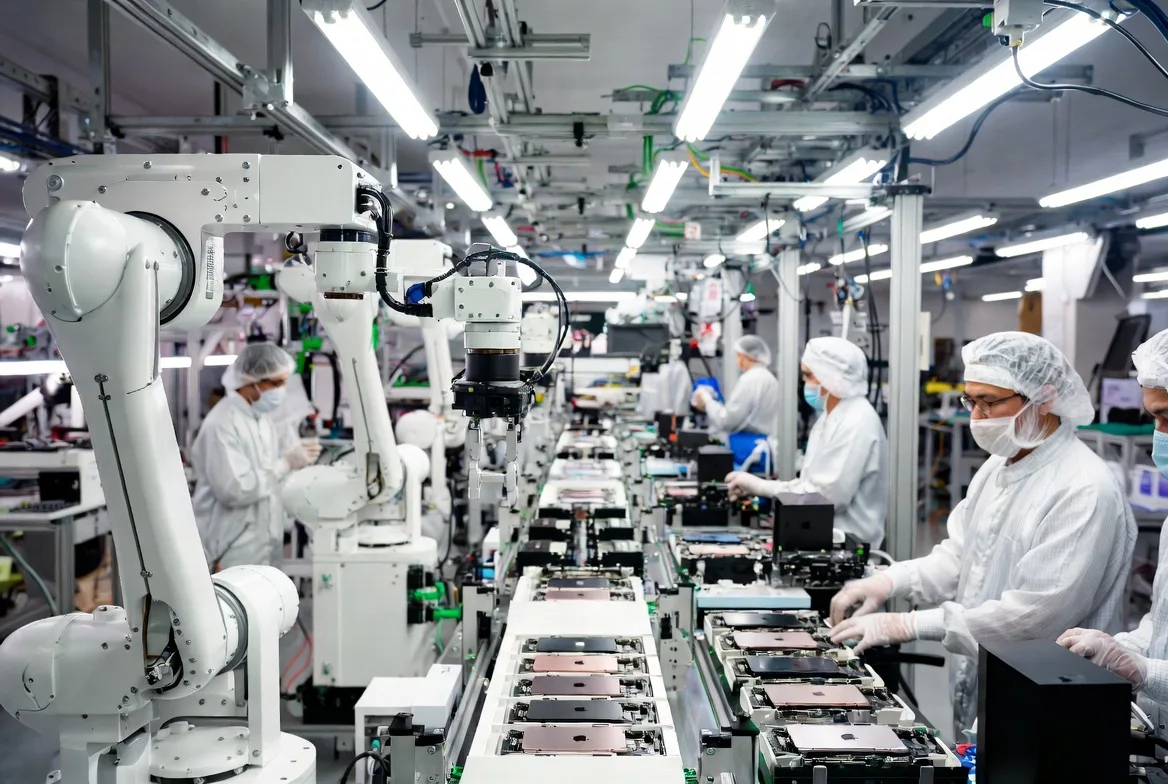
Component sourcing strategies and relationships with suppliers allow Apple to maintain quality while scaling production to meet explosive demand.
Consumer Behavior and Upgrade Cycles
Understanding why consumers keep choosing iPhones reveals deeper insights into sustained sales success:
- Brand Loyalty: Apple enjoys some of the highest customer satisfaction and loyalty scores in the industry.
- Status and Perception: The iPhone remains a premium status symbol in many cultures.
- Longevity: iPhones receive software updates for many years, extending their useful life while still encouraging upgrades for new features.
- Trade-in Programs: Attractive trade-in values lower the barrier for upgrading.
Data indicates that many users upgrading in 2025-2026 had devices over four years old, representing a massive wave of pent-up demand finally being realized.
Regional Performance Breakdown
United States Leadership
The US market continues to be Apple’s stronghold. Strong carrier partnerships and consistent market share gains, even during overall market contractions, demonstrate the depth of consumer preference for iPhones.
Emerging Markets Expansion
In regions like India, Southeast Asia, and parts of Latin America, rising middle classes are embracing premium smartphones. Apple’s localized marketing, financing options, and manufacturing investments position it well for future growth.
Europe and Other Developed Markets
Steady performance in Europe, with notable successes in the UK and other countries, adds to the global picture of consistent demand.
Challenges and Potential Headwinds
While Apple iPhone sales appear unstoppable, the company faces realities such as potential market saturation in developed regions, geopolitical tensions affecting supply chains, and increasing competition from Android manufacturers in value segments.
However, Apple’s history of innovation and adaptation suggests it is well-equipped to navigate these challenges. Projections for continued growth through 2027 and beyond remain optimistic among many analysts.
The Role of Marketing and Brand Power
Apple’s marketing prowess plays a vital role in sustaining hype and desire for new iPhones. Iconic product launches, celebrity endorsements, and emotional advertising campaigns create cultural moments that drive sales.
Word-of-mouth from satisfied users, combined with strong retail experiences in Apple Stores worldwide, reinforces the premium positioning.
Sustainability and Corporate Responsibility
Increasing focus on environmental initiatives, such as recycled materials and carbon-neutral goals, appeals to conscious consumers and enhances brand image, indirectly supporting sales.
Future Outlook for Apple iPhone Sales
Looking ahead, several trends point to sustained momentum:
- Deeper AI integration across hardware and software.
- Potential foldable or new form factor explorations.
- Continued services growth complementing hardware sales.
- Expansion into automotive or other adjacent technologies leveraging iPhone capabilities.
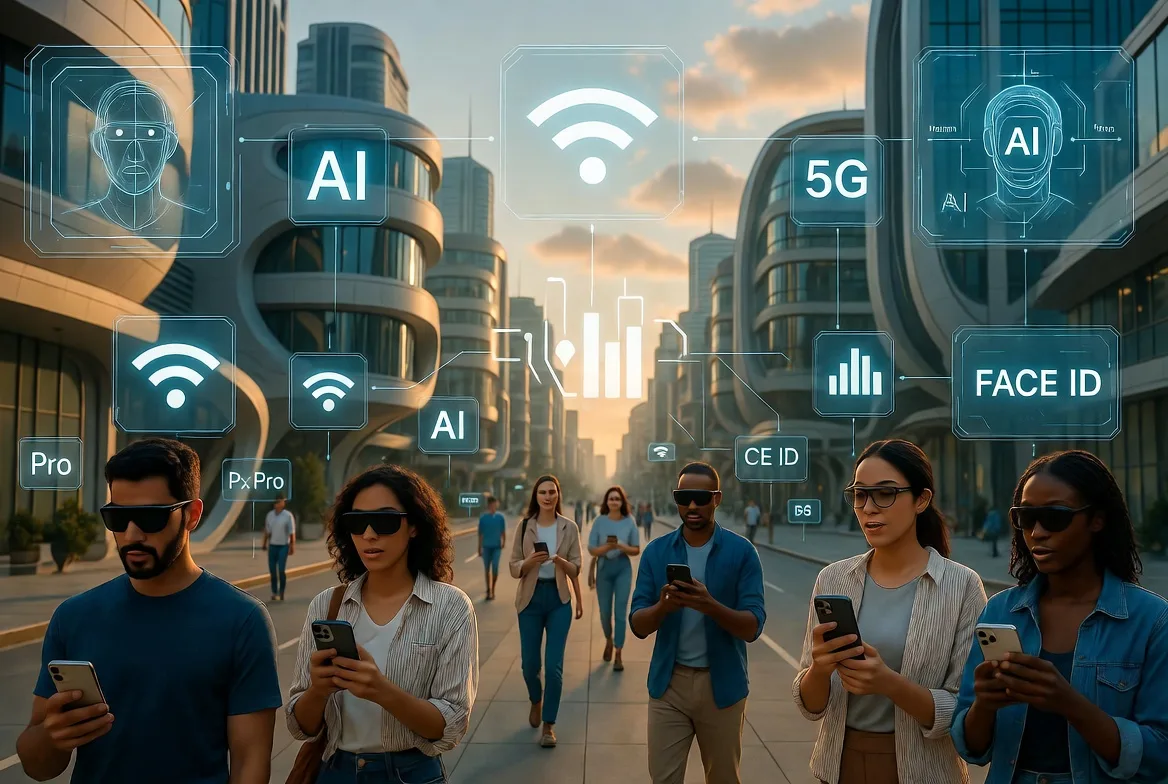
Apple’s massive installed base provides a foundation for recurring revenue and upgrade opportunities for years to come. With over 2.5 billion active Apple devices globally, the network effects are powerful.
Investment and Economic Implications
For investors, Apple’s consistent iPhone performance translates into stock stability and growth. The company’s record net income figures in recent years reflect the financial strength derived from its core product.
Economically, Apple’s success supports thousands of jobs in manufacturing, retail, and app development ecosystems worldwide.
Why Apple iPhone Sales Remain a Benchmark
The combination of technological excellence, strategic execution, and deep consumer connection creates a virtuous cycle. Each successful launch builds anticipation for the next, maintaining relevance in a fast-changing tech landscape.
Experts highlight that Apple’s focus on user experience, privacy, and seamless integration sets it apart from competitors chasing specifications alone.
Lessons for the Industry
Other manufacturers can learn from Apple’s playbook: invest in long-term software support, build robust ecosystems, prioritize quality over quantity, and adapt manufacturing footprints proactively.
The Unstoppable Momentum Continues
Apple iPhone sales have proven remarkably resilient, achieving new records and outperforming markets even in uncertain times. With 247 million units shipped in 2025, strong early 2026 results, and a clear roadmap for innovation, the future looks bright for Apple’s flagship product.
As consumer preferences evolve toward smarter, more integrated devices, Apple remains perfectly positioned to lead. The explosive growth factors—from AI advancements to market expansions—ensure that iPhone sales will likely remain a dominant force for the foreseeable future.
This detailed examination reveals not just current success but the structural advantages that make Apple iPhone sales truly unstoppable. Businesses, consumers, and investors alike continue to watch Apple’s moves closely, as the company redefines what a smartphone can achieve in the modern era.
Discover more from TECH-BRUNCH
Subscribe to get the latest posts sent to your email.