Prepaid electricity has completely transformed how Cape Town residents manage their power costs in 2026. No more surprise bills at the end of the month—just smart, upfront purchases that give you total control over spending. Whether you live in a bustling apartment in the City Bowl or a family home in the Southern Suburbs, switching to or mastering prepaid meters delivers real savings and peace of mind. This guide reveals exactly how it works, the easiest ways to buy tokens, and seven game-changing hacks that can cut your monthly expenses by hundreds of rands.
With electricity tariffs rising again this year, millions of South Africans rely on prepaid systems to stay within budget. The good news? Cape Town makes buying and managing prepaid electricity simpler than ever through official apps, bank portals, and local stores. In this comprehensive article, you will discover everything you need to know to save money, avoid common pitfalls, and even prepare for the smart meter upgrades rolling out nationwide.
What Is Prepaid Electricity and How Does It Work in South Africa?
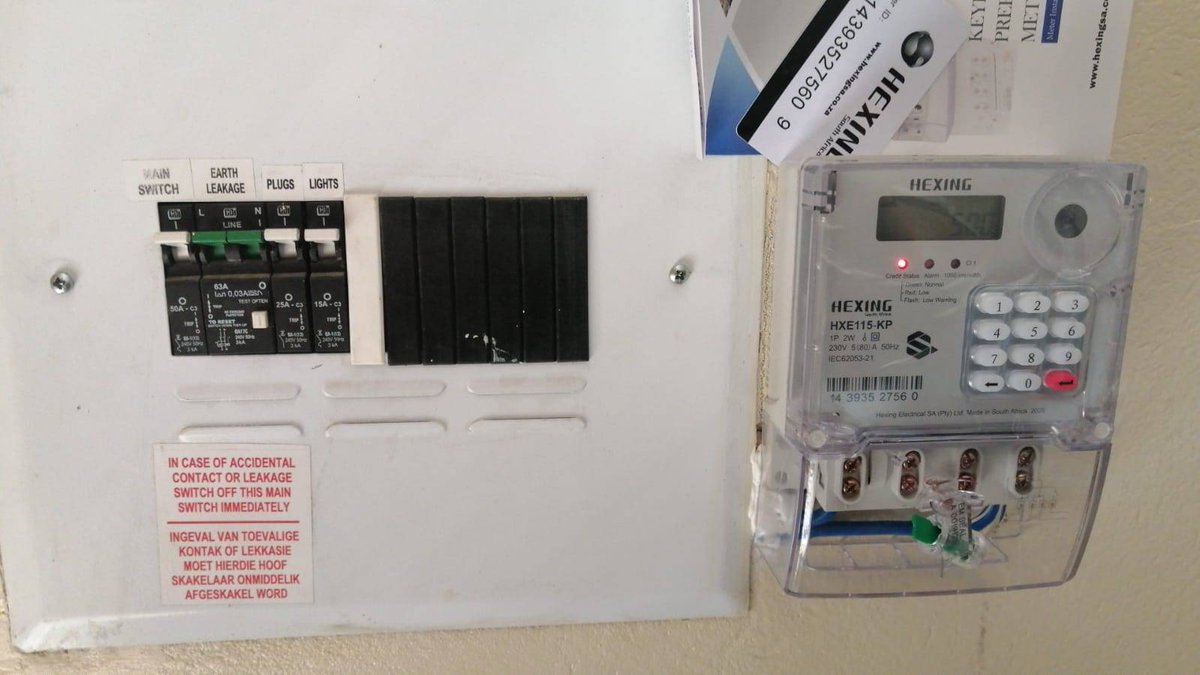
Prepaid electricity works like a pay-as-you-go mobile plan for your home power supply. You purchase electricity units (measured in kilowatt-hours or kWh) before using them. Once loaded, your meter automatically deducts units as appliances run—lights, fridge, geyser, everything. When credit runs low, the meter warns you with beeps or a flashing display so you never get caught in the dark.
In Cape Town, the City of Cape Town manages most residential prepaid meters. The system uses inclining block tariffs, meaning the first blocks of units each month cost less per kWh. Low-income households on the Lifeline tariff even receive 50–60 free kWh every month after their first purchase. This structure rewards careful users and helps stretch every rand further.
Modern prepaid meters in Cape Town are digital with keypads where you enter a 20-digit token code. Some newer smart split meters have an indoor display unit and an outdoor meter for added security against tampering. The meter tracks usage in real time, giving you instant feedback on how much power your household consumes daily.
Why Prepaid Electricity Delivers Massive Benefits for Cape Town Homes
The shift to prepaid electricity brings several powerful advantages that post-paid accounts simply cannot match. First, you gain complete budgeting control—no nasty surprises when the bill arrives. Families report saving up to 20–30 percent simply because they monitor usage closely and top up only what they need.
Second, you avoid disconnection stress. With prepaid, power stays on as long as you have credit. Third, many users qualify for free basic electricity units automatically each calendar month. Finally, prepaid meters encourage energy awareness, leading to smarter habits like turning off unused lights or upgrading to efficient appliances.
In 2026, with ongoing tariff hikes and load-shedding risks reduced but not eliminated, prepaid systems also integrate better with solar backups. Homeowners combining prepaid meters with small solar generators enjoy even greater independence and lower long-term costs.
Step-by-Step Guide to Buying Prepaid Electricity Tokens in Cape Town
Buying tokens has never been more convenient. You only need your 11- or 13-digit meter number (printed on the meter itself or your previous token receipt). Here is how most Cape Town residents do it successfully every month.
Official Online Vendors and City-Approved Platforms
The City of Cape Town recommends trusted third-party vendors for fast, secure purchases. Popular options include Electricity.co.za, Prepaid24.co.za, Power24.co.za, and EasyPay. Simply register once, add your meter number, and buy via EFT or card. Tokens arrive instantly by SMS or email—ready to enter on your keypad.
Many users love Prepaid24 and Powertime for their user-friendly apps available on Android and iOS. These platforms also send low-balance alerts and monthly usage reports, helping you stay ahead.
Bank Apps, USSD, and Internet Banking
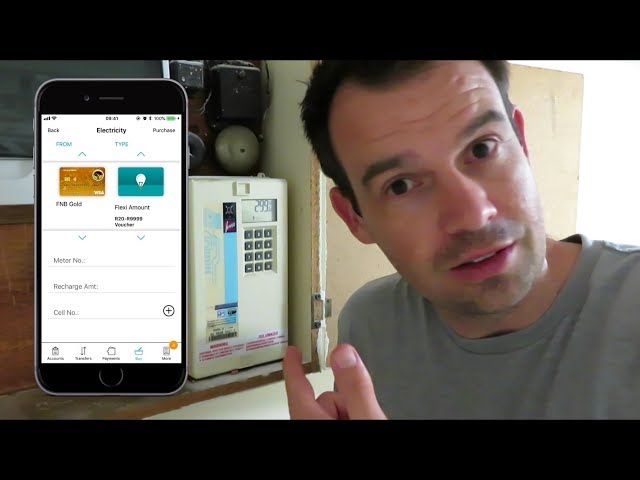
All major South African banks make buying effortless. FNB, Capitec, Nedbank, Absa, and Standard Bank let you purchase directly in their apps or via internet banking. No registration with extra vendors needed—just search for “buy electricity,” enter your meter number, and pay.
For those without smartphones, USSD codes work perfectly. Nedbank users dial 120001# while other banks offer similar short codes. ATMs across Cape Town also support quick top-ups.
Retail Stores, Supermarkets, and Vending Machines
Traditional options remain popular for cash buyers. Head to Pick n Pay, Spar, Checkers, or any Flash shop and provide your meter number. Pay cash or card and receive your 20-digit token on a printed slip. Petrol stations and corner shops throughout Cape Town also sell tokens 24/7 in many areas.
Smart Tips When Buying Tokens
Always buy at the beginning of the month to maximise cheaper tariff blocks and secure your full free units if you qualify. Purchase only what you realistically need—overbuying pushes you into expensive higher blocks later. Keep receipts or screenshots of tokens until you successfully load them.
7 Revolutionary Prepaid Electricity Hacks That Save Hundreds Every Month
These practical strategies go beyond basic buying and deliver measurable results for Cape Town households.
Hack 1: Time Your Purchases Perfectly
Buy your main monthly allocation on the 1st or early in the month. This locks in the lowest tariff rates and ensures you claim any free basic electricity before the allocation window closes. Top up small amounts later only if needed.
Hack 2: Switch to Energy-Efficient Appliances and LED Lighting
Replace old bulbs with LEDs that use up to 80 percent less power. Upgrade your geyser blanket, fridge, and washing machine to A+ rated models. These small investments pay for themselves within months through reduced unit consumption.
Hack 3: Install a Small Solar Generator or Panels
Pair your prepaid meter with a portable solar system like EcoFlow units. Even basic setups offset evening usage, stretching your purchased units dramatically. Many Cape Town homes now run lights and TVs entirely on solar during the day.
Hack 4: Monitor Usage with Apps and Meter Displays
Check your meter’s daily consumption display regularly. Use vendor apps for detailed reports. Identify high-drain appliances (geyser, pool pump, old aircons) and adjust habits—shower quicker, run full dishwasher loads only.
Hack 5: Use Timers and Smart Plugs
Set geysers and pool pumps on timers. Smart plugs turn off standby devices automatically. These tiny changes can save 10–15 percent without any lifestyle sacrifice.
Hack 6: Understand and Stay Within Tariff Blocks
Learn your meter’s inclining blocks. Aim to stay under the first two cheaper tiers monthly. Families of four typically manage on 400–600 kWh—track your average and adjust accordingly.
Hack 7: Combine Prepaid with Free Basic Electricity Applications
If your household income qualifies, apply for the Lifeline tariff through the City of Cape Town. This automatically adds extra free units each month after your first purchase, giving an instant saving most people overlook.
-2.png "7 Revolutionary Prepaid Electricity Hacks That Slash Your Bills in Cape Town 27")
Common Prepaid Electricity Meter Problems and Quick Fixes
Even the best systems occasionally glitch. The most frequent issue is communication error (Conn_FAIL or E07) between indoor keypad and outdoor meter. Fix it by plugging the keypad into the nearest socket to the outdoor unit and waiting two minutes.
Other errors include “old token” messages (simply buy fresh ones) or blank screens (usually a loose connection or power surge—reset by switching off the main breaker for 30 seconds). Tampering attempts trigger automatic locks, so never attempt bypasses.
If tokens fail to load, double-check the 20-digit code for typos and ensure you bought from an accredited vendor. For persistent issues, contact City of Cape Town call centre or your meter vendor directly—they resolve most problems remotely.
The Future of Prepaid Electricity in Cape Town and South Africa
From January 2026, revised national rules introduced smarter prepaid meters with better remote monitoring and automatic top-up options. Cape Town leads the rollout, integrating solar-ready smart meters that communicate usage data directly to your phone.
Expect more loyalty rewards, predictive low-balance alerts, and seamless integration with banking apps. Prepaid systems will also support time-of-use pricing, rewarding users who shift heavy usage to off-peak hours.
With rising tariffs and growing solar adoption, prepaid electricity positions Cape Town residents perfectly for energy independence in the years ahead.

Final Thoughts: Start Saving Today with Prepaid Electricity
Prepaid electricity in Cape Town offers unmatched control, transparency, and savings potential when used wisely. By following the buying methods, applying the seven revolutionary hacks, and staying alert to common issues, most households easily reduce their power spend by hundreds of rands monthly.
Whether you are a first-time renter or a long-time homeowner, now is the perfect time to optimise your prepaid setup. Download a trusted app, register your meter, and begin tracking usage today. Small consistent changes deliver big results—lower bills, less stress, and more money for what truly matters.
Take control of your electricity future right now. Your wallet and your home will thank you for it. For the latest City of Cape Town updates or vendor lists, visit their official site or simply ask at your nearest supermarket. Smart power management starts with one simple token purchase—make it count.
Discover more from TECH-BRUNCH
Subscribe to get the latest posts sent to your email.