In a groundbreaking moment that’s sending shockwaves through the global tech industry, China’s Honor has unveiled its revolutionary Robot Phone and first-ever humanoid companion at MWC Barcelona 2026, marking a seismic shift in the push toward AI-integrated hardware. This debut, held on March 1, 2026, showcases Honor’s aggressive pivot from traditional smartphones to embodied AI devices that blend robotics, intelligence, and everyday functionality. For tech enthusiasts in Cape Town, where the Silicon Cape ecosystem is buzzing with innovations in AI and mobile tech, this launch offers a glimpse into a future where devices aren’t just tools but interactive companions.
As South Africa’s Western Cape continues to foster startups exploring similar AI frontiers, Honor’s move could inspire local developers to rethink hardware design amid growing global competition. With the Robot Phone featuring a motorized gimbal camera that moves like a living entity and the humanoid robot poised as a versatile assistant, Honor is betting big on a $10 billion AI investment plan over five years to redefine consumer electronics.
The excitement surrounding this launch stems from Honor’s ALPHA PLAN, a strategic roadmap unveiled last year at MWC, aimed at embedding AI into hardware that understands and interacts with users on a deeper level. Unlike static smartphones from competitors like Samsung or Apple, Honor’s new offerings promise “embodied intelligence,” where devices physically respond to their environment. This isn’t just hype; it’s a calculated response to the AI hardware race, where companies like Tesla and Boston Dynamics are already exploring humanoid robotics.
For users in dynamic urban hubs like Cape Town, where professionals juggle remote work and creative pursuits, these innovations could transform daily routines, from content creation to personal assistance. As we dive deeper into the details, this article explores the origins, features, implications, and future of Honor’s bold foray, backed by insights from the event and industry experts.
The Spark Behind Honor’s Revolutionary AI Hardware Revolution
Honor’s journey into AI hardware didn’t start overnight. Once a sub-brand of Huawei, Honor gained independence in 2020 amid US-China trade tensions and has since carved out a niche in premium Android devices. The company’s push into AI accelerated with the Magic series, incorporating features like eye-tracking and generative AI. At MWC 2025, Honor teased the ALPHA PLAN, pledging $10 billion over five years to develop AI-centric products beyond phones. This vision materialized at MWC 2026, where CEO George Zhao emphasized creating “a new species of smartphone” that fuses robotics with mobile tech.
The Robot Phone and humanoid companion are direct outcomes of this plan, addressing pain points in content creation and personal assistance. In a market saturated with foldables and AI software tweaks, Honor’s hardware innovation stands out. For instance, the Robot Phone’s gimbal camera solves shaky video issues for vloggers, while the humanoid robot taps into the growing demand for home assistants. Analysts at Bloomberg note this as Honor’s bid to differentiate in the Android space, where AI hardware could drive 20% market growth by 2030. In Cape Town’s creative scene, where filmmakers and influencers thrive, such devices could lower barriers to professional-grade production.
This debut also reflects China’s broader tech ambitions. As the world’s largest smartphone market, China is home to aggressive AI investments, with companies like Xiaomi and Oppo exploring similar territories. Honor’s launch aligns with national goals to lead in AI by 2030, potentially exporting these innovations to emerging markets like South Africa.
Unveiling the Robot Phone: A Smartphone with a Robotic Soul
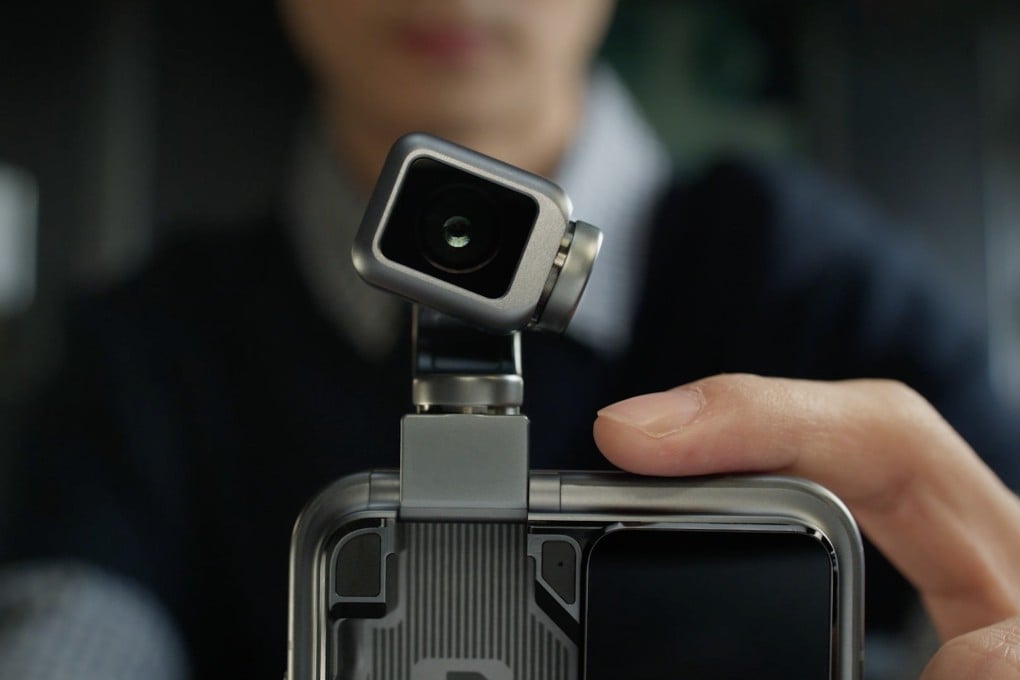
At the heart of Honor’s Revolutionary showcase is the Robot Phone, a device that blurs the lines between smartphone and robot. Described as “a new species,” it features the world’s smallest 4DoF (four degrees of freedom) gimbal system, reduced by 70% in motor size compared to traditional gimbals. This allows the 200MP camera to physically move, track subjects, and even “spinshot” for cinematic effects. Imagine filming a dynamic scene in Cape Town’s bustling markets—the phone’s AI detects motion and adjusts in real-time, delivering stabilized footage without external accessories.
The Robot Phone’s embodied AI goes beyond mechanics. It interacts playfully, with the camera nodding or tilting to express “emotions,” enhancing user engagement. Powered by Snapdragon 8 Elite Gen 5, it promises flagship performance with AI-driven features like real-time stabilization and object tracking. Weighing in at a slim profile, it’s not just a gimmick; it’s targeted at content creators who need portable, professional tools. Early demos at MWC showed it capturing smooth vlogs and group selfies effortlessly, outpacing static cameras in rivals like the Galaxy S26.
For South African users, the Robot Phone could revolutionize mobile photography amid the country’s diverse landscapes, from Table Mountain hikes to urban street art. Priced competitively (though details are pending), it’s set for a global rollout in H2 2026, with partnerships for localized AI features.

The Humanoid Companion: Honor’s Leap into Robotics
Complementing the Robot Phone is Honor’s first humanoid robot, a sleek assistant blending “personal intelligence” with edge AI. Unveiled with a dramatic backflip demo, this robot is designed for multifaceted roles: shopping aide, workplace inspector, or everyday companion. Leveraging Honor’s mobile expertise, it integrates seamlessly with smartphones, using revolutionary AI tech to navigate spaces, recognize objects, and interact via voice and gestures.
Unlike bulkier competitors like Tesla’s Optimus, Honor’s Revolutionary humanoid emphasizes affordability and integration, running on proprietary AI models for tasks like inventory checks or elderly care. At MWC, it assisted in unveiling the Robot Phone, showcasing synchronized operations. This push into humanoids taps into a market projected to reach $150 billion by 2035, with China leading in manufacturing.
In Cape Town, where smart home adoption is rising amid urban challenges, such a companion could handle security patrols or assist in small businesses. Honor plans revolutionary pilot programs in select markets, including potential African expansions, to refine its AI for diverse cultures.
7 Game-Changing Features Defining Honor’s AI Hardware Push
What makes Honor’s debut revolutionary? Here are seven standout features that could redefine the industry:
1. 4DoF Gimbal Innovation
The Robot Phone’s micro-gimbal offers industry-leading stabilization, reducing motor size by 70% for portable cinematic shots. Perfect for vloggers in motion-heavy environments like Cape Town’s adventure sports.
2. Embodied Revolutionary AI Interaction
Both devices feature “emotional” responses, with the phone’s camera tilting to engage users, fostering a companion-like bond.
3. 200MP Cinematic Camera
High-res imaging paired with AI spinshot delivers professional videos without extra gear.
4. Humanoid Versatility
The robot’s roles span from shopping to inspection, using edge AI for real-time decisions.
5. Seamless Ecosystem Integration
Sync with Honor’s Magic V6 foldable and MagicPad 4 for unified AI experiences.
6. Privacy-Focused AI
On-device processing ensures data security, appealing to privacy-conscious markets like South Africa.
7. Sustainable Design
Eco-friendly materials in the humanoid reduce environmental impact, aligning with global green tech trends.

Market Implications: How Honor’s Launch Shakes Up the AI Hardware Race
Honor’s debut intensifies the AI hardware competition. With Samsung’s Galaxy AI and Apple’s Intelligence, Honor’s robotic twist differentiates it in the Android arena. Analysts predict this could boost Honor’s market share from 8% to 12% by 2027, especially in emerging markets.
For Cape Town’s tech community, it highlights opportunities in Revolutionary AI hardware, potentially attracting investments from Chinese firms. Challenges include regulatory hurdles in humanoid deployment, but Honor’s focus on affordability could democratize access.
Challenges and Criticisms: Is the Hype Justified?
Not all feedback is glowing. Skeptics question the Robot Phone’s practicality—will the moving parts endure daily use? Battery life concerns loom for the energy-intensive gimbal. The humanoid faces ethical debates on privacy and job displacement.
Honor counters with rigorous testing and ethical AI guidelines, but real-world adoption will test the waters.
Future Horizons: What’s Next for Honor’s Revolutionary AI Ecosystem
Looking ahead, Honor plans a revolutionary commercial Robot Phone launches in Q3 2026, with humanoid betas in China first. Expansions to Africa could follow, leveraging partnerships. The ALPHA PLAN hints at more: AI wearables and smart homes.
In Cape Town, this could spur local collaborations, blending Honor’s revolutionary tech with African innovations.
A Bold Step Forward in AI Hardware
Honor’s MWC debut of the Robot Phone and humanoid companion is a revolutionary push that’s redefining AI hardware. With seven game-changing features, it’s not just innovative—it’s transformative. As Cape Town’s tech scene watches, this launch inspires a future where devices are true revolutionary companions.
Discover more from TECH-BRUNCH
Subscribe to get the latest posts sent to your email.