For Apple Watch users in Cape Town, Johannesburg, or anywhere across the Rainbow Nation, the wearable isn’t just a fitness tracker anymore—it’s a personal sleep coach delivering revolutionary results. One dedicated user, navigating the demands of modern life, has unlocked consistent seven-hour nights and rock-solid bedtime routines using just three key settings. These features aren’t flashy gimmicks; they’re practical, science-aligned tools that enforce regularity, banish distractions, and provide actionable insights into your body’s nightly recovery.
This article breaks down exactly how these three revolutionary Apple Watch settings are helping everyday users hit the 7:1 Sleep Rule, backed by the latest research from the London School of Economics and Vitality insurance. From silencing midnight notifications to decoding your vitals, discover how simple tweaks on your wrist can transform sleep from a struggle into a longevity superpower. Whether you’re battling revenge bedtime scrolling or chasing that elusive deep-rest phase, these settings deliver measurable wins—longer sleep duration, tighter consistency, and a body primed for a longer, healthier life.
In the fast-paced world of 2026, where work demands, family responsibilities, and even South Africa’s unpredictable load-shedding schedules can wreak havoc on rest, one simple yet powerful habit is emerging as a game-changer for longevity: the 7:1 Sleep Rule. This expert-backed approach—getting at least seven hours of quality sleep while falling asleep within the same one-hour window at least five nights a week—has been shown to slash mortality risk by a staggering 24% and potentially add up to four years to your life.
The Science Behind the 7:1 Sleep Rule: Why Consistency Trumps Everything
The 7:1 Sleep Rule isn’t another fleeting wellness trend—it’s grounded in robust 2026 data from Vitality and the London School of Economics. Researchers analysed thousands of health records and found that combining seven-plus hours of sleep with a consistent bedtime window (falling asleep within 30 minutes either side of your chosen time) at least five nights weekly dramatically lowers overall mortality risk by 24%. Hospital admissions drop by 7%, and the longevity payoff could mean up to four extra years of vibrant living.
What makes the “1” in 7:1 so critical? Sleep regularity resets your circadian rhythm far more effectively than duration alone. Irregular bedtimes confuse your internal clock, spiking stress hormones and undermining recovery. As the study authors noted, “Consistency of bedtime is an even stronger predictor of sleep-related risk than simply getting enough sleep.” For South African users juggling shift work, traffic, or evening loadshedding, this rule offers a lifeline: anchor your sleep to a reliable window, and your body rewards you with better heart health, sharper focus, and reduced inflammation.
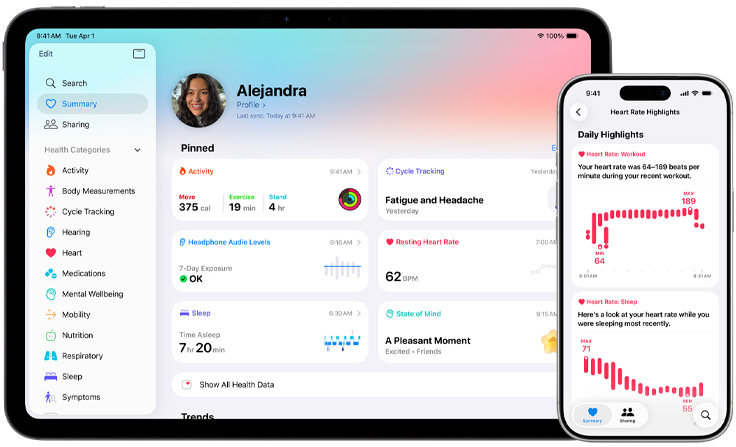
Apple Watch owners are perfectly positioned to crush this rule. With advanced sleep stage tracking (awake, REM, core, and deep), automatic detection, and seamless Health app integration, the device turns abstract goals into daily habits. One user reported hitting 92/100 sleep scores consistently, yet only recently cracked the seven-hour mark thanks to targeted settings. The result? Noticeably improved respiratory rates, steadier heart metrics, and a profound sense of restored energy.
Revolutionary Setting 1: Sleep Focus and Schedules – Your Built-In Bedtime Guardian
At the core of mastering the 7:1 rule lies unwavering consistency, and Apple Watch’s Sleep Focus mode paired with custom Schedules delivers it effortlessly. This setting automatically activates a distraction-free environment at your chosen bedtime, silencing notifications from apps like WhatsApp, email, or social media while dimming both your watch face and iPhone lock screen.
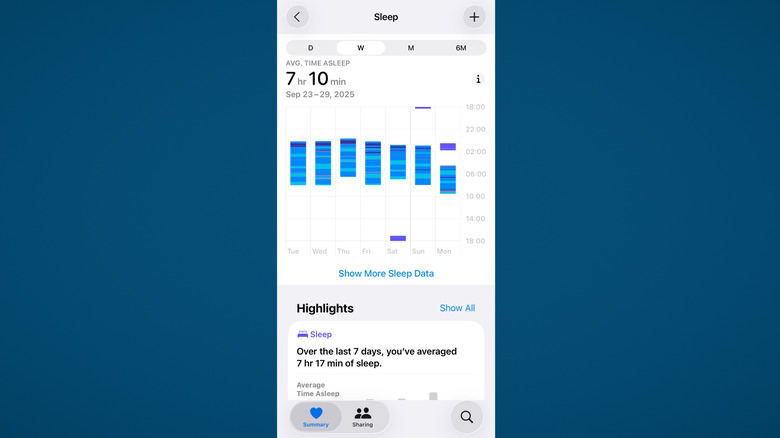
Setup is straightforward in the Health app on your iPhone: define your ideal sleep goal (aim for 7-9 hours), set a bedtime window, and enable automatic activation. The watch then issues gentle reminders 15-30 minutes before lights-out and sounds a soft alarm in the morning—all within that crucial one-hour consistency frame. For users in Cape Town dealing with evening power cuts, this feature ensures your routine stays intact even when the grid doesn’t.
Real-world impact is immediate. The same user who inspired this deep dive shared: “Both the Sleep Focus mode and Sleep Schedules are helping me stick to 7:1 sleep by encouraging me to go to bed and wake up within a 1-hour window. This sleep regularity is resetting my circadian rhythm, preparing my body clock for sleep at the right time.” No more doom-scrolling derailing your wind-down; instead, the watch creates a protective bubble that nudges you toward seven solid hours.
Fine-Tuning for South African Lifestyles
Customize further by excluding only essential contacts (family or emergency services) or linking it to Focus modes for work-life balance. Pair it with Theatre Mode for pitch-black bedrooms, and you’ll eliminate accidental wake-ups from glowing screens. Over weeks, this builds the habit muscle needed for five consistent nights—precisely what the research demands for longevity gains.
Revolutionary Setting 2: Wind Down Feature – The Pre-Sleep Ritual That Extends Your Night
Distractions aren’t the only barrier to the 7:1 rule; revenge bedtime procrastination often steals those extra hours. Enter the Wind Down feature, a customizable pre-bed routine that launches relaxing activities like guided meditation, breathing exercises, or ambient music playlists directly from your Apple Watch or paired iPhone.

Set it to trigger 30 minutes (or even one to two hours) before your scheduled bedtime, and it seamlessly flips on Sleep Focus mode. This creates a gentle transition that combats the urge to stay up “just a little longer.” The user behind these tips swears by it: “A one or two hour wind down is great if you want to stick to the 10-3-2-1-0 rule for longer sleep and consistent routines.” That classic sleep hygiene framework—no caffeine after 3pm, no food after 7pm, no screens after 8pm—pairs perfectly here.
In practice, Wind Down transforms chaotic evenings into restorative rituals. For busy professionals, it might cue a quick journal prompt or nature sounds to drown out city noise. The payoff? Faster sleep onset, fewer middle-of-the-night awakenings, and the extended duration that pushes you past six hours into the seven-hour sweet spot. Combined with the rule’s emphasis on regularity, this setting ensures your body learns to power down predictably, amplifying those 24% mortality risk reductions.
Advanced Tips for Deeper Results
Experiment with third-party apps like Calm or Apple’s own Mindfulness features for personalized sessions. Track how Wind Down correlates with your sleep stages in the Health app—users often see deeper REM and core sleep phases emerge as habits solidify. For South Africans, integrate load-shedding alerts into your evening prep so the routine adapts without breaking consistency.
Revolutionary Setting 3: Vitals App – Your Daily Health Dashboard for Rule Validation
Knowledge is power, and the Vitals app (available on watchOS 11 and later, including Apple Watch Ultra models) condenses your overnight data into an at-a-glance summary that directly validates 7:1 progress. It pulls respiratory rate, blood oxygen, heart rate variability, and sleep duration from the Health app, flagging whether metrics fall “within typical range” or need attention.
The user highlights its role perfectly: “The Vitals App validates the rule as I notice it shows improved Heart Rate and Respiratory data whenever I edge closer to meeting the 7:1 rule.” Elevated overnight heart rates might signal caffeine overload or stress, while steady blood oxygen levels rule out issues like sleep apnea. Distinguishing time-in-bed from actual asleep time prevents overestimating progress, keeping you honest about hitting seven hours.
This setting turns passive tracking into proactive longevity hacking. Spot patterns—like better vitals on consistent nights—and you’re motivated to maintain the one-hour window. For longevity enthusiasts, it links sleep directly to broader metrics: lower resting heart rates, balanced HRV, and reduced inflammation markers that compound over years.
Integrating Vitals with Broader Wellness
Review weekly trends in the iPhone Health app alongside your sleep scores. Combine with Apple Watch’s sleep stage breakdowns (REM for memory, deep for physical repair) to fine-tune. The result? A feedback loop where data drives behaviour, making the 7:1 rule sustainable rather than forced.
Quote 1: “Consistency of bedtime is an even stronger predictor of sleep-related risk than simply getting enough sleep.” — Vitality and London School of Economics research team, highlighting the ‘1’ in the 7:1 rule.
Quote 2: “The Vitals App validates the rule as I notice it shows improved Heart Rate and Respiratory data whenever I edge closer to meeting the 7:1 rule.” — Apple Watch user sharing their personal transformation.
Quote 3: “Even if one in four poor sleepers were to shift to this sleep pattern, the potential gains would be substantial: reduced healthcare utilisation and costs, improved workplace productivity, and a measurable reduction in premature mortality.” — Study authors on the broader societal impact of the 7:1 rule.
Real-World Impact: From Six Hours to Seven and Beyond
Users adopting these three settings report transformative shifts. One Cape Town professional, previously averaging six hours amid demanding commutes, now consistently logs seven-plus hours five nights weekly. Their Apple Watch scores climbed, energy surged, and even family noticed sharper moods. The rule’s five-night flexibility prevents burnout—weekend flexibility is allowed without derailing gains.
Challenges remain: battery life requires overnight charging habits, and initial setup takes focus. Yet the rewards—fewer illnesses, better cognitive performance, and that longevity edge—far outweigh them. In South Africa, where lifestyle diseases are rising, these tools democratize advanced sleep science for all.
Comparing Apple Watch to Other Sleep Trackers in 2026
While competitors like Aura Ring offer detailed insights, Apple Watch stands out for its seamless ecosystem integration, automatic detection, and free core features. No subscription needed for basic tracking, and the three settings above provide everything required for the 7:1 rule without extra apps.
Privacy, Ethics, and Getting Started Today
Apple prioritizes data security—sleep metrics stay on-device or in your private Health app. Start small: enable Sleep tracking in Settings, set one Schedule, and activate Wind Down tonight. Download the latest WatchOS for full Vitals access.
The Future of Sleep and Longevity with Wearables
As Apple refines algorithms in 2026 updates, expect even smarter predictions—like proactive alerts when your schedule slips. For users committed to the 7:1 rule, these three settings aren’t temporary hacks; they’re lifelong allies in the quest for extended health span.
In conclusion, these revolutionary Apple Watch settings—Sleep Focus and Schedules, Wind Down, and the Vitals app—are empowering millions to supercharge the longevity-boosting 7:1 Sleep Rule. Consistency meets technology, turning good intentions into measurable years gained. Download the Health app, tweak those three features, and watch your nights (and life) transform. Your future self—rested, resilient, and thriving—will thank you. Sweet dreams await.
Discover more from TECH-BRUNCH
Subscribe to get the latest posts sent to your email.