In a bold move that sent ripples across the tech and space industries, Amazon announced on April 14, 2026, its plan to acquire satellite operator Globalstar in an $11.57 billion deal. This strategic purchase isn’t just about expanding Amazon’s footprint in low-Earth orbit (LEO) connectivity—it’s set to reshape how everyday iPhone users stay connected, especially in remote or emergency situations. By integrating Globalstar’s advanced satellite infrastructure into its Amazon Leo network, Amazon is positioning itself as a formidable player in direct-to-device (D2D) communications, directly impacting Apple’s ecosystem.

For iPhone owners worldwide, including those in bustling cities like Cape Town or off-the-grid adventurers, this acquisition promises enhanced reliability for features like Emergency SOS via satellite. The deal, expected to close in 2027 pending regulatory approvals, includes Globalstar’s fleet of satellites, spectrum licenses, and operational expertise. Amazon has also secured a key partnership with Apple, ensuring seamless continuity and future upgrades for iPhone and Apple Watch satellite services. This isn’t merely corporate maneuvering; it’s a game-changer for consumer technology that could bridge connectivity gaps in ways we’ve never seen before.
As Amazon challenges competitors like SpaceX’s Starlink, the implications extend far beyond boardrooms. Users can expect more robust satellite features on current and upcoming iPhones, potentially unlocking new capabilities in messaging, location tracking, and even data services. This article explores the seven revolutionary ways this massive Globalstar acquisition boosts your iPhone experience, from immediate benefits to long-term transformations in global connectivity.
The $11.57 Billion Deal: Why Amazon Is Acquiring Globalstar Now
Amazon’s decision to buy Globalstar marks its largest acquisition since the 2017 Whole Foods purchase, signaling a serious commitment to space-based infrastructure. Globalstar, a pioneer in non-geostationary orbit satellites and mobile satellite services (MSS), brings critical assets to the table: an existing fleet of about two dozen satellites, global spectrum authorizations, and proven D2D technology.
This acquisition bolsters Amazon Leo, the company’s ambitious LEO satellite project aimed at providing broadband and now cellular-like connectivity worldwide. By adding Globalstar’s operations, Amazon accelerates its timeline for offering services beyond traditional terrestrial networks. Analysts note this move as a direct response to the rapid growth of satellite internet, where coverage in underserved areas has become a competitive edge.
Background on Globalstar’s Legacy in Satellite Communications
Globalstar has long been a key player in emergency and remote communications, powering features that millions rely on daily. Its partnership with Apple, which included a significant investment from Cupertino, laid the groundwork for iPhone’s satellite capabilities introduced with the iPhone 14 series. Under the new agreement, Amazon Leo will take over as the primary provider for these services starting around 2028, while maintaining full support for existing features.
This transition ensures no disruption for iPhone users, but it paves the way for expanded functionality. Amazon plans to integrate Globalstar’s assets alongside its own Leo satellites, creating a hybrid network capable of handling voice, data, and messaging directly to consumer devices.
How This Acquisition Strengthens Amazon’s Partnership with Apple
One of the most user-facing outcomes is the reinforced collaboration between Amazon and Apple. The two tech giants announced that Amazon Leo will power satellite services for iPhone and Apple Watch, including Emergency SOS. This means iPhone owners can continue texting emergency services, sharing locations, or messaging contacts when cellular and Wi-Fi are unavailable—now backed by Amazon’s expanding infrastructure.
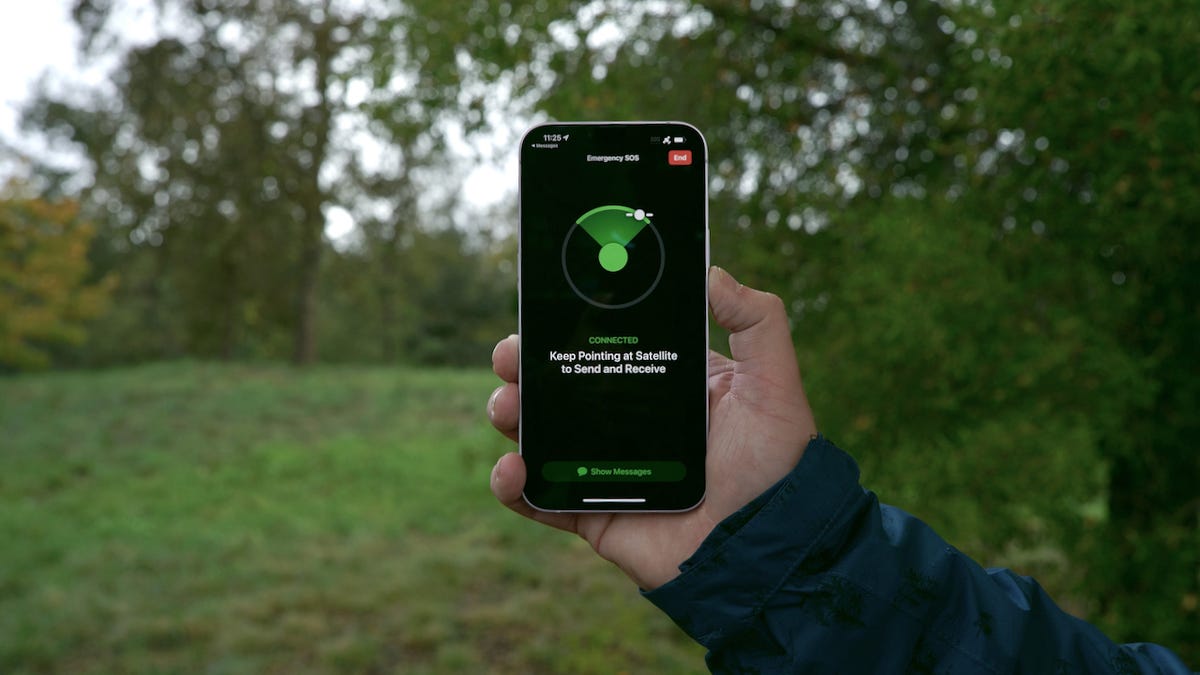
Apple’s prior stake in Globalstar (around 20%) made this deal complex but ultimately beneficial. Both companies emphasize that current features remain unchanged, with potential for innovations like faster connections or broader coverage in future iOS updates. For South African users in remote areas like the Karoo or coastal wilderness, this could mean lifesaving reliability during hikes or safaris.
Timeline for iPhone Users: What to Expect
The deal is slated to close in 2027, with full D2D rollout targeted for 2028. In the interim, Globalstar’s network continues uninterrupted. Early adopters of iPhone 14, 15, and 16 models will see no immediate changes, but software updates could introduce enhanced performance as Amazon’s satellites come online.
7 Revolutionary Ways Amazon’s Massive Globalstar Buy Boosts Your iPhone
This acquisition isn’t abstract corporate news—it’s poised to deliver tangible upgrades to your pocket-sized device. Here are seven revolutionary ways it enhances the iPhone experience, drawing on Amazon’s resources and Globalstar’s expertise.
Revolutionary Way 1: Expanded Satellite Coverage in Remote and Underserved Areas
With Globalstar’s satellites and spectrum added to Amazon Leo, iPhone users gain access to a denser constellation. This means stronger signals in places like national parks, oceans, or rural regions where traditional networks fail. Imagine driving through the Drakensberg Mountains in South Africa and still being able to send an SOS without hesitation.
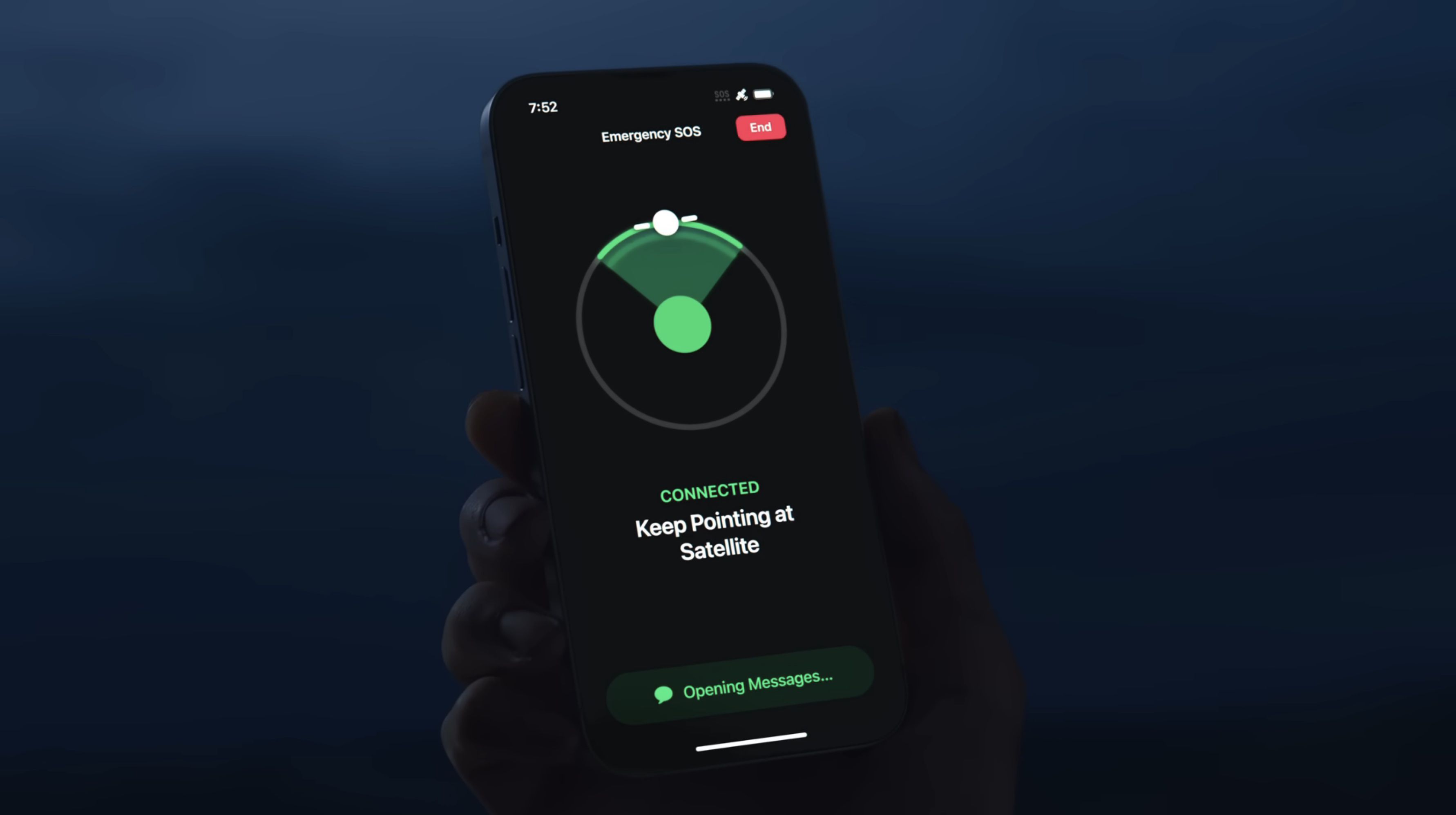
Amazon’s vision extends cellular coverage globally, potentially reducing dead zones that affect millions. Early tests suggest improved latency and reliability, making satellite features feel as seamless as standard calls.
Revolutionary Way 2: Faster and More Reliable Emergency SOS and Messaging
Current Emergency SOS via satellite already saves lives, but Amazon’s integration could speed up connections and support richer messaging. Users might soon send photos, voice notes, or even short videos during crises, thanks to D2D advancements. This builds on Globalstar’s proven track record while leveraging Amazon’s scale for 24/7 uptime.
Revolutionary Way 3: Potential for Voice Calls and Data Services on iPhone
Beyond texting, the deal opens doors to satellite voice and limited data. Future iPhones could handle calls or browse lightweight web pages in remote spots. Amazon plans to collaborate with mobile network operators (MNOs), meaning carriers like Vodacom or MTN in South Africa might integrate these capabilities, turning your iPhone into a true global communicator.
Revolutionary Way 4: Competitive Innovation Driving Down Costs and Improving Features
By challenging Starlink’s dominance, Amazon’s move fosters innovation across the industry. iPhone users could benefit from more affordable or bundled satellite plans. Apple might introduce premium features in iOS 19 or later, such as proactive location sharing or integration with Find My, all powered by the enhanced network.
Revolutionary Way 5: Seamless Integration with Amazon’s Broader Ecosystem
iPhone owners who use Amazon services—like Alexa, Prime, or AWS—stand to gain from tighter ecosystem ties. Imagine satellite-enabled shopping lists or real-time tracking for deliveries in low-coverage zones. This cross-pollination could make your iPhone smarter and more versatile than ever.
Revolutionary Way 6: Enhanced Global Reach and Accessibility for All Users
The acquisition promotes ubiquitous connectivity, aligning with Amazon’s goal to serve billions beyond traditional networks. For users in Africa, Asia, or Latin America, this means equitable access to safety tools. In South Africa, where load-shedding and vast rural expanses challenge infrastructure, iPhones could become even more indispensable lifelines.

Revolutionary Way 7: Future-Proofing iPhones for Next-Generation Connectivity
As Amazon deploys thousands more satellites, iPhones will evolve alongside. Expect hardware optimizations in upcoming models, like better antennas or AI-driven signal management. This positions Apple devices at the forefront of hybrid terrestrial-satellite networks, ensuring longevity and cutting-edge performance.
Quote 1: “There are billions of customers out there living, traveling, and operating in places beyond the reach of existing networks, and we started Amazon Leo to help bridge that divide.” — Panos Panay, Senior Vice President of Devices & Services at Amazon.
Quote 2: “Amazon did disclose that it plans to work with the MNOs and additional partners to provide ubiquitous global communications.” — Citi analyst Ronald Josey, highlighting the deal’s broader industry impact.
Quote 3: “This acquisition allows Amazon Leo to add direct-to-device services… and extend cellular coverage to customers beyond the reach of terrestrial networks.” — Official Amazon-Globalstar merger announcement.
Challenges and Considerations for iPhone Users
While the upsides are compelling, users should note potential hurdles. Regulatory scrutiny could delay the 2027 closure, and spectrum approvals for D2D services remain pending in some regions. Privacy concerns around data shared via satellites will likely prompt Apple and Amazon to enhance transparency, but iPhone’s existing controls should mitigate risks.
Additionally, free satellite features on iPhones may evolve into tiered offerings, though both companies have pledged continuity for core safety tools.
The Bigger Picture: Amazon Leo vs. Starlink in the Satellite Race
This deal intensifies the battle for space dominance. Amazon Leo, now supercharged with Globalstar’s assets, aims for over 3,000 satellites by decade’s end. Compared to Starlink’s massive constellation, Amazon focuses on consumer-friendly D2D, potentially offering a more integrated experience for iPhone users.

Experts predict accelerated innovation, benefiting everyday consumers through better coverage and features. For the satellite internet market, this means healthier competition and faster progress toward truly global connectivity.
What South African iPhone Users Can Expect
In a country with diverse terrains and growing digital demands, the boosted network could prove invaluable. From urban Johannesburg to remote game reserves, iPhones may soon offer unprecedented reliability. Partnerships with local operators could further integrate these services, aligning with South Africa’s push for inclusive tech access.
Looking Ahead: A Connected Future Powered by Satellites
Amazon’s massive Globalstar acquisition isn’t just a business transaction—it’s a pivotal step toward a world where your iPhone keeps you connected no matter where life takes you. With revolutionary enhancements in coverage, features, and reliability, iPhone users stand to gain immensely as the deal unfolds.
As the 2027 closure approaches and 2028 services launch, staying informed via Apple and Amazon updates will be key. This development underscores how space technology is becoming personal, everyday infrastructure. For iPhone enthusiasts, the future looks brighter—and more connected—than ever. Whether you’re planning your next adventure or simply valuing peace of mind, Amazon’s bold bet on Globalstar could redefine what your device can do.
Discover more from TECH-BRUNCH
Subscribe to get the latest posts sent to your email.