

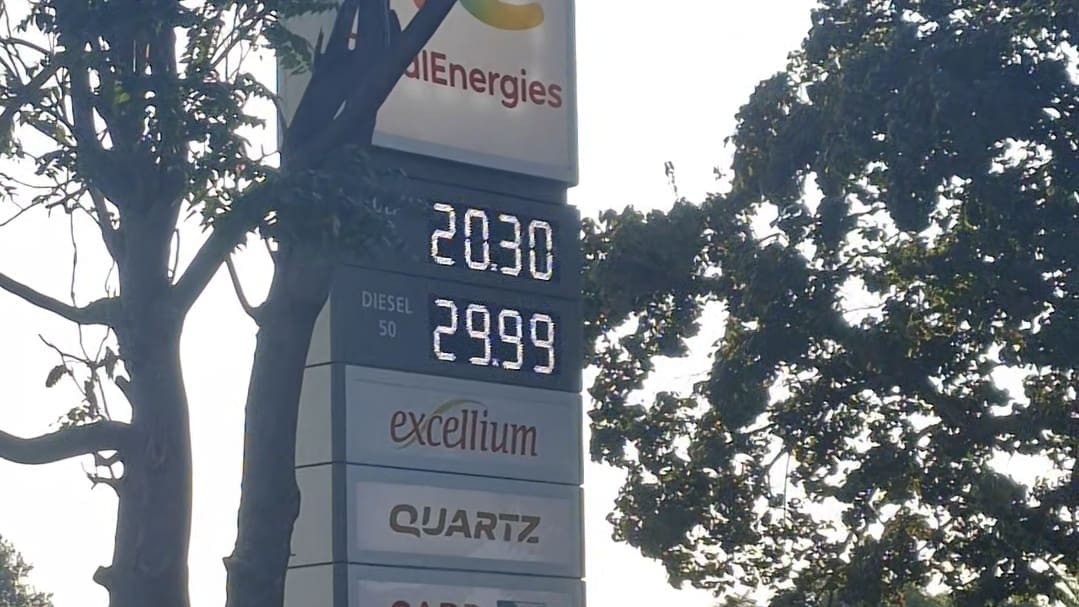
In a dramatic about-turn that has brought immediate relief to cash-strapped South African motorists, TotalEnergies has scrapped its controversial pre-April diesel price increase of R8 a litre. The energy giant’s decision, confirmed on Thursday evening, March 27, 2026, comes just days after a leaked internal letter instructed retailers to gradually hike pump prices in anticipation of the official April 1 adjustment.
What began as a precautionary move to prevent stock-outs has now been reversed following strong pushback from the Fuel Retailers Association and widespread public outrage.

This reversal marks a significant win for consumers already reeling from soaring living costs. Diesel prices at some TotalEnergies stations had climbed as high as R27.50–R29.99 per litre earlier this week, sparking panic buying and heated debates across social media. With the official April fuel price announcement looming, TotalEnergies’ backdown offers a temporary breather—but experts warn the full April hike could still exceed R9 per litre for diesel. In this in-depth report, we unpack the full story, its economic ripple effects, and what it means for drivers in Cape Town and beyond.
The Leaked Letter That Ignited the Controversy
On March 24, TotalEnergies Marketing South Africa (TMSA) sent a memo to its network of independent fuel station owners. The document recommended a gradual retail price increase of up to R8 per litre for diesel over three days. The stated reason? To avoid “abnormal demand” and potential stock-outs ahead of the anticipated April 1 adjustment driven by global oil market volatility.
The letter cited “an overall increase of R6 per litre in TMSA’s wholesale prices and extraordinary logistics costs” linked to the current global crisis. Retailers were told the move was at their discretion, but many complied. Motorists in Johannesburg, Bloemfontein, and other areas reported seeing diesel jump from around R21–R23 to R27.50 or higher almost overnight. Social media exploded with photos of shocked drivers at the pump, turning the story into a national talking point.
Fuel is not like petrol, which is strictly regulated. Diesel pricing is more flexible, allowing retailers to adjust based on wholesale costs. This flexibility, while intended to reflect market realities, left many feeling blindsided by what appeared to be an early and aggressive hike.
Why TotalEnergies Backtracked So Quickly
The Fuel Retailers Association (FRA) wasted no time in responding. On March 26, the body fired off a letter to the Department of Mineral Resources and Energy (DMRE) demanding clarity and intervention. FRA representatives argued the pre-emptive increase created confusion and unfairly burdened consumers before the official adjustment date.
By Thursday evening, TotalEnergies had reversed course. Company insiders confirmed the R8/litre recommendation was withdrawn with immediate effect. Stations that had already implemented the hike were instructed to roll prices back. TotalEnergies did not issue a public statement, but FRA spokesperson Thinus Sibiya told media the company had “reversed its R8 price increase” following the association’s intervention.
This swift U-turn highlights the power of coordinated industry pressure. It also underscores growing scrutiny on fuel pricing transparency in South Africa, where diesel directly impacts everything from food delivery to public transport fares.
Immediate Impact on South African Motorists and Businesses
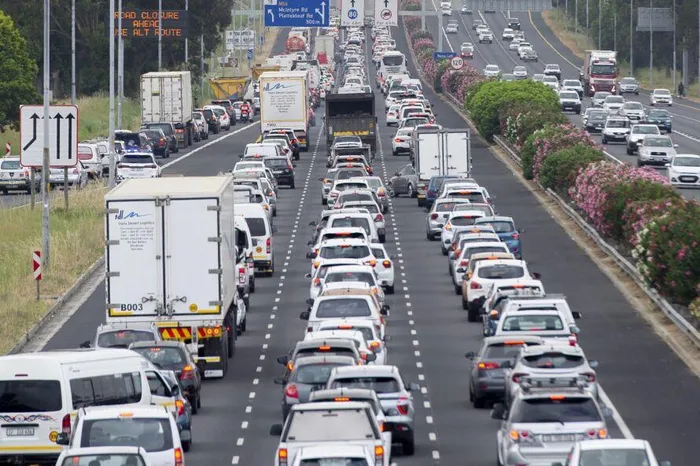
For everyday drivers, the reversal is welcome news. In Cape Town, where traffic congestion already strains household budgets, avoiding an extra R8 per fill-up could save hundreds of rands monthly for commuters and small business owners. Truck drivers, farmers, and logistics operators—who rely heavily on diesel—breathed a collective sigh of relief, even as they brace for April’s full adjustment.
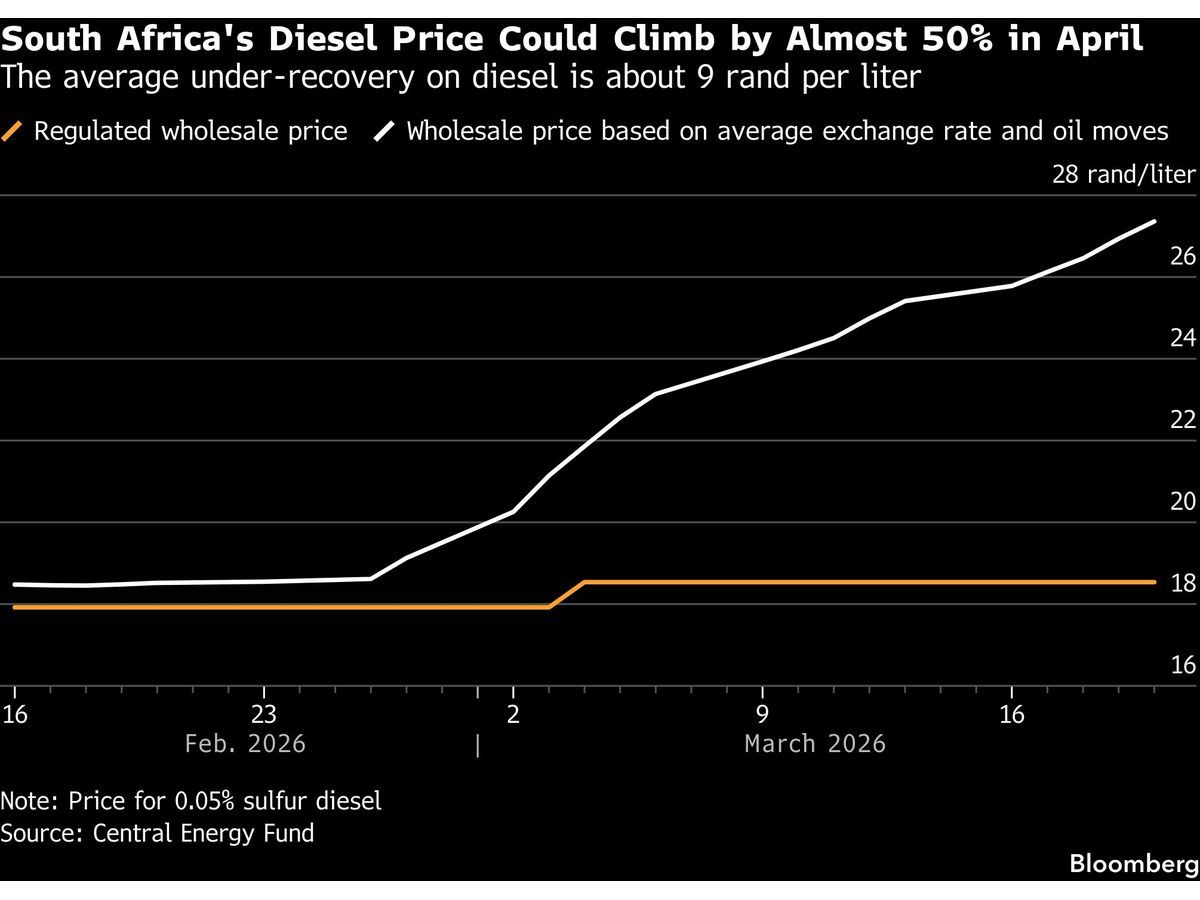
The temporary rollback prevents further panic buying and potential supply disruptions. However, analysts note that the underlying wholesale pressures remain. Central Energy Fund data as of March 25 projects diesel could rise by R9.67–R9.81 per litre on April 1, with some forecasts even higher depending on rand-dollar exchange rates and international crude prices.
Understanding South Africa’s Fuel Pricing System
Unlike petrol, which follows a regulated formula updated monthly, diesel prices are determined more by market forces at the retail level. This allows quicker responses to global shocks but also opens the door to pre-emptive adjustments like the one TotalEnergies initially proposed.
The April 2026 adjustment is shaping up to be one of the steepest in recent years. Oil prices have surged amid ongoing global tensions, pushing Brent crude well above $100 per barrel in recent weeks. Combined with a weaker rand, this has created a perfect storm for local fuel costs. Diesel, critical for freight and agriculture, faces the biggest hit—potentially climbing nearly 50% in a single month according to some projections.
Global and Local Factors Behind the Diesel Pressure
The current crisis stems from a combination of international events: supply disruptions in key oil-producing regions, heightened demand from major economies, and logistical bottlenecks affecting imports. South Africa imports most of its diesel, making it particularly vulnerable to these swings.
Locally, the DMRE and Central Energy Fund monitor daily under-recoveries. Recent figures show diesel lagging significantly behind wholesale costs, setting the stage for the April hike. TotalEnergies’ initial letter referenced these pressures explicitly, framing the pre-emptive increase as a way to manage stock levels rather than profiteering.
Reactions Pour In: From Outrage to Cautious Optimism
Social media platforms lit up with frustration when the hikes first appeared. Hashtags like #DieselHike and #TotalEnergies trended as motorists shared receipts and called for greater regulation. Business groups, including the Road Freight Association, warned that unchecked diesel costs could drive up food prices and inflation across the board.
The FRA’s swift action earned praise from consumer advocates. “This shows that unified voices can force change,” one industry insider noted. However, many are tempering relief with realism—the April 1 increase is still coming, and its magnitude could dwarf this week’s drama.
Opposition parties have used the episode to renew calls for a fuel price cap or subsidy review, especially ahead of winter when heating and transport demands rise.
What Motorists Should Do Now to Manage Rising Costs
While the immediate R8 threat is off the table, smart planning remains essential:
- Fill up strategically: Monitor prices at independent stations, which may vary more than majors.
- Track official announcements: The April adjustment is due on Wednesday, April 1—expect confirmation from the DMRE by Friday, March 28.
- Consider efficiency: Apps like FuelFinder or AA’s price comparison tools help locate the cheapest diesel nearby.
- Budget for April: Even after the reversal, prepare for a R8–R10 jump. Carpooling, public transport, or remote work days can help offset costs.
- Vehicle maintenance: Proper tyre pressure and regular servicing improve fuel economy by up to 10%.
For businesses, hedging fuel contracts or exploring biodiesel alternatives may become more attractive in the coming months.
Broader Economic Implications for South Africa
Diesel powers nearly 70% of the country’s freight and agricultural operations. A sustained high-price environment risks higher grocery bills, delayed deliveries, and slower economic growth. In Cape Town and other urban centres, taxi fares and delivery costs could climb, hitting low-income households hardest.
The episode also raises questions about pricing fairness. While TotalEnergies acted within legal bounds, the speed and scale of the initial recommendation have prompted calls for tighter oversight of pre-adjustment communications.
The Road Ahead: April Hikes and Long-Term Solutions
TotalEnergies’ reversal buys time—but it doesn’t solve the underlying volatility. The official April 1 announcement will set the new baseline, and winter demand plus global uncertainties suggest further pressure later in 2026.
Policymakers face tough choices: whether to introduce temporary relief measures, accelerate renewable energy adoption in transport, or revisit fuel levies. For now, motorists can celebrate this small but meaningful victory while keeping a close eye on next week’s figures.
South Africa’s fuel story is far from over, but TotalEnergies’ backdown proves that consumer and industry voices still carry weight. In a time of economic strain, every rand saved at the pump matters.
This analysis draws on official reports, leaked documents, and industry statements as of March 27, 2026. Fuel prices remain volatile—always verify current rates at your local station.
Discover more from Tech-Brunch
Subscribe to get the latest posts sent to your email.


