Standard Bank’s insurance subsidiary Liberty has been rocked by a major data breach that exposed the personal information of up to 3.2 million customers across South Africa and the continent. Detected on March 22, 2026, and publicly disclosed yesterday, the unauthorised third-party access has triggered immediate SMS alerts to affected clients, widespread customer panic, and urgent questions about how one of South Africa’s largest financial groups failed to prevent the intrusion.

Liberty, which operates under the Standard Bank Group umbrella and serves millions with life insurance, investments, and financial services, confirmed the breach in a statement released late on March 23. Hackers gained entry to select internal data systems, compromising names, surnames, and identity numbers. While Liberty insists no financial data or banking details were taken, the incident has already sparked fears of identity theft, phishing scams, and long-term reputational damage for both Liberty and its parent company Standard Bank.
This is not the first time Liberty or Standard Bank has faced scrutiny over data security, but the scale of this 2026 breach—potentially touching nearly one in every ten South African adults—makes it one of the most significant financial-sector incidents in recent years. Customers woke up to urgent SMS messages warning them of the exposure, and social media has exploded with calls for accountability. Here’s everything you need to know about this devastating breach and its far-reaching implications.
What Exactly Happened at Liberty?
Liberty’s internal investigation revealed unauthorised third-party access to specific data systems on or before March 22. The company acted swiftly, isolating affected systems, launching a full forensic probe, and notifying regulators including the Information Regulator and the South African Reserve Bank.
No evidence has emerged of ransomware demands or data exfiltration for financial gain yet, but the breach involved customer personal identifiers that are highly valuable on the dark web. Liberty has not disclosed the exact entry method—phishing, insider threat, or vulnerability exploit—but cybersecurity experts point to common weak points in large insurers: legacy systems, third-party vendors, and expanding digital footprints.

Standard Bank, which holds a controlling stake in Liberty, has remained largely silent beyond confirming the subsidiary’s statements. This hands-off approach is already drawing criticism from consumer groups and opposition parties who argue the bank must take ultimate responsibility for group-wide data governance.
The Scale: 3.2 Million Customers Potentially Affected
Liberty serves approximately 3.2 million customers continent-wide, with the vast majority in South Africa. While the company has not released a precise figure for compromised records, its SMS campaign reached a significant portion of its database, suggesting the breach touched a substantial share of active policyholders.
Exposed data includes full names, surnames, and South African identity numbers—enough for sophisticated fraudsters to craft convincing phishing attacks, open fraudulent accounts, or commit tax-related identity theft. Unlike past breaches that exposed only emails, this incident strikes at core personal identifiers used across banking, government services, and credit checks.
Immediate Customer Impact and What to Watch For
Customers who received the SMS are being advised to monitor accounts, enable two-factor authentication everywhere, and watch for suspicious activity. Early reports on social media already describe increased phishing attempts targeting Liberty and Standard Bank clients.
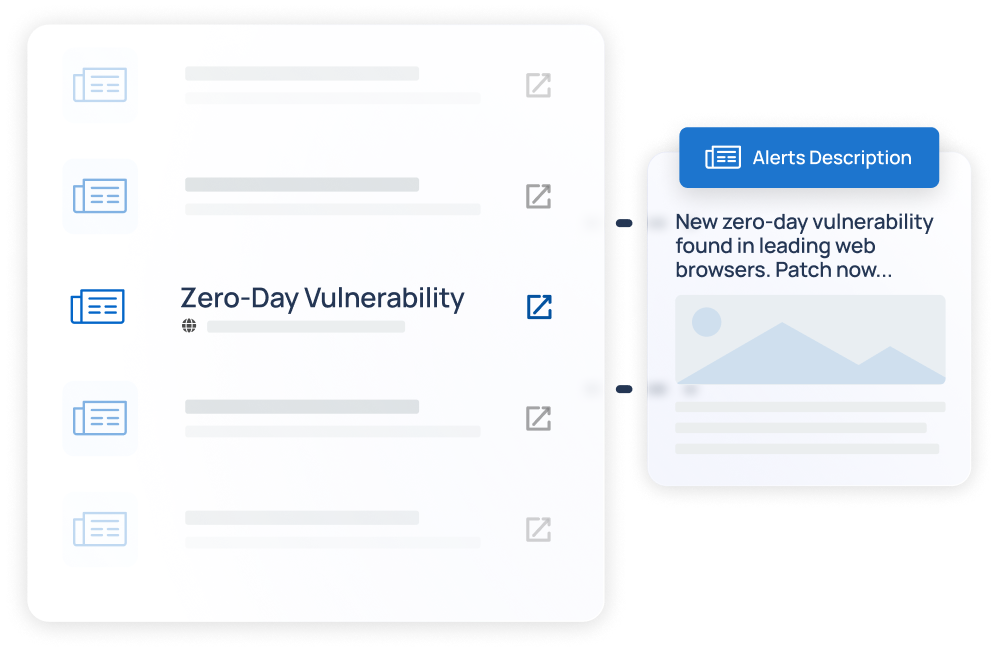
Financial experts warn that identity numbers combined with names create a perfect storm for synthetic identity fraud. South African consumers are particularly vulnerable because ID numbers are widely used as login credentials across government portals and financial apps. Liberty has promised free credit monitoring and identity protection services, but details remain sparse.
Standard Bank customers who also hold Liberty policies face double exposure: their insurance data is now at risk, and any linked banking details could be cross-referenced in future attacks. Consumer advocates are urging the bank to offer proactive account freezes and enhanced fraud alerts.
Standard Bank’s Response and Lingering Questions
Liberty has emphasised containment and mitigation, but critics argue the response feels reactive rather than strategic. Standard Bank itself has faced separate data-leak accusations in recent months, including claims of employee data mishandling and customer complaints about scammed accounts.
The bank’s share price dipped slightly in early trading today amid the news, reflecting investor nervousness about regulatory fines, class-action lawsuits, and reputational fallout. The Information Regulator has already confirmed it is monitoring the situation closely and may impose penalties under the Protection of Personal Information Act (POPIA) if negligence is found.

Liberty’s CEO has pledged full transparency once the investigation concludes, but many customers feel the statement lacks concrete timelines or compensation commitments. This breach comes at a sensitive time for Standard Bank, which is pushing aggressive digital transformation while navigating South Africa’s challenging economic landscape.
Cybersecurity Lessons South African Banks Must Learn Now
This incident highlights systemic weaknesses plaguing the local financial sector. Large institutions like Liberty rely on complex legacy IT systems that are difficult to patch uniformly. Third-party vendors, cloud migrations, and rapid digital adoption have expanded the attack surface dramatically.
Experts recommend several immediate steps for any organisation handling personal data:
- Implement zero-trust architecture with continuous monitoring
- Enforce strict segmentation between insurance and banking systems
- Conduct regular third-party penetration tests
- Invest in AI-driven anomaly detection for early breach identification
South Africa’s broader cybersecurity posture remains a concern. The country ranks high on global cybercrime indices, and financial institutions are prime targets. This Liberty breach could accelerate calls for stricter POPIA enforcement and mandatory breach-notification timelines.
How Customers Can Protect Themselves Right Now
If you received a Liberty SMS or suspect you may be affected:
- Change passwords on all linked accounts immediately
- Enable two-factor authentication everywhere possible
- Place a fraud alert with credit bureaus
- Monitor bank statements daily for the next 90 days
- Be extremely wary of unsolicited calls or emails requesting personal details
Liberty has set up a dedicated helpline and claims portal for breach-related queries. Standard Bank customers should also contact their branch or use the bank’s fraud hotline to link any Liberty exposure to their accounts.
Broader Implications for South Africa’s Financial Ecosystem
This breach arrives amid growing public distrust in big banks and insurers. With loadshedding, economic pressure, and rising cyber threats, consumers already feel vulnerable. A high-profile incident like this could push more people toward fintech alternatives perceived as more agile and secure.
For Standard Bank, the parent entity, the stakes are even higher. As one of Africa’s largest banking groups, it cannot afford repeated data-security black eyes. Analysts predict increased investment in cybersecurity infrastructure across the group, but the short-term cost—legal, regulatory, and brand-related—could run into tens of millions of rand.
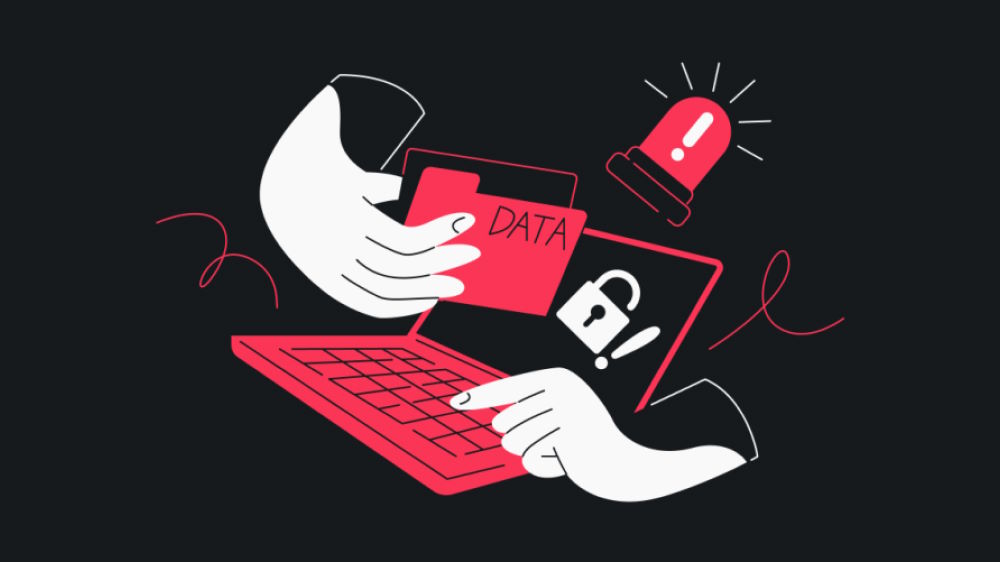
On the positive side, swift disclosure and customer communication set a benchmark for transparency that other institutions should follow. Liberty’s proactive SMS campaign, while alarming, demonstrates accountability at a time when many companies still try to downplay breaches.
What Happens Next: Investigation, Regulation, and Reform
Liberty’s forensic investigation is expected to take weeks, with preliminary findings possibly shared within 30 days. The Information Regulator will review compliance with POPIA notification rules, while the Prudential Authority will examine systemic risk to the financial sector.
Class-action lawsuits are already being discussed in legal circles. Affected customers may seek compensation for emotional distress, identity-theft prevention costs, and any proven fraud losses. Standard Bank’s response in the coming days—especially any offer of free credit monitoring or identity theft insurance—will heavily influence public perception.
Longer term, this event could catalyse industry-wide reforms: mandatory annual cybersecurity audits, shared threat-intelligence platforms among banks, and greater investment in local talent to reduce reliance on foreign vendors.
Final Thoughts: A Wake-Up Call for Financial Giants
The devastating data breach at Liberty is more than a single-company crisis—it is a stark reminder of how interconnected South Africa’s financial giants have become and how fragile customer trust remains. With 3.2 million lives potentially touched and Standard Bank’s reputation on the line, the incident demands immediate accountability, robust remediation, and systemic change.
Customers should stay vigilant, regulators must act decisively, and the industry as a whole needs to treat cybersecurity as a board-level priority rather than an IT afterthought. In an era when data is the new currency, no institution can afford another breach like this.
Liberty and Standard Bank have promised to keep customers updated. For now, the message is clear: protect your identity, monitor your accounts, and demand better security from the institutions entrusted with your most sensitive information. The full impact of this shocking breach may take months to unfold, but one thing is already certain—South African consumers will be watching closely.
Discover more from TECH-BRUNCH
Subscribe to get the latest posts sent to your email.