In the heart of America’s economic landscape, millions of job seekers are grappling with an invisible wall that’s harder to breach than ever before. As we navigate through 2026, the unemployment rate hovers around 4.4%, a figure that might seem modest at first glance but masks a deeper crisis. Despite a resilient economy on paper, countless Americans remain sidelined, sending out hundreds of applications only to hear crickets in response. This isn’t just a personal struggle—it’s a systemic issue affecting families, communities, and the nation’s growth trajectory.
The question echoes across job forums, social media, and dinner tables: Why can’t so many unemployed Americans find work? Drawing from recent data and expert analyses, this article uncovers seven shocking reasons behind this persistent problem. From policy-induced uncertainties to technological disruptions, we’ll explore the multifaceted barriers and offer insights into potential paths forward. Whether you’re a job hunter, employer, or policymaker, understanding these factors is crucial for turning the tide.
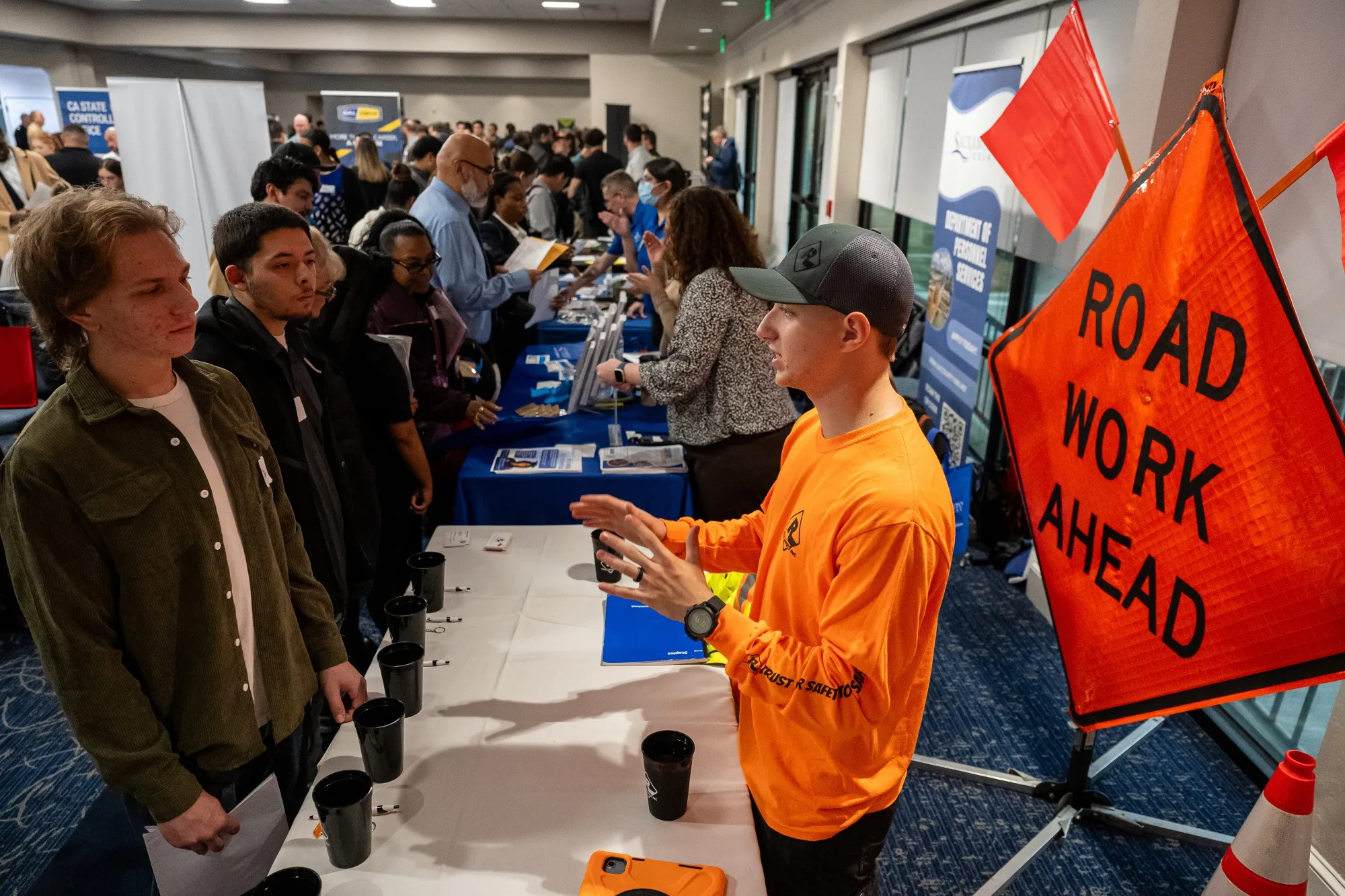
The journey begins with a closer look at the overall job market dynamics, where stagnation has become the unwelcome norm.
1. The Stagnant Job Market in America: A Low-Hire, Low-Fire Dilemma
The U.S. labor market in 2026 can be best described as stuck in neutral. Employers are neither aggressively hiring nor firing, creating a stagnant environment where job opportunities are scarce. According to recent reports, job openings, hires, and voluntary quits have been declining since the post-pandemic boom of 2022. This “low-hire, low-fire” economy means that while layoffs aren’t rampant, new positions aren’t being created at a pace to absorb the unemployed workforce.
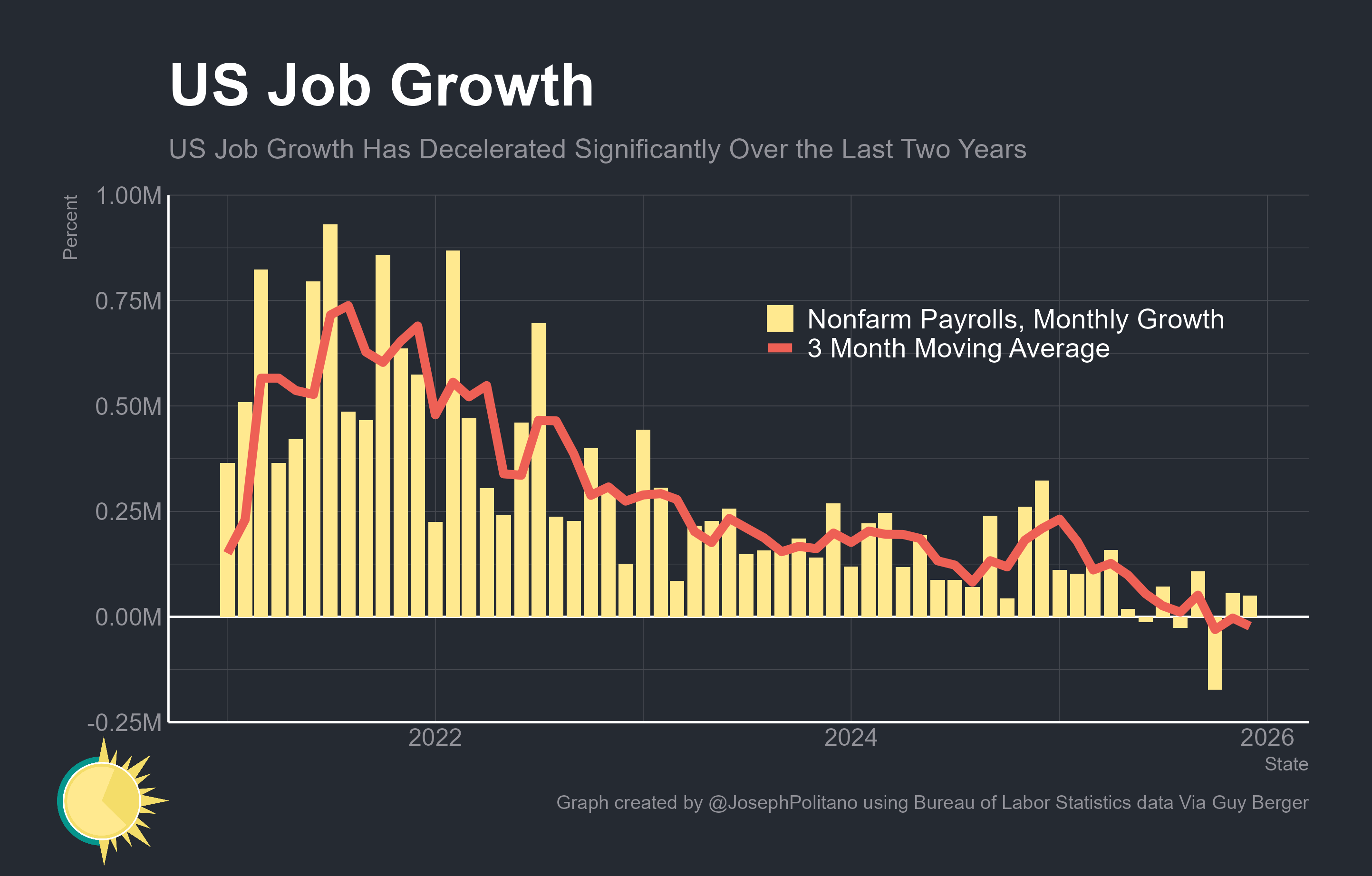
In 2025 alone, employers added a mere 181,000 jobs, a sharp drop from the 1.46 million in 2024. This slowdown stems from businesses correcting for over-hiring during the recovery period and now opting for caution amid economic headwinds. For job seekers, this translates to fewer vacancies and intensified competition for the roles that do exist.
Visualizing this trend, graphs from labor economists show a clear deceleration in job growth over the past two years, with monthly gains plummeting. The result? Unemployed individuals find themselves in a holding pattern, waiting for a market thaw that seems perpetually delayed.
This stagnation isn’t just statistical—it’s felt in the daily grind of job applications that vanish into the void.
2. Surging Long-Term Unemployment: The Vicious Cycle
One of the most alarming trends is the rise in long-term unemployment, where individuals remain jobless for 27 weeks or more. As of early 2026, one in four unemployed workers falls into this category, the highest rate since the pandemic. This prolonged joblessness creates a vicious cycle: skills erode, resumes gather dust, and employers often view long gaps as red flags.
Data from the Bureau of Labor Statistics reveals that the typical unemployed person now spends nearly three months searching, up from previous years. For many, this extends far beyond, leading to financial strain and mental health challenges. Job seekers describe it as a “mental war,” where persistence wanes amid repeated rejections.
Charts tracking long-term unemployment show spikes reminiscent of recessionary periods, even as the overall economy avoids a full downturn. Breaking this cycle requires targeted interventions, but in the current climate, many are left to fend for themselves.

The emotional toll is immense, turning job hunting into a full-time ordeal with diminishing returns.
3. Skills Mismatch: When Qualifications Don’t Align with Opportunities
A persistent gap between workers’ skills and available jobs exacerbates the unemployment crisis. As industries evolve rapidly, many unemployed Americans find their expertise outdated or irrelevant to current demands. Reports highlight a mismatch in skills and experience, leading to prolonged job searches and stagnant hiring.
For instance, white-collar fields like tech and engineering are seeing extended unemployment due to this misalignment. Young workers and recent graduates struggle particularly, as entry-level positions dwindle and employers prioritize experienced candidates in a risk-averse market.
Illustrations of this mismatch often depict workers on one side of a chasm and jobs on the other, symbolizing the bridge that needs building through reskilling programs. Without addressing this, the divide only widens, leaving talented individuals underutilized.

Bridging this gap calls for collaboration between education, industry, and government to realign training with market needs.
4. Economic Uncertainty Fueled by Policies and Tariffs
Policy decisions, particularly under the Trump administration, have injected uncertainty into the economy, prompting businesses to hit the brakes on hiring. Tariffs on imports have increased costs, leading to slower consumer spending and reduced job creation. This uncertainty manifests in fewer expansions and more conservative workforce planning.
Stricter immigration policies and deportations have also constrained labor supply, making it harder for companies to fill roles while simultaneously limiting job growth. Economists note that rising economic policy uncertainty correlates directly with declining payroll changes.
Graphs illustrating the impact of tariffs show projected slowdowns in growth, hitting low-to-middle-income earners hardest. This ripple effect turns potential job booms into busts, leaving unemployed workers in the lurch.
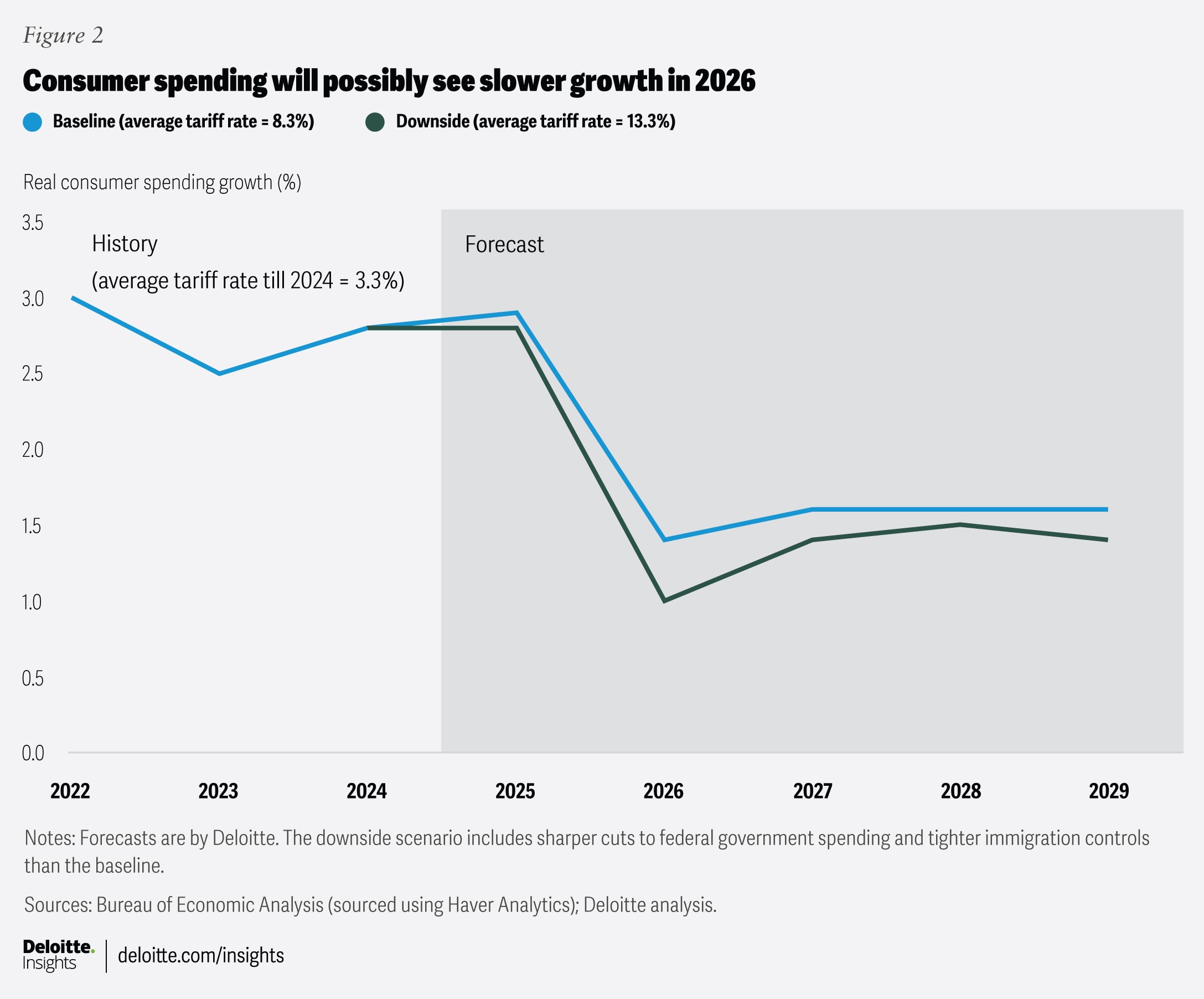
As tariffs bite deeper, the job market’s recovery remains elusive.
5. The Rise of AI and Automation: Displacing Traditional Roles
Artificial intelligence and automation are reshaping the workforce, often at the expense of human jobs. Companies are increasingly adopting these technologies to cut costs, leading to slower hiring in sectors like manufacturing and services. This shift contributes to “jobless growth,” where the economy expands but employment doesn’t keep pace.
Statistics reveal that certain occupations, like waiters and shelf fillers, face high risks of automation, potentially displacing millions. While AI creates some new roles, the transition leaves many behind, especially those without tech-savvy skills.
Cartoons and charts depicting robots replacing workers underscore this transformation, highlighting the need for upskilling.
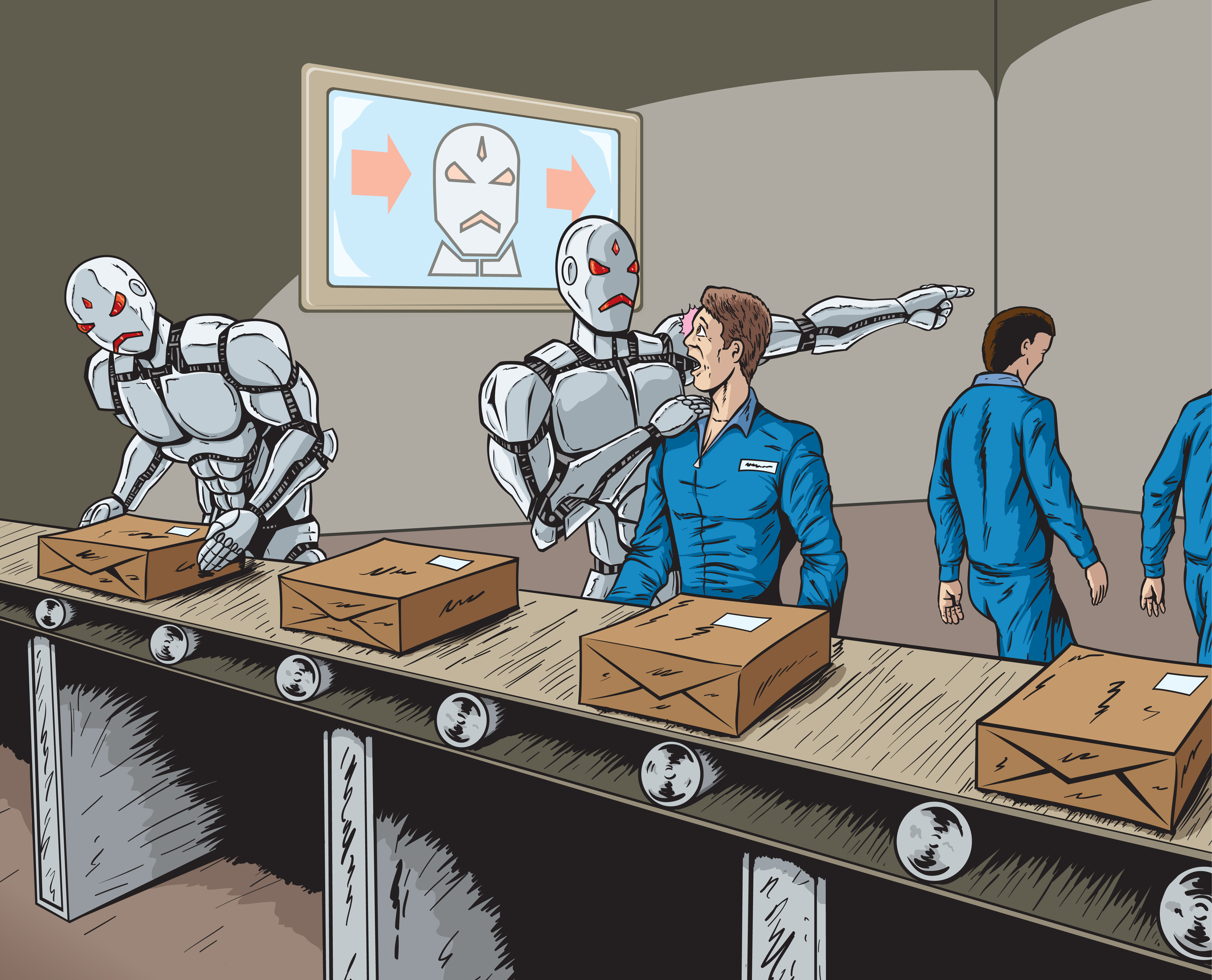
Adapting to this AI-driven era is essential, but for now, it’s a barrier for many unemployed.
6. Ghost Jobs and Overwhelmed Hiring Processes
The phenomenon of “ghost jobs”—postings that never lead to hires—plagues the market. In recent years, the ratio of listings resulting in employment has worsened, from one in five to one in two. Employers post roles to gauge interest or maintain a talent pool, frustrating applicants who invest time fruitlessly.
Coupled with AI-flooded applications, hiring processes have lengthened, with more rounds and screenings overwhelming recruiters. This inefficiency means silence for many, eroding confidence.
In a market where 43% of workers plan to job hunt in 2026—down from 93% last year—demoralization sets in. Addressing ghost jobs could restore trust, but transparency remains lacking.
7. Disproportionate Impact on Vulnerable Groups
Certain demographics bear the brunt of this crisis. Black women, for example, saw unemployment jump from 5.4% to 7.3% in 2025, nearly three points above the national average. Young and entry-level workers face barriers in a cautious market unwilling to invest in training.
Underemployment affects 8% of the population, up from previous years, forcing many into part-time or low-wage roles amid rising costs. This disparity signals broader economic weaknesses, historically foreshadowing downturns.
Targeted support for these groups is vital to equitable recovery.
Looking Ahead: Pathways to Recovery and Advice for Job Seekers
As 2026 unfolds, glimmers of hope emerge with potential rate cuts and policy adjustments. However, addressing these seven reasons requires concerted action: reskilling initiatives, policy stability, and innovative hiring practices.
For job seekers, networking beyond job boards, upskilling in AI-relevant areas, and considering gig work can provide bridges. Remember, the market’s flaws don’t define your worth—persistence, paired with strategy, can prevail.
In conclusion, the unemployment puzzle in 2026 is complex but solvable. By shining a light on these shocking realities, we pave the way for meaningful change, ensuring more Americans find not just jobs, but fulfilling careers.
Discover more from TECH-BRUNCH
Subscribe to get the latest posts sent to your email.