


Porsche shutters e-bike, battery, and software subsidiaries as part of a sweeping company overhaul. The German luxury automaker announced this strategic shift on May 8, 2026, closing three specialized units and impacting over 500 employees amid declining sales and profits. This decisive move signals a renewed commitment to its iconic sports car heritage while navigating challenging market conditions in electrification and diversification.
In an era where many automakers chase broad electrification goals, Porsche is making tough but calculated choices. By streamlining operations, the company aims to sharpen its focus on core strengths—high-performance vehicles that define the brand. This comprehensive analysis dives deep into the restructuring, its implications, historical context, and what it means for Porsche’s future.
1. Understanding the Dramatic Subsidiary Closures
Porsche’s announcement marks a significant pivot. The three subsidiaries being discontinued are Cellforce Group GmbH (battery technology), Porsche eBike Performance GmbH (e-bike drive systems), and Cetitec GmbH (networking software). Together, these closures affect more than 500 positions across various locations in Germany and Croatia.
This is not a sudden decision but part of a broader strategic realignment under new leadership. CEO Michael Leiters is steering the company toward profitability and core business excellence rather than expansive ventures outside traditional automotive manufacturing.
The Human and Operational Impact:
- Approximately 360 jobs from Porsche eBike Performance in Ottobrunn and Zagreb.
- Around 50 roles at Cellforce Group in Kirchentellinsfurt.
- Roughly 90 positions at Cetitec in Pforzheim and other sites.
These cuts, while painful, reflect “fundamentally changed market conditions” that have rendered these operations unsustainable in their current form.
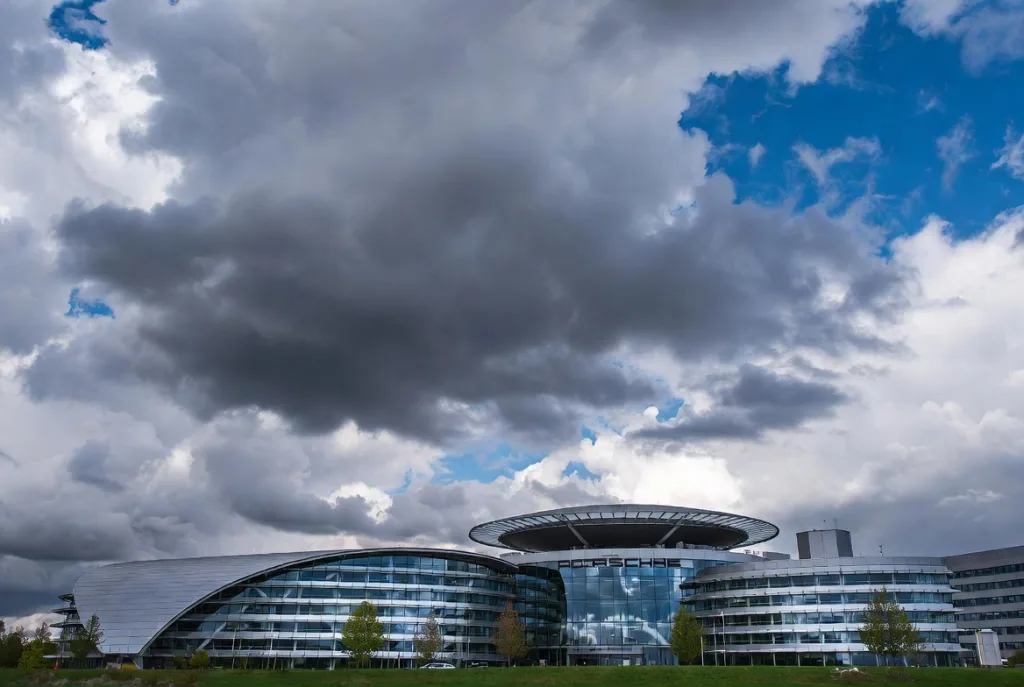
2. Deep Dive into Each Subsidiary and Reasons for Closure
2.1 Cellforce Group: High-Performance Battery Ambitions Scaled Back
Cellforce Group was a joint venture focused on developing advanced lithium-ion battery cells for high-performance EVs and motorsport applications. Launched with significant investment, it aimed to position Porsche at the forefront of battery technology.
However, after an earlier realignment in 2025 that shifted it toward R&D, the unit no longer held a viable long-term perspective. Porsche is adopting a “technology-open powertrain strategy,” relying more on external partners for battery solutions rather than in-house production.
This closure of about 50 jobs underscores a pragmatic retreat from vertical integration in batteries, allowing Porsche to allocate resources more efficiently toward vehicle development where it excels.
2.2 Porsche eBike Performance: Exit from E-Bike Drive Systems
Porsche eBike Performance GmbH, established around 2022, developed high-end drive systems for electric bicycles, including the acquisition of Fazua. Operations spanned Ottobrunn, Germany, and Zagreb, Croatia, employing roughly 360 people at the time of closure.
The company cited fundamentally changed market conditions for e-bike drive systems. Intense competition, shifting consumer demand, and profitability challenges in the sector made continuation difficult. This also severs ties related to previous Rimac Group involvements.
The shutdown affects not just jobs but the future of Porsche-branded e-bikes and associated technologies like lightweight motors. While enthusiasts may lament the loss, it frees capital for automotive priorities.
2.3 Cetitec GmbH: Software Expertise Wound Down
Cetitec specialized in networking and data communication software for Porsche and the broader Volkswagen Group. Based primarily in Pforzheim, its activities are being discontinued as development scopes have shifted internally or to other partners.
This move impacts around 90 employees and reflects a consolidation of software capabilities within the larger VW ecosystem, reducing redundancy.

3. Broader Context: Porsche’s Financial Pressures and Strategic Shift
Porsche has faced headwinds recently, including falling sales and a sharp decline in profits. The luxury sports car market is sensitive to economic fluctuations, supply chain issues, and evolving preferences toward electrification.
In response, leadership under Michael Leiters is executing a turnaround plan. This includes the recent sale of stakes in Bugatti Rimac and the Rimac Group, further streamlining the portfolio.
Key Drivers of the Overhaul:
- Declining EV demand in key segments.
- Need to protect high margins on iconic models like the 911.
- Focus on hybrid and combustion engine innovations alongside selective electrification.
- Organizational efficiency to boost profitability.
By shedding non-core assets, Porsche positions itself for resilience and growth in its sweet spot—delivering thrilling driving experiences.
4. Historical Background of Porsche’s Diversification Efforts
Porsche’s journey beyond sports cars includes notable forays into new territories. The e-bike venture built on the brand’s engineering prowess, aiming to transfer performance DNA to two wheels. Battery development aligned with the Taycan era and future EV roadmaps.
Software investments supported connected vehicle technologies. However, diversification carries risks, especially when market dynamics shift rapidly.
This latest overhaul echoes past strategic adjustments where Porsche refocused during challenging periods, emerging stronger. The company’s heritage of innovation combined with pragmatism has sustained it through decades of automotive evolution.
“One of the hardest but most necessary decisions is to refocus on what we do best—building exceptional sports cars that excite our customers.” — Inspired by Porsche leadership statements on strategic realignment.
“We must make painful cuts—including our subsidiaries—to secure a strong future.” — Reflection of CEO Michael Leiters’ comments on the restructuring.
“Fundamentally changed market conditions require bold action to maintain leadership in our core business.” — Echoing official Porsche communications.
5. Market Reactions and Industry Implications
The announcement sent ripples through the automotive, cycling, and tech sectors. Investors generally view such focused restructuring positively when it targets profitability, though short-term sentiment around job losses can be mixed.
In the e-bike industry, competitors may see opportunities as Porsche exits, potentially consolidating the premium segment. Battery tech suppliers could gain from increased outsourcing by Porsche.
For the wider Volkswagen Group, the move highlights a trend toward efficiency and shared resources across brands. It also raises questions about the pace of electrification industry-wide amid softening demand.
6. Impact on Employees and Support Measures
Porsche has emphasized responsible handling of the transitions. While specific severance or redeployment details are still emerging, the company typically offers support programs, retraining, and fair exit packages in such scenarios.
The affected sites—Ottobrunn, Zagreb, Kirchentellinsfurt, and Pforzheim—represent specialized talent pools. Some employees may find opportunities within the broader Porsche or VW network, particularly in core vehicle development roles.
This human element remains a critical aspect of any corporate overhaul, balancing business needs with employee welfare.
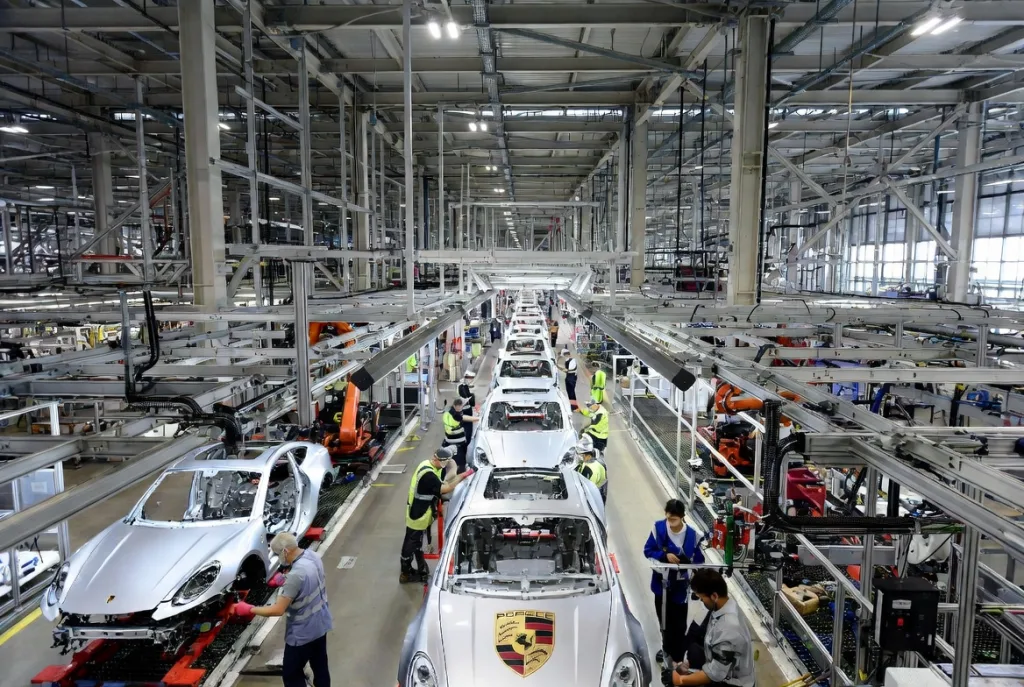
7. Porsche’s Future Roadmap Post-Restructuring
With non-core units shuttered, Porsche can accelerate development on flagship models, new hybrids, and targeted EVs. Expectations include refreshed 911 variants, updated Taycan, and exciting concepts that blend tradition with modernity.
The “technology-open” approach means partnering for batteries and components, potentially speeding time-to-market while controlling costs. This flexibility could prove advantageous as battery chemistries and supply chains evolve.
Longer-term, Porsche aims to sustain its reputation for performance, luxury, and innovation without overextending into adjacent markets like personal mobility or specialized software.
8. Comparisons with Other Automakers’ Strategies
Porsche is not alone in recalibrating. Several luxury and mainstream manufacturers have scaled back ambitious EV-only plans or diversified experiments in response to market realities.
Mercedes, BMW, and others continue balancing portfolios, but Porsche’s decisive subsidiary closures stand out for their clarity of purpose. This focused strategy may serve as a model for agility in a volatile industry.
9. Challenges and Opportunities Ahead
Challenges:
- Maintaining morale and innovation culture post-cuts.
- Navigating ongoing EV transition pressures.
- Economic uncertainties affecting luxury demand.
Opportunities:
- Stronger financial position for R&D in core areas.
- Enhanced brand purity and customer loyalty.
- Potential for new partnerships that amplify strengths.
Analysts project that successful execution could restore Porsche’s profit margins and market leadership.
10. Expert Insights and Community Perspectives
Industry observers note that while diversification brought excitement, core competency focus often yields better returns for heritage brands. Porsche enthusiasts largely support moves that protect the soul of the 911 and performance DNA.
The cycling community expresses disappointment over the e-bike exit but anticipates continued high standards in automotive two-wheel influences indirectly.
11. What This Means for Investors and Consumers
For investors, the overhaul signals discipline and a return to proven value creation. Consumers can expect continued excellence in sports cars, with potential benefits from efficient resource allocation—possibly more competitive pricing or enhanced features in future models.
12. Final Verdict: A Strategic Masterstroke for Long-Term Success
Porsche’s bold decision to shutter three subsidiaries and cut over 500 jobs as part of its company overhaul demonstrates courageous leadership. By confronting market realities head-on, the automaker is paving the way for a more resilient, focused, and profitable future.
This restructuring isn’t merely cost-cutting—it’s a powerful reaffirmation of Porsche’s identity as the pinnacle of automotive engineering and driving passion. As the dust settles, the company stands poised to deliver the thrilling vehicles its loyal customers crave for years to come.
The road ahead will test this new direction, but Porsche’s history of overcoming challenges suggests a bright horizon. Enthusiasts and stakeholders alike will be watching closely as the next chapter unfolds.
Discover more from Tech-Brunch
Subscribe to get the latest posts sent to your email.


