


The Fujifilm Instax Wide 400 builds on instant photography’s simplicity and stretches it, literally. This latest wide-format instant camera delivers bigger prints, smarter features, and that unmistakable analog charm in a refreshed package. After nearly a decade since the Wide 300, Fujifilm has returned with a camera that feels both nostalgic and refreshingly modern.
In a world dominated by digital snapshots that often vanish into cloud storage, the Instax Wide 400 reminds us of the joy of tangible memories. Its wide prints capture entire scenes—group hugs, sweeping landscapes, lively parties—in one glorious frame. Priced around $150, it strikes an accessible balance between fun and functionality for beginners and enthusiasts alike.
This comprehensive guide explores everything you need to know about the Instax Wide 400. From detailed specs and real-world performance to comparisons, tips, creative ideas, and expert insights, discover why this camera deserves a spot in your photography arsenal.
1. The Rise of Wide-Format Instant Photography
Instant photography has experienced a remarkable revival. What began with Polaroid in the mid-20th century has evolved into a cultural phenomenon embraced by social media influencers, artists, and everyday memory-makers.
Fujifilm’s Instax line led this resurgence, offering reliable, vibrant colours and user-friendly designs. Yet, for those craving more space in their prints, the Wide format stands out as twice the width of standard Instax Mini film.
The Instax Wide 400 continues this legacy. Released in mid-2024, it updates the beloved Wide 300 with contemporary touches while preserving the core analogy experience. No screens, no apps—just point, shoot, and watch the magic develop in about 90 seconds.
This simplicity is its greatest strength. In an era of endless filters and edits, the Wide 400 forces you to compose thoughtfully and embrace imperfections that make photos authentic.
2. Unboxing and First Impressions of the Instax Wide 400
The camera arrives in premium packaging that hints at the experience inside. Available initially in Sage Green and later in Jet Black, the Wide 400 boasts a chunky, ergonomic build that feels substantial yet comfortable in hand.
Dimensions and Build:
- Approximately 188 x 96 x 132 mm
- Weighs around 650g without batteries (uses 4 AA batteries)
- Robust plastic construction with a satisfying lens twist mechanism
The design ditches some of the previous model’s bulbous quirks for cleaner lines. The grip feels secure, and controls are intuitive even for first-timers.
Included accessories often feature a close-up lens attachment with a handy selfie mirror and a basic strap. Optional cases add protection and style for on-the-go adventures.

3. Key Specifications That Deliver Wide Impact
Understanding the hardware reveals why the Wide 400 excels at capturing life’s biggest moments.
Film and Print Size:
- Uses Instax Wide film (86mm x 108mm)
- Image area: 62mm x 99mm — roughly twice as wide as Mini format
- Develops in approximately 90 seconds (temperature dependent)
- Available in color and monochrome options for creative variety
Lens and Optics:
- Retractable 2-element lens, f=95mm (35mm equivalent ~35mm wide)
- Two focus modes: Normal (0.9-3m) and Landscape (3m+)
- Close-up capability with included attachment for detailed shots
Exposure and Controls:
- Fully automatic programmed electronic shutter (1/64 to 1/200 sec)
- Built-in flash with automatic control
- Simple power-on via lens twist
- Lever-operated self-timer (4, 6, 8, or 10 seconds)
Viewfinder:
- Real-image optical viewfinder (0.37x magnification) with target spot for accurate framing
These specs make the Wide 400 approachable yet capable. The wide lens excels at group portraits and environmental storytelling without distortion extremes.
4. Standout New Features Elevating the Experience
Fujifilm listened to user feedback when designing the Instax Wide 400. Several thoughtful additions set it apart.
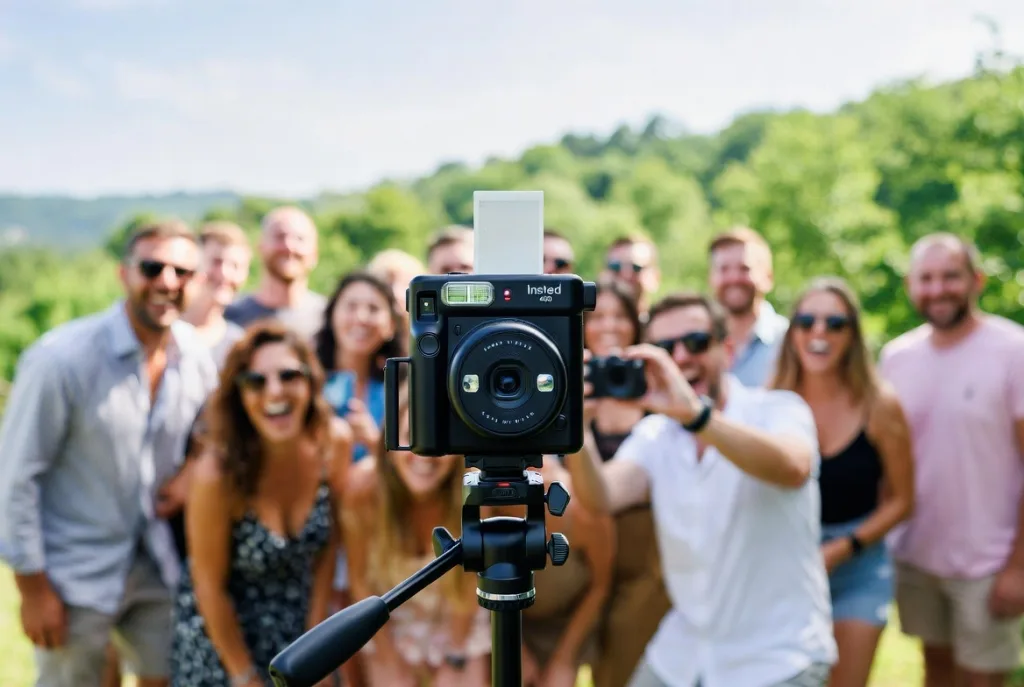
The Lever Self-Timer Revolution: Positioned prominently on the front, this analog-style lever lets you set a timer without menus. Gather everyone in frame and join the fun—no more rushing or missing shots. Perfect for family reunions, team events, or solo creative self-portraits.
Improved Ergonomics and Design: The updated body feels more balanced. The viewfinder relocation enhances usability, while the overall chunkier silhouette provides stability during handheld shooting.
Close-Up Lens Attachment: The included accessory brings subjects closer with a built-in mirror for easy selfie framing. It transforms the camera for detailed flower shots, product photography, or intimate portraits.
Adjustable Camera Stand Compatibility: Though not always included, the design supports stable positioning for timed or long-exposure-style creative work (within shutter limits).
Color Options Including Jet Black: The 2026 Jet Black variant appeals to those seeking a more professional or understated look alongside the original Sage Green.
These features maintain simplicity while adding versatility that photographers craved.
5. How the Instax Wide 400 Performs in Real-World Scenarios
Testing across various conditions highlights the camera’s strengths and character.
Group and Event Photography: The wide frame shines here. Entire wedding parties, concert crowds, or birthday celebrations fit naturally without stitching multiple shots. Colors pop vibrantly, especially in good lighting.
Landscape and Travel: Landscape mode ensures sharp distant subjects. The format captures horizons beautifully, making it ideal for road trips, hikes, and cityscapes. Print size adds drama to scenic memories.
Low-Light and Indoor Use: Automatic flash handles many situations well, though results can vary. Expect some grain and softer details in dim conditions—part of instant film’s charm.
Creative Experimentation: While lacking advanced controls like the Wide 300’s exposure compensation, users adapt with lighting, film choice, and composition. Double exposures require creative techniques since built-in support was removed.
Battery life supports around 100 prints per set of AAs, making it reliable for full-day events.
6. Instax Wide 400 vs. Wide 300: What Changed After 10 Years?
Many wonder if the upgrade justifies switching. Here’s a balanced comparison.
Improvements:
- Modern, sleeker design
- Intuitive self-timer lever
- Better ergonomics and grip
- Included close-up lens with mirror
- Refined viewfinder placement
Trade-offs:
- Loss of exposure compensation and flash on/off from predecessor
- No LCD screen or double-exposure mode
- Slightly higher price point
The Wide 400 prioritizes accessibility and group-friendly features over advanced controls. For pure simplicity seekers, it’s a win. Enthusiasts wanting more creativity might keep a Wide 300 or explore Lomography alternatives.
7. Creative Tips and Techniques for Stunning Wide Prints
Maximize your Instax Wide 400 with these practical ideas:
- Composition Rules: Use the wide frame for leading lines, layered scenes, or rule-of-thirds with ample negative space.
- Lighting Mastery: Shoot during golden hour for warm tones. Avoid harsh midday sun to prevent overexposure.
- Film Pairing: Mix color and black & white packs for artistic contrast in projects.
- Self-Timer Storytelling: Stage narrative sequences where you appear in multiple parts of the wide scene.
- Travel Journaling: Create physical scrapbooks with wide prints glued alongside notes—tactile memories that digital can’t match.
Experiment with intentional camera movement (within limits) or colored gels over the flash for unique effects.
“One of the most beautiful ways of capturing reality is through instant film—it transfers emotion directly onto paper.” — Inspired by classic Polaroid philosophy.
“Instant photography forces presence. You compose once, shoot once, and live with the result.” — Anonymous photographer reflecting on analog joy.
“The wide format doesn’t just capture moments—it embraces entire stories in one frame.” — Fujifilm community enthusiast.
8. Who Should Buy the Instax Wide 400? Target Audiences
This camera appeals across demographics:
- Families and Groups: Self-timer and wide prints perfect for inclusive memories.
- Travel Enthusiasts: Compact enough for bags yet impactful for documenting adventures.
- Content Creators: Unique physical prints for social media props, giveaways, or events.
- Beginners: Forgiving operation builds confidence quickly.
- Analog Purists: Those seeking screen-free experiences in a digital world.
At its price, it offers excellent value compared to hybrid models with higher costs and complexity.
9. Accessories, Film Costs, and Long-Term Ownership
Enhance your setup thoughtfully:
- Official camera case for protection
- Extra film packs (color, monochrome, border designs)
- Tripod mount adapter if needed
- Cleaning kits for lens maintenance
Film remains the ongoing cost—budget accordingly for regular use. Wide film packs typically yield 10 exposures, encouraging mindful shooting.
Maintenance is minimal: Store in cool, dry places and replace batteries as needed. The mechanical nature ensures longevity with basic care.
10. Common Questions and Expert Answers
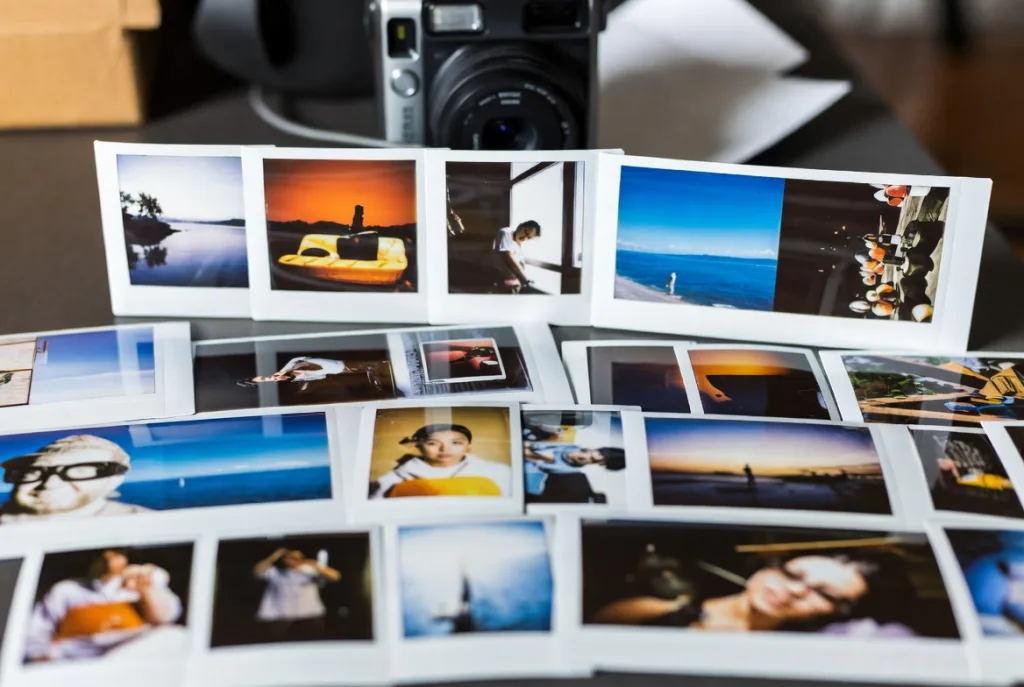
Is the image quality better than Mini format? The larger negative produces more detailed, immersive prints ideal for display.
How does it handle different weather? Performs well outdoors but protect from rain. Cold temperatures slow development.
Battery performance? Reliable for 100+ shots; carry spares for long outings.
Future-proofing? Fujifilm continues supporting Wide film, with new color variants like Jet Black showing ongoing commitment.
11. The Broader Impact on Instant Photography Culture
The Wide 400 reinforces Fujifilm’s dedication to analog fun amid digital dominance. It encourages sharing physical photos—tangible connections in an increasingly virtual society.
Communities thrive around trading prints, creating art books, and hosting instant photography workshops. This camera lowers barriers while expanding creative possibilities through its format.
12. Final Verdict: Why the Instax Wide 400 Stands Tall
The Instax Wide 400 successfully stretches instant photography’s potential. Its combination of wide-format grandeur, user-friendly operation, and fresh features creates an engaging experience from first click to developed print.
While not perfect for advanced manual control seekers, it excels at delivering joy, spontaneity, and memorable results. For anyone wanting bigger, bolder instant photos without complexity, this is a stellar choice.
Whether capturing family milestones, travel epics, or artistic experiments, the Wide 400 turns ordinary moments into extraordinary keepsakes.
Discover more from Tech-Brunch
Subscribe to get the latest posts sent to your email.


