


Uber, the global ride-hailing powerhouse, is charting an audacious new course that could reshape both the gig economy and the autonomous vehicle (AV) industry. In a bold strategic pivot announced recently, the company aims to transform its millions of independent drivers into a vast, distributed sensor grid. This initiative seeks to harvest unprecedented volumes of real-world driving data to accelerate self-driving technology development for partners and potentially other AI applications.
Praveen Neppalli Naga, Uber’s chief technology officer, outlined this vision during a recent TechCrunch StrictlyVC event, positioning it as a natural evolution of the company’s AV Labs program launched earlier in 2026. By equipping everyday driver vehicles with sophisticated sensor kits, Uber envisions creating one of the largest mobile data-collection networks on the planet—dwarfing what individual AV companies could achieve independently.
This move comes as Uber deepens partnerships with over 25 AV firms and invests heavily in robotaxi infrastructure. It signals a shift from pure mobility provider to a critical data and platform powerhouse in the age of physical AI. While promising massive innovation and new revenue streams, it also raises important questions about driver incentives, privacy, and the future of human-driven rides.
Uber’s Strategic Evolution in the Autonomous Era
Uber has long positioned itself as more than a ride-hailing app. After selling its original self-driving division in 2020, the company pivoted to a platform model—focusing on connecting demand with autonomous supply from partners. Today, it collaborates with leaders like Waymo, Lucid, Nuro, Rivian, and NVIDIA to scale robotaxis globally.
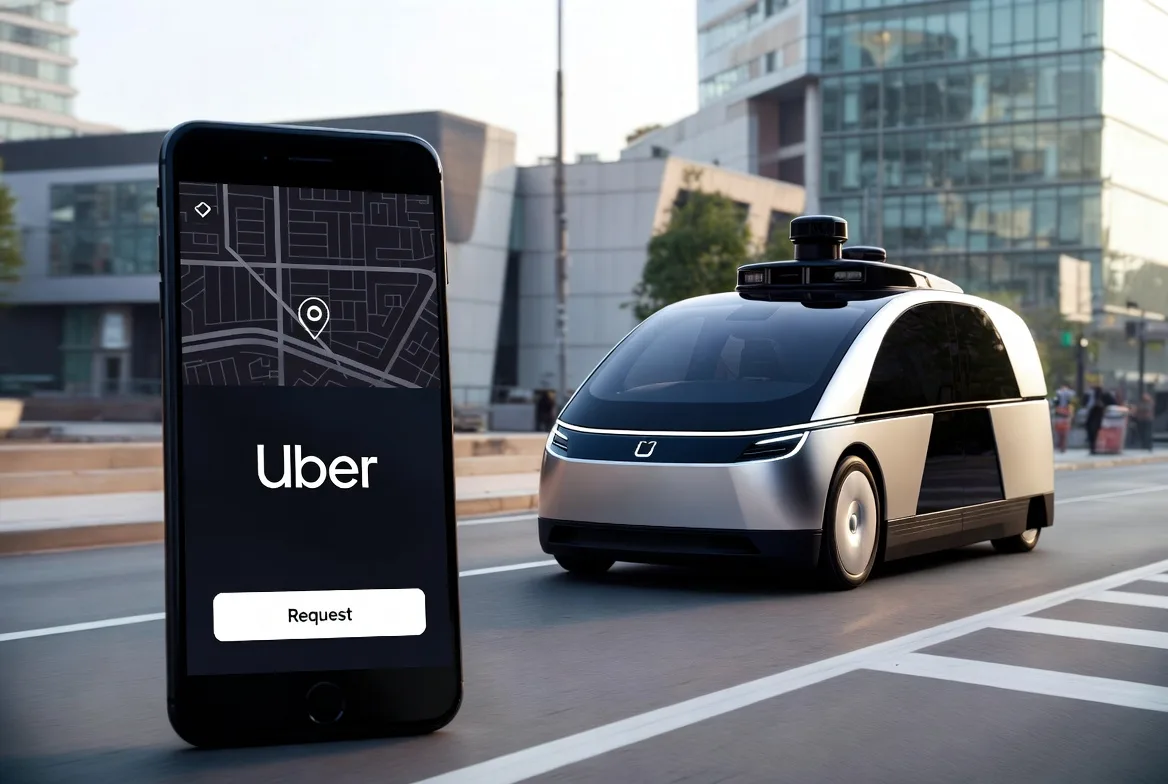
The new sensor grid plan builds on AV Labs, which already deploys dedicated fleets for data collection. Naga emphasized the long-term goal: “That is the direction we want to go eventually,” referring to outfitting human-driven vehicles. Even a fraction of Uber’s global driver base—numbering in the millions—could generate billions of miles of diverse, real-world data across countless cities, weather conditions, and scenarios.
This data is invaluable. AV companies crave edge cases: construction zones, erratic pedestrians, unusual weather, and rare traffic events that simulations struggle to replicate. Uber’s network offers unparalleled scale and variety, feeding into “AV cloud” libraries where partners query labelled sensor data or test models in shadow mode on live trips.
How the Sensor Grid Will Work
Initial efforts target fleet partners—third-party operators managing multiple vehicles. Customized exterior sensor kits will capture road conditions, weather, obstacles, and multi-modal data (cameras, LiDAR, radar) without invading passenger privacy. Uber plans gradual rollout to individual drivers, likely with opt-in incentives like higher earnings or equipment subsidies.
Data flows into secure, anonymized platforms for processing. Advanced labelling combines human and AI efforts, powering training for Level 4 autonomy and beyond. Partnerships with NVIDIA enhance this through joint data factories using powerful AI architectures for curation and simulation.


“Uber’s multi-sensor and dash cam data across global markets adds critical diversity and complexity to our training, accelerating commercialization.” — Kaity Fischer, VP at Wayve
This collaboration highlights how Uber’s grid could fast-track AV safety and deployment worldwide.
Transformative Benefits for the Industry and Uber
1. Unparalleled Data Scale and Diversity
Traditional AV fleets operate in limited geographies with controlled conditions. Uber’s millions of drivers span continents, capturing urban chaos, rural roads, extreme weather, and cultural driving variations. This diversity strengthens AI models against real-world unpredictability, reducing the notorious “long tail” of rare events that delay commercialization.
2. New Revenue Streams and Platform Resilience
Data licensing creates high-margin income independent of ride volume. As robotaxis proliferate, human drivers remain crucial for coverage in early stages or challenging areas. Uber monetizes its network in multiple ways: mobility, delivery, and now data infrastructure.
3. Accelerated Innovation Ecosystem
Partners gain a competitive edge with access to Uber’s “AV cloud” and shadow testing. This fosters faster iteration, safer systems, and broader adoption. Uber’s investments in AV partners further align incentives.
4. Driver Empowerment and Economic Opportunities
Equipped drivers could earn premiums for data contribution, offsetting potential robotaxi competition. It positions gig workers as active participants in technological progress rather than bystanders.
5. Broader AI Applications Beyond AV
Rich physical-world data extends to robotics, smart cities, insurance, urban planning, and general AI training—opening vast new markets.
“Our foundation model architecture allows us to unlock value from large-scale, diverse datasets to power any vehicle, anywhere, safely at scale.” — Kaity Fischer
Such endorsements underscore the transformative potential.
Challenges and Considerations Ahead
Despite the excitement, hurdles remain. Privacy is paramount; Uber emphasizes exterior-focused, anonymized collection with face-blurring and strict protocols. Regulatory approval varies by region, requiring navigation of data protection laws like GDPR.
Driver acceptance hinges on fair compensation, ease of installation, and minimal disruption. Concerns about surveillance or data misuse could arise. Technical challenges include standardizing kits across vehicle types and ensuring data quality.
“Uber wants to turn its millions of drivers into a sensor grid for self-driving companies.” — TechCrunch Headline (reflecting industry buzz)
This ambition must balance innovation with ethical responsibility.
Competitive Landscape and Market Implications
Uber isn’t alone. Competitors and AV players build their own fleets, but few match Uber’s organic scale. NVIDIA partnerships amplify capabilities through advanced compute and Cosmos platforms for physical AI.
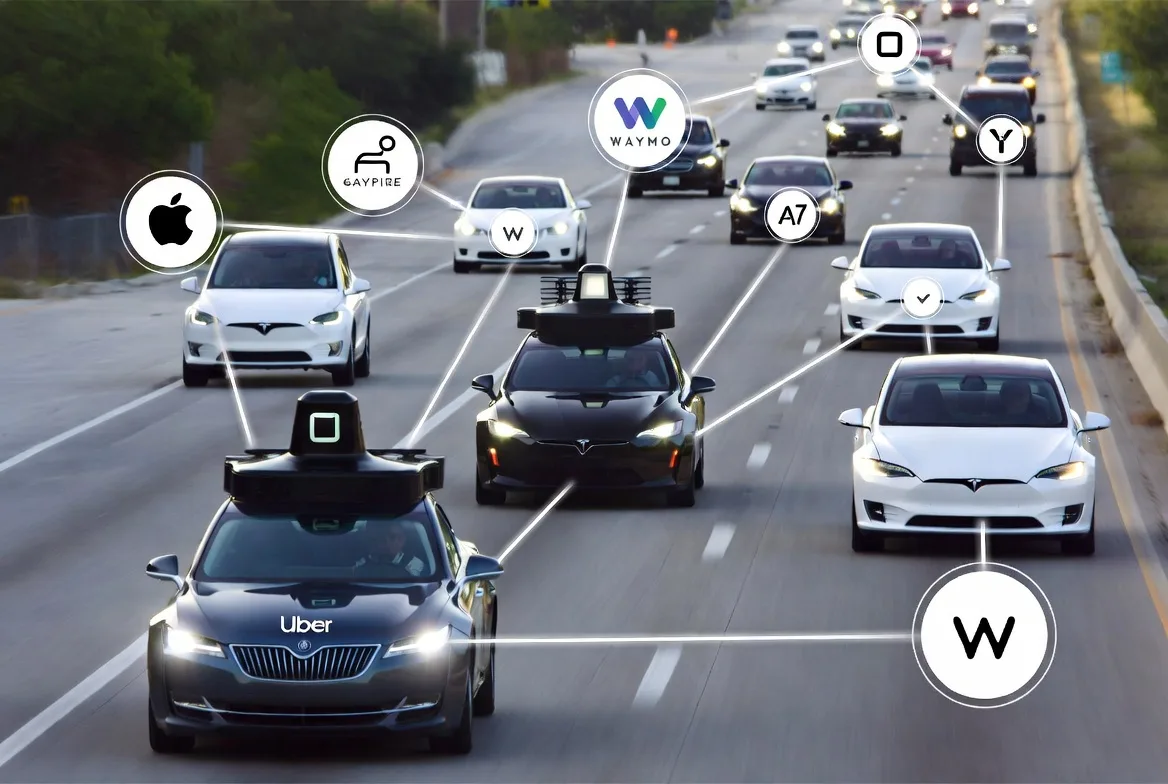
Success could cement Uber as the indispensable platform for autonomous mobility. Failures in execution or backlash might slow progress. Broader impacts include job shifts in driving sectors, accelerated urban redesign, and safer roads long-term.
Analysts see this as a savvy hedge: even as robotaxis grow, human drivers generate value through data. Uber’s global footprint provides unmatched coverage for training models deployable anywhere.
The Road to Widespread Adoption
Implementation will likely be phased. Fleet partners lead, followed by incentives for independents. Integration with existing apps keeps it seamless. Collaboration with OEMs ensures compatible hardware.
Regulatory engagement and transparency build trust. Investments in cybersecurity protect sensitive data streams. Continuous improvement via feedback loops refines the system.
For consumers, benefits include faster AV rollout, potentially lower costs, and enhanced safety features spilling into consumer vehicles. Cities gain better traffic insights for planning.
Looking Forward: A Data-Driven Mobility Future
Uber’s sensor grid vision exemplifies platform thinking at its boldest—leveraging existing assets for exponential value. By turning everyday commutes into contributions to AI advancement, it bridges human-driven present with autonomous tomorrow.

Challenges exist, but opportunities for innovation, economic growth, and societal benefit are immense. As Naga and team execute, the world watches how this gig economy giant redefines its role in the self-driving revolution.
This initiative could accelerate the timeline for safe, scalable autonomy while creating new paradigms for data economies. Uber’s millions of drivers may soon power not just rides, but the intelligence enabling the next transportation era.
The coming months will reveal execution details, partnerships, and driver response. One thing is clear: Uber is driving full speed toward a sensor-powered future that extends far beyond its original mission.
Discover more from Tech-Brunch
Subscribe to get the latest posts sent to your email.


