


In a dramatic shift that signals renewed ambition in the world’s largest auto market, French automaker Peugeot—under the Stellantis umbrella—has announced plans to produce vehicles in China. This move revives a long-standing partnership with Dongfeng Motor and positions the brand for significant growth both domestically and through exports.
After years of pulling back amid challenges, Peugeot is leveraging local manufacturing at Dongfeng’s Wuhan plant to introduce a fresh lineup of large sedans and SUVs tailored for Chinese consumers while eyeing international opportunities. The strategy highlights the ongoing importance of China for European brands seeking to regain momentum in a highly competitive landscape.

This development comes at a pivotal time. European carmakers continue to navigate complex dynamics in China, balancing innovation, localization, and partnerships. Peugeot’s decision underscores a pragmatic approach: combining European design flair with Chinese technological expertise and production efficiency.
Why Peugeot Is Doubling Down on China Production
Peugeot views China as a cornerstone of its future strategy. Alain Favey, Peugeot brand CEO, stated clearly: “Peugeot views China as key for its strategy going forward.” This sentiment reflects broader industry trends where established European names seek to rebuild presence in a market that once promised massive rewards but delivered intense competition and shifting consumer preferences.

The partnership with Dongfeng revives ties that date back to the early 1990s when PSA Group (Stellantis’ predecessor) formed a joint venture to tap into China’s booming auto sector. Over the years, the relationship faced hurdles, including quality concerns and market share declines for Peugeot in Europe that indirectly affected its global positioning. Stellantis has faced shrinking sales and output in recent periods, prompting a deep operational overhaul.
By producing at Dongfeng’s advanced Wuhan facility, Peugeot aims to combine its signature driving dynamics and stylish design with Dongfeng’s robust local technology and manufacturing capabilities. The vehicles will serve the Chinese market first, with plans to export China-built models to Peugeot’s overseas territories. The first new model from this initiative is slated for launch in 2027.
This localized production approach offers multiple advantages:
- Cost efficiency through established supply chains and economies of scale in China.
- Faster development cycles by integrating local engineering insights.
- Avoidance of certain import barriers while building stronger brand loyalty among Chinese buyers who prefer vehicles adapted to their preferences.
Analysts note that such moves help European brands counter declining premium status in some segments, where domestic Chinese manufacturers have gained ground with advanced electric and intelligent features.
Details of the New Peugeot Line up and Concept Reveal
At the Beijing Auto Show, Peugeot unveiled two striking concept cars that preview the upcoming range of large sedans and SUVs. These concepts blend Peugeot’s iconic lion emblem aesthetics with modern, spacious interiors suited for Chinese families and luxury seekers.
The production models will emphasize comfort, advanced driver-assistance systems, and powertrain options that align with evolving emissions regulations and consumer demand for efficient yet premium vehicles. While specifics on powertrains remain under wraps, the focus on “produced in China for China” suggests strong localization, including potential hybrid or electrified variants to meet local market expectations.
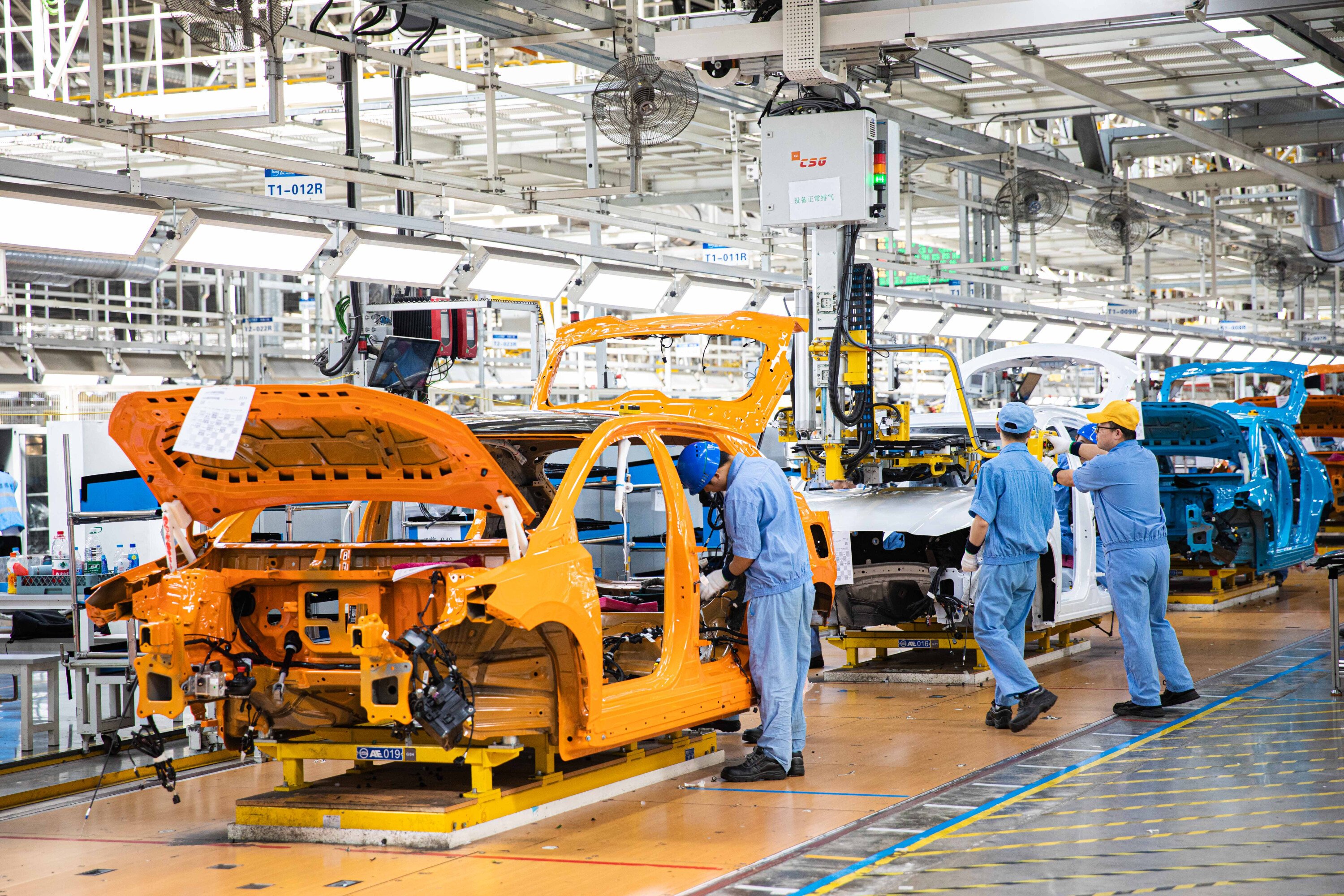
Stellantis confirmed that the cars will be manufactured at Dongfeng’s Wuhan plant. This facility has a long history of producing passenger vehicles and benefits from proximity to key suppliers and logistics networks in central China.
The revival also ties into wider discussions between Stellantis and Dongfeng about potential collaboration in Europe, where underutilized Stellantis plants could host Dongfeng-related production in exchange for enhanced support in China. Such reciprocal arrangements highlight the increasingly intertwined global auto supply chains.
Broader Context: European Carmakers’ Evolving China Strategy
Peugeot’s announcement is not isolated. Other European giants like Volkswagen, BMW, and Mercedes-Benz maintain significant operations in China, launching dozens of new energy vehicles (NEVs) tailored to local tastes. Volkswagen, for instance, plans over 20 electrified models in China in 2026 alone, with many developed and produced locally.
However, challenges persist. European brands have faced pressure from agile Chinese competitors offering advanced tech at competitive prices. Quality perceptions, regulatory shifts, and the rapid rise of domestic EVs have forced strategic recalibrations.
Stellantis itself has focused investments on core brands including Peugeot, Fiat, Ram, and Jeep. The China move forms part of a broader overhaul to restore growth. By partnering with Dongfeng—a state-backed powerhouse with deep roots in commercial and passenger vehicles—Peugeot gains access to proven production expertise and market intelligence.
This strategy echoes successful localization efforts across the industry. Local manufacturing not only reduces costs but also allows quicker adaptation to preferences like longer wheelbases for rear-seat comfort or integration of popular infotainment features.
Yet, risks remain. Past joint ventures encountered difficulties, and the competitive intensity in China’s auto sector demands continuous innovation. Peugeot must address lingering quality concerns from its European experience while delivering vehicles that stand out in a crowded field.
Economic and Industry Impact of Localized Production
Building cars in China carries significant implications. For Stellantis and Peugeot, it represents a commitment to the market rather than a retreat. It supports job creation in the supply chain and strengthens ties with local authorities and partners.
From a global perspective, China-built Peugeot vehicles exported overseas could introduce more affordable premium options to emerging markets, potentially boosting the brand’s international footprint. This “made in China” label for export is increasingly common as automakers optimize production locations based on expertise and cost.
The Wuhan plant’s role is central. As a modern facility with extensive capabilities, it enables high-volume output while incorporating advanced assembly techniques. Workers and engineers there will collaborate closely with Peugeot teams to ensure the final products meet stringent European-influenced quality standards alongside Chinese market requirements.
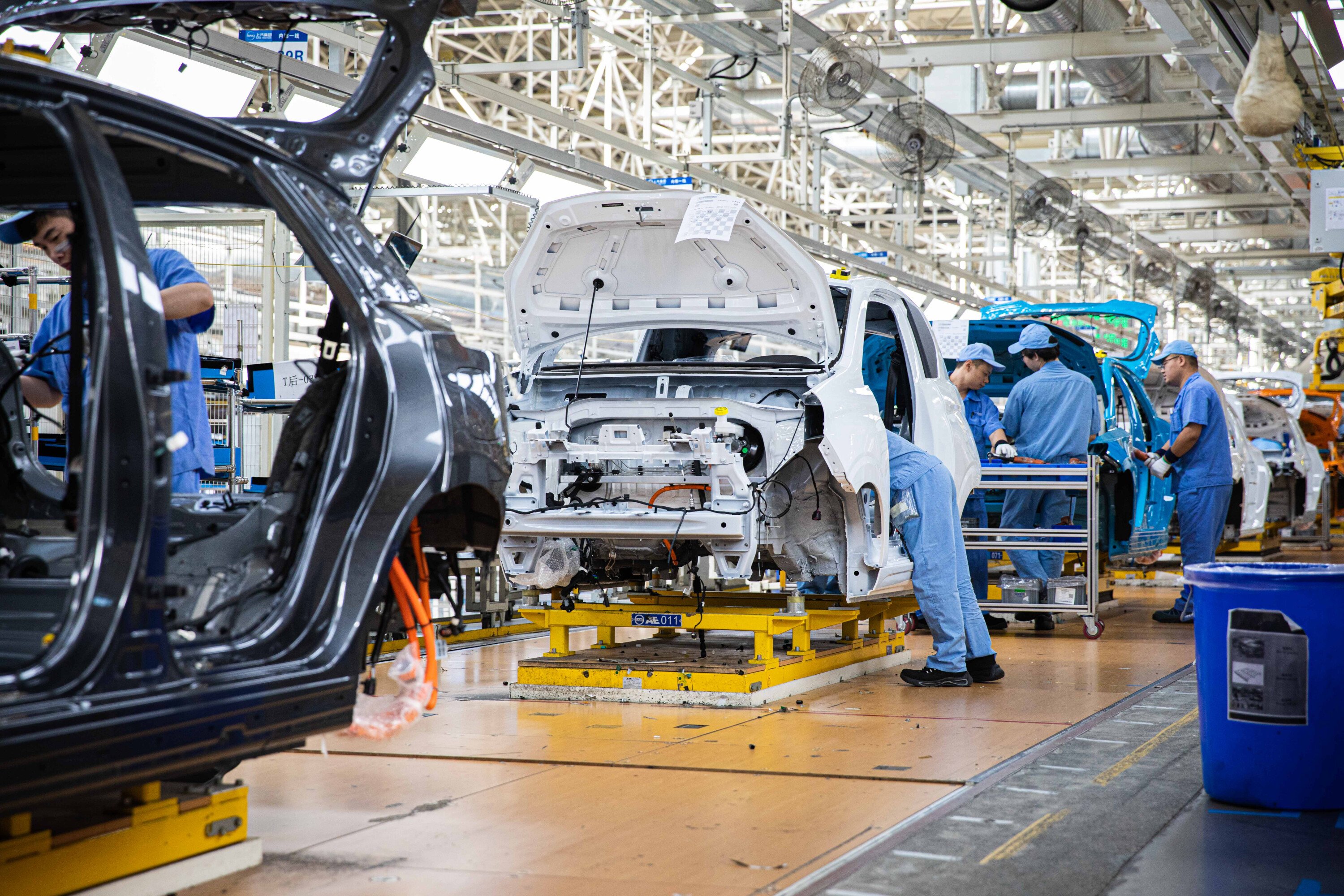
Industry observers point out that such partnerships help bridge technological gaps. Dongfeng brings strengths in certain platforms and electrification know-how, complementing Peugeot’s heritage in chassis dynamics and interior refinement.
This development also occurs amid wider EU-China auto trade discussions, including tariffs on imported EVs. Localized production provides a buffer against potential trade frictions while allowing brands to participate fully in China’s NEV transition.
Challenges and Opportunities Ahead for Peugeot in China
Re-entering or expanding in China is rarely straightforward. Peugeot must overcome past image issues related to quality and after-sales service that contributed to market share erosion. Building consumer trust will require consistent delivery on promises of reliability and innovation.
Competition is fierce. Chinese brands continue to push premium segments with feature-rich EVs priced aggressively. Younger buyers, in particular, gravitate toward domestic names perceived as technologically forward.
Opportunities, however, are substantial. China’s vast middle class and growing demand for spacious, tech-equipped family vehicles align well with the upcoming Peugeot sedans and SUVs. Successful execution could restore Peugeot’s relevance and contribute meaningfully to Stellantis’ global volumes.
The 2027 launch timeline gives the teams time to refine products through rigorous testing and customer feedback loops. Peugeot’s design language—elegant yet bold—could resonate strongly if paired with competitive pricing and comprehensive warranty offerings.
Expert and Industry Perspectives
Several voices in the auto sector have weighed in on similar strategies:
“Local production is essential for sustainable success in China. It allows brands to respond quickly to market shifts and build emotional connections with consumers.” – Automotive analyst commenting on foreign OEM localization trends.
Another executive perspective echoes Favey’s optimism: Partnerships like this enable “global scale with deep local roots,” a phrase Stellantis has used to describe its multi-brand approach.
A third relevant observation from industry watchers: “European flair combined with Chinese speed and scale can create compelling products that appeal across borders.”
These insights highlight the nuanced balance required—preserving brand identity while embracing local strengths.
What This Means for Consumers and the Future of Auto Manufacturing
For Chinese buyers, the new Peugeot models promise a blend of European sophistication and practical features developed with local input. Expect spacious cabins, advanced safety suites, and powertrains optimized for urban and highway driving conditions common in China.
International consumers may eventually benefit from exported versions, potentially offering value-driven alternatives in segments dominated by higher-priced imports.
On a broader scale, Peugeot’s move exemplifies the globalization of auto production. No single region holds a monopoly on innovation or manufacturing excellence anymore. Success depends on agile collaboration, smart localization, and relentless focus on customer needs.
As the industry hurtles toward electrification and intelligent mobility, partnerships such as Stellantis-Dongfeng will likely become more common. They accelerate development, share risks, and pool resources in a capital-intensive business.
Final Thoughts on Peugeot’s Ambitious China Comeback
Peugeot’s decision to build cars in China through its Dongfeng partnership marks a bold and calculated step toward revival. By producing at the Wuhan plant and unveiling preview concepts in Beijing, the brand is signalling seriousness about reclaiming relevance in a vital market.
While challenges around competition, quality perception, and execution remain, the potential rewards—renewed growth, export opportunities, and strengthened technological capabilities—are significant. The first models arriving in 2027 will serve as a critical test of this strategy.
In an era of rapid transformation, Peugeot’s story reminds us that adaptability and strategic alliances often determine long-term success in the global automotive arena. Watch this space as the lion emblem prepares to roar louder in China and beyond.
Quotes:
- “Peugeot views China as key for its strategy going forward.” – Alain Favey, Peugeot Brand CEO.
- “The new concept cars prefigure a new lineup of large sedans and SUVs, produced in China for China, as well as for export.” – Stellantis statement on the Beijing reveal.
- “Partnerships enable global scale with deep local roots.” – Representative reflection on Stellantis’ multi-brand and regional approach.
Discover more from Tech-Brunch
Subscribe to get the latest posts sent to your email.


