


In a landmark development set to reshape agricultural trade ties, China’s decision to implement a zero-tariff policy on imports from 53 African countries—including South Africa—starting May 1, 2026, is delivering fresh momentum to the pecan sector. This bold move eliminates the existing 7% tariff on South African pecans, creating greater market certainty and boosting grower confidence across the Western Cape and beyond.
Cobus van Rensburg, general manager of the South African Pecan Nut Producers Association (SAPPA), hailed the policy as a win-win for both nations. Speaking from the association’s office in Paarl, near Cape Town, he emphasized how the change will strengthen long-term partnerships and open doors for expanded production and investment in South Africa’s thriving pecan industry.

South Africa has rapidly emerged as a global pecan powerhouse, with China serving as its dominant export destination. Over 90-95% of the country’s in-shell pecans flow to Chinese buyers, drawn by the nuts’ superior quality, consistent supply, and competitive pricing. The zero-tariff initiative removes a key cost barrier, making South African pecans even more attractive in a market hungry for premium tree nuts.
This policy builds on earlier announcements from the Forum on China-Africa Cooperation and represents a significant step in deepening economic collaboration. For pecan growers in regions like Limpopo, Northern Cape, and the Western Cape, the tariff elimination translates directly into improved margins, enhanced planning security, and incentives to scale orchards sustainably.
Understanding China’s Zero-Tariff Policy and Its Broad Impact on Africa
China’s unilateral zero-tariff treatment covers 100% of tariff lines for goods from 53 African countries with diplomatic relations (excluding Eswatini). Effective from May 1, 2026, the measure aims to boost trade, support African economic growth, and foster mutual prosperity.
For agriculture specifically, the policy levels the playing field for exporters facing previous duties. In the case of pecans, the reduction from 7% to zero removes a notable financial hurdle that previously affected landed costs in China.
Industry leaders view this as more than a simple duty cut—it signals long-term commitment. Predictable trade rules encourage investment in farming infrastructure, processing facilities, and quality assurance systems that meet stringent Chinese import standards.
South African officials, including Agriculture Minister John Steen huisen in related comments on other sectors, have described similar tariff removals as potential “game changers” for agricultural exports. The pecan industry now joins fruits, wine, and other nuts in benefiting from enhanced access to the world’s largest consumer market.
South Africa’s Pecan Success Story: Record Production and Export Dominance
The South African pecan industry has achieved remarkable growth in recent years. In 2024, total production hit a record 37,157 metric tons, while in-shell exports reached 33,708 metric tons. By 2025, exports to China alone climbed to approximately 47,597 tons, representing around 94.7% of total production.
These figures underscore South Africa’s transformation into China’s top pecan supplier, surpassing traditional leaders like the United States in recent seasons. Chinese buyers appreciate the high-quality, well-sized nuts produced under favourable climatic conditions in South Africa, often featuring excellent kernel fill and flavour profiles.
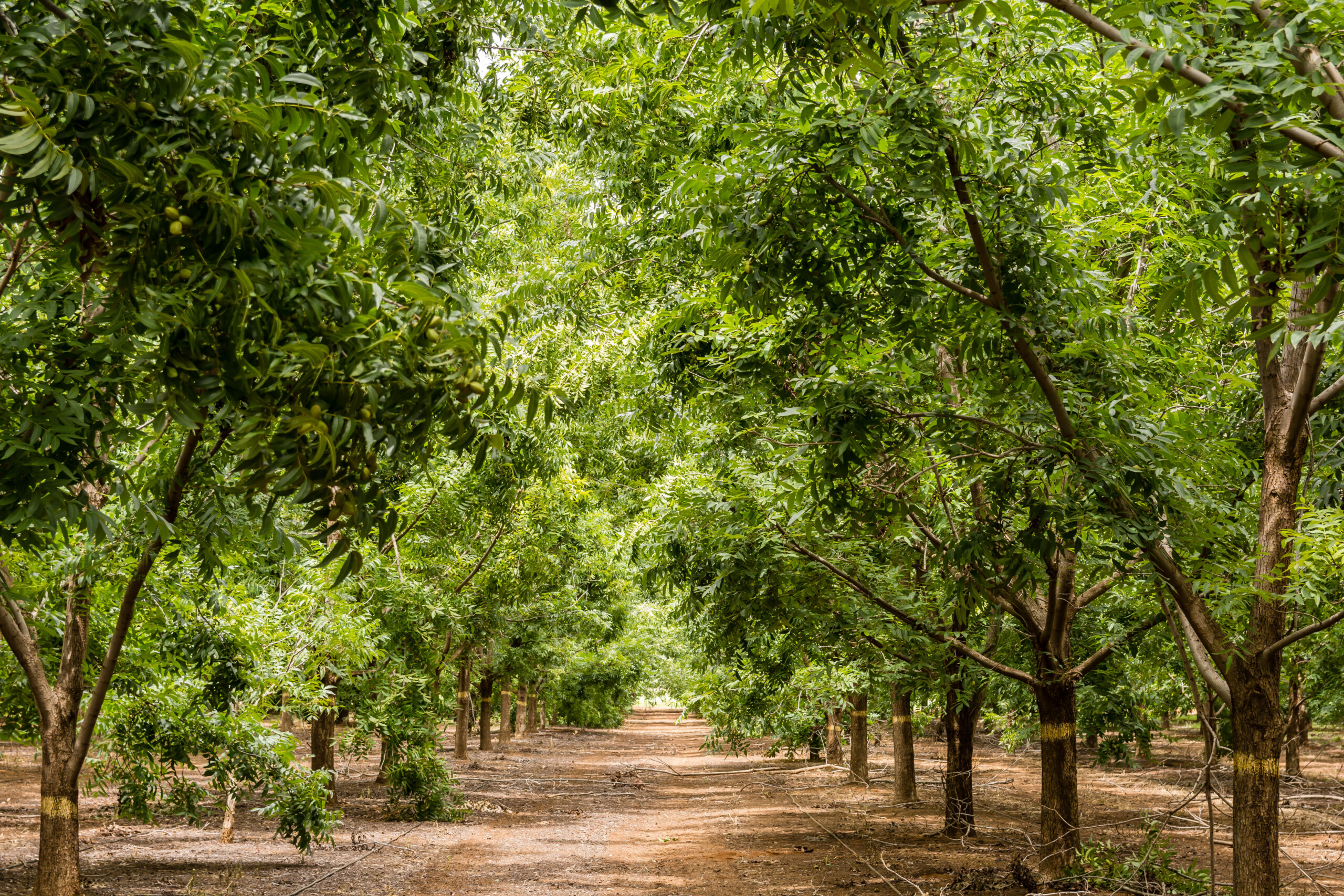
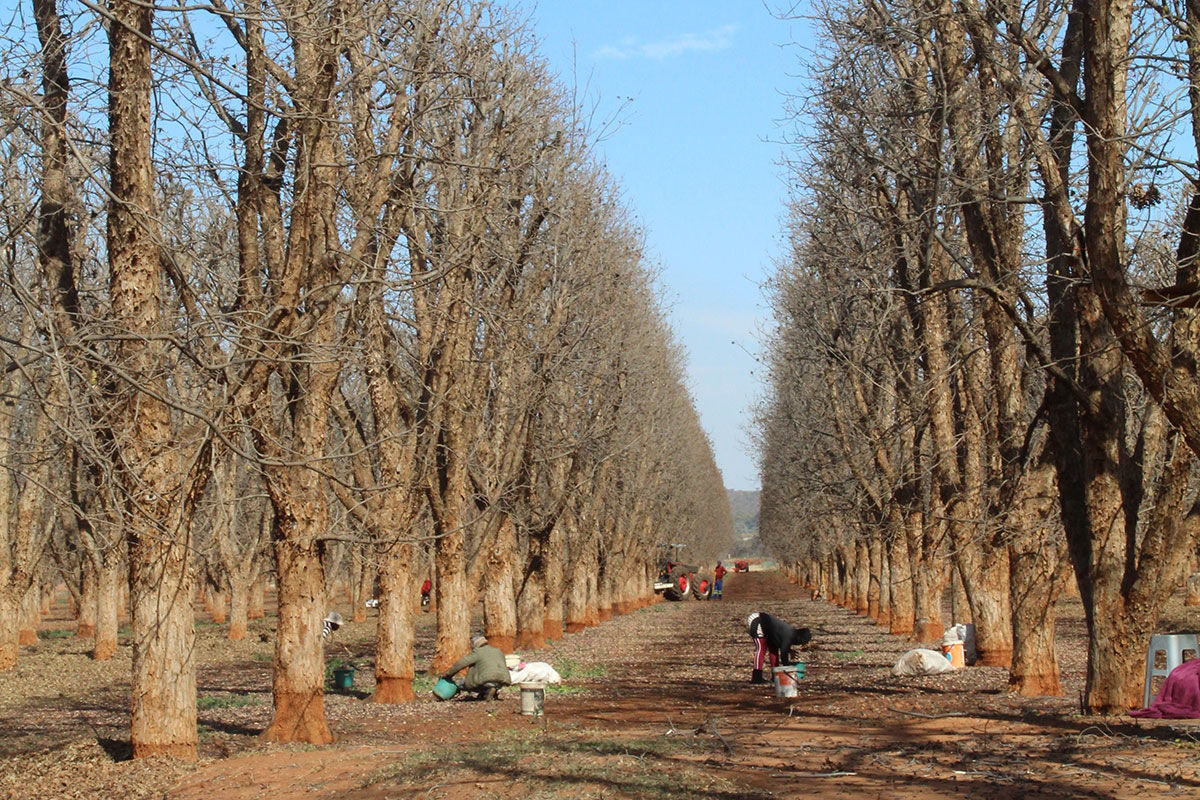
Pecan orchards have expanded steadily, supported by advanced irrigation, grafting techniques, and research into suitable cultivars. Growers benefit from a relatively long harvest window and the nuts’ storability, allowing efficient logistics to distant markets.
SAPPA plays a pivotal role in coordinating these efforts, providing members with market intelligence, technical support, and advocacy on trade issues. The association’s work has helped position South African pecans as a reliable, premium choice amid global supply fluctuations.
Direct Benefits for Pecan Growers: Certainty, Margins, and Expansion Potential
Van Rensburg highlighted how the zero-tariff policy injects greater certainty into business planning. Previously, the 7% duty added uncertainty to pricing negotiations and profitability forecasts. Removing it allows growers to focus on quality improvements, yield optimization, and sustainable practices rather than absorbing external cost pressures.
Improved margins could accelerate reinvestment in new plantings, modern processing equipment, and water-efficient technologies—critical in a country facing climate variability. Many producers already pre-book significant portions of their crop; enhanced competitiveness may lead to even stronger forward contracts with Chinese importers.
The policy also mitigates risks from competing suppliers. With China investigating potential dumping from other origins, South African pecans stand to gain further market share through fair, tariff-free access.
For smaller and emerging growers, this stability fosters confidence to enter or scale operations, contributing to rural job creation and economic development in pecan-growing regions.
How the Policy Strengthens China-South Africa Trade Relations
Beyond pecans, the zero-tariff framework signals a maturing partnership between China and South Africa. It complements existing phytosanitary protocols that already facilitate smooth nut exports, ensuring compliance with food safety and plant health requirements.
Reciprocal benefits emerge as Chinese consumers gain reliable access to high-quality, nutritious pecans—valued for their heart-healthy fats, protein, and versatility in snacks, baking, and cuisine. Chinese traders and processors can plan imports with reduced cost volatility, supporting stable supply chains.
This move aligns with broader China-Africa cooperation goals, emphasizing shared prosperity through trade rather than aid. For South Africa, it diversifies export destinations while deepening ties with a key strategic partner.
Analysts note that such policies help African nations move up the value chain by encouraging value-added processing and branding efforts targeted at sophisticated markets.
Challenges and Opportunities Facing the Pecan Industry
While the tariff cut brings optimism, the industry must navigate several factors. Global pecan supply dynamics, including weather impacts in major producing regions, can influence prices. South African growers must maintain strict quality controls to uphold their reputation.
Sustainability remains a priority. Expanding production requires responsible water use, biodiversity protection, and climate-resilient practices. SAPPA and its members are increasingly focusing on these areas to ensure long-term viability.
Opportunities abound in product diversification. While in-shell exports dominate, potential exists for shelled kernels, flavoured snacks, and ingredients tailored to Chinese preferences. Investment in local processing could capture more value domestically before export.
Logistics and shipping efficiency will also play a role. Reliable cold-chain and container availability are essential for delivering fresh, high-quality nuts over long distances.
Expert Insights and Voices from the Industry
Several key perspectives underscore the significance of this development:
“China’s upcoming zero-tariff measures will bring greater certainty and confidence to South Africa’s pecan industry and represent a win-win policy for both countries.” – Cobus van Rensburg, General Manager, South African Pecan Nut Producers Association.
“Once the zero-tariff policy is implemented, demand for South African pecans is expected to rise significantly, creating new opportunities for industry growth, investment and long-term trade partnerships between the two countries.” – Cobus van Rensburg, reflecting on market forecasts.
“Over 90 percent of South Africa’s pecans are exported to China, making it a very good market for us.” – Van Rensburg, highlighting the depth of the existing trade relationship.
These statements capture the blend of enthusiasm and pragmatism driving the sector forward.
What This Means for Growers, Consumers, and Global Trade
For South African pecan farmers, the policy offers a clear pathway to sustained growth. Enhanced profitability supports farm improvements, technology adoption, and workforce development, benefiting entire communities.
Chinese consumers stand to enjoy more affordable access to premium pecans, potentially increasing incorporation into daily diets and festive occasions where nuts feature prominently.
On the global stage, this exemplifies how targeted trade policies can stimulate agricultural sectors in developing economies while meeting demand in large consumer markets. It encourages other nations to pursue similar mutually beneficial arrangements.
The timing aligns well with South Africa’s harvest cycles, allowing seamless integration into China’s import planning.
Looking Ahead: A Bright Future for South African Pecans in China
As May 1, 2026, approaches, the pecan industry is gearing up for heightened activity. SAPPA continues engaging with stakeholders to maximize the policy’s advantages through targeted marketing, quality assurance, and relationship-building with Chinese partners.
Growers are optimistic that this tariff relief will catalyse further expansion, innovation, and resilience in the face of climate and market challenges. The association’s proactive stance positions members to capitalize on emerging trends in nut consumption.
In the broader context of South Africa-China relations, the zero-tariff policy on pecans serves as a tangible example of cooperation yielding real economic gains. It reinforces trust and paves the way for collaboration in other agricultural and value-added sectors.
South Africa’s pecan story illustrates how strategic policy alignment, combined with industry excellence, can transform opportunities into lasting success. With China as a steadfast partner, the future looks promising for this golden nut from the southern tip of Africa.
Relevant Quotes:
- “China’s upcoming zero-tariff measures will bring greater certainty and confidence to South Africa’s pecan industry and represent a win-win policy for both countries.” – Cobus van Rensburg, SAPPA General Manager.
- “Over 90 percent of South Africa’s pecans are exported to China, making it a very good market for us.” – Cobus van Rensburg.
- “Demand for South African pecans is expected to rise significantly, creating new opportunities for industry growth, investment and long-term trade partnerships.” – Industry reflection on the policy’s impact.
Discover more from Tech-Brunch
Subscribe to get the latest posts sent to your email.


