In a surprising turn of events that’s sending ripples through the tech industry, Meta Platforms is dusting off its long-dormant smartwatch ambitions. The company, best known for its social media empire including Facebook and Instagram, is reportedly bringing back the “Malibu 2” project—a smartwatch that promises to blend cutting-edge AI with everyday health tracking. This revival comes at a time when the wearables market is exploding with AI innovations, pitting Meta against giants like Apple, Google, and Samsung. As consumers increasingly seek devices that do more than just tell time, Meta’s move could redefine how we interact with technology on our wrists.
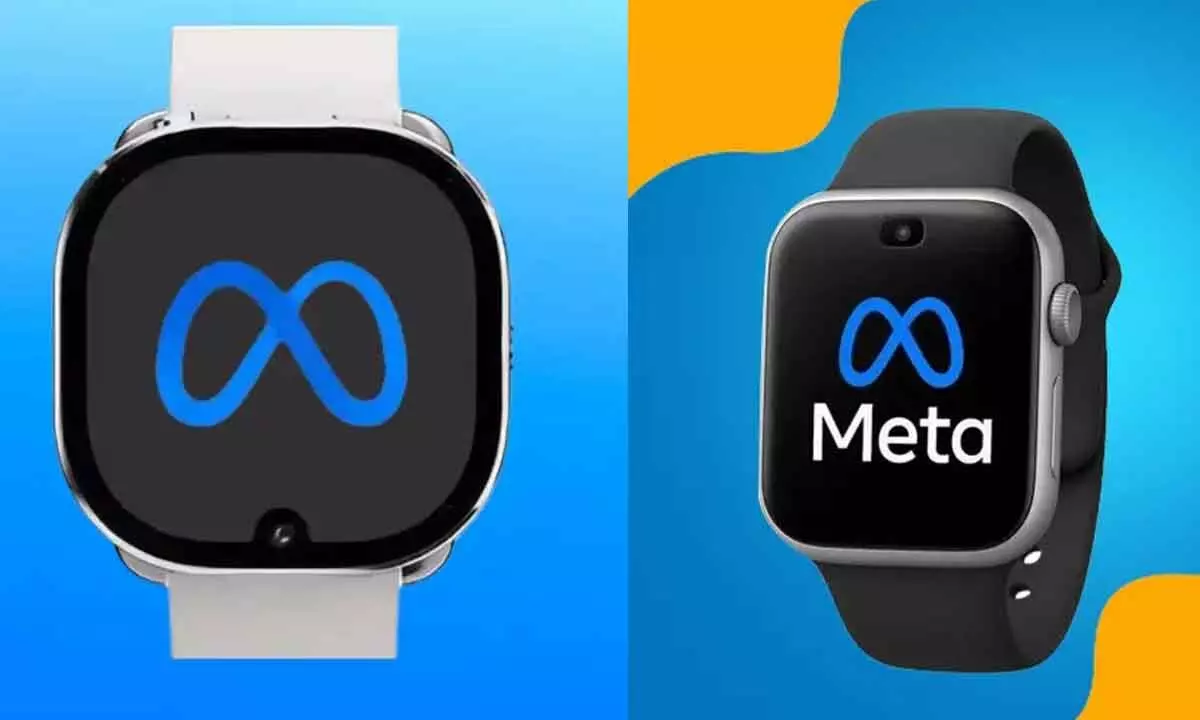
The news broke amid whispers from industry insiders, signaling Meta’s intent to launch the device later in 2026. With AI becoming the buzzword of the decade, this smartwatch isn’t just another gadget; it’s a strategic play to expand Meta’s ecosystem beyond smartphones and virtual reality headsets. But what does this mean for users, and how does it stack up in a crowded field? Let’s dive deeper into the details.
The History Behind Meta’s Smartwatch Journey
Meta’s foray into smartwatches isn’t entirely new. Back in the early 2020s, the company—then still called Facebook—began exploring wearable technology as part of its broader push into hardware. Reports from that era described a prototype with ambitious features, including not one, but three built-in cameras for video calls and augmented reality experiences. This initial project aimed to create a device that could seamlessly integrate with Meta’s social platforms, allowing users to capture moments directly from their wrist.
However, in 2022, amid economic pressures and internal restructuring, Meta shelved the smartwatch initiative. The decision was part of broader cost-cutting measures in its Reality Labs division, which had been hemorrhaging billions in pursuit of metaverse dreams. At the time, the company shifted focus to other ventures, like its Quest VR headsets and partnerships in smart glasses. Many analysts wrote off Meta’s wearable ambitions as a failed experiment, especially given the dominance of Apple’s Watch series, which had captured over 50% of the global smartwatch market by then.
Fast forward to 2026, and the landscape has changed dramatically. The explosion of artificial intelligence, fueled by advancements in large language models and machine learning, has breathed new life into wearables. Meta, under CEO Mark Zuckerberg’s vision, has repositioned itself as an AI powerhouse. The success of its Llama AI models and integrations across its apps has given the company confidence to revisit hardware. The “Malibu 2” revival is a testament to this shift, drawing on lessons from past failures to create a more focused, AI-centric device.
This isn’t Meta’s first rodeo in wearables, either. The company has found unexpected success with its Ray-Ban smart glasses, developed in partnership with EssilorLuxottica. In 2025 alone, Meta shipped nearly 7 million units of these AI-powered glasses, far exceeding initial expectations. Features like real-time language translation, object recognition, and hands-free social media posting have made them a hit among tech enthusiasts and everyday users. The smartwatch revival builds on this momentum, positioning “Malibu 2” as a companion device that could enhance the glasses’ functionality.
Unveiling the Malibu 2: Features and Innovations
So, what can we expect from the “Malibu 2”? While official details remain under wraps—Meta has declined to comment on the reports—the leaks paint a picture of a sophisticated wearable designed for the AI era. At its core, the smartwatch will include standard health-tracking capabilities, such as heart rate monitoring, sleep analysis, and activity tracking—features that have become table stakes in the industry.
But where “Malibu 2” aims to stand out is its deep integration with Meta’s AI assistant. Imagine a wrist-based companion that not only tracks your steps but also offers personalized health insights, like suggesting workout adjustments based on your sleep data or reminding you to hydrate during a hot day in Cape Town. The AI could go further, integrating with Meta’s social ecosystem to provide contextual notifications, such as alerting you to a friend’s nearby event or summarizing news feeds tailored to your interests.
One intriguing aspect is the potential for gesture-based navigation. Building on Meta’s earlier work with neural wristbands, the watch might detect subtle wrist movements to control AR interfaces or interact with paired devices. This could eliminate the need for touchscreens in certain scenarios, making interactions more intuitive and less distracting. Unlike the original prototype’s camera-heavy design, the revived version may forgo onboard cameras, relying instead on integration with smart glasses for visual tasks.
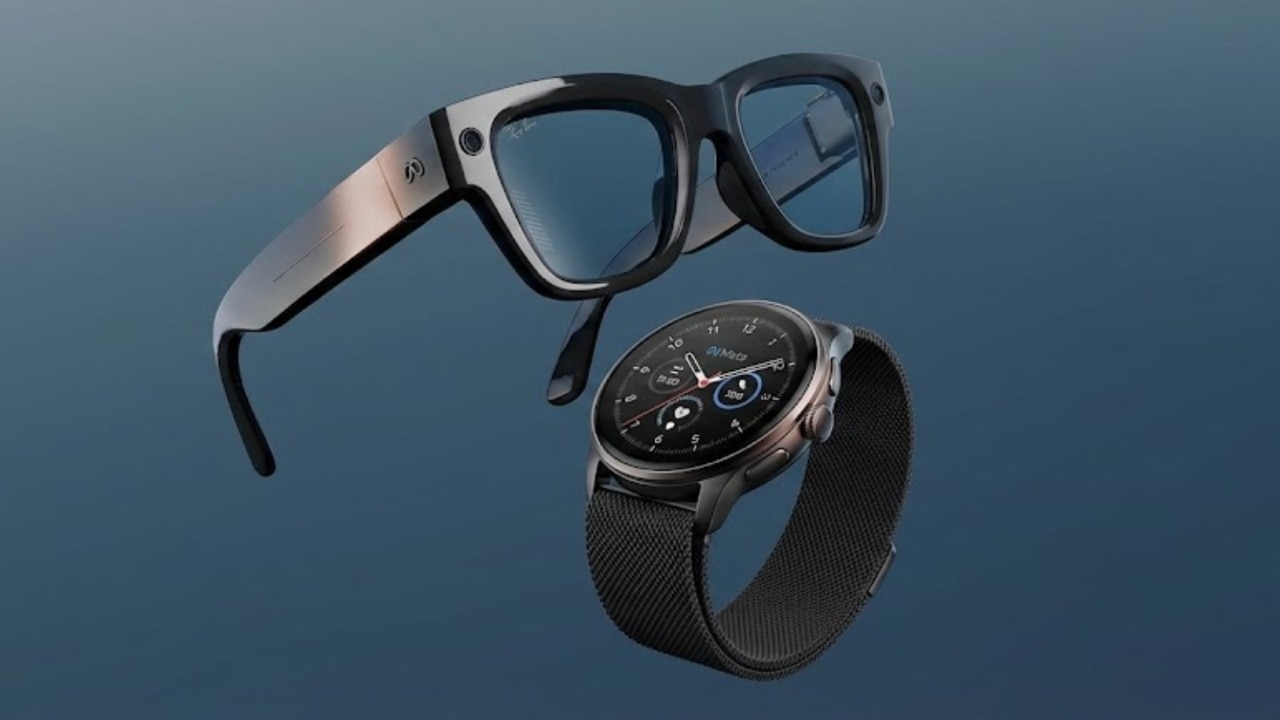
The device is codenamed “Malibu 2,” suggesting it’s an evolution rather than a complete redesign. Rumors point to a possible debut at Meta’s Connect developer conference in September 2026, potentially alongside the next iteration of Ray-Ban glasses. Pricing and availability are unknowns, but given Meta’s recent supply chain issues—such as pausing global rollout of its smart glasses due to high U.S. demand—international markets like South Africa might see delays.
In terms of hardware, expect a sleek design that prioritizes comfort for all-day wear. Battery life will be crucial, as AI features can be power-hungry. Meta’s experience with efficient AI processing in its glasses could help here, potentially offering multi-day usage on a single charge. Connectivity-wise, it will likely support Bluetooth for smartphone pairing and Wi-Fi for standalone AI queries.
The Heating AI Wearables Race: Competitors and Market Dynamics
Meta’s entry—or re-entry—into smartwatches couldn’t come at a more competitive time. The AI wearables market is projected to reach $150 billion by 2030, driven by advancements in health monitoring and personalized AI. Apple, with its Watch Ultra series, continues to lead, boasting features like advanced ECG monitoring and crash detection, all enhanced by Siri and on-device AI.
Google’s Pixel Watch line, integrated with Fitbit’s health tech, offers AI-driven insights through Google Gemini, such as personalized coaching and anomaly detection in vital signs. Samsung’s Galaxy Watch, powered by Wear OS, has embraced AI with features like sleep apnea detection and energy score calculations. Even smaller players like Garmin and Whoop are incorporating AI for performance optimization.
What sets Meta apart? Its focus on an interconnected ecosystem. By pairing “Malibu 2” with Ray-Ban glasses, Meta could create a seamless AR experience—think navigating directions via wrist gestures while viewing overlays in your glasses. This holistic approach might appeal to users invested in Meta’s platforms, offering social features that competitors lack, like instant sharing of health milestones to Instagram stories.
However, challenges abound. Privacy concerns have plagued Meta in the past, and a device that collects health data could amplify scrutiny. Regulatory hurdles, especially in regions with strict data laws like the EU, might slow adoption. Moreover, entering a market dominated by Apple (which holds about 22% of global wearable shipments) requires more than just AI hype—it needs reliability and user trust.
The broader industry trend is toward AI as a differentiator. Companies are racing to embed generative AI into wearables, from Oura Ring’s symptom prediction to Humane’s AI Pin. Meta’s revival underscores this shift, as AI not only enhances functionality but also drives sales. In 2025, AI wearables saw a 40% year-over-year growth, largely thanks to health-focused innovations post-pandemic.
Potential Impact on Consumers and the Tech Landscape
For consumers, “Malibu 2” could democratize advanced AI wearables. If priced competitively—perhaps under $300, based on Meta’s affordable hardware strategy—it might attract budget-conscious users who want AI smarts without Apple’s premium tag. Imagine a watch that acts as a personal trainer, nutritionist, and social connector all in one, leveraging Meta’s vast data trove (anonymously, of course) for hyper-personalized advice.
On the flip side, over-reliance on AI raises questions about accuracy and dependency. What if the AI misinterprets health data? Meta will need robust safeguards, including partnerships with medical experts, to build credibility.
Looking ahead, this revival signals Meta’s commitment to hardware as a pillar of its AI strategy. With projects like the delayed “Phoenix” MR glasses pushed to 2027, “Malibu 2” serves as a bridge, keeping momentum alive. It could pave the way for more integrated devices, blurring lines between wearables, AR, and everyday computing.
In South Africa, where wearable adoption is growing at 15% annually, devices like this could boost health awareness, especially in urban areas like Cape Town. Local challenges, such as data costs and connectivity, might influence Meta’s rollout, perhaps with offline AI modes.
Challenges and Future Outlook
No tech revival is without hurdles. Meta’s Reality Labs has lost over $50 billion since 2019, and another hardware flop could strain resources. Success will depend on execution: seamless integration, long battery life, and compelling AI features that solve real problems.
Experts are cautiously optimistic. Industry analysts note that Meta’s glasses success—shipping 6 million units last year—provides a blueprint. If “Malibu 2” can replicate that, it might capture 5-10% market share within two years.
The AI wearables race is heating up, and Meta’s entry adds fuel to the fire. Whether “Malibu 2” becomes a game-changer or another footnote in tech history remains to be seen. For now, it’s a bold step forward, reminding us that in the world of technology, revival is always possible.
As we await official announcements, one thing is clear: the future of wearables is intelligent, interconnected, and increasingly on our wrists. Stay tuned for more updates as this story develops.
Discover more from TECH-BRUNCH
Subscribe to get the latest posts sent to your email.