In the relentless race for the slimmest flagship smartphones, Honor Magic 8 has just delivered a masterclass that leaves Apple and Samsung looking outdated. The newly launched Magic 8 Pro Air — at just 6.1 mm thick and a featherlight 155 g — doesn’t merely compete with the iPhone Air and Galaxy S25 Edge; it exposes their fundamental flaws by refusing to sacrifice battery life, cameras, or everyday usability for headline-grabbing thinness.

While Apple’s iPhone Air clocks in at 5.6 mm and Samsung’s S25 Edge hovers around 5.8 mm, both giants compromised heavily to hit those numbers. Honor, however, packed a massive 5,500 mAh battery, a dedicated 64 MP periscope telephoto, IP69 rating, and flagship Dimensity 9500 performance into a body that feels more balanced and practical than either rival. Launched in January 2026 and already generating buzz across South Africa, this device is redefining what “thin” should mean in 2026 — proving that true innovation balances form with function rather than chasing records at the expense of real-world value.
For users in Cape Town juggling long commutes, content creation, and all-day reliability, the Magic 8 Pro Air feels like the phone Apple and Samsung should have built. Here’s the full breakdown of why Honor got it right — and the others missed the mark.
Design Mastery: Slim Without Sacrifices
The Magic 8 Pro Air measures precisely 6.1 mm at its thinnest point (excluding the tasteful camera island) yet weighs only 155 g — 10 g lighter than Apple’s iPhone Air despite a larger 6.31-inch quad-curved OLED display. Its metal frame and IP69 dust/water resistance make it more durable than the iPhone Air’s Ceramic Shield setup, while the compact 150.5 × 71.9 mm footprint sits perfectly in one hand.
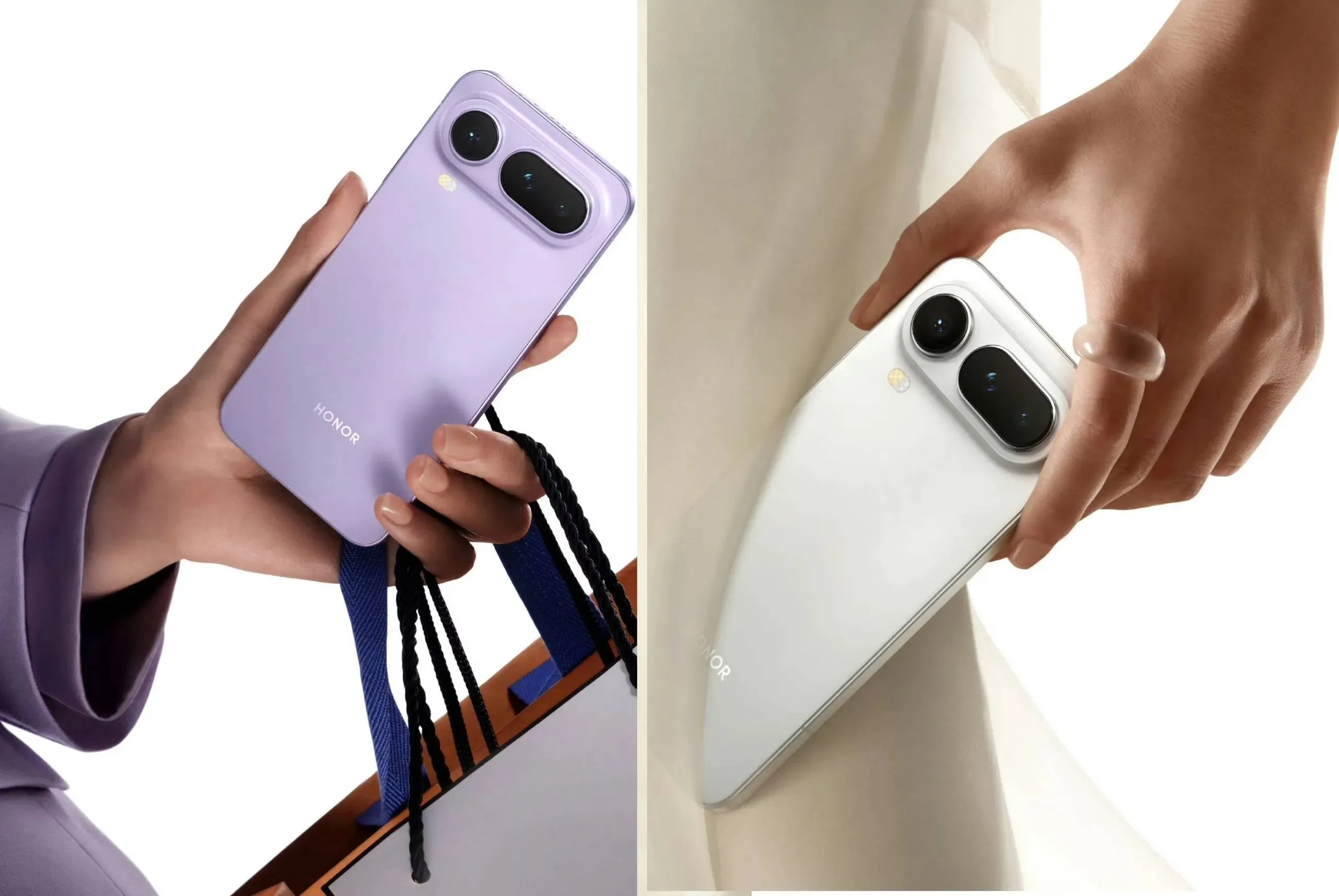
Apple’s iPhone Air, at 5.64 mm, feels premium with titanium but arrives with noticeable compromises elsewhere. Samsung’s Galaxy S25 Edge pushes similar thinness but ends up feeling fragile in daily use. Honor strikes the perfect middle ground: slim enough to impress, substantial enough to trust.
Battery Revolution: 5,500 mAh in a 6.1 mm Body
This is where Honor delivers the knockout blow. The Magic 8 Pro Air houses a 5,500 mAh silicon-carbon cell — more than double the iPhone Air’s capacity and nearly 50 % larger than the Galaxy S25 Edge’s — while supporting 80 W wired and 50 W wireless charging. Users routinely report two full days of heavy use without reaching for a charger.

Apple and Samsung prioritised millimetres over milliamp-hours, forcing users into frequent top-ups or bulky cases. Honor refused that trade-off, proving thin phones can — and should — deliver flagship endurance.
Camera Excellence: Real Zoom, Not Marketing Hype
Honor equips the Magic 8 Pro Air with a versatile triple-camera array headlined by a 50 MP main and a dedicated 64 MP 3.2× periscope telephoto offering true optical zoom plus AI-enhanced 100× capability. Colour science and low-light performance rival or exceed the iPhone Air’s simpler 48 MP setup and Samsung’s more crowded but less practical arrangement.
The iPhone Air relies on digital cropping and software tricks for zoom, while the S25 Edge’s 200 MP sensor sounds impressive on paper but struggles with heat and processing in its ultra-slim chassis. Honor delivers usable, versatile photography without excuses.
Performance & Software: Flagship Power Without Heat
Powered by the MediaTek Dimensity 9500 and up to 16 GB RAM, the Magic 8 Pro Air handles gaming, multitasking, and AI workloads with effortless cooling thanks to a vapour chamber. MagicOS 10 based on Android 16 feels fluid and customisable — far more practical for global users than iOS’s locked ecosystem or One UI’s bloat in a constrained body.

Apple’s A19 Pro is efficient but throttles faster in the ultra-thin chassis; Samsung’s Snapdragon 8 Elite delivers raw power yet generates noticeable warmth. Honor achieves the best real-world balance.
7 Compelling Reasons Honor Magic 8 Pro Air Outshines the Competition
To crystallise the superiority, here are seven decisive advantages that prove Apple and Samsung got the formula wrong:
1. Superior Battery in a Slimmer-Than-Expected Package
5,500 mAh versus compromised cells in both rivals — all-day-plus endurance without bulk.
2. Lighter Weight Despite Bigger Specs
155 g versus 165 g for the iPhone Air — easier pocket carry and less fatigue.
3. Dedicated Optical Telephoto Lens
True 3.2× zoom hardware that Apple and Samsung sacrificed for thinness.
4. IP69 Rating for Real Durability
Full dust and high-pressure water resistance — a level neither rival matches in their thinnest forms.
5. One-Handed Compact Footprint
Shorter and narrower than both the iPhone Air and S25 Edge while sporting a larger usable screen.
6. Aggressive Charging Speeds
80 W wired + 50 W wireless — full charge in under 30 minutes, leaving competitors behind.
7. Flagship Features at More Accessible Pricing
Starting around $717 in key markets versus premium flagship pricing from Apple and Samsung, delivering better value without compromise.

Real-World Experience: Why South African Users Are Switching
Early adopters in Cape Town report the Magic 8 Pro Air feels liberating: slim enough to slip into any pocket, powerful enough for 4K video editing on the go, and battery life that survives long days without power banks. Photographers praise the periscope zoom for wildlife and events; professionals love the one-handed comfort during commutes on the MyCiTi bus.
In contrast, iPhone Air owners complain about midday charging anxiety, while Galaxy S25 Edge users note the device feels delicate despite its specs. Honor’s balanced approach wins daily loyalty.
Challenges Apple & Samsung Must Now Address
Neither rival has announced immediate successors that fix the battery and camera shortcomings. Samsung reportedly paused further Edge development; Apple’s next thin model remains rumoured for 2027. Honor has set a new benchmark that forces the industry to rethink “thin” as usable, not just measurable.
The Future of Slim Smartphones Is Here
As 2026 progresses, expect more brands to emulate Honor’s formula: thinness paired with flagship substance. For now, the Magic 8 Pro Air stands alone as the thin phone done right — lighter, longer-lasting, more capable, and genuinely practical.
If you’re tired of choosing between slim design and real performance, the Honor Magic 8 Pro Air delivers the triumph Apple and Samsung promised but failed to achieve. Available globally and gaining rapid traction in South Africa, this device isn’t just proof — it’s the new standard.
Discover more from TECH-BRUNCH
Subscribe to get the latest posts sent to your email.