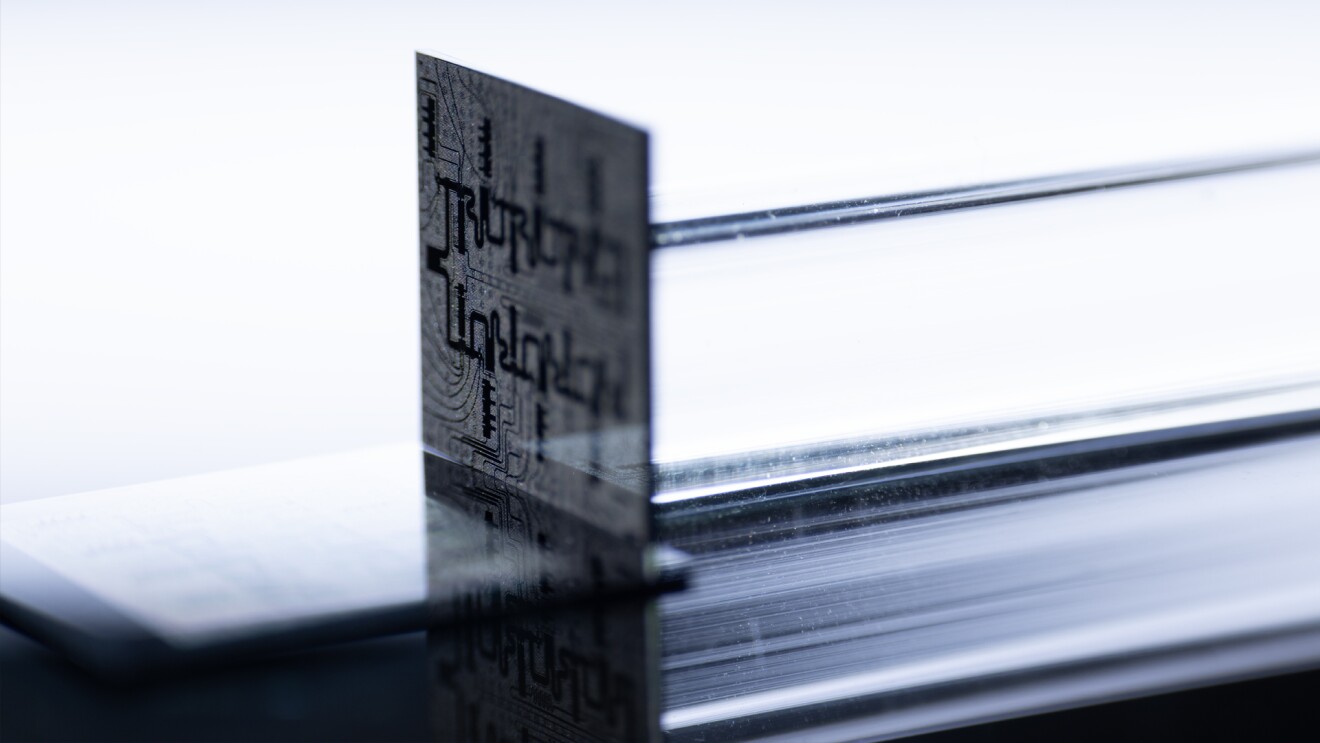
Ocelot is the new quantum chip developed by the AWS Center for Quantum Computing.

The major challenge with quantum computing
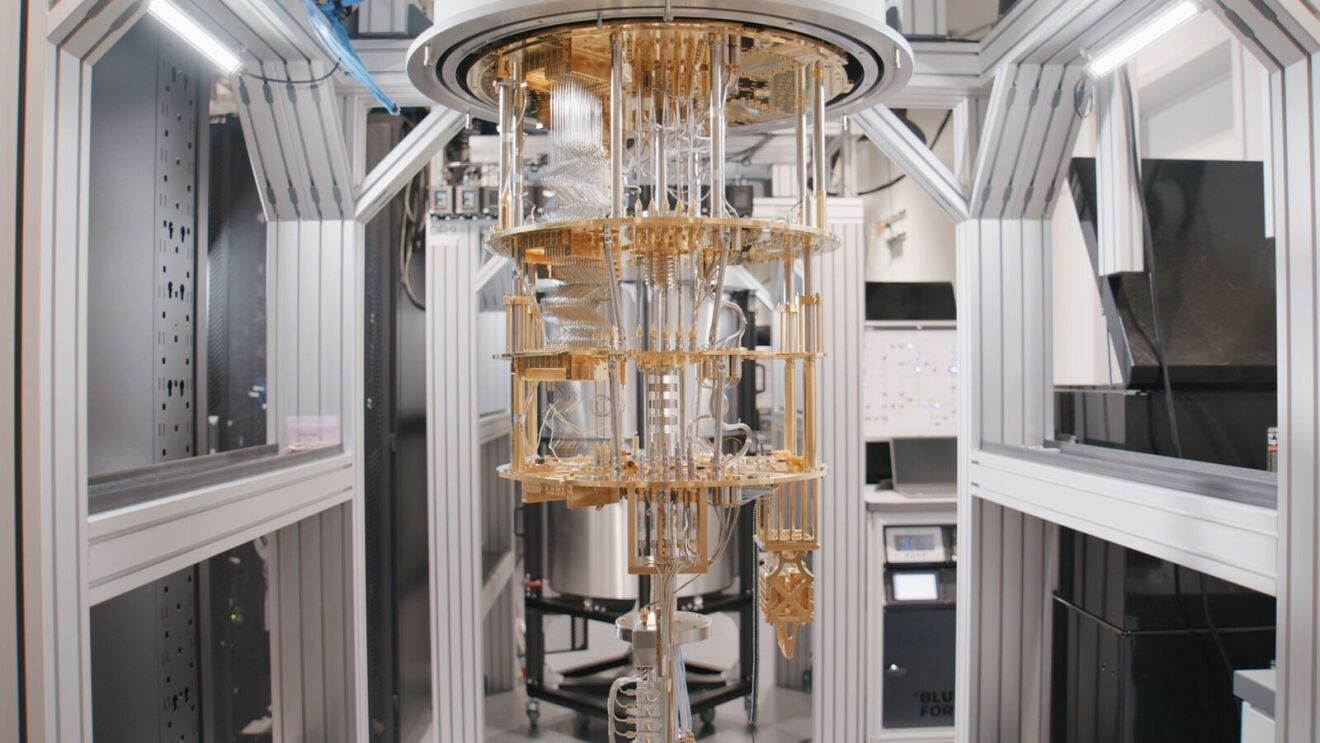
One of the biggest challenges with quantum computers is that they’re incredibly sensitive to the smallest changes, or ‘noise,’ in their environment. Vibrations, heat, electromagnetic interference from cell phones and Wi-Fi networks, or even cosmic rays and radiation from outer space can all knock qubits out of their quantum state, causing errors in the quantum computation being performed.
A new approach to quantum error correction
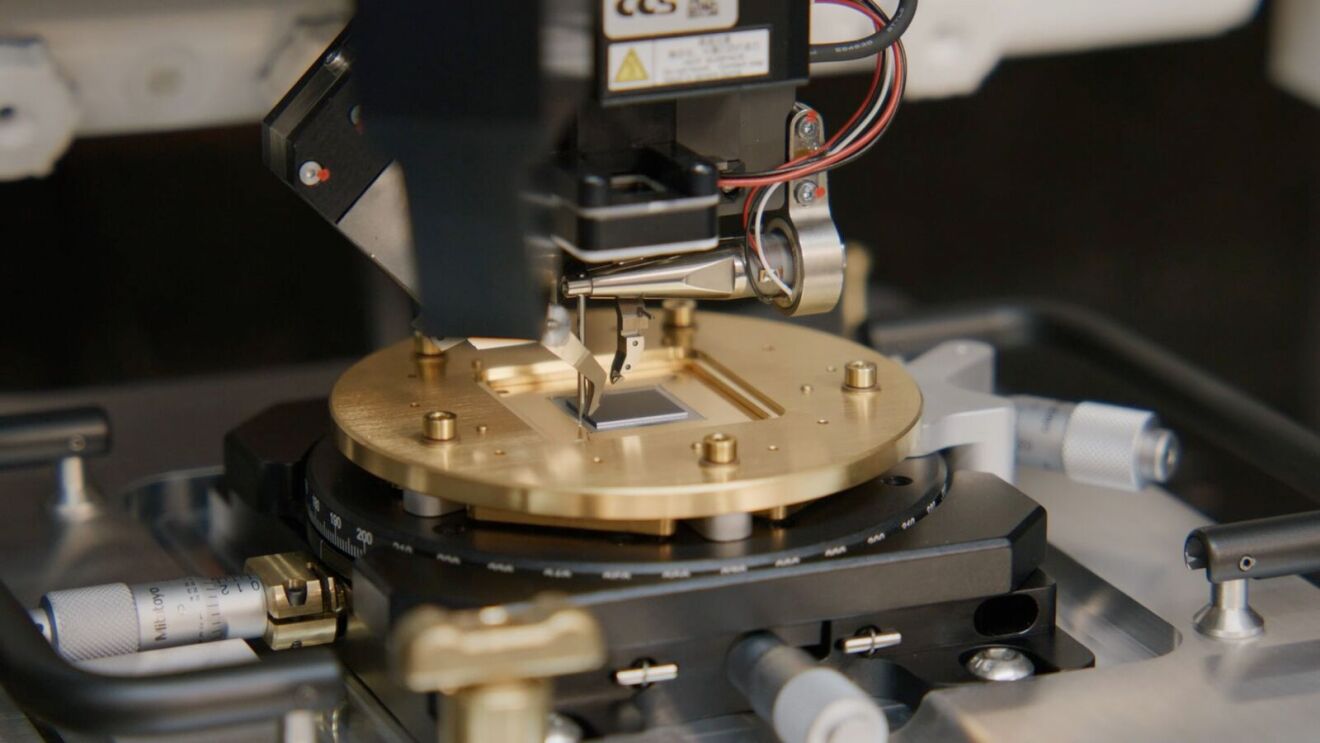
To address the current problems associated with quantum error correction, researchers at AWS developed Ocelot. Ocelot was designed from the ground up with error correction “built in.” “We looked at how others were approaching quantum error correction and decided to take a different path,” said Painter.
Making science fiction science fact
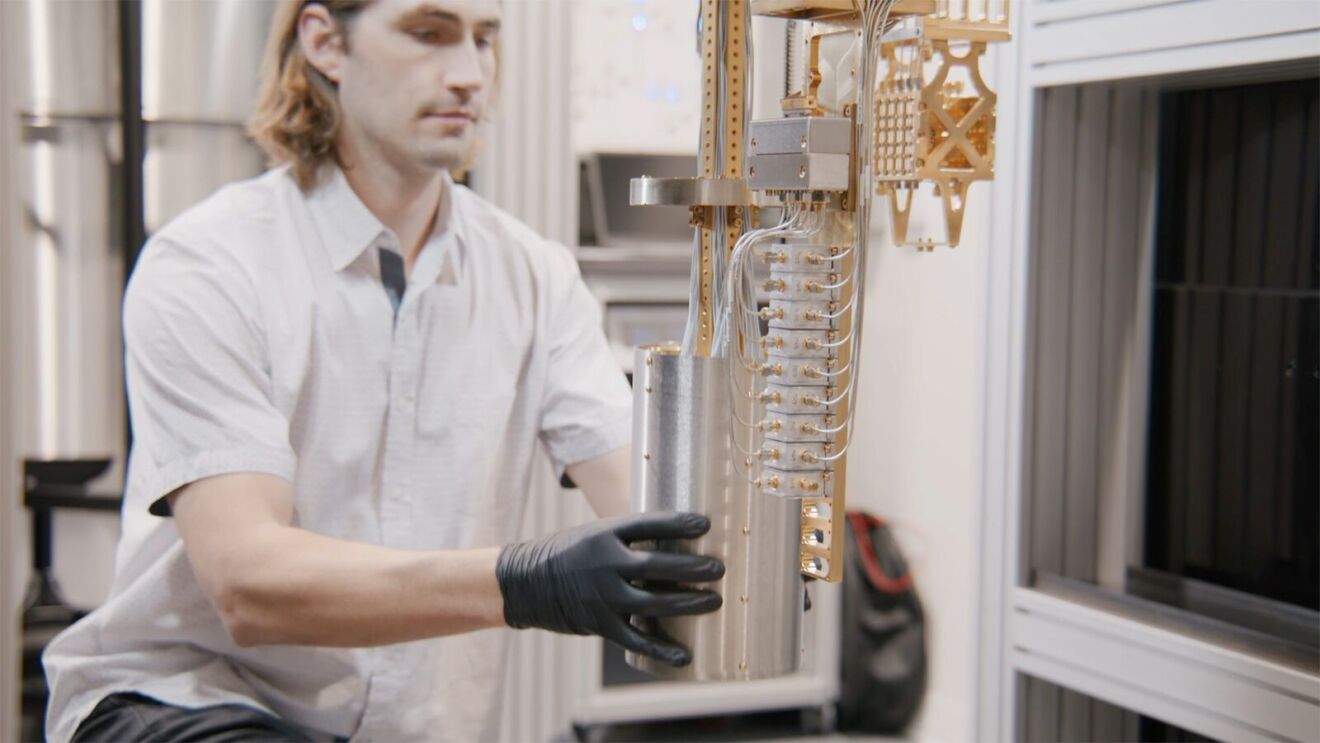
While today’s announcement is a promising start, Ocelot is still a prototype, and AWS is committed to continuing to invest in quantum research and refining its approach.
How to get started with quantum computing
Customers can get started exploring quantum computing today with Amazon Braket on AWS. Amazon Braket is a fully managed quantum computing service that allows scientists, developers, and students to work with a range of third-party quantum computing hardware, high-performance simulators, and a suite of software tools that make it easy to get started in quantum computing.

Ocelot: Fast facts
- Ocelot is a prototype quantum computing chip designed to test the effectiveness of AWS’s quantum error correction architecture.
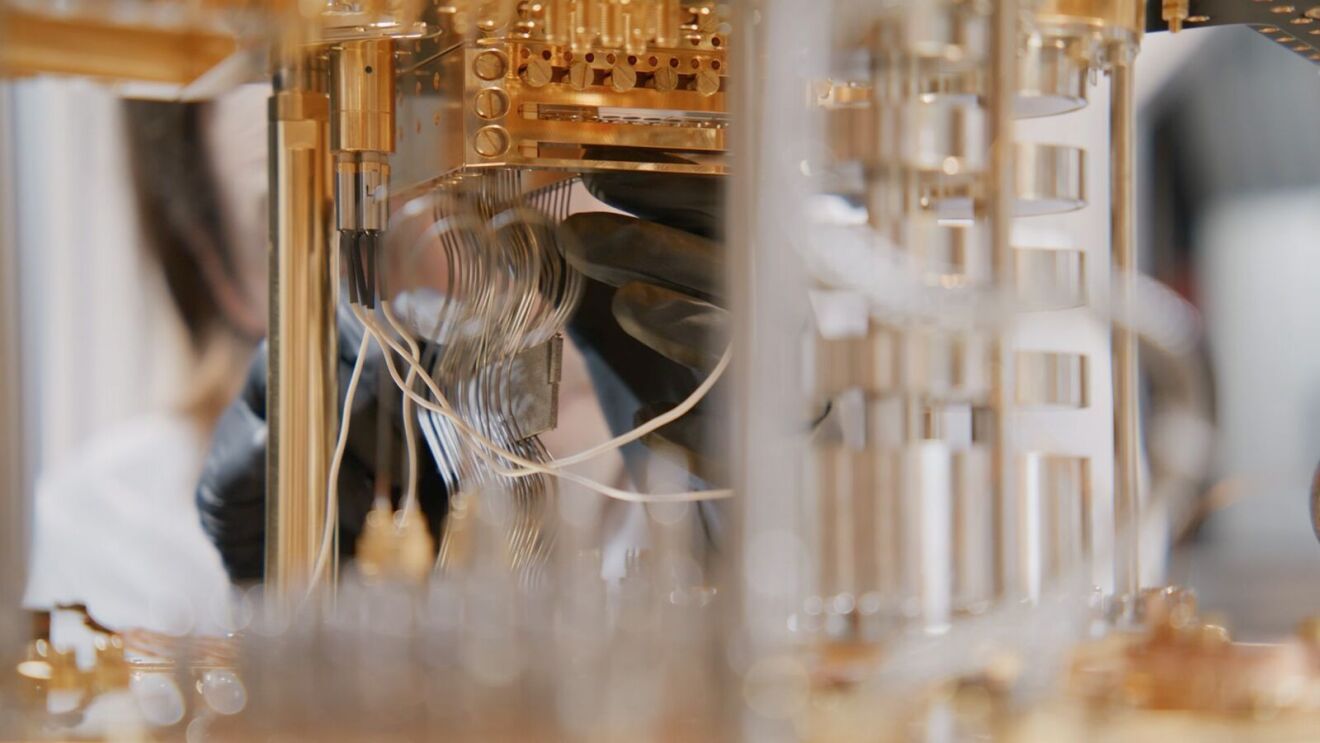
- It consists of two integrated silicon microchips. Each chip has an area of roughly 1cm2. They are bonded one on top of the other in an electrically connected chip stack.
- On the surface of each silicon microchip are thin layers of superconducting materials that form the quantum circuit elements.
- The Ocelot chip is composed of 14 core components: five data qubits (the cat qubits), five ‘buffer circuits’ for stabilizing the data qubits, and four additional qubits for detecting errors on the data qubits.
- The cat qubits store the quantum states used for computation. To do so, they rely on components called oscillators, which generate a repetitive electrical signal with steady timing.
- Ocelot’s high-quality oscillators are made from a thin film of superconducting material called tantalum. AWS material scientists have developed a specific way of processing tantalum on the silicon chip to boost oscillator performance.

How do quantum computers work?
Discover more from TECH-BRUNCH
Subscribe to get the latest posts sent to your email.
Can you be more specific about the content of your article? After reading it, I still have some doubts. Hope you can help me.
I don’t think the title of your article matches the content lol. Just kidding, mainly because I had some doubts after reading the article.
Your point of view caught my eye and was very interesting. Thanks. I have a question for you.
Thank you, feel free to ask.