Virtual reality (VR) has been the darling of tech hype for years – think immersive gaming, virtual meetings, and even space adventures from your living room. But lately, it’s felt more like a forgotten gadget gathering dust.
Enter Saudi Arabia’s Public Investment Fund (PIF), which just dropped a whopping $1 billion into Varjo, a Finnish Virtual Reality pioneer that’s been quietly battling for survival. This isn’t just a cash injection; it’s a bold bet that VR’s comeback story is far from over. Let’s unpack why this move could spark new life into the industry and what it means for tech fans everywhere.
Varjo’s Rocky Road: From Startup Star to Survival Mode
Varjo burst onto the scene in 2016 as the “Rolls-Royce of VR headsets,” delivering ultra-high-res displays that made competitors look like flip phones. Backed by heavyweights like Intel and Nokia, it targeted pros in design, aviation, and medicine – places where pixel-perfect immersion isn’t a luxury, it’s a must. But the broader VR market? It hit a wall. Post-Covid, headset sales tanked, funding dried up, and giants like Meta slashed jobs amid metaverse skepticism.
By mid-2025, Varjo was in the red, with whispers of layoffs and pivots to enterprise software. That’s when PIF stepped in with its $1 billion war chest, valuing Varjo at around $2.5 billion post-investment. It’s not chump change – this round brings Varjo’s total funding to over $200 million, but Saudi cash is on another level. CEO Urho Kontturi called it a “transformative partnership,” hinting at big expansions in the Middle East and beyond.
Why Saudi Arabia? Oil Money Meets Tech Ambition
Saudi’s PIF isn’t new to splashy tech bets – remember their stakes in Uber, Lucid Motors, and even Newcastle United? With $925 billion under management, the fund’s on a mission to diversify beyond oil, aiming for a $1 trillion gaming and esports economy by 2030 as part of Vision 2030. VR fits right in: Imagine training pilots in Riyadh’s heat without real jets, or virtual Hajj simulations for global pilgrims.
This isn’t charity. PIF sees VR as untapped gold in sectors like defense, healthcare, and entertainment – areas where Saudi’s investing billions. Varjo’s enterprise focus aligns perfectly, steering clear of consumer flops like the Quest series. Experts say this could turbocharge R&D, with Varjo eyeing new headsets and AR glasses that blend real and virtual worlds seamlessly.
The Bigger Picture: Can $1 Billion Revive VR?
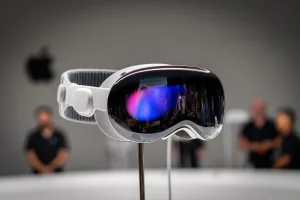
VR’s not dead – it’s evolving. Apple’s Vision Pro wowed with spatial computing, and Microsoft’s HoloLens powers factories worldwide. But consumer adoption lags, with high prices and motion sickness scaring off casual users. Varjo’s pro-grade tech could bridge that, especially as AI amps up virtual training and remote work.
For investors and startups, this signals green lights: Saudi money is flowing into “fallen” tech, much like their bailouts in gaming (Activision Blizzard bids) or EVs. It might lure more funds to VR, sparking innovations like haptic suits or brain-computer interfaces. But risks? Geopolitical ties could raise eyebrows in Western markets, and if VR stays niche, that billion might evaporate.
What’s Next for Varjo and VR Lovers?
With PIF’s backing, Varjo’s plotting Middle East hubs for testing and training, plus global pushes into automotive and energy sims. If you’re a developer or exec eyeing VR tools, this could mean cheaper access to pro kits. For everyday folks? Keep an eye on holiday sales – a VR renaissance might just make that headset giftable again.
Saudi’s $1 billion gamble on Varjo feels like a plot twist in VR’s underdog tale. It’s risky, exciting, and a reminder: Tech revivals often start with deep pockets and big dreams. What’s your take – ready to strap on a headset, or is VR still too clunky? Drop your thoughts in the comments; let’s geek out over the future of immersion!
Discover more from TECH-BRUNCH
Subscribe to get the latest posts sent to your email.