

In a tech world obsessed with generative AI breakthroughs and sky-high capital expenditures, Apple stands out as the calm outlier. While competitors pour billions into data centres and chase the next flashy model, the Cupertino giant continues to deliver record results and loyal customers. As of April 2026, Apple’s strategy of disciplined integration over hype has proven remarkably effective. The company reported its best-ever quarter in fiscal Q1 2026, with revenue hitting $143.8 billion—a 16 percent jump year-over-year. iPhone sales alone surged 23 percent.
This success story defies the narrative that missing the “AI race” spells doom. Instead, Apple is sitting pretty, leveraging its ecosystem, privacy focus, and hardware dominance while others grapple with massive spending and uncertain returns.
The AI hype cycle has dominated headlines for years, promising transformative productivity and endless growth. Yet many big tech players now face questions about sustainability. Apple, by contrast, avoided the arms race. It kept capital expenditures modest at around $12.7 billion for fiscal 2025, compared to hundreds of billions announced by peers like Alphabet and Microsoft. This restraint has left Apple with over $130 billion in cash and marketable securities, providing flexibility for smart moves rather than desperate catch-up plays.
The result? A resilient stock performance that outperformed several pure-play AI stocks in recent months, even amid broader market jitters.
This article dives deep into the seven unstoppable reasons behind Apple’s enviable position. From financial firepower to ecosystem lock-in, these factors show why the company thrives without joining the AI frenzy. We’ll explore real numbers, expert insights, and forward-looking strategies that position Apple for continued leadership in 2026 and beyond.

The AI Hype Bubble: Why Apple Stepped Back
Understanding the Frenzy and Its Costs
The AI boom has driven unprecedented investment. Tech giants announced massive capex plans throughout 2025 and early 2026, betting on cloud infrastructure and frontier models. Microsoft, Google, Meta, and Amazon collectively committed hundreds of billions, often leading to post-earnings stock dips when investors questioned the immediate payoff.
Apple took a different path. Rather than racing to build the largest language models, it focused on practical, privacy-centric features under the Apple Intelligence umbrella. This approach emphasizes on-device processing where possible and selective partnerships for advanced capabilities. Critics initially called it lagging, but by April 2026, the wisdom shines through. Apple avoids the valuation pressure and energy demands plaguing hyper scalers. Its stock has held steady or gained while some AI-heavy names corrected.
Discipline Over Drama Delivers Results
Apple’s measured pace stems from a core philosophy: integrate AI only when it genuinely enhances user experience without compromising privacy or quality. Tim Cook has repeatedly emphasized this balance. The company’s services business, already a high-margin powerhouse, now benefits indirectly from AI apps on the App Store. Generative AI applications paid Apple nearly $900 million in fees in 2025 alone, on track to exceed $1 billion in 2026.
This “toll-road” model—hosting and taking a cut from AI innovations developed by others—turns perceived weakness into strength. Developers build within Apple’s walled garden, and the company collects revenue without bearing full development costs.
Record Financials: Proof That Fundamentals Still Matter
iPhone Momentum Defies AI Skeptics
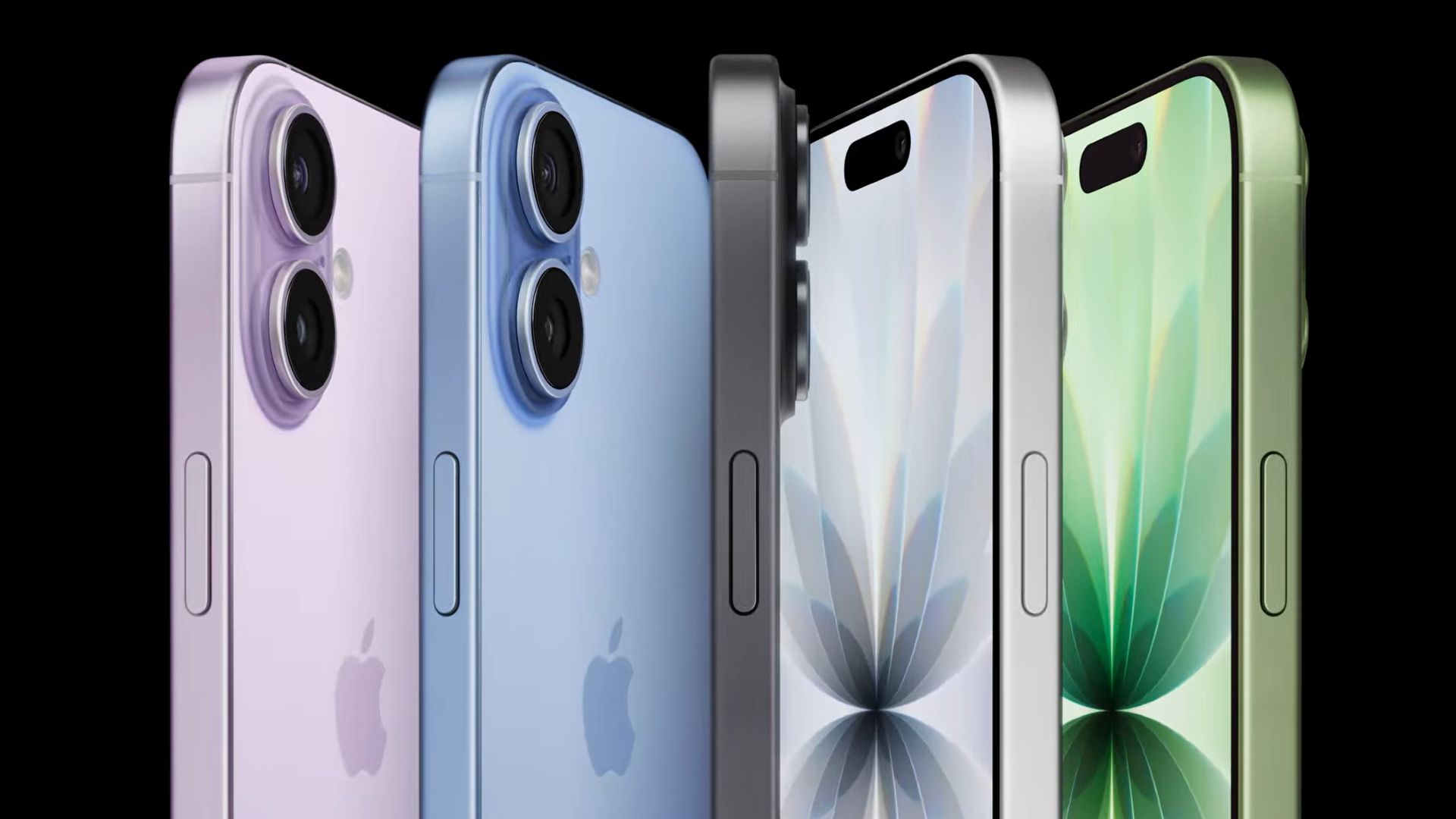
Apple’s Q1 2026 results silenced doubters. Revenue reached an all-time high of $143.8 billion, beating expectations. iPhone net sales jumped 23 percent to over $85 billion, driven by strong demand for the iPhone 17 series. Greater China delivered a stunning 38 percent surge, with record traffic in Apple retail stores.
These numbers matter because the iPhone remains the company’s cash engine. Upgrades fueled by improved cameras, efficiency, and subtle AI enhancements like Visual Intelligence show customers value refinement over raw hype. Supply constraints on advanced chips limited even stronger growth, underscoring demand strength.
Services Boom Fuels High-Margin Growth
Services revenue hit a record $30 billion in the quarter, up 14 percent. This segment now accounts for roughly 25 percent of total sales and boasts gross margins above 70 percent. AI-related apps contribute meaningfully here, creating a flywheel effect. Users stay within the ecosystem for everything from iCloud to Apple Music, while third-party AI tools add incremental revenue.
Analysts note that Apple’s installed base exceeds 2.5 billion active devices. This scale provides unmatched distribution power. Every new AI feature or partner app reaches hundreds of millions instantly, without Apple needing to own the underlying models.
Strategic Discipline: Low Capex, High Returns
Apple’s capital expenditures remain a fraction of peers’. While others build out AI infrastructure aggressively, Apple invests in silicon, software, and selective acquisitions. This efficiency preserves cash for share buybacks—$25 billion announced recently—and potential opportunities if AI valuations cool.
The payoff appears in profitability. Gross margins held at 48 percent despite supply challenges. Operating income reached $50.85 billion. Investors reward this approach with a premium valuation, viewing Apple as a safer bet in an uncertain AI landscape.
Avoiding the Capex Trap
Heavy spenders risk commoditization and energy costs. Apple’s on-device focus reduces reliance on cloud compute, lowering long-term expenses and enhancing privacy. This edge becomes clearer as users grow weary of data-hungry services.
Privacy-First AI: Apple’s Secret Weapon
Apple Intelligence prioritizes personal context and on-device processing. Features like enhanced Siri personalization and Visual Intelligence run locally where feasible, with private cloud compute for heavier tasks. This strategy differentiates Apple in a market increasingly concerned about data security.
Tim Cook captured the vision perfectly: “We are integrating it across the operating system in a personal and private way.” He added that privacy remains a fundamental differentiator.
Another insightful quote from Cook underscores the opportunity: “AI is one of the most profound opportunities of our entire lifetime. I truly believe there is no company better positioned to let our customers use AI in profound and meaningful ways than Apple. We are all in.”
Finally, Cook offered a balanced perspective on technology’s dual nature: “I think AI is so profound and can be so positive, but, you know, technology doesn’t wanna be good, and it doesn’t wanna be bad. It’s in the hands of the user and the hands of the inventor.”
These statements reflect Apple’s human-centered approach, resonating with consumers tired of opaque AI systems.

Global Ecosystem Strength and Market Resilience
China Recovery Signals Broader Appeal
Despite geopolitical tensions, Apple’s Greater China business exploded 38 percent in Q1. iPhone 17 sales grew 8 percent in a shrinking market, capturing share through premium positioning and localized features.
The ecosystem effect proves sticky. Once users invest in Apple devices, switching costs rise dramatically. Services, accessories, and now AI enhancements reinforce loyalty across 2.5 billion devices.
Competitive Moat Widens
While Microsoft and Google push enterprise AI, Apple owns the consumer experience. Its hardware-software integration delivers seamless AI without the fragmentation plaguing Android. Mac and iPad lines also gained share in stagnant PC and tablet markets, showing breadth beyond phones.
What Lies Ahead: Apple Intelligence Payoff in 2026 and Beyond
Upcoming Catalysts
Spring 2026 brings a major Siri overhaul, expected to boost iPhone upgrade cycles. WWDC 2026 will unveil deeper Apple Intelligence integrations, potentially including foldable devices and 2nm chips. Analysts project stock targets up to $350 if execution impresses.
Partnerships with Google Gemini and OpenAI provide advanced capabilities without full ownership costs. This hybrid model accelerates delivery while maintaining control.
Long-Term Vision
Apple turns 50 in 2026, celebrating five decades of redefining technology. Its pivot to privacy-centric AI positions it uniquely for the next decade. As hype fades and users demand reliable, private tools, Apple’s patient strategy could attract an even higher “AI multiple” from investors.
Why Apple’s Approach Wins for the Long Haul
Apple’s success proves that timing and execution trump speed in technology. By focusing on user value, ecosystem strength, and financial discipline, the company has outperformed expectations amid AI noise. The seven reasons—financial momentum, services growth, low capex, privacy leadership, global resilience, upcoming product catalysts, and philosophical balance—create an unstoppable flywheel.
Investors and consumers alike benefit. Apple avoids bubble risks while delivering consistent innovation. As one analyst noted, restraint now looks like genius. In a world chasing hype, Apple reminds us that sitting pretty often comes from smart choices, not loud ones.
The tech landscape will evolve, but Apple’s foundation remains rock-solid. With over two billion devices, unmatched margins, and a clear AI roadmap, the company enters its second half-century stronger than ever. AI hype may come and go, but Apple’s fundamentals endure—proving once again why it remains a beacon of thoughtful technology leadership.
Discover more from Tech-Brunch
Subscribe to get the latest posts sent to your email.


