Apple stands tall amid escalating chaos in the Middle East. As the Iran war disrupts critical shipping routes through the Strait of Hormuz and Red Sea, India’s thriving smartphone export sector faces severe headwinds. Yet fresh analysis from Nikkei Asia and industry insiders reveals Apple as one of the least affected major players. With strategic rerouting, a massive India-centric production shift, and forward-thinking diversification away from vulnerable trade hubs, the tech giant is turning potential crisis into a showcase of supply chain strength.
This isn’t mere luck—it’s the payoff from years of deliberate planning that positions Apple to weather geopolitical storms better than rivals.
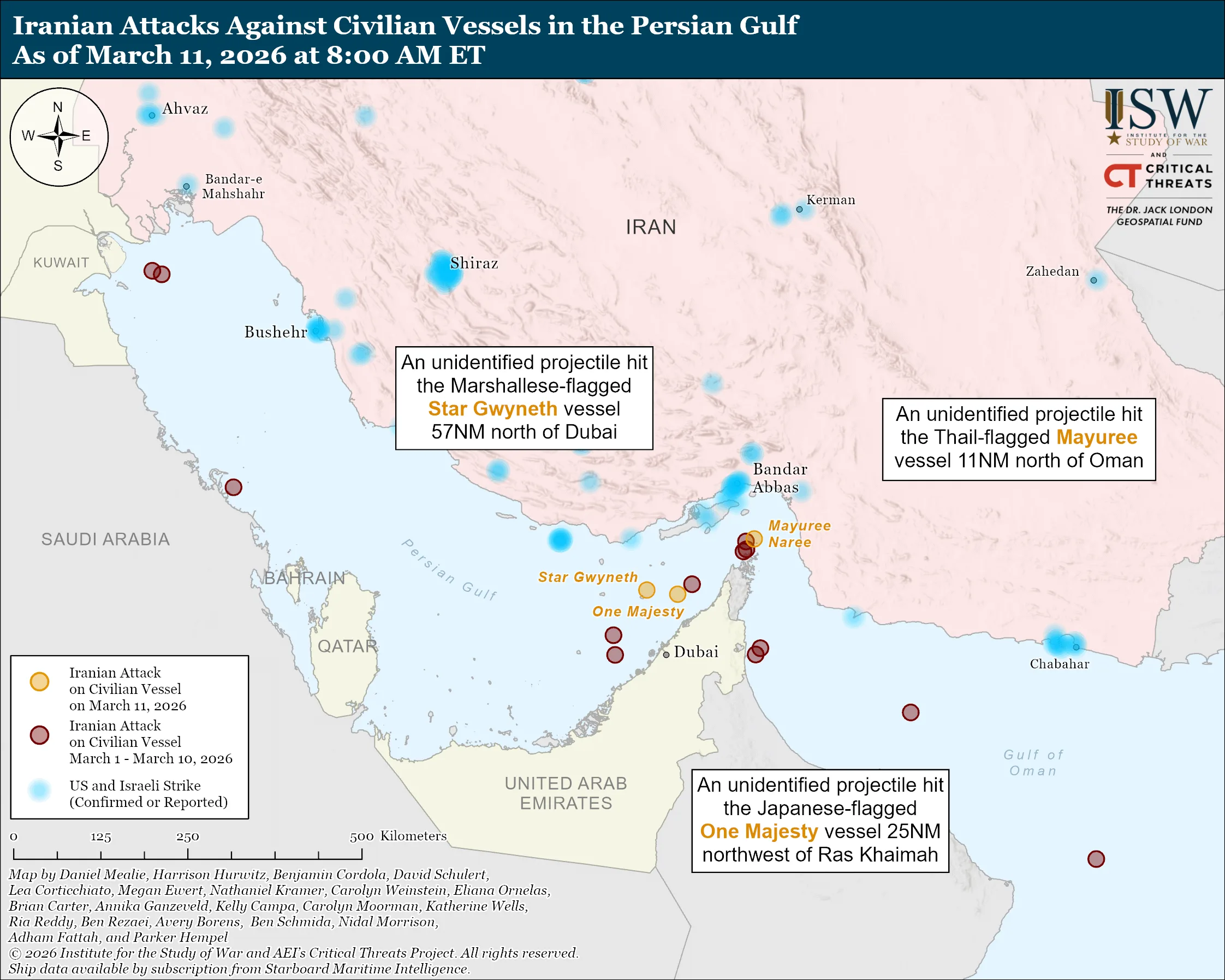
India’s smartphone exports have exploded in recent years, hitting an estimated $11 billion in the first half of fiscal 2026 alone—a 55% surge year-over-year. Much of this growth funneled through the UAE’s Dubai hub, a vital transshipment point for shipments to Europe, Africa, and the Gulf. But the ongoing Iran conflict, sparked by US-Israeli strikes in late February 2026, has choked these arteries. Preliminary estimates from TechArc warn of a 22% to 25% drop in exports over the coming weeks if tensions persist, potentially costing the sector $2-3 billion. Smaller brands and those heavily reliant on Middle East logistics are bracing for the worst, while Apple’s India-made iPhones largely sail through unscathed.
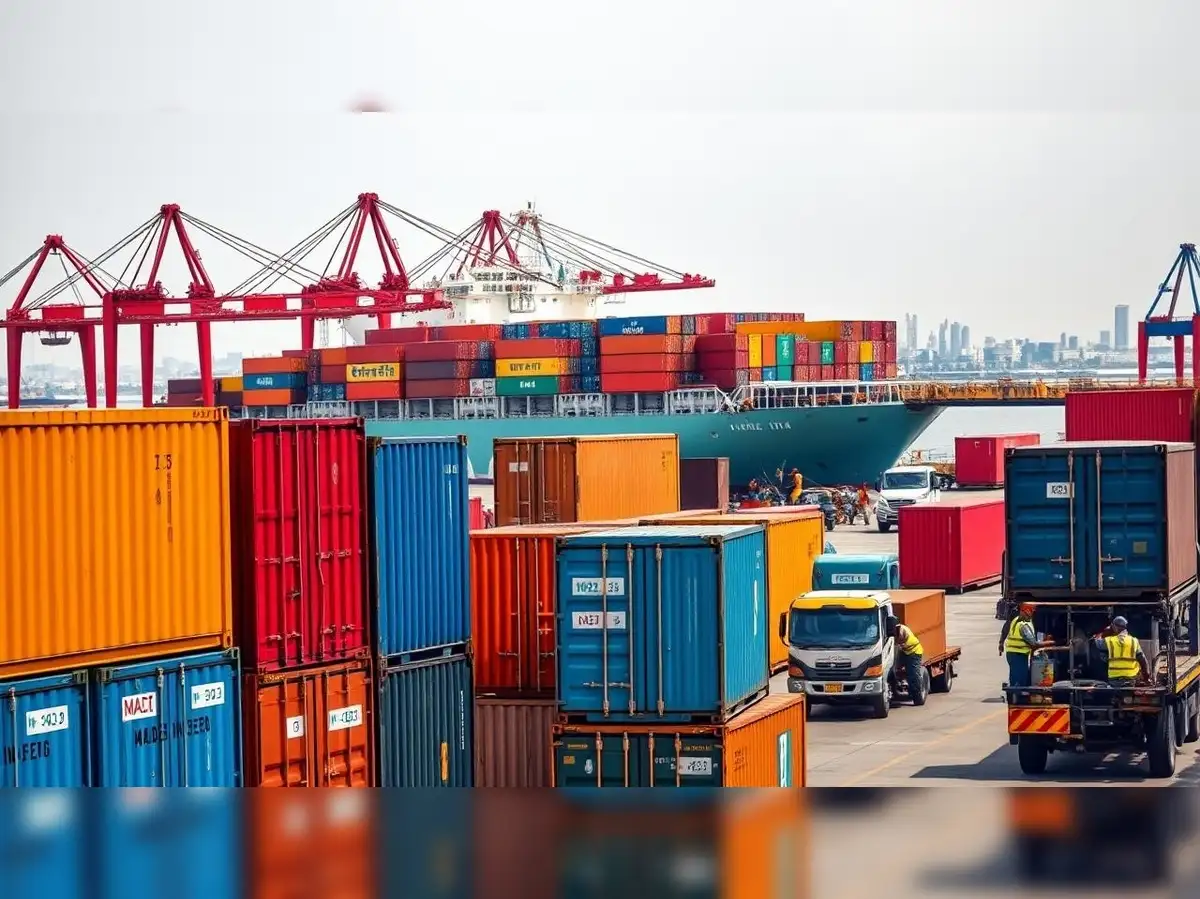
The Iran War’s Direct Hit on India’s Export Engine
The conflict has transformed the Strait of Hormuz into a high-risk zone, with Iranian actions halting tanker traffic and forcing reroutes around the Cape of Good Hope. Airspace closures and surging freight costs compound the pain for electronics shipments. India’s $4.5 billion in Gulf-bound tech exports—dominated by smartphones—now face delays, higher insurance premiums, and outright cancellations. Analysts at Kotak and Elara Capital project multi-billion-dollar losses across the board, hitting contract manufacturers like Dixon Technologies hardest. Yet Apple’s footprint tells a different story, rooted in its proactive pivot from China and laser focus on stable markets.
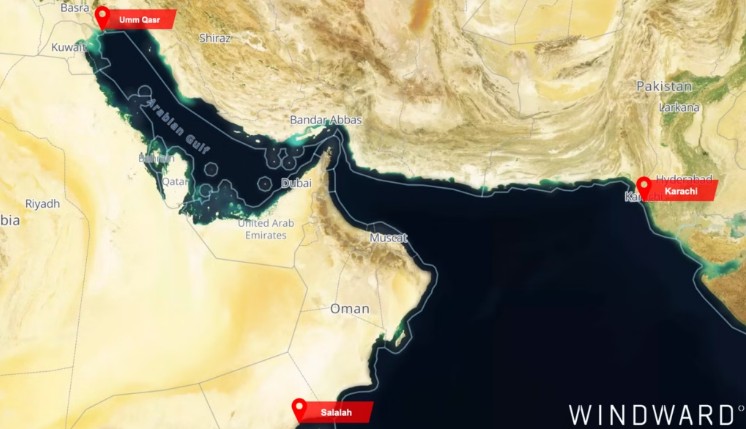
This isn’t the first disruption India’s export boom has faced, but the scale of the Iran crisis—echoing Red Sea woes from 2023-2025—makes it uniquely threatening. Oil prices have spiked 8-10%, inflating logistics costs by 40-50% in some corridors. For an industry built on just-in-time global delivery, these bottlenecks spell trouble. Yet Apple’s India operations, calibrated primarily for domestic sales and direct US exports, sidestep the UAE chokepoint that ensnares competitors.
Apple’s India Manufacturing Surge: The Foundation of Resilience
Apple now assembles about 25% of its global iPhones in India, a dramatic leap from just 36 million units in 2024 to 55 million in 2025—a 53% jump. This China+1 strategy, accelerated by US tariffs and geopolitical foresight, has created a robust domestic ecosystem. Factories run by Foxconn (via Bharat FIH) and Tata Electronics churn out devices destined for Indian consumers and American shelves, bypassing the Middle East entirely for these key flows.

The company’s ambitious goal—sourcing most US-bound iPhones from India by the end of 2026—has already paid dividends. One in four iPhones worldwide now carries an “Assembled in India” label, shielding Apple from both tariff wars and regional conflicts. Harmony with India’s Production Linked Incentive (PLI) scheme has supercharged this shift, with cumulative iPhone production value overshooting targets by 80% in recent fiscal years. This scale gives Apple unmatched flexibility when global routes falter.
Rerouting Mastery: Bypassing the UAE Hub
When Gulf tensions escalated, Apple swiftly redirected shipments away from Dubai. Insiders confirm the company now prioritizes direct sea or air corridors to the US and Europe, even chartering cargo flights when needed—a tactic honed during earlier tariff battles. This agility minimizes exposure to disrupted ports and airspace, keeping iPhone 17 series deliveries on track. Smaller OEMs, lacking such leverage, watch helplessly as their UAE-dependent consignments pile up.
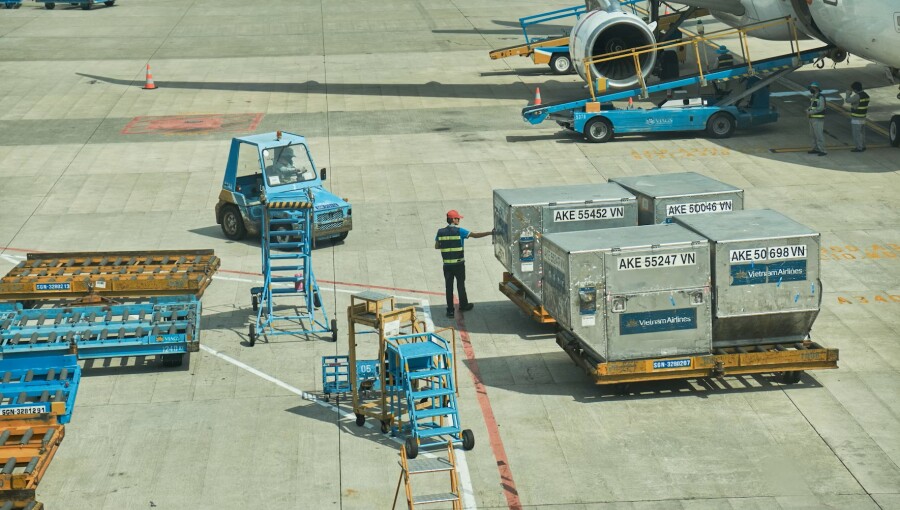
The 7 Powerful Reasons Apple Remains Less Exposed
- Market Focus on Stable Destinations: Unlike rivals exporting heavily to Gulf and African markets via UAE, Apple’s India lines serve India’s booming domestic demand and the US—two regions untouched by Hormuz chaos.
- Diversified Supply Chain DNA: Years of investment in India and Vietnam have reduced single-point failures. China still dominates overall, but India’s 25% share provides critical ballast.
- Contract Manufacturer Alignment: Foxconn and Tata Electronics prioritize Apple’s US/domestic orders, insulating them from broader export volatility affecting Dixon and others.
- Air Freight Flexibility: Proven during past disruptions, Apple’s ability to fly iPhones directly from Indian plants to US hubs dodges sea route perils entirely.
- Scale and Negotiation Power: With massive order volumes, Apple secures priority logistics and alternative carriers that smaller brands cannot access.
- Proactive Geopolitical Hedging: The China pivot wasn’t reactive—it anticipated exactly these kinds of flashpoints, turning India into a fortress for premium production.
- Ecosystem Synergies: Deep integration with India’s PLI incentives and local suppliers ensures rapid scaling without reliance on volatile international hubs.

These factors combine to create a formidable moat. While industry-wide exports risk contraction, Apple’s India output continues growing, supporting jobs for hundreds of thousands and reinforcing its position as India’s top electronics exporter.
Comparative Pain: Why Rivals Feel the Heat More Acutely
Samsung, Xiaomi, and other Android players lean harder on UAE transshipment for emerging markets. Their exposure to Gulf demand and freight routes leaves them vulnerable to the 22-25% projected slump. Publicly listed Dixon Technologies, India’s largest mobile maker outside Apple’s ecosystem, faces margin squeezes from rising costs. In contrast, Apple’s privately held partners operate with buffers tied to premium, stable contracts. This disparity could widen market share gaps in 2026 as competitors scramble for alternatives.
Economic Ripples and India’s Broader Stakes
The war’s fallout extends beyond phones. India’s $57 billion in Gulf exports, plus surging energy import bills, threaten GDP growth. Airlines and logistics firms have hiked rates, while oil-dependent industries reel. Yet Apple’s resilience offers a blueprint: diversification works. Government officials are already reviewing trade risks, potentially fast-tracking incentives for more resilient manufacturing. For consumers, stable Apple supplies mean uninterrupted access to flagship devices despite global turmoil.
Looking Ahead: Apple’s Supply Chain as a Model for the Future
By year-end, Apple aims to double India output further, cementing its role as the primary US supplier. This not only mitigates Iran-related risks but positions the company for whatever geopolitical curveballs 2027 may bring—be it renewed China tensions or new trade blocs. Vietnam and emerging hubs provide additional layers, but India’s engineering talent and policy support make it the star. Analysts predict Apple’s India share could hit 30-35% globally within two years, a testament to visionary leadership.
In an era where supply chains are as strategic as products themselves, Apple’s India playbook proves prescient. While the Iran war casts a long shadow over India’s smartphone exports, the Cupertino giant emerges not just unscathed but strengthened—ready to deliver innovation without interruption. As the conflict evolves, expect Apple to refine its edges further, solidifying its edge in a fractured world. The lesson for the industry? Resilience isn’t built overnight; it’s engineered through foresight and bold bets on stable partners like India.
Discover more from TECH-BRUNCH
Subscribe to get the latest posts sent to your email.