In a landmark development accelerating China’s AI self-reliance, DeepSeek’s highly anticipated V4 model will run entirely on the latest Huawei AI chips. This strategic shift marks a bold victory for domestic technology and signals a transformative era where cutting-edge large language models operate independently of foreign hardware. The move not only strengthens China’s semiconductor ecosystem but also positions DeepSeek V4 as a formidable contender on the global AI stage.
Expected to launch within weeks, this integration highlights months of close collaboration between DeepSeek and Huawei, delivering optimized performance while reducing reliance on restricted international chips.

DeepSeek V4: Next-Gen AI Model Poised for Breakthrough Performance
DeepSeek, a rising Chinese AI lab known for efficient and powerful models, is finalizing its V4 iteration. This next-generation large language model builds on previous successes with enhanced reasoning, coding capabilities, and multimodal features. By committing fully to Huawei’s Ascend series chips—likely including advanced variants like the Ascend 950PR—DeepSeek ensures seamless optimization from the ground up.
Unlike typical pre-launch practices where models are tested across multiple vendors, DeepSeek granted early access exclusively to Chinese chipmakers. This deliberate strategy allowed Huawei engineers to fine-tune software stacks, resulting in efficient training and inference tailored to domestic hardware. The decision underscores a maturing ecosystem capable of supporting world-class AI development.
Industry observers view V4 as a significant leap, potentially surpassing leading international models in specific domains while operating under China’s sovereign tech framework.
Huawei AI Chips: The Engine Driving China’s AI Independence
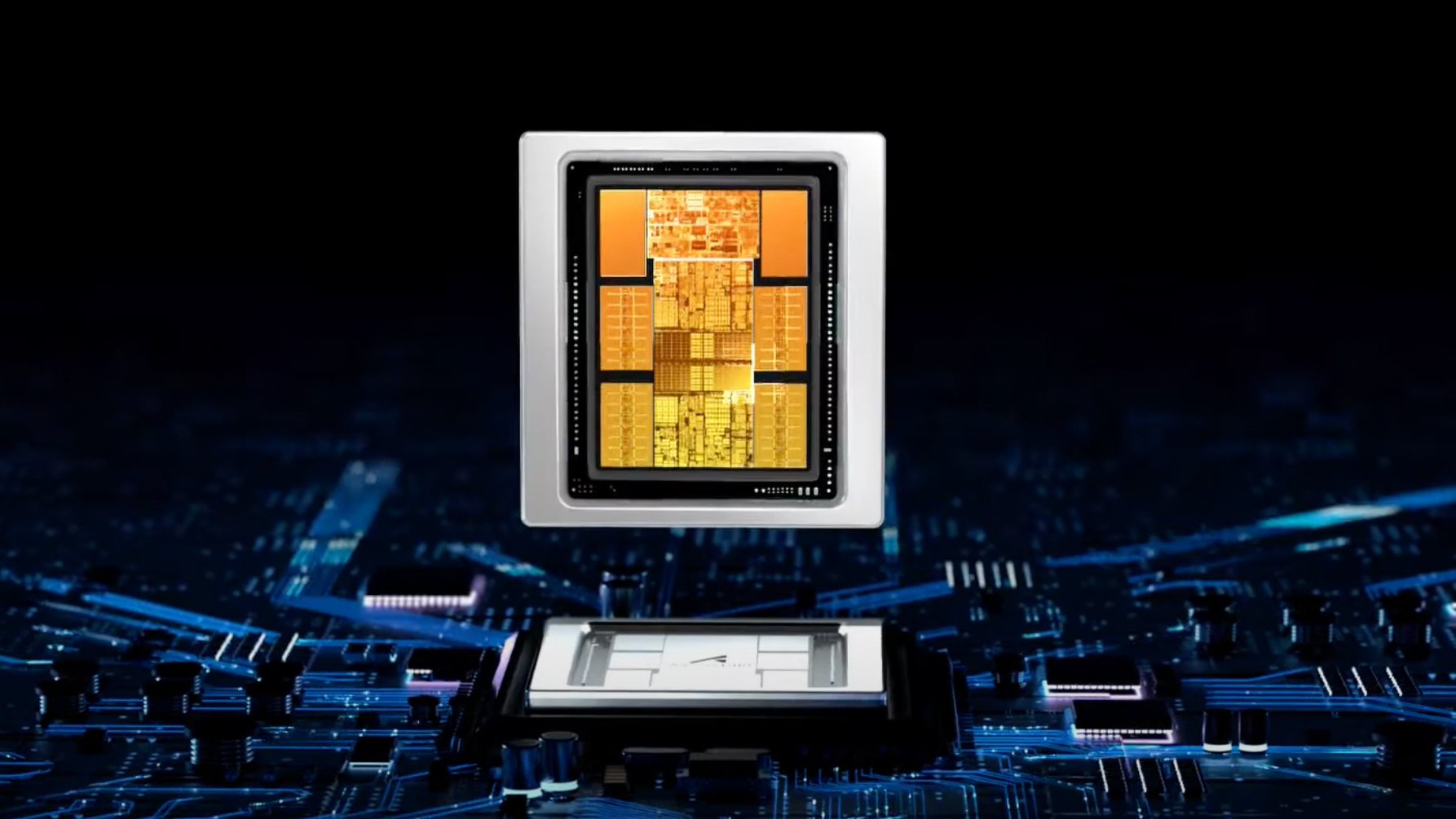
Huawei’s Ascend AI accelerators have evolved rapidly despite export restrictions. The latest chips deliver impressive compute power for training and inference, with architectural innovations addressing power efficiency and scalability. DeepSeek’s full adoption validates these advancements, proving Huawei silicon can handle demanding frontier AI workloads.
Major Chinese tech giants—including Alibaba, Byte Dance, and Tencent—have placed bulk orders for hundreds of thousands of Huawei chips specifically to deploy and integrate DeepSeek V4 across cloud services and applications. This massive commitment reflects strong confidence in the combined solution and accelerates nationwide adoption.
The partnership extends beyond hardware. DeepSeek worked closely with Huawei and Cambricon Technologies to port and optimize the model, rewriting core components for maximum compatibility and performance.

Strategic Implications: A Major Win for China’s Semiconductor Ecosystem
This development represents far more than a single model deployment. It embodies China’s determined push toward technological self-sufficiency amid geopolitical tensions and chip export controls. By successfully running a frontier AI model entirely on domestic hardware, the industry demonstrates resilience and rapid innovation capacity.
Cost efficiencies stand out as a key benefit. Reports suggest DeepSeek’s approach requires significantly fewer chips compared to some Western counterparts, lowering overall expenses while maintaining competitive output. This efficiency could democratize access to advanced AI within China and emerging markets.
The move also strengthens the entire supply chain. Increased demand for Huawei Ascend chips stimulates further R&D investment, manufacturing scale-up, and software ecosystem growth, creating a virtuous cycle of innovation.
Technical Excellence: Optimization and Performance Advantages
Running entirely on Huawei chips allows DeepSeek V4 to leverage specialized instructions and architecture-specific optimizations unavailable on foreign platforms. This tight integration typically yields better energy efficiency, faster inference speeds, and more stable training runs.
Early indications suggest the model will deliver strong results in benchmarks while consuming fewer resources than equivalent setups relying on imported hardware. Huawei’s ecosystem, including CANN (Compute Architecture for Neural Networks), provides a robust foundation for these gains.
For developers and enterprises, this means smoother deployment across Chinese cloud platforms with predictable performance and enhanced data sovereignty.
Broader Industry Impact: Reshaping Global AI Competition
DeepSeek V4’s Huawei-powered foundation intensifies the global AI race. It challenges the assumption that leading-edge models require Nvidia or other Western chips, potentially inspiring other Chinese labs to follow suit. International observers note this as evidence of China’s accelerating progress in closing the hardware gap.
Cloud service providers gain powerful new offerings. Alibaba Cloud, ByteDance, and Tencent can integrate V4 natively, delivering cost-effective, high-performance AI to millions of users and businesses. This could expand AI accessibility across sectors like education, healthcare, manufacturing, and finance.
The ripple effects extend to talent and investment. Success stories like this attract top engineers to domestic projects and encourage venture capital flows into AI hardware and software startups.

Challenges and Opportunities Ahead
While promising, full reliance on Huawei chips brings considerations. Scaling to massive clusters requires robust infrastructure and continued advancements in interconnects and software frameworks. Ensuring long-term competitiveness against rapidly evolving global models remains an ongoing effort.
Nevertheless, the momentum is clear. Huawei continues refining its Ascend lineup, and DeepSeek’s iterative releases demonstrate strong progress. The collaboration model—deep integration between model developers and chip designers—may become the new standard for sovereign AI development worldwide.
Future Outlook: Toward a Sovereign AI Powerhouse
As DeepSeek V4 prepares for launch, expectations run high. The model could set new benchmarks for efficiency and capability while operating entirely within China’s technological borders. Subsequent versions and applications will likely build upon this foundation, further solidifying the ecosystem.
This milestone reinforces China’s strategic vision of technological independence. It transforms potential vulnerabilities into strengths, positioning the nation as a leader in both AI algorithms and enabling hardware.
For the global tech community, DeepSeek V4 on Huawei chips offers a compelling case study in resilient innovation. It proves that focused collaboration and national commitment can yield world-class results even under constraints.
Why This Matters for the AI Revolution
The decision to run DeepSeek V4 entirely on Huawei AI chips transcends corporate strategy—it symbolizes a pivotal chapter in the evolution of global computing. It showcases how determination, engineering excellence, and ecosystem alignment can overcome significant challenges and unlock new possibilities.
As AI becomes central to economic growth and technological progress, sovereign capabilities like this ensure balanced competition and diversified innovation. Users, enterprises, and governments worldwide stand to benefit from more choices, competitive pricing, and resilient supply chains.
DeepSeek and Huawei have delivered a thrilling demonstration of what’s achievable. Their partnership not only advances China’s AI ambitions but also enriches the broader technological landscape with fresh approaches and proven results.
The upcoming launch of V4 will provide the ultimate test and validation. Early signs point to a resounding success that could reshape expectations for AI development in the years ahead. In this exciting new era, running frontier models on domestic excellence isn’t just possible—it’s becoming the powerful new standard.
Discover more from TECH-BRUNCH
Subscribe to get the latest posts sent to your email.