

What a stunning Trump, Iran War turnaround that has electrified global markets, South Africa’s Johannesburg Stock Exchange (JSE) exploded higher by more than 5% while the rand strengthened over 2% following President Donald Trump’s announcement of a two-week ceasefire with Iran. This powerful relief rally marks one of the most dramatic single-day gains in recent years for South African assets, as investors rushed back into riskier emerging market plays amid eased geopolitical tensions.
The news broke dramatically on April 8, 2026, sending shockwaves of optimism through trading floors from Sandton to New York. Oil prices plunged below $100 a barrel as fears over disruptions in the Strait of Hormuz evaporated, providing an immediate lifeline to net oil-importing economies like South Africa. For local investors, pension funds, and businesses battered by weeks of volatility, this development feels like a much-needed breath of fresh air.

JSE Top-40 Index Rockets Higher in Historic Rebound
The Johannesburg Stock Exchange, Africa’s largest bourse, witnessed its Top-40 index surge as much as 6.2% in early trading, with the benchmark closing the session firmly in positive territory around the 5% mark. This explosive move represents one of the strongest daily performances in over six years, underscoring the market’s pent-up demand for stability.
Mining giants, banking stocks, and industrial counters led the charge. Resources companies, heavily weighted in the JSE, benefited enormously from lower energy costs and improved global sentiment. Platinum group metals and gold producers posted solid gains as the rand’s strength provided a counterbalance to commodity price fluctuations.
Analysts point to several key drivers behind this powerful rebound. First, the ceasefire directly reduces the risk premium that had been baked into South African assets during the escalation between the US, Israel, and Iran. Second, falling oil prices promise relief on the inflation front, potentially opening the door for the South African Reserve Bank (SARB) to adopt a more accommodative monetary policy stance in coming months.
Rand Strengthens Dramatically, Reversing Weeks of Pressure
The South African rand, one of the most volatile emerging market currencies, firmed more than 2.4% against the US dollar in early sessions, trading around the 16.41 level at one point. This represents its strongest performance in nearly a month and offers welcome respite for importers, travelers, and consumers feeling the pinch of a weaker currency.

Currency strategists highlight that the rand’s sensitivity to global risk appetite made it a prime beneficiary of the de-escalation. “The rand’s rally depends on whether the US/Israel-Iran ceasefire is here to stay,” noted Henrik Gullberg, a macro strategist at Coex Partners. Nevertheless, the immediate reaction has been overwhelmingly positive, with the currency paring significant losses accumulated since late February.
Government bonds also participated in the rally. Yields on South Africa’s benchmark 2035 paper tumbled by more than 50 basis points, reflecting strong demand from both local and international investors seeking higher-yielding assets in a lower-risk environment.
Background: How Trump’s Iran Ceasefire Deal Changed the Game
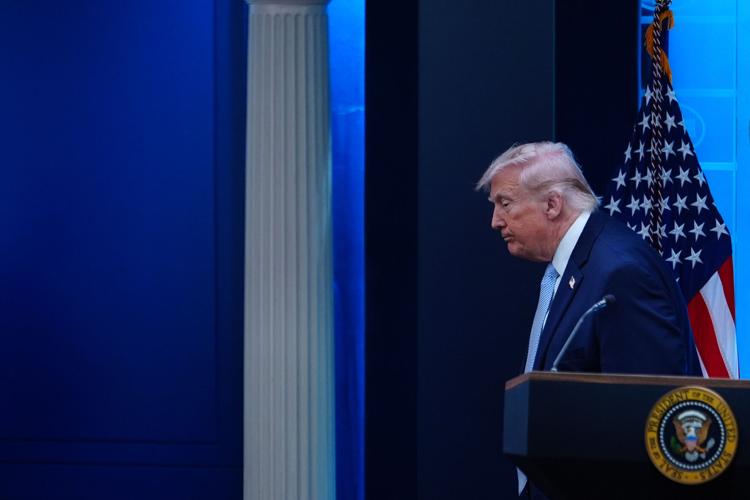
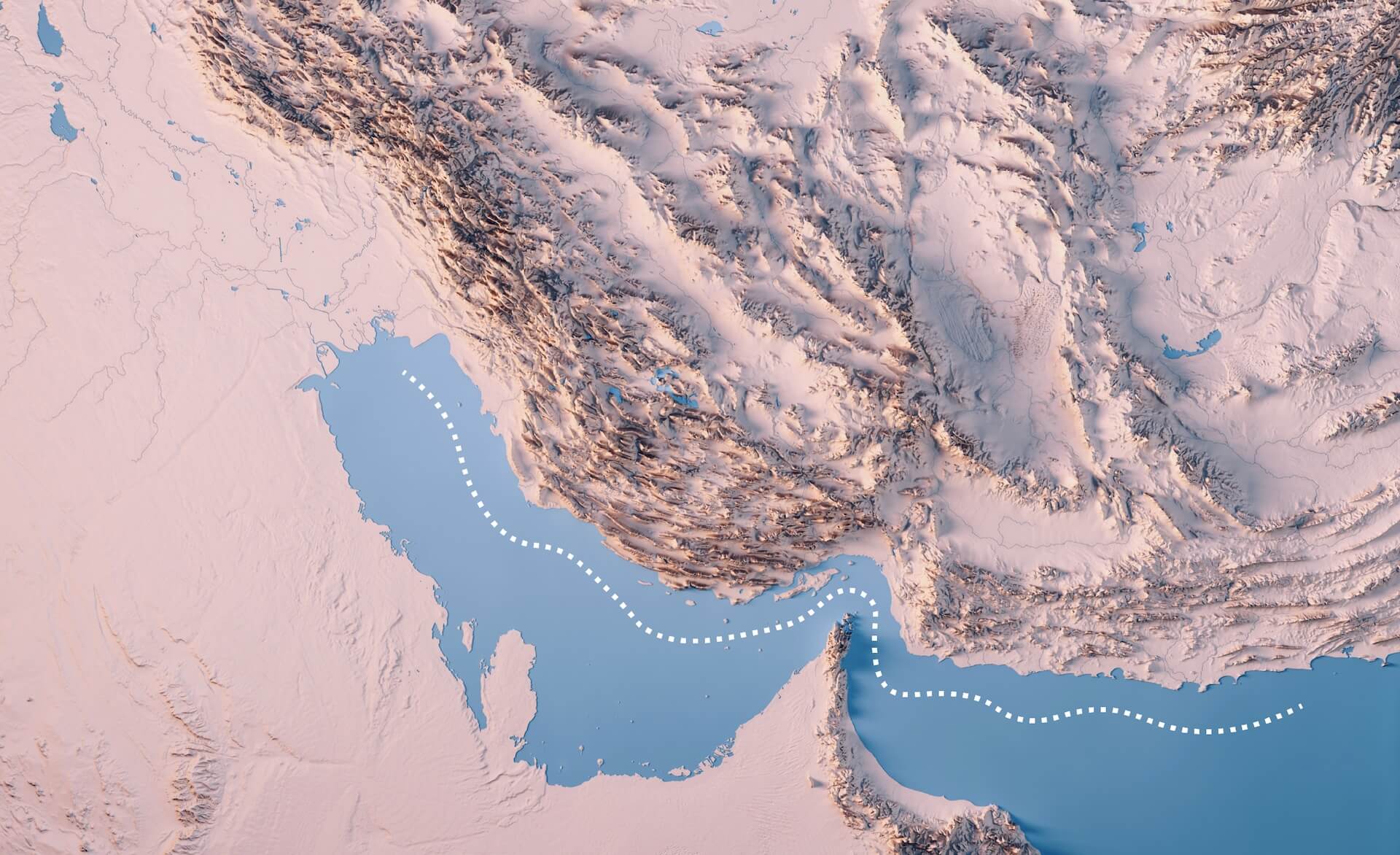
The dramatic market moves stem from President Trump’s surprise announcement of a two-week ceasefire agreement with Iran. Just hours before a self-imposed deadline that threatened widespread strikes on Iranian infrastructure, Trump revealed that Tehran had presented a “workable” 10-point proposal. The deal hinges on Iran reopening the critical Strait of Hormuz to international shipping in exchange for a pause in military operations by the US and Israel.
This diplomatic breakthrough came after weeks of intense escalation that had roiled energy markets and emerging economies. The Strait of Hormuz, through which roughly 20% of global oil passes, had become a flashpoint, with fears of prolonged disruption driving oil prices sharply higher and weighing on global growth prospects.
Global Markets Celebrate the Relief Rally
The positive sentiment extended far beyond South Africa. European stocks surged, Asian markets posted strong gains, and US futures pointed higher as investors embraced the reduced uncertainty. Bitcoin also climbed around 5% in the risk-on environment.
Oil, however, suffered a sharp reversal. Prices tumbled nearly 15% as the immediate threat to supply chains dissipated. This drop benefits consumers worldwide but poses challenges for oil-exporting nations.

Economic Implications for South Africa: A Timely Boost
South Africa, as a major net importer of crude oil, stands to gain substantially from lower energy costs. Reduced fuel prices could help tame inflation, support household spending, and ease pressure on transport and logistics sectors. For an economy still navigating post-pandemic recovery challenges, this development arrives at a crucial moment.
The JSE’s strong performance also bolsters confidence in local businesses. Corporate South Africa had faced headwinds from higher input costs and cautious consumer sentiment. A sustained rally could encourage investment, job creation, and expansion plans that had been on hold.
Experts caution, however, that the ceasefire is temporary. “Depending on how negotiations unfold, the rand may extend its recovery towards the 16.00 per dollar handle,” according to ETM Analytics. Yet they emphasize that conditions remain tentative, with ongoing talks needed to cement longer-term stability.
Key Sectors Poised for Gains from the Trump Iran Ceasefire
Several sectors on the JSE are particularly well-positioned to capitalize on this momentum:
- Banking and Financials: Lower bond yields and improved risk sentiment support lending growth and asset management revenues.
- Retail and Consumer Stocks: Cheaper fuel translates into higher disposable income for South African households.
- Mining and Resources: While lower oil helps, strong global demand for South Africa’s mineral exports (gold, platinum, iron ore) provides additional tailwinds.
- Industrials and Logistics: Reduced energy costs and stabilized currency improve margins and planning certainty.

Broader Geopolitical and Economic Context
The Trump-brokered ceasefire reflects a pragmatic approach to de-escalation after heightened rhetoric. Both sides claim aspects of victory, with Iran securing a pause in strikes and the US maintaining leverage through the Hormuz condition. Israel has expressed reservations, particularly regarding Lebanon, highlighting that full regional peace remains elusive.
For emerging markets broadly, this event underscores their vulnerability to geopolitical shocks originating far from home. South Africa’s leadership in the rebound among developing nations highlights its status as a bellwether for risk appetite.
What Lies Ahead: Sustainability of the Rand Rally
While today’s surge delivers genuine excitement, sustainability depends on several factors. Successful negotiations over the coming two weeks could pave the way for a more comprehensive agreement, potentially ushering in a “Golden Age” for Middle East stability as Trump suggested.
Investors will closely monitor:
- Progress on the 10-point proposal
- Oil price stabilization levels
- SARB’s upcoming policy decisions
- Global central bank signals, including the US Federal Reserve
South African policymakers now have breathing room to focus on domestic priorities such as energy security, infrastructure investment, and structural reforms. The rand’s strength also eases imported inflation pressures, supporting the central bank’s inflation-targeting framework.
Investor Takeaways and Strategic Considerations
For local and international investors, this event serves as a powerful reminder of markets’ capacity for swift reversals when risk premiums decline. Diversification across asset classes, currencies, and geographies remains essential, but opportunities in high-quality South African equities appear compelling following the recent volatility.
Pension funds and retirement savers benefit from higher portfolio values, while exporters must navigate a stronger rand. Importers and consumers enjoy potential relief at the pump and in everyday costs.
Conclusion: A Moment of Hope Amid Uncertainty
The massive 5% JSE surge and rand’s over 2% strengthening represent far more than numbers on a screen. They embody renewed confidence in South Africa’s economic resilience and the positive impact of diplomatic breakthroughs on everyday lives.
As negotiations continue, all eyes remain on whether this temporary ceasefire evolves into lasting peace. For now, South African markets have delivered a powerful vote of confidence in the possibilities ahead. This Trump-Iran ceasefire has not only ignited a spectacular rally but also reminded investors worldwide of the profound connections between geopolitics and financial markets.
The coming days and weeks will test the durability of today’s optimism, but one thing is clear: when tensions ease, opportunity often follows. South Africa and its investors are well-placed to seize the momentum from this historic market moment.


