

In a tale of two very different Apple strategies, the upcoming iPhone 18 line up appears poised for minimal design evolution focused primarily on fresh colour options, while the long-awaited iPhone Fold promises ground breaking innovation with advanced 3D-printed hinge technology. This divergence highlights Apple’s calculated approach to refreshing its flagship slab phones versus delivering a truly transformative foldable experience that could redefine mobile computing.
As rumours intensify ahead of the expected 2026 launches, enthusiasts are buzzing about how these devices will shape Apple’s future. The iPhone 18 may offer evolutionary tweaks, but the iPhone Fold stands ready to deliver a revolutionary leap forward.
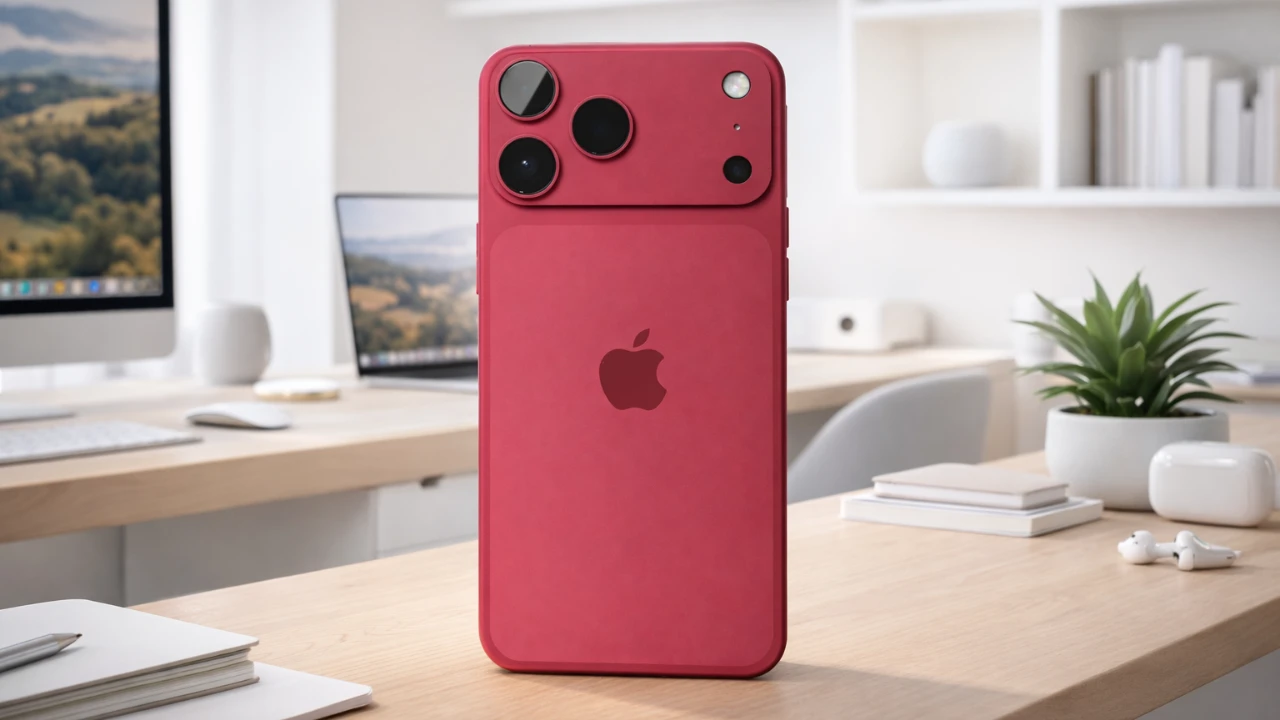
iPhone 18: Evolutionary Refinements Centred on Vibrant New Colours
Recent leaks suggest the iPhone 18 series will retain much of the design language established in recent generations. Leakers indicate that bezels, borders, and overall form factors will see little change, with the most noticeable updates coming in the form of new colour palettes.
For the Pro models, black appears to be off the table once again, continuing a trend started with the iPhone 17 Pro. Instead, Apple is reportedly testing deep red, burgundy, coffee brown, and purple-inspired shades. These premium matte finishes aim to deliver a sophisticated, eye-catching aesthetic that builds on the success of bolder options like Cosmic Orange.
Standard iPhone 18 models may follow a similar path, prioritizing colour refreshes over structural overhauls. Production tooling reuse points to continuity in display notches and camera layouts, allowing Apple to focus engineering resources elsewhere—particularly on the ambitious foldable project.
This conservative approach makes strategic sense. With the iPhone 18 Pro and Pro Max launching alongside the Fold in fall 2026, Apple can maintain steady sales of its proven slab design while introducing the new form factor to early adopters.
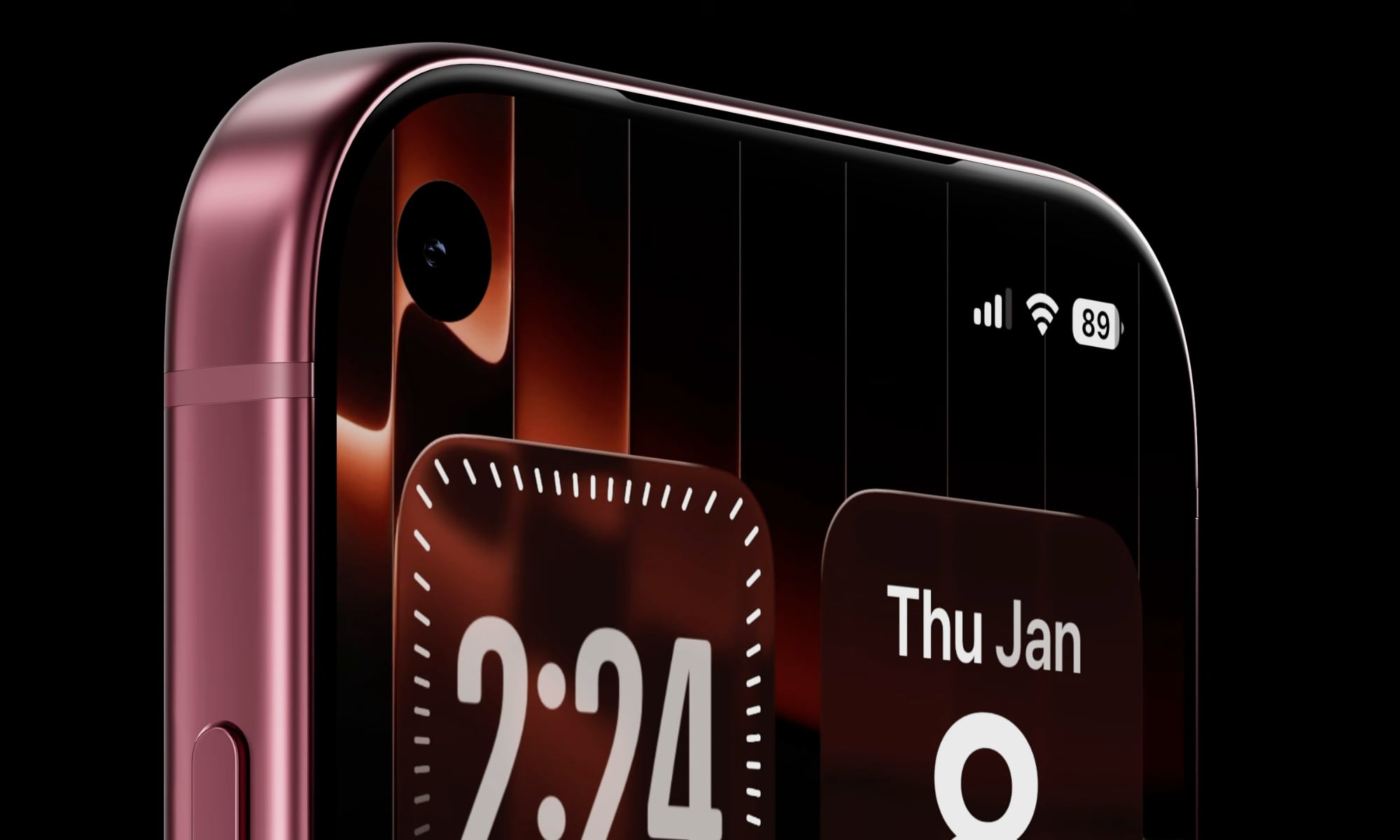
Why Minimal Changes for iPhone 18 Make Business Sense
Apple’s decision to keep iPhone 18 designs largely intact stems from several factors. First, the current aesthetic remains highly popular and functional. Refining rather than reinventing allows faster time-to-market and cost efficiencies in manufacturing.
Second, internal priorities have clearly shifted toward the foldable iPhone. Resources allocated to hinge mechanisms, flexible displays, and durability testing for the Fold naturally limit bandwidth for major slab-phone redesigns this cycle.
Third, color refreshes provide an accessible way to generate excitement and encourage upgrades without requiring consumers to adapt to entirely new ergonomics. Deep red and coffee tones could prove particularly appealing for premium buyers seeking distinction.
Analysts note that this strategy mirrors past cycles where Apple iterated subtly on successful designs while betting big on category-defining products.
iPhone Fold: Game-Changing 3D-Printed Hinge Technology
In stark contrast to the iPhone 18’s refinements, the iPhone Fold is set to introduce Apple’s first major form-factor overhaul in years. Central to this innovation is the use of “chip-level high-molecular 3D printing technology” for the hinge mechanism.
This advanced manufacturing technique promises superior precision, reduced weight, and enhanced durability compared to traditional methods. By 3D-printing polymer or titanium components at a microscopic level, Apple can create complex geometries that minimize creasing, improve folding smoothness, and extend long-term reliability.
The hinge represents a critical engineering challenge for any foldable device. Apple’s approach reportedly combines titanium chassis elements with this 3D-printed solution to achieve an ultra-thin profile—potentially as slim as 4.5mm when closed—while maintaining structural integrity.

Technical Marvels Powering the iPhone Fold’s Hinge Innovation
The 3D-printed hinge leverages high-molecular polymers and potentially liquid metal alloys for exceptional flexibility and strength. This allows for tighter tolerances, smoother operation, and reduced visible creasing on the flexible display—addressing one of the biggest pain points in competing foldables.
Rumors point to a book-style fold with approximately 5.5 inches closed and 7.8 inches open, rivaling a small tablet experience. Titanium construction will help keep weight manageable despite the added mechanics, while advanced display materials aim for near-crease-free performance.
This hinge technology isn’t just about folding—it enables new usage paradigms: multitasking on a larger canvas, enhanced productivity apps, and immersive media consumption without compromising portability.
Design and Feature Highlights Expected in iPhone Fold
Beyond the hinge, the iPhone Fold will feature a titanium frame for durability, high-quality cameras optimized for both form factors, and likely 12GB of RAM to power seamless folding transitions and AI features. Pricing is expected around $2,000, positioning it as a premium device.
The outer display will provide quick-access functionality when closed, while the expansive inner screen transforms into a productivity powerhouse when unfolded. Apple is said to be prioritizing software optimization to make the foldable experience feel native and intuitive.
Production ramps are aggressive, with display orders increased significantly, signaling strong confidence in market demand.
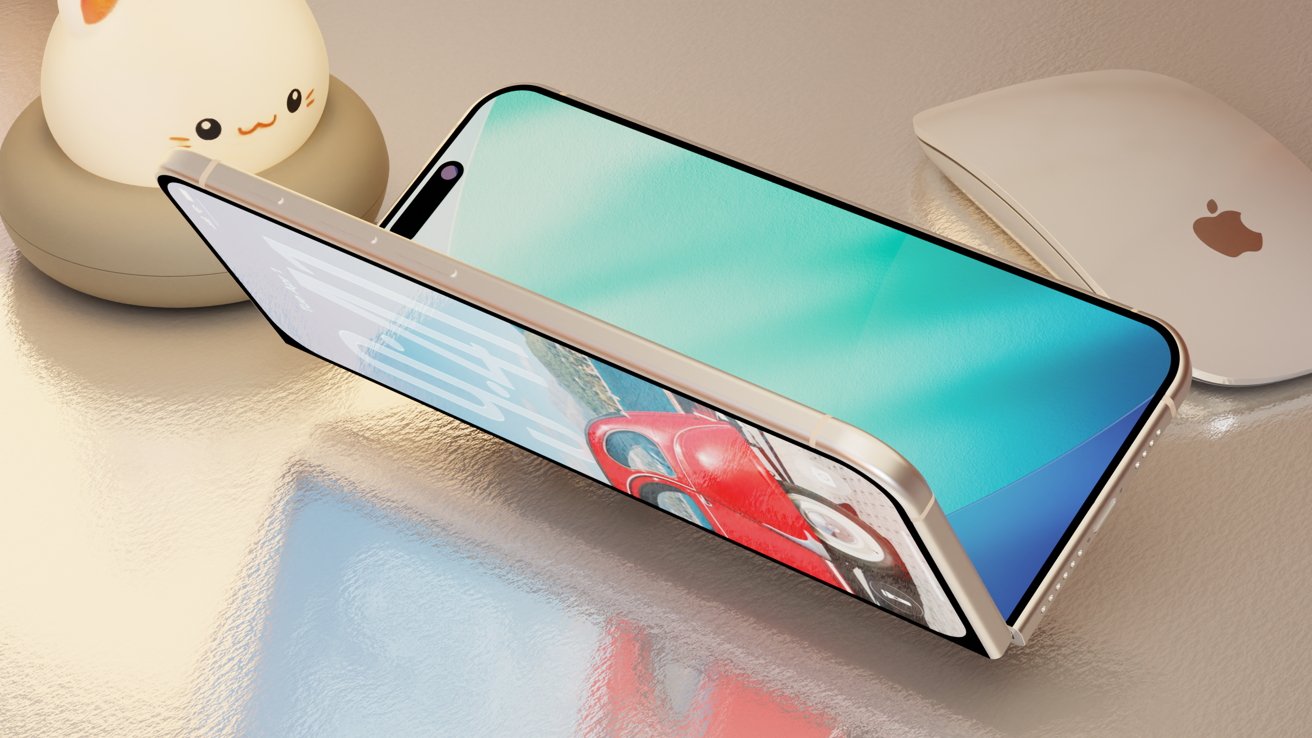
Comparing the Two: Evolutionary vs Revolutionary Apple Strategies
The contrast between iPhone 18 and iPhone Fold couldn’t be clearer. One offers reliable iteration with appealing cosmetic updates—ideal for the majority of users seeking incremental improvements in performance, battery, and cameras. The other represents a bold gamble on a new category that could expand Apple’s ecosystem dramatically.
This dual-track approach allows Apple to hedge its bets. Loyal customers get refreshed Pro models with new colors and likely A20-series chips, while innovators and professionals can embrace the Fold’s transformative potential.
Market dynamics support this split. Slab phones continue dominating sales volumes, but foldables are gaining traction globally as technology matures. Apple’s entry could legitimize and accelerate the segment.
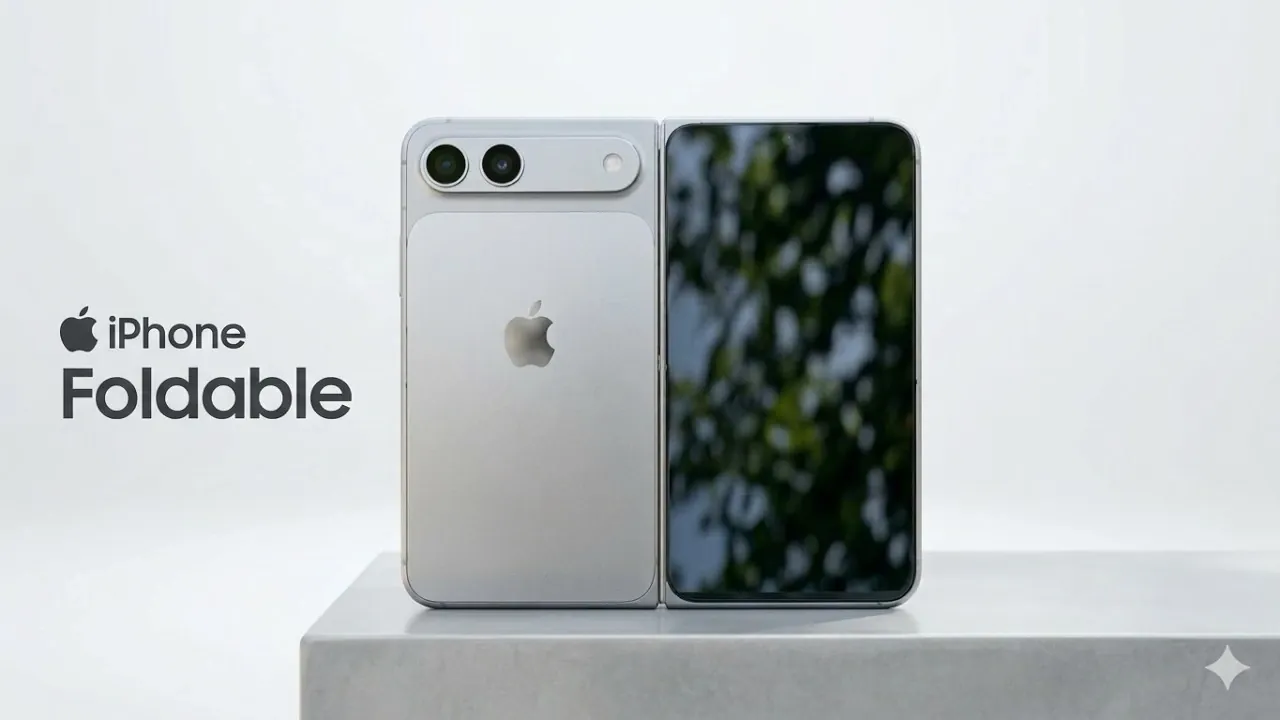
Broader Implications for Apple’s 2026 Roadmap and Beyond
The 2026 lineup marks a pivotal year. With iPhone 18 Pro, Pro Max, and Fold arriving in fall, followed potentially by standard models in 2027, Apple is optimizing production amid component constraints like memory chips.
Success with the 3D-printed hinge could influence future devices, including more advanced foldables or even rollables. It also underscores Apple’s mastery of manufacturing at scale—turning cutting-edge techniques into reliable consumer products.
For consumers, this means more choices: stick with proven excellence in vibrant new colors or leap into the future with a device that folds innovation into everyday life.
What This Means for Buyers and the Industry
If you’re upgrading in 2026, the iPhone 18 Pro delivers continuity with style refreshes and expected internal upgrades like improved cameras and efficiency. It’s a safe, desirable choice for most.
The iPhone Fold, however, targets those craving something entirely new. Its 3D-printed hinge could set new standards for durability and user experience, potentially justifying the premium price for power users, creators, and early adopters.
Globally, Apple’s move will pressure competitors to innovate further while validating foldable technology for mainstream acceptance. The combination of subtle slab evolution and bold foldable revolution showcases a mature company balancing stability with ambition.
As development continues, expect more leaks to refine these expectations. One thing remains certain: 2026 will deliver compelling options whether you prefer evolutionary color pops or revolutionary folding mechanics. Apple’s dual strategy ensures there’s something exciting for every type of user in this thrilling tech landscape.
Discover more from Tech-Brunch
Subscribe to get the latest posts sent to your email.


