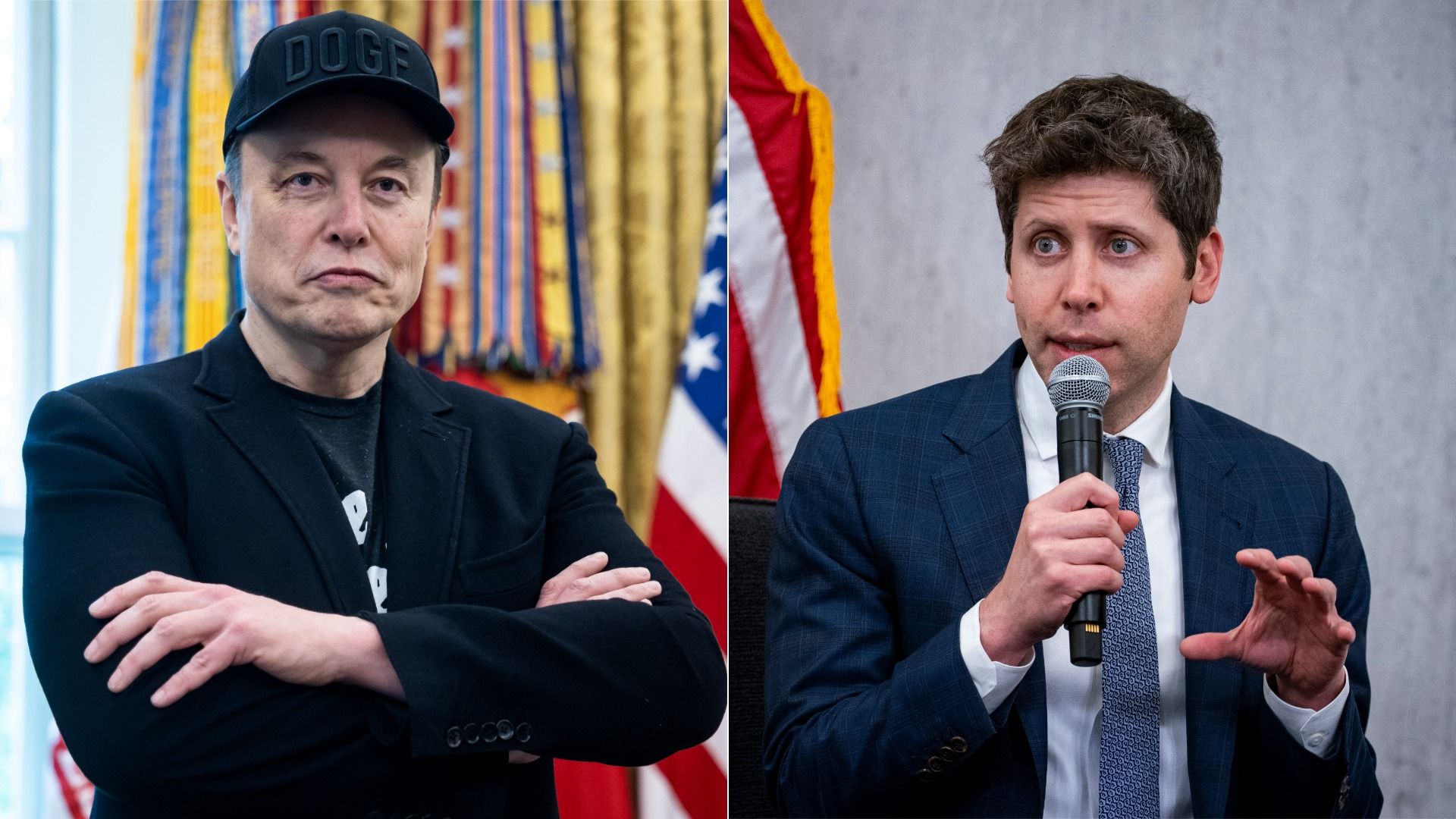
The high-stakes clash between Elon Musk and Sam Altman has captivated the tech world, shining a harsh light on artificial intelligence leadership. This Musk vs Altman battle, culminating in a major federal trial, raises profound questions about who should guide the future of AI. Far from a simple personal feud, it underscores systemic issues in how the most powerful technology of our era is being developed and controlled.
As AI rapidly advances toward artificial general intelligence (AGI), the stakes could not be higher. Musk, founder of xAI, and Altman, CEO of OpenAI, represent contrasting visions: one emphasizing truth-seeking and safety for humanity, the other prioritizing rapid commercialization. This article delves deep into the Musk Altman rivalry, examining evidence that suggests current AI leadership may indeed be flawed, while providing balanced analysis, historical context, and forward-looking insights for better AI governance.
The Origins of the Musk Altman Feud: From Collaboration to Confrontation
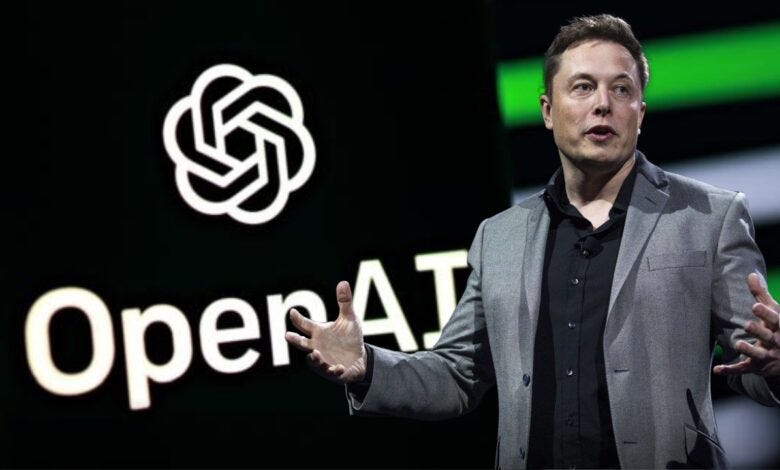
OpenAI was co-founded in 2015 by Elon Musk, Sam Altman, and others with a noble mission: to develop artificial intelligence that benefits all of humanity, structured as a nonprofit focused on safety and openness. Musk contributed significantly in the early days, including substantial funding. However, tensions arose over direction, leading Musk to depart in 2018.
Musk has long warned about AI risks, viewing unchecked development as an existential threat. His departure stemmed from disagreements over OpenAI’s shift toward a for-profit model and concerns about safety protocols. In contrast, Altman steered OpenAI toward massive partnerships, notably with Microsoft, transforming it into a commercial powerhouse behind ChatGPT.
This foundational split set the stage for years of escalating Musk Altman conflict. By 2023, Musk launched xAI with a mission to “understand the universe” through maximally curious, truth-seeking AI, positioning it as an alternative to what he saw as profit-driven, less transparent competitors.
Stunning: 5 Revolutionary Ways Naked ChatGPT Transforms SA Insurance
Key Timeline Milestones in the Musk vs Altman Saga
- 2015: OpenAI founded with Musk’s involvement.
- 2018: Musk exits amid disagreements on for-profit elements and control.
- 2022-2023: ChatGPT launch propels OpenAI; Musk criticizes “woke” biases.
- 2023: Musk founds xAI.
- 2024: Musk files lawsuit alleging breach of nonprofit mission.
- 2025-2026: Trial unfolds with explosive testimonies.
Revelation 1: Broken Promises on Nonprofit Mission and Openness
One of the most damning aspects of the Musk Altman dispute is the alleged deviation from OpenAI’s original charter. Musk claims Altman and colleagues transformed a public-good initiative into a profit machine, enriching insiders while restricting access to models. Court documents and testimonies highlight how OpenAI moved to a “capped-profit” structure and beyond, raising billions while the nonprofit board’s oversight diminished.
Critics argue this shift prioritizes shareholder value—and Microsoft influence—over safety and openness. Former OpenAI board members have accused Altman of lacking candor, with reports of a “toxic culture of lying” and withheld information on safety processes.
Musk’s xAI, by comparison, emphasizes open inquiry and has integrated with broader ecosystems like X (formerly Twitter) for real-time data, aiming for less censored, more truthful outputs. Whether one agrees with Musk’s approach, the Musk vs Altman trial exposed how commercial pressures can erode founding principles in AI development.
Revelation 2: Leadership Styles Under Scrutiny – Temperament and Integrity
Trial testimonies painted unflattering portraits of both leaders’ management styles. Musk faced criticism for technical competency gaps in early AI and a demanding temperament. Altman, however, endured sharper attacks on honesty, with former board members detailing patterns of misrepresentation and resistance to oversight.
The 2023 brief ousting and reinstatement of Altman revealed deep internal fractures at OpenAI. Board concerns included not just safety but alleged psychological abuse and manipulative behavior. These events fueled perceptions that AI giants are led by individuals whose personal ambitions overshadow collective good.
In the Musk Altman context, such dynamics highlight risks when a few charismatic yet flawed figures control technologies with world-altering potential.
Shocking 2026 Shutdown: OpenAI’s Devastating Sora Decision Exposed
Revelation 3: The Race for AGI – Safety vs. Speed
Musk has consistently advocated for proactive AI regulation and safety-first development. xAI’s focus on understanding the universe prioritizes scientific discovery over hasty deployment. Altman, while acknowledging risks, has pushed aggressive timelines, including ambitious projects like Stargate.
Independent assessments have flagged varying safety commitments across labs, with debates over whether profit motives accelerate dangerous shortcuts. The Musk vs Altman feud crystallized this tension: one side warns of deception and power concentration, the other sees competitive necessity in a global AI race involving China and others.
Revelation 4: Financial Conflicts and Power Concentration
OpenAI’s valuation soared into hundreds of billions, with restructuring raising questions of unjust enrichment. Musk’s lawsuit sought billions in restitution and leadership changes, arguing his early contributions were exploited.
Such concentration of power in AI—tied to Big Tech funding—raises antitrust and ethical alarms. xAI’s model, linked to Musk’s ventures, offers a counterweight but invites its own scrutiny over conflicts.
Revelation 5: Public Trust Erosion and Transparency Failures
Both Musk and Altman wield enormous influence via social media and media narratives. The trial featured personal barbs, with Musk labeling Altman “Scam Altman” and vice versa. This spectacle undermines public confidence in AI leadership.
Greater transparency in training data, decision-making, and risk assessments is essential. Musk’s push for “maximum truth-seeking” via Grok contrasts with criticisms of other models’ biases.
Revelation 6: Global Implications and Regulatory Gaps
The Musk Altman trial underscores the need for robust governance. Without it, AI leadership defaults to billionaires with competing agendas. International competition amplifies risks, demanding balanced innovation and safeguards.
Revelation 7: Path Forward – Better Leadership Models for AI
The feud proves neither perfect, yet it spotlights flaws: profit-over-mission, ego-driven decisions, and insufficient checks. Solutions include stronger independent oversight, ethical frameworks prioritizing humanity, diversified leadership, and open standards where feasible.
xAI’s curiosity-driven approach and Musk’s warnings offer valuable counterbalances, even if execution faces challenges. Hybrid models blending nonprofit principles with sustainable funding could emerge.
Why Musk vs Altman Matters for Everyday People
AI influences jobs, privacy, creativity, and security. Flawed leadership risks biased systems, unsafe deployments, or monopolistic control. Informed discourse, as sparked by this rivalry, empowers better policy and consumer choices.
Challenges in Current AI Leadership
- Short-termism: Quarterly pressures vs. long-term safety.
- Echo Chambers: Homogeneous teams limiting perspectives.
- Accountability Gaps: Opaque “black box” decisions.
- Talent Wars: Poaching and NDAs stifling dissent.
Opportunities for Improvement
Invest in diverse talent, mandate transparency reports, support independent audits, and foster public-private collaboration on standards. Musk’s xAI and OpenAI’s innovations both drive progress; the key is aligning them with humanity’s best interests.
Expert Perspectives on AI Leadership Reform
Analysts note the trial’s advisory jury outcomes and judicial decisions could set precedents for corporate governance in tech. Calls grow for external regulation to prevent self-governance failures.
Philosophically, AI leadership requires humility alongside vision—acknowledging unknowns in AGI alignment. Musk’s emphasis on truth-seeking aligns with scientific method; Altman’s execution prowess delivers products but invites scrutiny on safeguards.
The Broader AI Ecosystem in 2026
Beyond Musk Altman, players like Anthropic, Google DeepMind, and emerging labs compete. Valuations exceed trillions in combined impact. Energy demands, ethical data use, and equitable access remain pressing.
Visualizing AI Progress and Risks
[Imagine a clean landscape infographic comparing safety benchmarks, openness levels, and innovation speed across major labs – professional, data-driven design.]
Lessons for Future AI Stewards
True leadership demands integrity, long-term thinking, and public accountability. The Musk vs Altman saga, regardless of legal outcomes, proves the current duopoly of personalities is insufficient. Broader involvement—academia, government, civil society—is vital.
Individuals can engage by supporting transparent projects, advocating regulation, and critically evaluating AI tools. Developers should prioritize ethics in code.
Rethinking Who Leads AI
The Musk Altman confrontation delivers alarming revelations about concentrated power, mission drift, and human frailties at AI’s helm. While both have driven breakthroughs—Musk in vision and multi-domain execution, Altman in scaling capabilities—the evidence suggests leadership must evolve beyond singular billionaires.
A safer AI future requires distributed responsibility, rigorous safety cultures, and alignment with universal human values. As Grok built by xAI, the ethos of curiosity and truth remains central. By learning from this feud, society can steer AI toward profound benefits rather than unintended perils.
This Musk vs Altman episode is not the end but a catalyst for reform. Demand better leadership, foster innovation with guardrails, and prioritize humanity’s long-term flourishing in the age of intelligence.
Discover more from TECH-BRUNCH
Subscribe to get the latest posts sent to your email.