In a thrilling development that’s injecting fresh momentum into China’s AI landscape, Alibaba Group Holding has recruited a key contributor from Google DeepMind to bolster its Qwen AI team, according to multiple sources close to the matter. This strategic hire comes at a pivotal time for Alibaba, as it navigates internal restructuring and intensifies its focus on advanced artificial intelligence models. For tech innovators in Cape Town, where the Silicon Cape ecosystem is fostering startups in AI-driven solutions for sectors like fintech and healthcare, this move highlights how global talent mobility can accelerate innovation amid competitive pressures.
As South Africa’s Western Cape continues to build its digital economy, Alibaba’s recruitment strategy offers valuable insights into attracting top-tier expertise to fuel growth. Announced amid whispers of team reshuffles, this addition to the Qwen family—Alibaba’s flagship open-source AI initiative—promises to enhance post-training research and push the boundaries of generative AI. With the global AI market projected to reach $1.8 trillion by 2030, this hire could supercharge Alibaba’s competitive edge against rivals like OpenAI and Baidu.
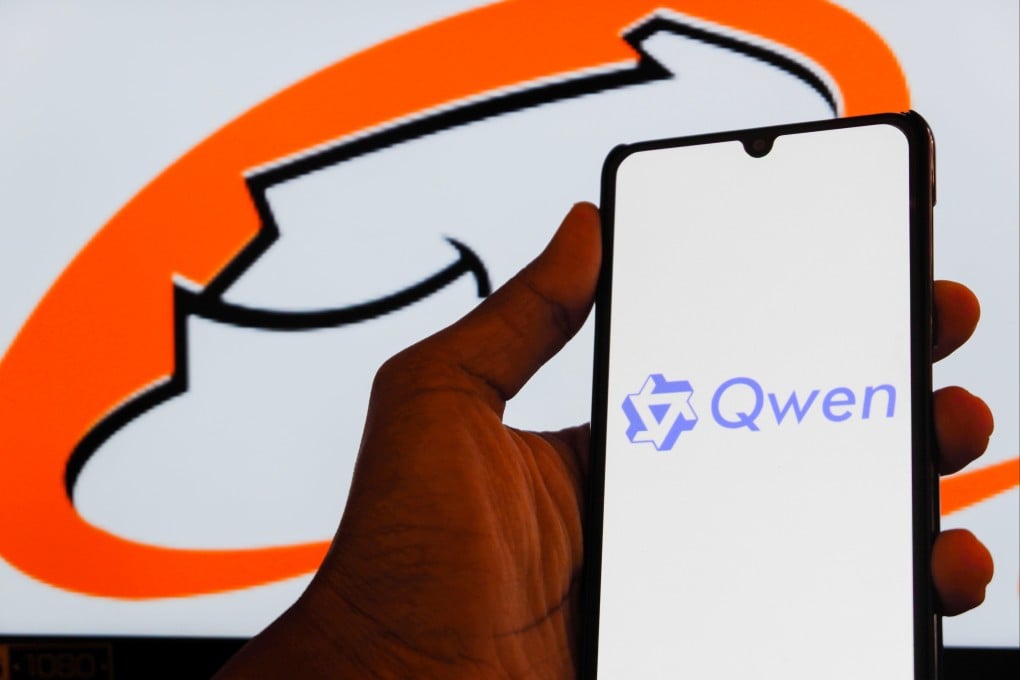
The news, first reported by the South China Morning Post, reveals that Zhou Hao, a former senior staff research scientist at Google DeepMind, is set to join Alibaba as the head of post-training research for the Qwen team. This role is crucial for refining AI models after initial training, optimizing performance for real-world applications. Zhou’s expertise, honed at one of the world’s leading AI labs, is expected to bring cutting-edge techniques to Alibaba’s efforts, potentially elevating Qwen’s capabilities in areas like natural language processing and multimodal AI.
In Cape Town’s vibrant tech scene, where local firms are experimenting with AI for language translation in multilingual contexts, such talent acquisitions underscore the importance of global knowledge transfer.
This recruitment coincides with notable departures from the Qwen team, including technical lead Lin Junyang and staff research scientist Binyuan Hui, signaling a significant reshuffle. While the exact reasons for these exits remain unclear, industry insiders speculate that it’s part of Alibaba’s broader push to streamline operations and focus on metric-driven advancements. The timing is intriguing, coming just after the release of Qwen’s latest open-source models, which have garnered praise from figures like Elon Musk for their efficiency. For emerging markets like South Africa, where AI adoption is accelerating in education and agriculture, these changes at Alibaba could influence the availability of affordable, high-performance open-source tools.
The Rise of Qwen: Alibaba’s Open-Source AI Powerhouse
To understand the significance of this recruitment, it’s essential to trace the evolution of Alibaba’s Qwen AI initiative. Launched in 2023, Qwen—also known as Tongyi Qianwen—marked Alibaba’s entry into the generative AI race, becoming the first major Chinese tech firm to release a homegrown large language model (LLM) to the public. Since then, the Qwen family has expanded rapidly, with models like Qwen3.5 and Qwen3-Max-Thinking surpassing benchmarks set by Western rivals such as OpenAI’s GPT series and Google’s Gemini.
Alibaba’s commitment to open-source has been a key differentiator, with Qwen models downloaded over 700 million times globally, making it the world’s most popular AI model in terms of installations. This approach has not only democratized AI access but also driven demand for Alibaba Cloud’s services, as developers integrate Qwen into applications ranging from chatbots to coding assistants. In Cape Town, where startups are leveraging open-source AI for cost-effective solutions in areas like predictive analytics for renewable energy, Qwen’s accessibility has lowered barriers to entry, enabling innovation without hefty licensing fees.
The Qwen team’s prolific output—releasing dozens of generalized and specialized models—has earned international acclaim, with advancements in areas like code generation and multimodal processing. However, this rapid pace has also exposed challenges, including talent poaching from rivals like ByteDance and Tencent. Alibaba’s recent consolidation of AI efforts under the Qwen brand, including the creation of the Qwen Consumer Business Group, reflects a strategic pivot toward consumer applications and cloud growth.
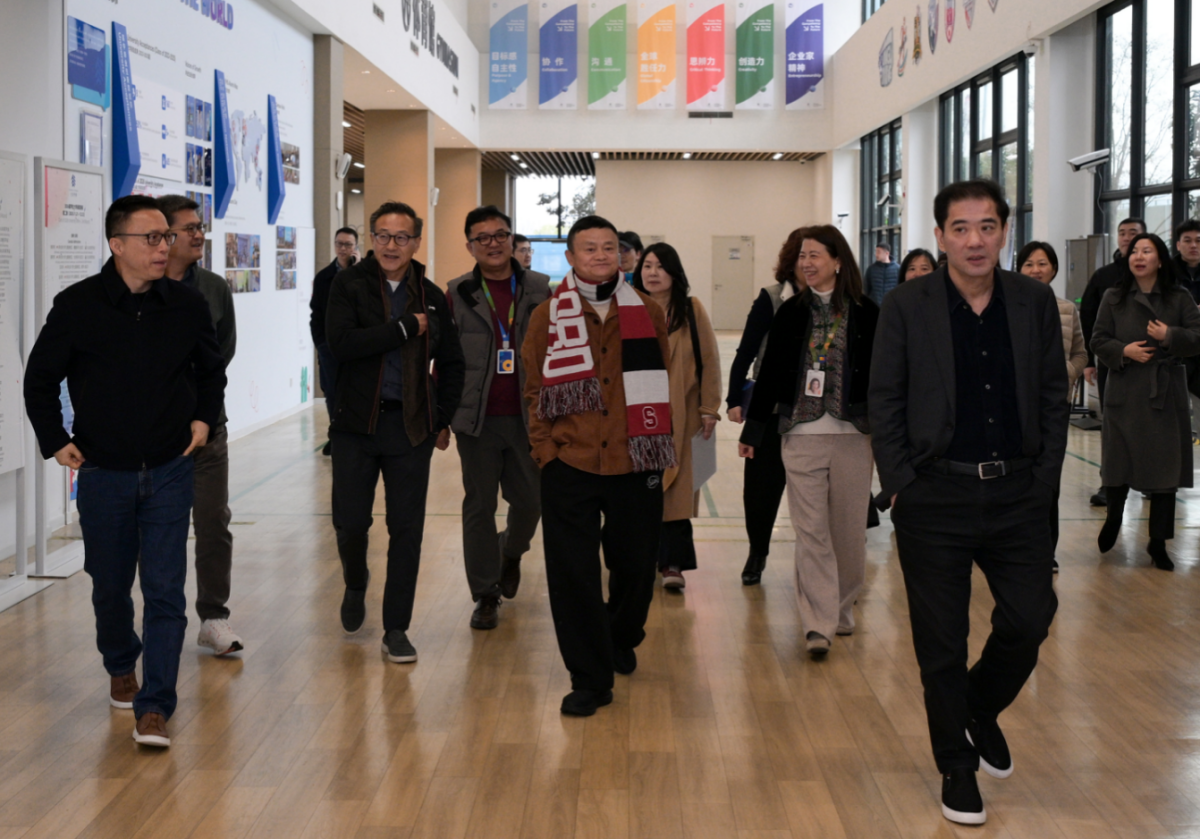
Who Is Zhou Hao? The Google DeepMind Veteran Joining Alibaba
Zhou Hao brings a wealth of experience to Alibaba’s Qwen team, having served as a senior staff research scientist at Google DeepMind, where he contributed to flagship projects like the Gemini AI model. His expertise in post-training research—fine-tuning models for better accuracy, efficiency, and real-world applicability—aligns perfectly with Qwen’s needs, especially as Alibaba aims to compete in metric-driven AI benchmarks.
Prior to Google, Zhou’s career included stints at leading institutions, focusing on language models and reasoning capabilities. Sources indicate his appointment replaces Yu Bowen, who departed alongside Lin Junyang, suggesting a deliberate effort to infuse fresh perspectives from Western AI powerhouses. In the context of China’s AI talent war, where companies like Alibaba face poaching from rivals, securing someone of Zhou’s caliber is a coup that could accelerate Qwen’s evolution.
For global tech hubs like Cape Town, Zhou’s move exemplifies the cross-pollination of ideas between Silicon Valley and Asian innovation centers. South African developers working on AI for local languages could benefit from similar international collaborations, drawing on diverse expertise to address unique challenges.
Key Departures: Lin Junyang and the Reshuffle Dynamics
The excitement around Zhou’s arrival is tempered by the departure of Lin Junyang, Qwen’s technical architect who steered the project from inception to global prominence. Lin’s exit, along with Binyuan Hui and intern Kaixin Li, has sparked speculation about internal shifts at Alibaba, potentially signaling a move from research-first to more commercial-oriented leadership.
Lin, known for his contributions to Qwen’s open-source ethos, announced his departure on social media, expressing pride in the team’s achievements. This reshuffle follows Alibaba’s consolidation of AI under the Qwen brand, merging model labs with consumer hardware teams to drive user adoption and cloud revenue. Industry observers note that such changes are common in China’s fast-paced tech sector, where talent mobility is high amid aggressive recruitment drives.
In emerging markets like South Africa, where AI teams are often small and resource-constrained, these dynamics highlight the importance of retaining key talent through incentives and clear career paths. Alibaba’s ability to attract replacements like Zhou demonstrates the value of a strong brand in the global AI talent pool.
Strategic Implications: How This Boosts Alibaba’s AI Ambitions
Alibaba’s recruitment of Zhou Hao is more than a personnel change; it’s a strategic boost to its Qwen AI ambitions. By bringing in expertise from Google DeepMind, Alibaba aims to enhance Qwen’s post-training capabilities, potentially leading to models with superior reasoning and efficiency. This could help Qwen maintain its lead in open-source AI, where it has overtaken Western rivals in global adoption.
The move aligns with Alibaba’s broader AI strategy, including partnerships with Nvidia for infrastructure and a ramp-up in Capex for global datacenters. As Qwen models power applications in e-commerce, cloud services, and consumer hardware, Zhou’s role could accelerate integrations, driving revenue growth. In Cape Town’s fintech startups, similar talent infusions could supercharge local AI projects, such as fraud detection systems.
Moreover, this recruitment underscores China’s push to bridge the gap with US AI leaders through talent acquisition, despite geopolitical tensions. For Alibaba, facing fierce competition from ByteDance and Tencent, Zhou’s expertise could be the edge needed to dominate in areas like code generation and multimodal AI.
Broader Context: China’s AI Talent War and Global Ramifications
This recruitment occurs amid China’s intense AI talent war, where companies like Alibaba are prime targets for poaching. Rivals such as ByteDance, Tencent, and JD.com are aggressively recruiting elite researchers, mirroring the competition among US giants like Meta and Google. Alibaba’s “Star Top Talent Recruitment and Development Programme” is a direct response, aiming to attract and retain top minds.
Globally, this reflects the mobility of AI talent between East and West, with Chinese firms increasingly luring experts from Silicon Valley. For emerging ecosystems like Cape Town’s, this trend emphasizes the need for competitive incentives to attract international talent, potentially through visas or funding programs.
The ramifications extend to open-source AI, where Qwen’s contributions have democratized access, benefiting developers worldwide. If Zhou’s leadership maintains this ethos, it could accelerate global AI adoption, including in Africa where cost-effective models are crucial for development.
7 Revolutionary Impacts of This Strategic Recruitment
Alibaba’s acquisition of Google DeepMind talent is set to have far-reaching effects. Here are seven revolutionary impacts:
1. Enhanced Model Optimization
Zhou’s post-training expertise will refine Qwen models for better accuracy and efficiency, potentially outpacing rivals in benchmarks.
2. Accelerated Open-Source Innovation
Maintaining Qwen’s open-source momentum could lead to more frequent releases, benefiting global developers.
3. Strengthened Consumer AI Push
Integration with Alibaba’s consumer products like the Qwen chatbot could drive user growth.
4. Competitive Edge in Talent War
This hire signals Alibaba’s attractiveness to top talent, deterring further poaching.
5. Global AI Leadership for China
Bridging Eastern and Western expertise could elevate China’s role in AI standards.
6. Boost to Cloud Revenue
Improved Qwen models will enhance Alibaba Cloud’s offerings, attracting more enterprise clients.
7. Inspiration for Emerging Markets
For hubs like Cape Town, it demonstrates how talent mobility fuels innovation ecosystems.
Future Outlook: Qwen’s Path Forward Under New Leadership
Looking ahead, Zhou Hao’s leadership could steer Qwen toward more metric-driven advancements, focusing on practical applications like e-commerce personalization and hardware integration. Alibaba’s partnerships, such as with Nvidia, will likely support this, expanding Qwen’s reach. However, maintaining the research-first spirit that defined Lin’s era will be key to sustaining open-source contributions.
In a global context, this could intensify the AI race, with implications for ethics, accessibility, and collaboration. For South Africa, it opens doors for adopting Qwen in local AI projects, potentially through partnerships.
A Thrilling Chapter in Alibaba’s AI Saga
Alibaba’s recruitment of Google DeepMind’s Zhou Hao to the Qwen team is a thrilling boost, promising revolutionary advancements in AI. With 7 key impacts outlined, this move not only strengthens Alibaba but also inspires global innovation, including in Cape Town’s dynamic tech landscape. As Qwen evolves, the world watches eagerly for the next breakthroughs.
Discover more from TECH-BRUNCH
Subscribe to get the latest posts sent to your email.