

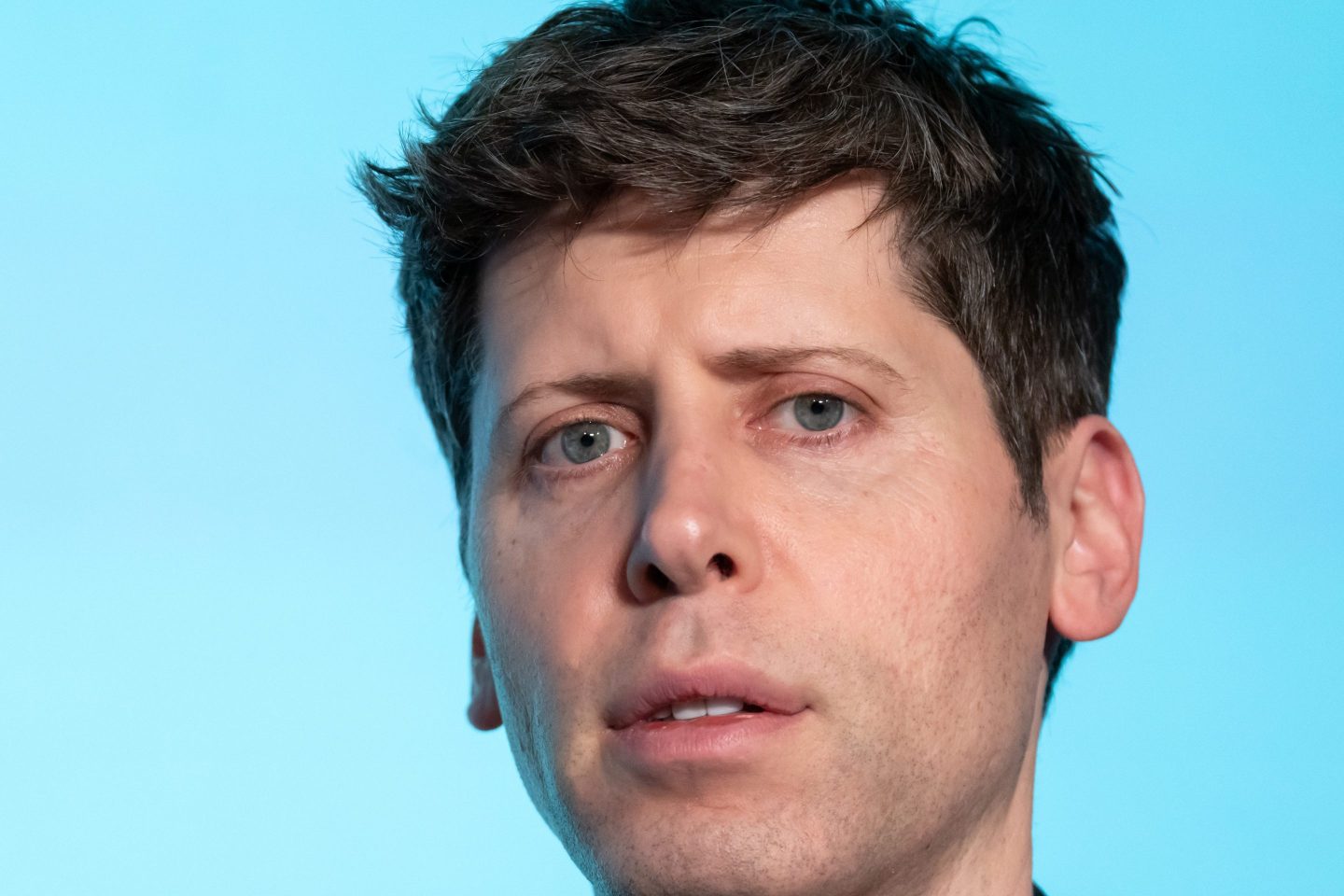
The recent assault on OpenAI CEO Sam Altman has sent shockwaves through Silicon Valley and beyond, thrusting the simmering tensions around artificial intelligence into the harsh light of public scrutiny. On a quiet Friday evening in mid-April 2026, a 20-year-old man from Texas allegedly hurled an incendiary device at Altman’s multimillion-dollar home in San Francisco’s upscale Pacific Heights neighborhood, igniting a fire at the property’s gate before fleeing the scene. Hours later, the same individual reportedly attempted to smash his way into OpenAI’s headquarters with a chair, issuing threats to burn the building and harm anyone inside.
No one was injured, but the incident—quickly linked by authorities to a broader plot targeting AI executives—has ignited fierce debate about the escalating fringes of the anti-AI movement. Mainstream safety advocates have rushed to condemn the violence, yet online corners erupted in cheers, drawing uncomfortable parallels to other politically charged attacks. This episode lays bare seven unsettling truths about a movement that began as thoughtful critique but now risks spiraling into something far more dangerous.

The Harrowing Details of the Attack on Sam Altman
Daniel Moreno-Gama, the suspect now held without bail, traveled across the country with clear intent, according to federal complaints. He carried a manifesto decrying AI’s “purported risk” to humanity and warning of “our impending extinction.” The document explicitly named Sam Altman as a target, alongside lists of addresses for other AI company board members, CEOs, and investors.
After the firebombing of Altman’s residence, Moreno-Gama allegedly proceeded to OpenAI’s San Francisco offices, where surveillance captured him attempting to breach the glass doors. He reportedly shouted threats to incinerate the facility. Authorities recovered a kerosene jug and the inflammatory three-part document during his arrest. State charges include attempted murder and arson, with federal counts potentially encompassing domestic terrorism elements.
This was no isolated outburst. Just days earlier, shots were fired at the Indianapolis home of Councilman Ron Gibson after he backed a data-center rezoning project, accompanied by a chilling “No Data Centers” note. Reports of vandalism against robotaxis and delivery bots have also surfaced, signaling a pattern of growing physical resistance to AI infrastructure.
Suspect Background and Online Radicalization Trail
Moreno-Gama had immersed himself in anti-AI online communities in the weeks leading up to the attack. He engaged with hosts of the podcast “The Last Invention,” discussing “Luigi-ing tech CEOs”—a grim reference to the accused killer of UnitedHealthcare’s CEO. He also posted in the open Discord server of PauseAI, an organization pushing for a temporary halt on frontier AI development until safety protocols improve.
PauseAI confirmed Moreno-Gama was not a formal member and had no role in organized events. His attorney cited a mental health crisis, while his parents described recent struggles and emphasized he had never harmed anyone before. Yet the manifesto’s language echoed long-standing existential fears amplified across fringe forums: AI as an unstoppable force leading to human obsolescence or worse.
These digital spaces, once hubs for policy debate, now appear to harbor voices blurring the line between advocacy and incitement. One X post likened the attacker to a “hero,” while Reddit threads in anti-AI groups declared the violence “justified” if it slowed unchecked technological progress.
Mainstream AI Safety Groups Condemn Violence Unequivocally
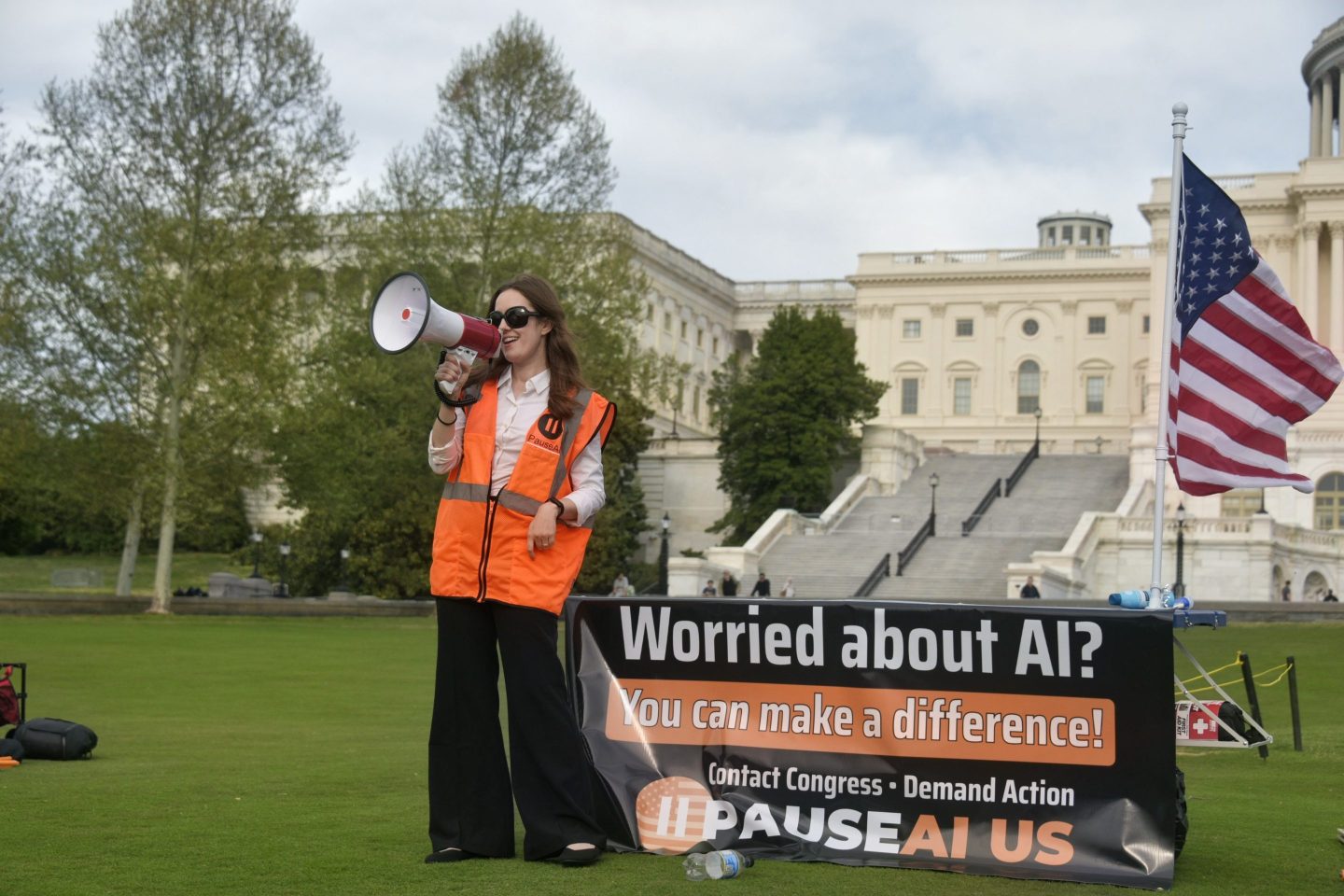
Leading organizations moved swiftly to distance themselves. PauseAI’s CEO Maxime Fournes stated firmly, “We exist to give people a peaceful, democratic path to act on concerns about AI, and so this attack is the opposite of everything we stand for.” The group stressed its commitment to lawful advocacy and warned that such incidents could tarnish the broader, overwhelmingly non-violent movement.
Stop AI, a splinter group focused on halting advanced AI outright, echoed the rejection. It revealed Moreno-Gama had once asked if discussing violence would result in a ban from its forum and confirmed he was told yes. “Stop AI has always adhered to nonviolent activism,” the organization posted on X.
OpenAI itself issued a measured response: “To ensure society gets AI right, we need to work through the democratic process and a robust debating of ideas is an important part of a healthy democracy. However, there is no place in our democracy for violence against anyone, regardless of the AI lab they work at or side of the debate they belong to.”
“Our response to this is going to be to double down on what we’ve always done—peaceful, lawful advocacy,” Fournes added, highlighting fears of copycat actions and the potential for even darker radical elements to emerge.
Seven Alarming Truths the Attack Unveils
The incident crystallizes seven uncomfortable realities reshaping the AI landscape. First, existential dread has moved beyond academic papers into street-level action. Concerns over job displacement, environmental toll from massive data centers, and humanity’s potential extinction now fuel tangible hostility.
Second, the movement is splintering. Moderate voices calling for regulation clash with absolutists demanding an immediate stop, creating fertile ground for fringe escalation. Third, online anonymity accelerates radicalization, turning abstract fears into targeted plots.
Fourth, public sentiment is shifting rapidly. Polls show declining favorability toward AI, with some surveys indicating it ranks below controversial nations in popularity among certain demographics. Fifth, infrastructure backlash is real—data centers, once welcomed for economic boosts, now face armed resistance.
Sixth, Silicon Valley’s security posture must evolve. OpenAI employees already remove badges before leaving offices; executives may soon require personal protection details once reserved for heads of state. Seventh, and most critically, the debate risks losing nuance. Lumping all critics as “doomers” or celebrating violence both undermine the democratic dialogue AI’s future demands.
“If this relentless push for AI and the complete commoditization of what it means to be human is allowed to continue, this sort of episode will be much more common,” warned one anonymous poster in an anti-AI Reddit community, illustrating how rhetoric can tip into justification.
Rising Anti-AI Sentiment: From Protests to Property Damage
Worries about AI run deep and multifaceted. Labor unions fear white-collar job losses on an unprecedented scale. Environmentalists decry the enormous energy demands of training models, with new data centers sprouting across rural America. Privacy advocates warn of surveillance states enabled by ever-smarter systems. Even some AI insiders, including former executives, have signed open letters urging pauses—echoing the 2023 calls that first galvanized the movement.
Yet the shift from petitions to Molotov cocktails marks a dangerous evolution. Vandalism against autonomous vehicles and delivery robots foreshadowed this moment. The Indianapolis councilman incident underscores how local disputes over data-center construction can turn violent overnight.
Stanford sociologist Doug McAdam, who studies social movements, notes that radical flanks often amplify moderate voices paradoxically. “It’s not unusual for such movements to produce a radical flank,” he observed, suggesting the attack could ultimately lend credibility to calls for measured oversight.
Silicon Valley’s Response: Protection, Dialogue, and Accountability
Tech leaders are grappling with how to respond without stifling debate. Altman shared a personal photo of his husband and young child on X, writing a plea many interpreted as a humanizing appeal: he hoped it might “dissuade the next person from throwing a Molotov cocktail at our house, no matter what they think about me.”
OpenAI policy chief Chris Lehane has urged critics to be “responsible,” warning that inflammatory ideas carry consequences. Internal dissent exists too—alignment researcher Jason Wolfe publicly pushed back, arguing the company should focus on earning trust through transparency rather than dismissing all skeptics.
Broader industry voices, including Anthropic’s Dario Amodei, continue emphasizing rapid progress alongside safety. Yet the attack has prompted fresh conversations in Washington about enhanced protections for tech executives and clearer distinctions between legitimate protest and domestic threats.
Broader Implications for AI’s Future and Society
The anti-AI movement’s dark underbelly, exposed by this assault, highlights a critical inflection point. As AI capabilities surge—powering breakthroughs in medicine, climate modeling, and scientific discovery—the backlash risks hardening into outright hostility. Economic anxieties, valid as they are, cannot excuse violence that endangers lives and chills innovation.
History offers lessons: past tech backlashes, from Luddites smashing machines to anti-nuclear protests, eventually gave way to regulation and coexistence. Today’s challenge demands the same—robust public oversight, transparent risk assessment, and inclusive dialogue that addresses genuine concerns without descending into extremism.
“AI companies are going to really have to think seriously about how they’re going to respond,” McAdam warned. “The movement, as a whole, is gaining visibility and leverage, even as this radical fringe is criticized.”
Policymakers, technologists, and citizens must now choose: amplify division or forge pathways toward beneficial AI that serves humanity. The attack on Sam Altman was not merely an assault on one executive—it was a stark warning that unchecked fears, left unaddressed, can ignite real-world flames.
Moving Forward: Preserving Debate Without Descent into Chaos
In the aftermath, PauseAI and Stop AI have reaffirmed non-violence, doubling down on democratic engagement. Their efforts underscore that the vast majority of AI critics seek thoughtful safeguards, not destruction. Yet the incident serves as a wake-up call for all sides.
Investors, regulators, and the public should demand accountability from both accelerating AI firms and their most strident opponents. Only through transparent communication, measurable safety benchmarks, and economic support for displaced workers can society navigate this transformative era without further tragedy.
The shocking truths revealed by the attack on Sam Altman demand urgent reflection. If the anti-AI movement’s fringes continue radicalizing while mainstream voices are drowned out, the dark underbelly could overshadow legitimate concerns entirely. Conversely, dismissing all criticism as dangerous risks alienating the public and inviting greater backlash.
As AI reshapes economies and daily life, the path forward lies in nuance, empathy, and evidence-based policy—not firebombs or fearmongering. The coming months will test whether Silicon Valley, activists, and governments can rise to this challenge, ensuring technology remains a tool for progress rather than a flashpoint for division.
The attack has exposed vulnerabilities on every side. Addressing them honestly may yet prevent the next incident and steer the AI revolution toward shared prosperity. The stakes could not be higher—for executives, for critics, and for society as a whole.


