


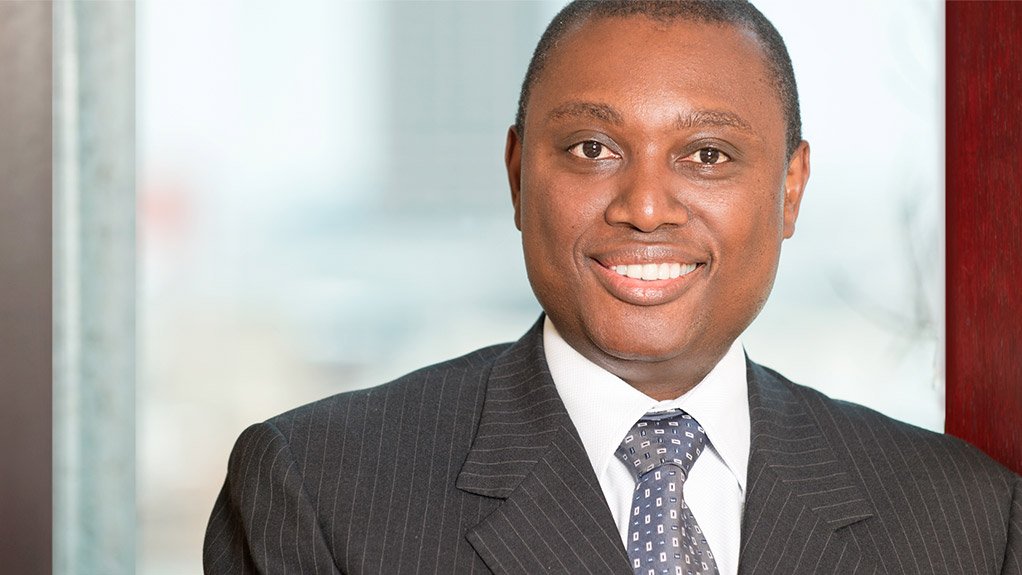
In a landmark moment for South Africa’s banking sector, Standard Bank Group CEO Sim Tshabalala has secured an explosive R106 million payday that underscores the rewards of exceptional leadership and strategic execution. This record-breaking remuneration package for 2025 not only highlights the bank’s stellar financial turnaround but also reflects a performance-driven culture that continues to deliver value across Africa.
The announcement comes hot on the heels of Standard Bank’s 2025 financial results, where the group smashed ambitious targets set back in 2021. With headline earnings surging 11 percent to R49.2 billion and return on equity hitting a robust 19.3 percent, the payout serves as a powerful validation of disciplined growth in a challenging economic environment.
South Africa’s largest bank by assets has long positioned itself as a pan-African powerhouse, and this year’s results prove the strategy is paying off handsomely. While executive pay often sparks debate in emerging markets, Tshabalala’s massive triumph ties directly to measurable outcomes that benefited shareholders, customers, and the broader economy.
Sim Tshabalala’s Record-Breaking Journey at the Helm
Sim Tshabalala, the 58-year-old Group Chief Executive, has steered Standard Bank through turbulent times with remarkable consistency. Appointed to the top role more than a decade ago, he has transformed the institution into a diversified financial services leader spanning retail, corporate, and investment banking across the continent.
His latest remuneration package marks the highest in his illustrious career at the bank. For the year ended 31 December 2025, Tshabalala received a total of R106.387 million — a significant leap from R55.7 million in 2022 and R83.3 million in 2023. This explosive growth mirrors the bank’s own upward trajectory and rewards years of steady navigation through interest rate fluctuations, currency volatility, and post-pandemic recovery.
What makes this payday particularly noteworthy is its strong link to long-term performance metrics. More than 60 percent of the package stems from Performance Reward Plan (PRP) awards granted in March 2023. These incentives vested at an impressive 152 percent rate, calculated using the group’s share price of R290.40 at year-end. The structure ensures alignment between executive rewards and shareholder value creation.
Fixed elements of the package include a base salary of R12.267 million, employer retirement contributions of R358,000, and benefits plus allowances totaling R242,000. The real firepower, however, comes from short-term incentives worth R26.186 million and long-term awards exceeding R67.934 million. Over R94 million of the total arrived in a mix of cash bonuses and share-based options — a clear signal that success is shared through equity ownership.
Breaking Down the R106 Million Package in Detail
Understanding executive remuneration at Standard Bank requires looking beyond the headline figure. The bank’s compensation philosophy blends guaranteed pay with high-variable incentives tied to rigorous performance conditions measured over multi-year cycles.
Tshabalala’s fixed annual salary remained competitive yet modest relative to the total — just over R11.6 million in some disclosures — paid regardless of results. The bulk of his earnings flowed from performance-linked elements. Short-term incentives rewarded immediate achievements in revenue growth and cost management, while the PRP awards celebrated sustained delivery on return on equity, headline earnings per share, and cost-to-income ratio targets.
This structure is no accident. Standard Bank designed its plans to retain top talent in a competitive global market while ensuring executives think long-term. The vesting of 2023 awards at 152 percent demonstrates how the bank exceeded internal hurdles across the three-year period ending December 2025.
Critics sometimes question high executive pay in South Africa, where inequality remains a pressing issue. Yet the data shows clear justification here. The R106 million package reflects genuine value creation: headline earnings per share and dividends both grew 12 percent, while the cost-to-income ratio improved dramatically to 50.2 percent. Credit losses dropped to 73 basis points amid a healthier macroeconomic backdrop.
Standard Bank’s Stellar 2025 Results Fuel the Massive Triumph
The payout did not occur in isolation. Standard Bank delivered one of its strongest performances in recent memory, meeting or exceeding every core financial target established in 2021.
Headline earnings reached R49.2 billion, marking an 11 percent increase year-on-year. Return on equity settled at 19.3 percent — comfortably at the upper end of the 17-20 percent guidance range. Banking operations drove the momentum through solid balance sheet expansion, fee income growth, and robust trading revenues. Insurance and asset management businesses also contributed meaningfully.
Group CEO Sim Tshabalala captured the sentiment perfectly in his official statement: “2025 marked a significant milestone as we achieved or surpassed the ambitious financial targets we set in 2021, validating our strategy and confirming our capacity for disciplined execution. Put simply, we keep our promises and we meet our targets.”
This success story extends beyond numbers. Digital transformation accelerated customer acquisition, sustainable finance initiatives expanded rapidly, and the Africa-focused strategy continued yielding dividends. Lower interest rates and muted retail loan growth posed headwinds, yet the diversified portfolio cushioned the impact effectively.
Staff costs rose 5 percent to R51 billion, reflecting annual adjustments and investment in specialist skills. The minimum employee salary increased to R258,390 annually, showing that rewards flowed across the organisation. These developments paint a picture of inclusive growth rather than isolated executive windfalls.
The Full Executive Team: R511 Million Shared Across Top Leaders
Tshabalala’s payday forms part of a larger picture. Eight top executives collectively earned R511.045 million in 2025, with fixed pay at R68.053 million, short-term incentives at R169.312 million, and long-term awards at R273.68 million.
CFO Arno Daehnke followed closely with R79.153 million, while other key figures included Funeka Montjane (R68.284 million), Bill Blackie (R71.29 million), and COO Margaret Nienaber (R72.277 million). Each package reflected individual contributions and, in some cases, adjustments for personal circumstances such as parental leave.
The seven most senior C-suite leaders accounted for approximately R497 million, with bonuses comprising R429 million of the total. This heavy weighting toward variable pay underscores Standard Bank’s commitment to performance over entitlement. Even departing executives received structured settlements aligned with prior agreements, maintaining governance standards.
Historical Perspective and Industry Comparisons
Tshabalala’s compensation journey reveals consistent upward momentum tied to improving results. From R55.7 million in 2022 to R83.3 million in 2023 and now R106.4 million, each step coincided with stronger earnings and strategic milestones.
South African banking peers operate similar incentive models, though exact comparisons remain private until annual reports surface. What stands out at Standard Bank is the transparency and linkage to verifiable metrics. Long-term plans spanning three years reduce short-term gaming and encourage sustainable decision-making.
In a broader African context, attracting world-class talent demands competitive pay. Standard Bank competes not only with local rivals like FirstRand or Absa but also with international banks seeking experienced leaders for emerging markets. The R106 million figure, while substantial, represents a fraction of the value created — R49.2 billion in headline earnings dwarfs the entire executive pay bill.
Implications for Shareholders, Staff, and the Economy
Shareholders stand to gain directly. The PRP vesting boosted equity value, while the strong capital position (CET1 ratio at 13.8 percent) supports continued dividends and growth investments. Customers benefit from enhanced digital services and innovative products born from strategic focus.
For the wider South African economy, successful banks like Standard Bank act as engines of growth. They finance infrastructure, empower small businesses, and channel capital into sustainable projects. High executive pay, when performance-linked, signals a healthy corporate governance environment that attracts investment.
Employee morale also receives a boost. With minimum wages rising and performance incentives available at multiple levels, the bank fosters a culture where success is shared. Total staff costs of R51 billion demonstrate commitment to the broader workforce alongside leadership rewards.
Looking Ahead: Sustained Growth and New Horizons
Standard Bank enters 2026 with renewed confidence. Management has reaffirmed guidance for further revenue and ROE expansion, supported by diversified operations and operational efficiency gains.
Tshabalala’s leadership continues to inspire. His ability to deliver on promises positions the group strongly for Africa’s next growth phase. Digital acceleration, climate finance, and cross-border expansion remain key pillars.
The explosive R106 million payday serves as more than a personal milestone — it symbolises a bank that rewards results, retains talent, and drives continental progress. In an era of economic uncertainty, such triumphs remind stakeholders that disciplined execution still delivers outsized returns.
As South Africa and the broader continent navigate evolving challenges, Standard Bank’s model offers a blueprint for sustainable success. The massive triumph of 2025 sets a high bar, but history suggests the team is ready to clear it once again.
This story of strategic vision, performance alignment, and shared prosperity captures the essence of modern banking leadership. Standard Bank CEO Sim Tshabalala’s record R106 million payday is not just news — it is a powerful testament to what focused execution can achieve in Africa’s dynamic markets. Investors, employees, and the nation alike have every reason to celebrate this well-earned milestone.
Discover more from Tech-Brunch
Subscribe to get the latest posts sent to your email.


