


In a US-Iran war devastating escalation that’s rattling global financial markets and exposing the fragility of interconnected economies, Asian tech stocks are plunging as the US-Iran war intensifies threats to critical infrastructure and supply chains. As of March 4, 2026, major indices across the region have suffered sharp declines, with South Korea’s Kospi tumbling 11% and Taiwan’s Taiex dropping 6.2%, amid fears of prolonged disruptions to energy supplies and logistics networks.
For businesses in Cape Town’s Silicon Cape, where startups are innovating in AI-driven logistics and renewable energy solutions, this crisis serves as a stark warning of how geopolitical conflicts can cascade into local supply chain vulnerabilities. As South Africa’s Western Cape pushes for digital transformation amid energy challenges, the war’s ripple effects could inflate costs for imported semiconductors and electronics, potentially stalling growth in key sectors. This article delves into the unfolding turmoil, analyzing the war’s origins, immediate market reactions, and seven critical ways it’s endangering Asian tech ecosystems, drawing on expert insights and real-time data to highlight the urgent need for resilience strategies.
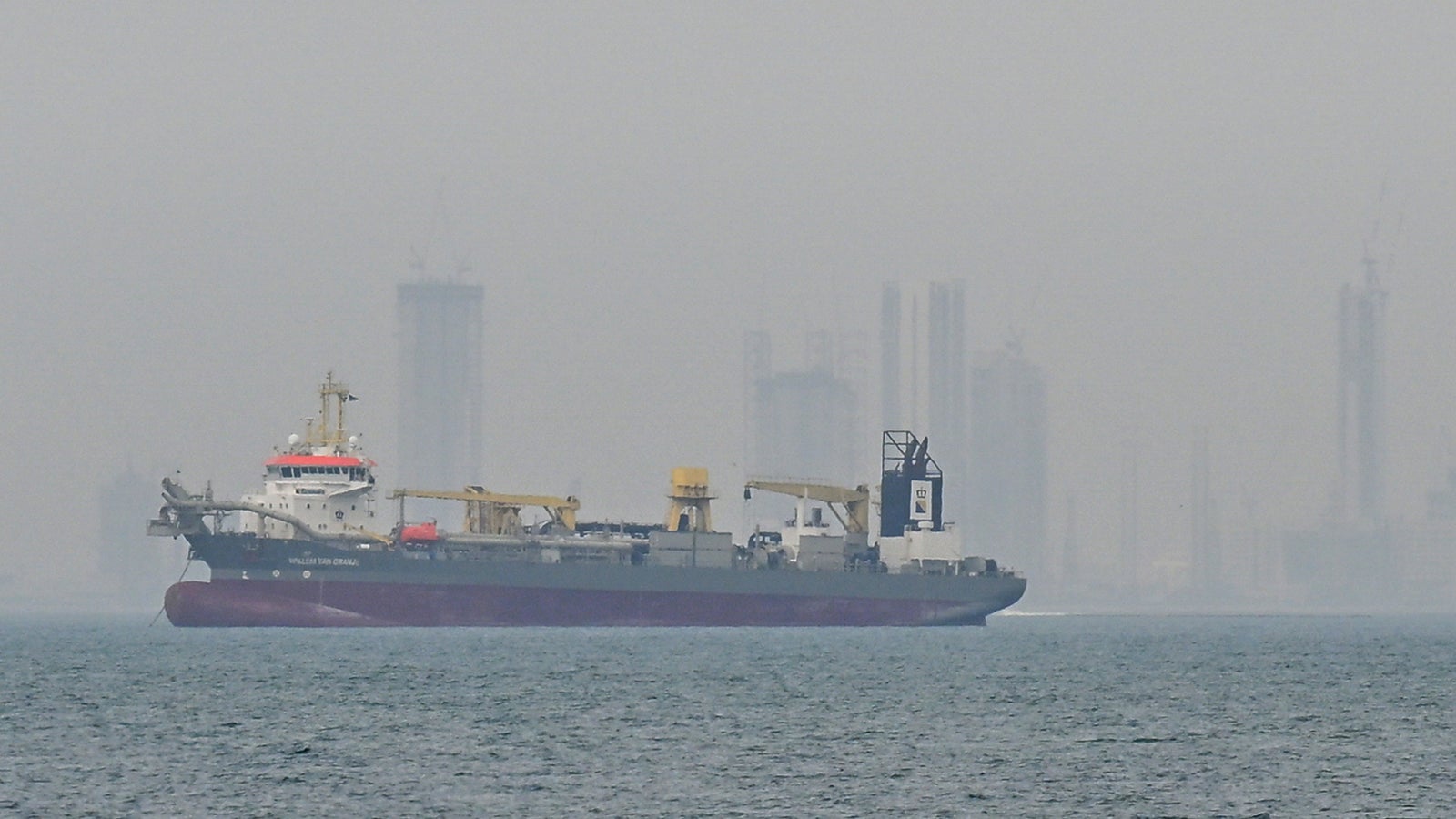
The US-Iran conflict, which has rapidly evolved from diplomatic tensions to full-scale military engagements, is now disrupting one of the world’s most vital trade arteries—the Strait of Hormuz. This narrow waterway handles about 20% of global oil shipments and a significant portion of liquefied natural gas (LNG), making it a chokepoint for energy-dependent industries like tech manufacturing. With Iranian forces conducting naval exercises and threatening blockades, shipping routes are under severe strain, leading to stalled tankers and heightened risks for cargo vessels.
In Asia, where countries like Japan, South Korea, and China rely heavily on Middle Eastern imports for petrochemicals and raw materials used in chip production, the fallout is immediate and profound. Oil prices have surged 15% in the past week, exacerbating inflationary pressures and squeezing profit margins for tech giants.
This isn’t just about energy; the war is exposing broader supply chain weaknesses. From pharmaceuticals exported from India to semiconductors from Taiwan, goods traversing the region are facing delays and rerouting challenges. Air cargo, already under pressure from grounded flights due to airspace closures, is seeing capacity crunch, with global rates spiking 18%. For Cape Town’s tech community, which imports components for IoT devices and solar tech, this could mean extended lead times and higher costs, potentially derailing projects aimed at addressing local energy shortages.
The Escalating US-Iran Conflict: Roots and Recent Developments
The roots of the US-Iran war trace back to decades of animosity, but recent events have ignited a full-blown crisis. In early 2026, US accusations of Iranian-sponsored cyberattacks on American infrastructure led to retaliatory airstrikes on Iranian military targets. Iran’s response included drone attacks on US allies in the region and threats to close the Strait of Hormuz, a vital passage for global trade. By March 2026, the conflict had disrupted shipping, with tankers stranded for days and US forces sinking an Iranian warship in a dramatic escalation.
This military standoff has economic warfare at its core. US-led sanctions have targeted Iranian oil exports, while Iran’s retaliation has focused on regional infrastructure, including potential strikes on Gulf oil facilities. The result? A surge in oil prices and fears of sustained supply disruptions that could last months if the conflict prolongs. In Asia, oil-dependent economies are particularly vulnerable, with refiners struggling to replace Middle Eastern crude, leading to potential output cuts. For South Africa, which imports refined products from Asia, this could translate to higher fuel costs, impacting transportation and manufacturing.
The cyber dimension adds another layer of threat. Iran’s history of digital attacks on Saudi facilities suggests potential targeting of Asian infrastructure, such as data centers in Singapore or ports in Shanghai. This hybrid warfare approach amplifies risks for tech supply chains, where even brief disruptions can cause cascading failures.
Immediate Market Reactions: Asian Tech Stocks in Freefall
Asian markets have borne the brunt of the panic. South Korea’s Kospi, heavily weighted toward tech, slumped 11% on March 4, 2026, with Samsung Electronics and SK Hynix falling 11.7% and 9.6%, respectively. Taiwan’s Taiex index tumbled 6.2%, reflecting exposure to energy costs and shipping delays. In China, the SSE Composite dipped 3.5%, while Hong Kong’s Hang Seng fell 4.8%, as investors fled riskier assets amid stagflation fears.
The sell-off extended to US markets, where chip stocks like Nvidia and Apple dropped 4%, highlighting supply chain interdependencies. Volatility indices soared to multi-year highs, with safe-haven assets like gold rising 3%. In Cape Town, where the JSE All Share Index tracks global trends, tech-heavy counters could face similar pressures, affecting pension funds and retail investors.
This reaction stems from repricing risks in AI-exposed markets, as energy disruptions threaten data center operations and manufacturing. Economists at Natixis warn that developed Asia and China, with large AI exposure, are particularly susceptible.

Infrastructure at Risk: Cyber and Physical Threats Loom Large
The war’s threat to infrastructure is multifaceted. Physically, attacks on Gulf oil facilities could disrupt petrochemical supplies essential for tech components like plastics and semiconductors. The closure of the Strait of Hormuz has stranded tankers for the fifth day, halting 20% of global oil and affecting LNG shipments.
Cyber threats amplify this danger. Iran could target regional data centers, impacting cloud services for Asian tech firms. Submarine cables in the Gulf, carrying internet traffic, are vulnerable, potentially causing latency spikes in Microsoft Azure and AWS nodes. For Cape Town’s cloud-dependent startups, this could mean service interruptions, emphasizing the need for redundant systems.
Physical strikes on ports like Jebel Ali in Dubai could further delay shipments of electronics and pharmaceuticals.
Supply Chain Vulnerabilities: From Chips to Consumer Goods
Supply chains are the war’s silent victims. Semiconductors, vital for everything from smartphones to EVs, face neon gas shortages if conflict spreads. Asian refiners are struggling to replace Middle Eastern oil, facing output cuts that could affect chemical production for batteries.
Pharmaceuticals from India and electronics from Asia are delayed, with air cargo under pressure from airspace closures. This could lead to shortages and price hikes, impacting South Africa’s import-dependent tech sector. Just-in-time manufacturing models are particularly at risk, with EV batteries and microchips stranded.
In aviation, airline stocks have plummeted as travel disruptions mount. For Cape Town’s tourism industry, reliant on global connectivity, this adds another layer of uncertainty.

Economic Ripple Effects: Inflation, Growth Slowdown, and Job Losses
The economic fallout is profound. Surging oil prices could fuel inflation, with economists warning of a 0.5% hit to global GDP if disruptions persist. In Asia, higher import costs for dollar-denominated commodities are weakening currencies, exacerbating the pain.
Tech sectors face squeezed margins, potential layoffs, and slowed R&D. In South Africa, inflation from higher fuel costs could delay EV adoption, affecting green initiatives in the Western Cape.
Long-term, the crisis might accelerate supply chain reshoring, benefiting African manufacturing but requiring significant investment.
Investor Strategies: Navigating the Storm
Investors are fleeing to safe havens, with bonds and gold gaining traction. Diversification into non-energy-dependent tech, like software firms, is advised. In Cape Town, focusing on local stocks in renewables could hedge against global volatility.
Global Perspectives: Warnings from Economists and Analysts
Economists warn of stagflationary risks, with supply disruptions outweighing demand destruction. Michael Schuman in Fortune calls it a “giant distortion machine” for global cars. In South Africa, analysts urge preparedness for import shocks.
Pathways to Resolution: Diplomatic and Economic Measures
Resolution requires de-escalation, with calls for UN mediation. Economic measures like stockpiling and alternative routes could mitigate impacts. For Asia, strengthening domestic supply chains is crucial.
A Wake-Up Call for Global Tech Resilience
The US-Iran war’s devastating blow to Asian tech stocks and supply chains demands immediate action. With 7 critical threats detailed, from oil volatility to cyber risks, stakeholders must prioritize diversification and resilience. As Cape Town’s tech community adapts, this crisis could catalyze a more robust, localized innovation ecosystem.
Discover more from Tech-Brunch
Subscribe to get the latest posts sent to your email.


