

In a stunning display of economic ingenuity that’s captivating global investors and policymakers alike, Hong Kong’s revamped cash-for-residency scheme has amassed an astonishing US$12 billion in investments within its inaugural two years. Launched amid efforts to revitalize the city’s financial hub status post-pandemic, the Capital Investment Entrant Scheme (CIES) has not only exceeded expectations but also injected vital capital into key sectors, fostering growth and innovation.
For observers in Cape Town, where the Western Cape’s Silicon Cape initiative is nurturing a burgeoning startup ecosystem, Hong Kong’s model offers compelling lessons in leveraging immigration policies to drive economic resurgence. As South Africa’s tech and finance sectors grapple with attracting foreign talent and funds, this scheme’s success underscores the power of strategic incentives in a competitive global landscape. With over 1,700 investors channeling HK$95 billion into the city, the program is proving to be a game-changer, blending residency perks with substantial economic contributions.

This remarkable achievement, revealed on March 2, 2026, by InvestHK, highlights Hong Kong’s proactive approach to post-COVID recovery. The scheme, which requires a minimum investment of HK$30 million, has drawn high-net-worth individuals from around the world, eager to secure residency in one of Asia’s premier financial centers. As applications surge and capital flows into authorized funds, equities, and other assets, the program’s ripple effects are felt across real estate, retail, education, and professional services.
But what exactly makes this initiative so successful? This article delves into the scheme’s history, mechanics, impressive metrics, and broader implications, outlining seven powerful impacts that are reshaping Hong Kong’s economic narrative.
The Evolution of Hong Kong’s Cash-for-Residency Vision: From 2003 to the New Era
Hong Kong’s journey with cash-for-residency programs dates back over two decades, reflecting the city’s enduring strategy to attract global capital and talent. The original Capital Investment Entrant Scheme was launched on October 27, 2003, during a period of economic uncertainty following the SARS outbreak. Initially requiring a HK$6.5 million investment across various asset classes, including real estate, the program aimed to stimulate economic activity by drawing in affluent immigrants who would contribute without necessarily engaging in local business operations.
Over the years, the scheme evolved to address market dynamics and policy goals. In 2010, the investment threshold was raised to HK$10 million, and real estate was excluded to prevent overheating in the property market. By the time it was suspended on January 15, 2015, the original CIES had attracted a staggering HK$314.5 billion (approximately US$40 billion), with 86% directed toward financial assets and 14% to real estate. The suspension shifted focus to talent-based schemes like the Quality Migrant Admission Scheme, emphasizing skills over sheer capital.
Fast forward to the post-pandemic era, and economic pressures prompted a revival. Announced in the 2023-2024 Budget by Financial Secretary Paul Chan Mo-po, the New Capital Investment Entrant Scheme (New CIES) was officially launched on March 1, 2024. This iteration raised the bar to HK$30 million, incorporating lessons from the past while aligning with Hong Kong’s ambition to become a family office hub and innovation center. The relaunch was part of broader efforts under the Atmanirbhar Bharat-inspired self-reliance push, but tailored to Hong Kong’s unique position as a gateway between East and West.
Decoding the Scheme: Eligibility, Requirements, and Investment Pathways
At its core, the New CIES is designed to be accessible yet rigorous, targeting high-net-worth individuals who can contribute meaningfully to Hong Kong’s economy. To qualify, applicants must be at least 18 years old, demonstrate a net worth of at least HK$30 million over the past two years, and commit to investing the same amount in permissible assets within the city. Eligible participants include foreign nationals, Chinese nationals with permanent residency abroad, and residents of Macau and Taiwan.
The investment requirements are flexible but structured to ensure economic benefits. A mandatory HK$3 million must go into the New CIES investment portfolio, managed by Hong Kong Investment Corporation Limited, focusing on strategic sectors like innovation and technology. The remaining HK$27 million can be allocated across a range of options: professionally managed funds approved by the Securities and Futures Commission (SFC), equities listed on the Hong Kong Stock Exchange, debt securities, investment-linked assurance schemes, and even real estate—up to HK$15 million total, with residential properties capped at HK$10 million.
Recent enhancements, effective from March 1, 2025, allow applicants to use private holding companies established less than six months ago, streamlining the process for sophisticated investors. Upon approval, entrants receive a two-year visa, extendable in three-year increments, with the path to permanent residency after seven years of continuous residence. This framework not only attracts capital but also encourages long-term commitment to Hong Kong’s vibrant ecosystem.
The Astonishing Metrics: $12 Billion Inflows and Surging Applications
The numbers speak volumes about the scheme’s appeal. In just two years, the New CIES has attracted HK$95 billion (US$12 billion) from over 1,700 investors, with HK$55.6 billion already deployed into the economy. InvestHK has received 3,166 applications, approving 1,762 after verifying commitments. This influx surpasses initial projections, demonstrating Hong Kong’s enduring allure as a safe haven for wealth preservation amid global uncertainties.
Application trends reveal a dramatic uptick in interest. The second year saw a 145% surge to 2,248 applications, following an initial awareness-building phase. This momentum reflects targeted marketing efforts and word-of-mouth among affluent circles, particularly from mainland China and Southeast Asia. For comparison, the original scheme accumulated HK$314.5 billion over its entire run, but the new version’s pace suggests it could eclipse that in a fraction of the time.
Capital Allocation Breakdown: Fueling Funds, Equities, and More
Where is all this money going? The deployed capital’s distribution highlights strategic priorities. Professionally managed funds lead the pack with HK$21.4 billion (39%), underscoring trust in Hong Kong’s robust asset management sector. Equities follow at HK$16.1 billion (29%), bolstering the Hong Kong Stock Exchange and supporting listed companies in tech and finance.
Debt securities account for HK$5.3 billion (9.5%), providing stable yields, while investment-linked assurance schemes and the New CIES portfolio together attract HK$11 billion (20%). Real estate investments, reintroduced with caps, add diversity but are limited to prevent market distortions. This balanced allocation not only diversifies risk for investors but also channels funds into areas that drive innovation and job creation, aligning with Hong Kong’s vision as a global financial powerhouse.
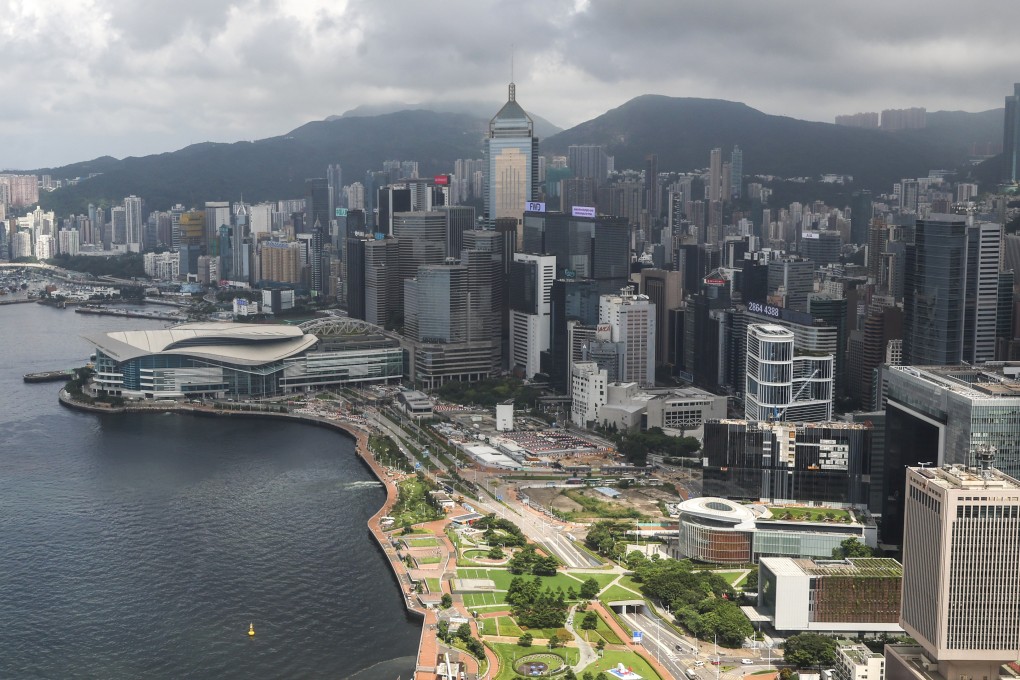
7 Powerful Impacts Transforming Hong Kong’s Economic Landscape
The scheme’s success extends far beyond raw numbers, delivering multifaceted benefits that are reshaping Hong Kong. Here are seven powerful impacts:
1. Economic Stimulus Through Capital Inflows
The $12 billion infusion has provided a much-needed boost post-pandemic, stabilizing financial markets and supporting recovery efforts. This capital has helped offset outflows from other sectors, maintaining Hong Kong’s status as a wealth management hub.
2. Job Creation and Sectoral Growth
Investments in funds and equities are fueling expansion in finance, tech, and innovation, creating high-skilled jobs. Officials note ripple effects in professional services, education, and retail, enhancing overall employment.
3. Attracting Global Talent and Families
Beyond money, the scheme draws entrepreneurs and professionals, enriching Hong Kong’s talent pool. Family offices, launched in March 2023, complement this by offering tax incentives, fostering a vibrant expat community.
4. Bolstering Real Estate and Infrastructure
Capped property investments (up to HK$15 million) provide targeted support to the housing market without inflating prices, aiding urban development.
5. Enhancing Innovation and Technology
The mandatory HK$3 million in the New CIES portfolio directs funds to strategic areas like AI and biotech, aligning with Hong Kong’s innovation agenda.
6. Strengthening Financial Resilience
Diversified inflows reduce reliance on mainland China, mitigating geopolitical risks and enhancing economic autonomy.
7. Global Competitive Edge
By attracting affluent investors, Hong Kong positions itself against rivals like Singapore and Dubai, solidifying its role as Asia’s financial gateway.
Addressing Challenges: Property Concerns and Accessibility
While triumphant, the scheme isn’t without critiques. Early concerns focused on potential property market distortions, prompting caps on real estate investments. Accessibility for smaller investors remains limited due to the high threshold, though enhancements like relaxed holding company rules aim to broaden appeal.
Bureaucratic hurdles, such as net asset verifications, have been streamlined via digital platforms, but some applicants report delays. Overall, the program’s design mitigates risks, ensuring sustainable growth.
Future Horizons: Expansions and Long-Term Vision
Looking ahead, Hong Kong officials hint at potential refinements to sustain momentum. With the second-year surge, expansions could include more investment options or lowered thresholds for specific sectors like green tech. Integration with family office initiatives, offering tax waivers, will likely amplify inflows.
As global uncertainties persist, the scheme’s adaptability will be key. For Cape Town’s ecosystem, this model suggests blending residency incentives with targeted investments to attract African diaspora capital, fostering similar triumphs.
A Beacon of Economic Revival
Hong Kong’s cash-for-residency scheme stands as a remarkable triumph, pulling in $12 billion in two years through strategic design and global appeal. Its seven powerful impacts—from stimulus to innovation—highlight a blueprint for economic revival. As Cape Town entrepreneurs eye similar strategies, this success story inspires bold action in an interconnected world.

Discover more from Tech-Brunch
Subscribe to get the latest posts sent to your email.


