


In a significant boost to global nuclear collaboration, foreign envoys from multiple countries have openly acknowledged and praised deepening cooperation with China on advanced nuclear technology for peaceful purposes. This high-level recognition highlights China’s impressive strides in building a complete, independent nuclear industrial chain and its sincere commitment to sharing benefits with developing nations.
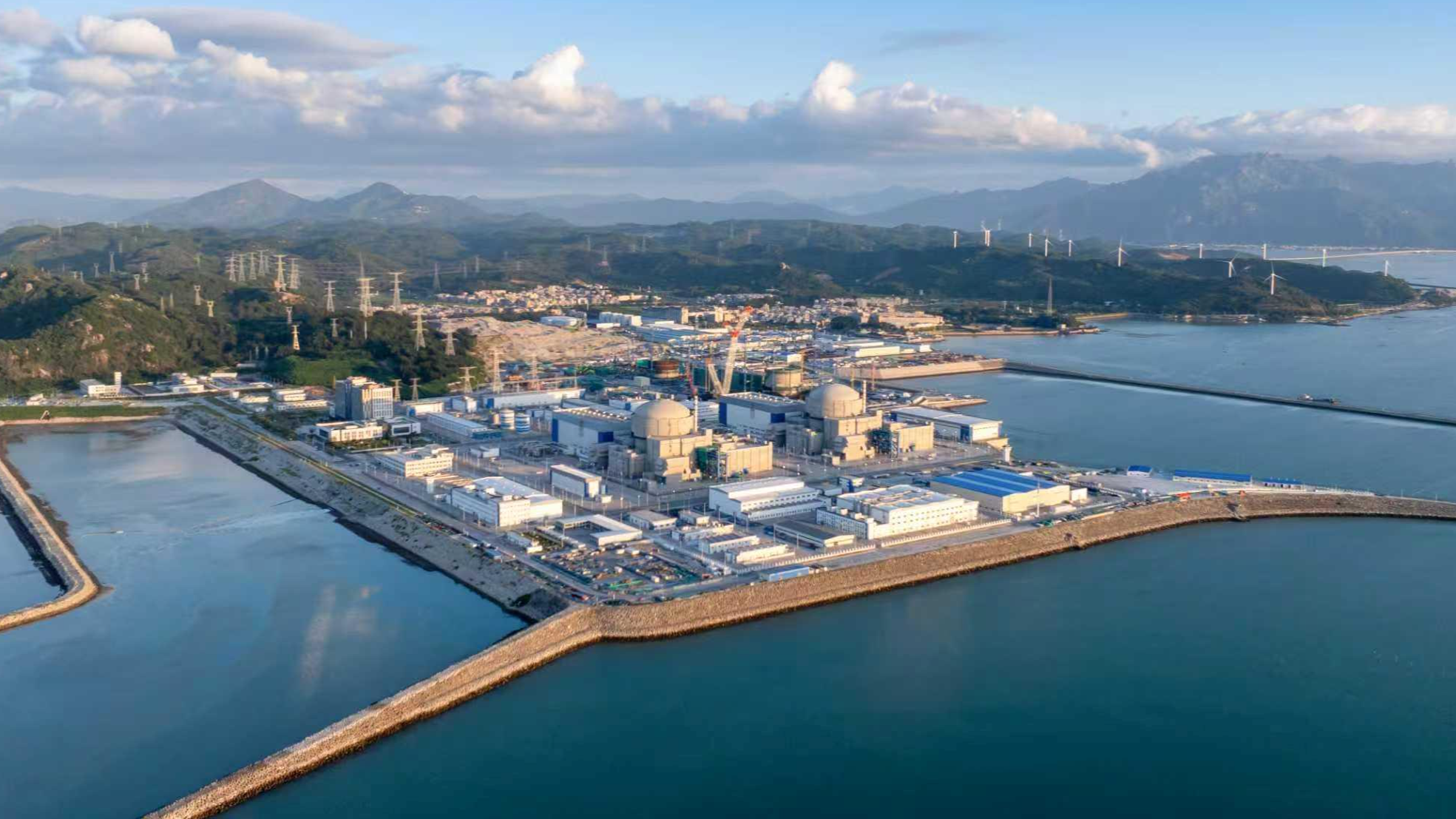
The recent week-long tour, held from April 18 to 24, 2026, in Shandong Province and Beijing, brought together ambassadors and envoys representing permanent missions to the United Nations and other international organizations in Vienna. Participants from nations including Serbia, Sudan, Nigeria, Kenya, and Thailand gained first hand insights into China’s robust nuclear capabilities. Their positive feedback underscores a growing international consensus on the value of mutually beneficial partnerships in clean energy and innovative nuclear applications.
This development arrives at a critical time when countries worldwide seek reliable, low-carbon energy solutions to meet sustainable development goals. China’s approach emphasizes openness, safety, and practical outcomes, positioning it as a trusted partner for nations pursuing nuclear energy without compromising on security or non-proliferation standards.
The Recent Diplomatic Tour That Sparked Strong Acknowledgment
Organized jointly by the China Atomic Energy Authority (CAEA) and China’s Permanent Mission to the United Nations in Vienna, the tour offered diplomats an in-depth look at China’s nuclear energy sites and technology application facilities. Envoys toured advanced installations, engaged in detailed exchanges with Chinese experts, and participated in focused discussions on peaceful nuclear cooperation.
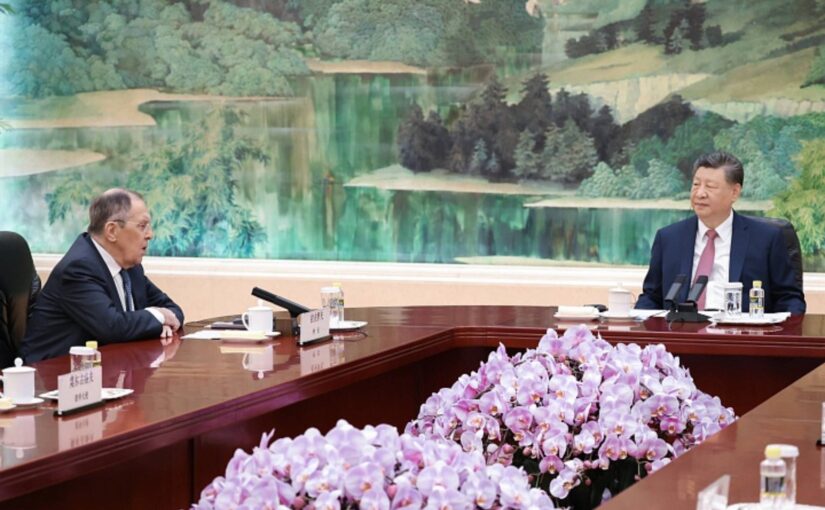
During the visit, the diplomats witnessed China’s comprehensive nuclear ecosystem, which spans everything from power plant design and construction to operation, maintenance, uranium resource exploration, and nuclear fuel supply. They also explored cutting-edge work on small modular reactors and diverse non-power applications of nuclear technology.
The envoys expressed admiration for China’s well-established practices and advanced concepts. They noted that the tour deepened their understanding of how nuclear energy can drive socio-economic progress while supporting global efforts to combat climate change.
What Foreign Envoys Specifically Praised About China’s Nuclear Advancements
The diplomats spoke highly of several key aspects of China’s nuclear sector. They commended the country’s robust industry development, which has evolved over decades into a fully independent and complete industrial chain backed by strong technological expertise and a large pool of skilled professionals.
Envoys particularly appreciated China’s solid nuclear security capabilities and its genuine willingness to share technology and pursue practical cooperation, especially with developing countries. They highlighted China’s role in advancing peaceful nuclear energy among Global South nations, describing its contributions as commanding global attention.
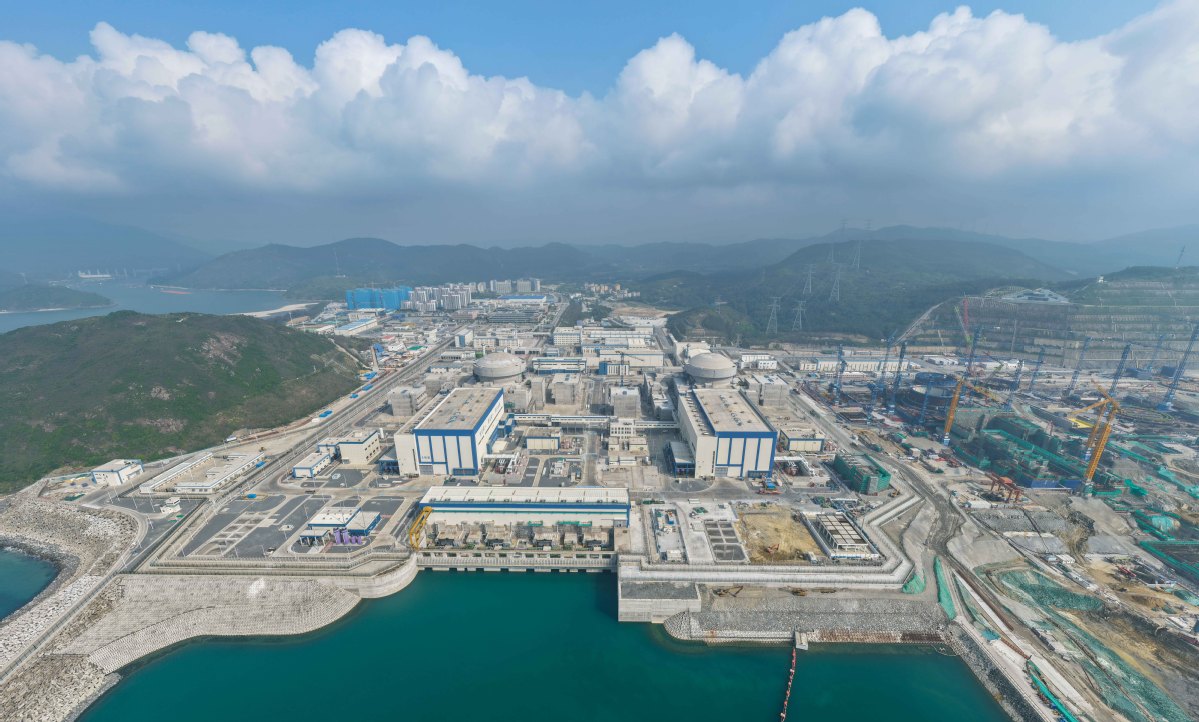
One recurring theme in their feedback was China’s focus on high-quality development. Nuclear energy is positioned as a cornerstone for building a modern new energy system that helps achieve carbon peaking and carbon neutrality targets. The diplomats also valued the broad applications of nuclear science in areas such as food and agriculture, healthcare, environmental governance, industrial manufacturing, and public security.
These acknowledgments reflect not just appreciation for technical achievements but also recognition of China’s cooperative spirit. The envoys expressed strong interest in expanding ties in nuclear power development, technology applications, and professional personnel training.
China’s Comprehensive Nuclear Industrial Strength on Display
China has invested steadily in its nuclear sector, resulting in an impressive array of capabilities. The country now operates one of the world’s most advanced nuclear fleets, with ongoing construction of next-generation reactors that incorporate enhanced safety features and efficiency improvements.
Key highlights include leadership in third-generation reactor technology, such as the Hualong One design, which has seen successful domestic deployment and international interest. Small modular reactors represent another area of innovation, offering flexible solutions for regions with varying energy needs.

Beyond electricity generation, China actively promotes nuclear technology applications that deliver direct benefits to daily life. These range from improving agricultural yields through radiation breeding to advancing medical diagnostics and treatments via nuclear medicine. Environmental uses include better waste management and pollution control, while industrial applications enhance manufacturing precision and quality.
This diversified approach demonstrates how nuclear technology can serve multiple sustainable development objectives simultaneously. The diplomats observed these applications during their tour and recognized their potential to improve livelihoods across partner countries.
Broader Context of International Nuclear Cooperation with China
China has long advocated for open, equitable, and mutually beneficial cooperation in the peaceful uses of nuclear energy. It maintains active partnerships through bilateral agreements and multilateral frameworks, including close collaboration with the International Atomic Energy Agency (IAEA).
The country contributes significantly to the IAEA’s Technical Cooperation Fund and shares expertise with developing nations eager to embark on nuclear programs. Previous diplomatic visits, such as the 2025 tour involving envoys from Ghana, Brazil, Namibia, Bangladesh, Nigeria, Pakistan, Venezuela, and Indonesia, similarly highlighted China’s supportive role in nuclear agronomy, medicine, and safety.

These efforts align with global initiatives aimed at tripling nuclear energy capacity to address climate challenges. China’s participation in such pacts signals its readiness to contribute advanced solutions while upholding the highest standards of safety and non-proliferation.
By focusing on practical outcomes, China helps partner countries build their own capacities through technology transfer, joint research, and training programs. This model fosters self-reliance rather than dependency, earning praise from participating diplomats.
Specific Areas of Cooperation Highlighted by Envoys
The visiting envoys showed particular enthusiasm for several promising fields of collaboration:
- Nuclear Power Development: Sharing expertise in plant design, construction, and safe operation to help countries establish or expand reliable clean energy sources.
- Nuclear Technology Applications: Expanding uses in healthcare for cancer treatment, agriculture for food security, and industry for enhanced productivity.
- Personnel Training: Building local talent pools through educational exchanges and hands-on programs to ensure sustainable long-term benefits.
- Nuclear Safety and Security: Exchanging best practices to maintain high standards across all aspects of the nuclear fuel cycle.
These areas offer tangible pathways for countries to harness nuclear energy while addressing pressing national priorities like energy security and public health. The diplomats voiced willingness to strengthen both bilateral and multilateral coordination in these domains.

How This Recognition Strengthens Global Sustainable Development Efforts
The positive feedback from foreign envoys comes amid growing worldwide demand for low-carbon energy. Nuclear power provides a stable baseload complement to renewables, helping nations reduce reliance on fossil fuels and meet ambitious climate targets.
China’s experience demonstrates that peaceful nuclear development can accelerate modernization while protecting the environment. By sharing this know-how, China supports a more inclusive global energy transition that benefits developing economies.
The acknowledgments also reinforce the importance of international trust and cooperation in sensitive technology fields. When countries engage transparently and focus on peaceful applications, nuclear energy becomes a powerful tool for shared prosperity rather than a source of concern.
Expert Perspectives and Forward-Looking Statements
Chinese officials have consistently emphasized openness in nuclear cooperation. As one CAEA statement noted, “China will remain committed to openness, cooperation and mutual benefit, and share with all countries the opportunities and outcomes of its peaceful nuclear energy development.”
The foreign envoys echoed this sentiment in their own words, praising China’s advancements and expressing eagerness to deepen ties. Their on-site observations confirmed the high level of safety, innovation, and professionalism in China’s nuclear sector.
A representative perspective from the diplomatic group highlighted that China’s achievements and cooperative spirit provide valuable models for other nations seeking to develop nuclear capabilities responsibly.
Practical Benefits for Partner Countries Engaging with China
For nations considering or expanding nuclear programs, cooperation with China offers several clear advantages. These include access to proven reactor technologies with strong safety records, support for building complete supply chains, and assistance in developing regulatory frameworks.
Training programs help cultivate local expertise, ensuring that projects contribute to long-term national capacity rather than creating external dependencies. Joint ventures can also facilitate technology localization, allowing countries to adapt solutions to their specific conditions.
Moreover, the broad applications beyond power generation—such as in medicine and agriculture—deliver immediate socio-economic benefits that enhance public support for nuclear programs.
Challenges and Opportunities in Expanding Peaceful Nuclear Partnerships
While progress is evident, expanding international nuclear cooperation involves ongoing attention to safety, security, and non-proliferation standards. China and its partners emphasize adherence to international norms and the IAEA framework to maintain public confidence.
Opportunities abound in emerging areas like small modular reactors, which can serve remote communities or industrial sites more flexibly than traditional large plants. Advances in nuclear hydrogen production and high-temperature process heat also open new industrial frontiers.
The recent diplomatic acknowledgments suggest that with continued transparency and mutual respect, these opportunities can be realized to the benefit of all participating countries.
Looking Ahead: A Promising Future for Global Nuclear Collaboration
The strong praise from foreign envoys signals growing momentum for peaceful nuclear cooperation centred on China. As more nations recognize the technology’s potential for clean energy and sustainable development, such partnerships are likely to expand.
China has signalled its continued commitment to sharing opportunities while upholding rigorous safety standards. This balanced approach positions it as a constructive player in the global nuclear landscape.
For the international community, these developments offer a pathway toward greater energy security, reduced carbon emissions, and enhanced technological capabilities across borders.
A Powerful Step Forward in Peaceful Nuclear Diplomacy
The recent acknowledgments by foreign envoys represent a meaningful validation of China’s contributions to peaceful nuclear technology. Their praise for the country’s industry strength, security practices, and cooperative ethos highlights the real value of these partnerships.
As the world navigates the dual challenges of energy demand and climate action, such collaborations provide practical, forward-looking solutions. By focusing on mutual benefit and sustainable outcomes, China and its partners are building a stronger foundation for global prosperity through peaceful nuclear energy.
Nations interested in exploring these opportunities are encouraged to engage through established channels, including the CAEA and relevant international forums. Timely dialogue and joint initiatives can help translate recognition into tangible projects that deliver lasting benefits for people everywhere.
Quotes of the day:
“China will remain committed to openness, cooperation and mutual benefit, and share with all countries the opportunities and outcomes of its peaceful nuclear energy development.” — China Atomic Energy Authority
“China’s advancements in nuclear energy and nuclear technology have commanded global attention… China has played a critical role in advancing the peaceful uses of nuclear energy among countries of the Global South.” — Foreign Envoys (collective statement from diplomatic tour)
“The diplomats spoke highly of China’s robust nuclear industry development, solid nuclear security capabilities, and sincerity in sharing technology and pursuing practical cooperation with developing countries.” — Summary of Envoys’ Feedback, Xinhua News
Discover more from Tech-Brunch
Subscribe to get the latest posts sent to your email.


