

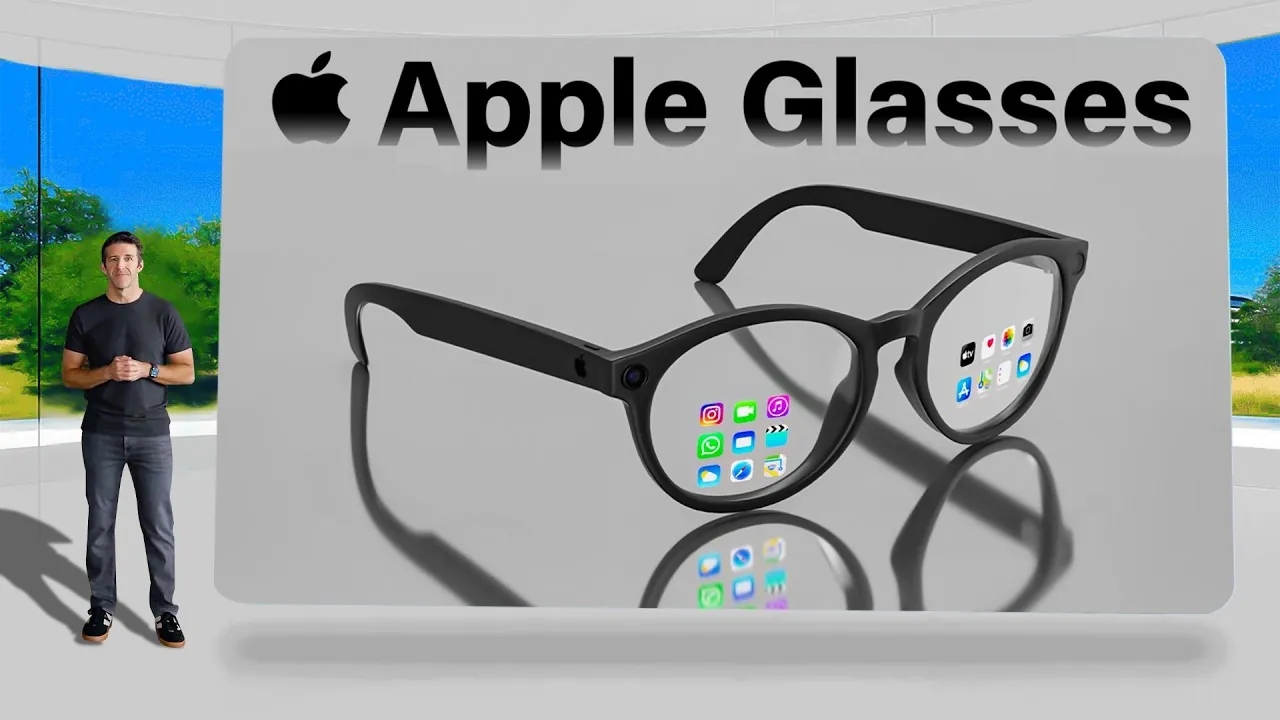
Apple is set to shake up the wearable tech world with its highly anticipated AI-powered smart glasses, promising a sleek, everyday companion that could finally outshine Meta’s popular Ray-Ban line up. According to fresh details from Bloomberg’s Mark Gurman, the Cupertino giant is testing at least four distinct frame designs, premium acetate materials, and a standout vertically oriented oval camera system that sets it apart from the competition. Slated for an unveiling by late 2026 or early 2027—with shipments expected in 2027—these glasses represent Apple’s bold push into AI wearables, blending seamless iPhone integration, upgraded Siri intelligence, and computer vision capabilities without the bulk of a full display.
This move comes at a pivotal moment. Meta has dominated the smart glasses space with its Ray-Ban models, which already handle calls, music, photos, and AI queries. Yet Apple’s entry, internally codenamed N50, leverages the company’s legendary design prowess and ecosystem lock-in to deliver what insiders call a “higher-end build” that feels instantly recognizable as an Apple product. No longer just a rumour, these glasses signal a future where AI lives on your face—discreetly capturing moments, delivering contextual insights, and keeping you connected without pulling out your phone.
Inside Apple’s Multi-Style Design Strategy
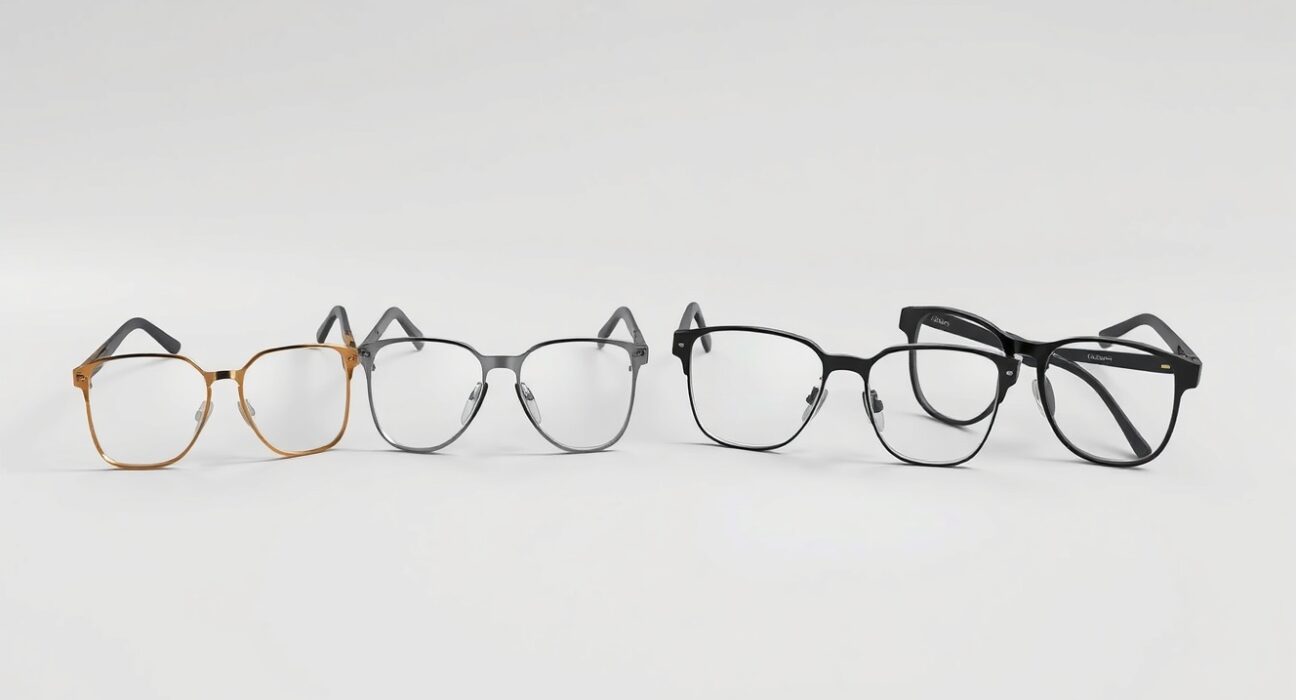
Apple’s design team has gone all-in on variety, developing four frame styles currently in active testing. The lineup includes a large rectangular option reminiscent of classic Ray-Ban Wayfarers, a slimmer rectangular design echoing the everyday glasses worn by CEO Tim Cook, plus larger oval or circular frames for a softer look, and a smaller, more refined oval or circular variant ideal for those seeking subtlety.
These aren’t off-the-shelf frames. Apple is crafting them from high-end acetate—a durable, luxurious material that feels more premium than the standard plastics used by rivals. The goal? Create an “icon” that screams Apple at first glance while offering something for every face shape and style preference. Color options already under exploration include sleek black, vibrant ocean blue, and warm light brown, with “many” additional hues expected by launch to appeal to fashion-forward users and everyday professionals alike.
This multi-style approach marks a clear departure from Meta’s more limited partnerships with EssilorLuxottica. By handling design in-house, Apple avoids reliance on third parties and ensures tight quality control, from lightweight construction targeting under 50 grams to all-day battery life that keeps the device practical for real-world use.
“When Apple typically enters a new product category, it offers clear advantages over what’s currently available,” noted industry observers in recent analyses, highlighting how the company’s track record with the iPod, iPhone, and Apple Watch suggests these glasses could redefine expectations for smart eyewear.
The Standout Oval Camera Innovation
One of the most distinctive features is the camera system: vertically oriented oval lenses surrounded by indicator lights. This setup differs sharply from Meta’s circular cameras, giving Apple’s glasses a unique visual signature that’s instantly identifiable. The dual-camera array—one for standard photo and video capture, the other dedicated to computer vision—will feed real-time data into Apple Intelligence, enabling smarter contextual awareness.
Imagine glancing at a landmark and receiving instant directions, or snapping a quick photo that automatically syncs to your iPhone for editing and sharing. The oval design isn’t just aesthetic; it’s engineered for better spatial capture and depth sensing, potentially laying groundwork for future lightweight AR enhancements without the heavy hardware of Vision Pro. Surrounding lights provide clear privacy indicators, addressing growing concerns about always-on recording in public spaces.
This camera innovation aligns with Apple’s broader AI wearables roadmap, which also includes refreshed AirPods and a camera-equipped pendant. Together, these devices will act as “eyes and ears” for Siri and Apple Intelligence, delivering hands-free interactions powered by the upcoming iOS 27 upgrade.
Seamless Features Powered by Apple Intelligence
Functionality mirrors Meta’s strengths but elevates them through deep iPhone integration. Users can capture photos and videos, handle calls, listen to notifications, stream music, and engage with an enhanced Siri that understands visual context. No onboard display means the glasses stay lightweight and focused on practical, everyday tasks—perfect for commuters, hikers, or busy professionals who want AI assistance without screen fatigue.
Computer vision will unlock powerful new experiences: real-time translation of signs, visual reminders based on what you see, and improved navigation that overlays directions directly into your awareness. Everything syncs effortlessly with your iPhone, where editing, sharing, and storage happen naturally. Early prototypes suggest sub-50-gram weight and robust battery performance, making them comfortable for all-day wear.
Pricing remains unconfirmed but is rumored around $499, positioning the glasses as a premium yet accessible alternative to Meta’s more affordable options. Apple’s strategy emphasizes quality over quantity, betting that superior build, privacy features, and ecosystem perks will justify the cost for loyal customers.
“The glasses are part of a broader, three-pronged AI wearables strategy that also includes new AirPods and a camera-equipped pendant,” explained sources close to the project, underscoring how these devices will form a cohesive AI ecosystem rather than standalone gadgets.
How Apple’s Glasses Stack Up Against Meta’s Ray-Ban Empire
Meta currently leads the smart glasses market with its Ray-Ban models, which excel at casual photography, audio playback, and Meta AI interactions. Yet Apple’s entry brings several differentiators: in-house design freedom, premium acetate frames, the unique oval camera array, and tighter integration with iOS devices. While Meta partners externally for frames, Apple controls every detail, aiming for that unmistakable “Apple icon” feel.

Meta’s glasses have faced criticism over privacy and style limitations, whereas Apple’s multi-frame approach and indicator lights directly tackle those pain points. The lack of a display in Apple’s first version keeps them discreet and battery-efficient, contrasting with Meta’s push toward more advanced (and heavier) AR displays in future iterations.
Analysts believe Apple’s glasses could capture significant market share by appealing to users already invested in the Apple ecosystem—think seamless handoff from iPhone to glasses without the learning curve Meta sometimes requires.
Timeline, Production, and Apple’s Wearables Vision
Production is targeted to begin in December 2026, with public launch following in spring or summer 2027. This timeline fits Apple’s pattern of deliberate, polished rollouts rather than rushed releases. The glasses build directly on lessons from Vision Pro, shifting focus from immersive headsets to lightweight, always-on AI companions.
Greg Joswiak, Apple’s marketing chief, recently hinted at the “inevitability” of blending digital and physical worlds, signaling strong internal confidence in this category. These glasses aren’t just another accessory—they’re a strategic bridge toward mainstream AR adoption, starting with practical AI features that solve real daily problems.
“There’s some inevitability to combining digital and physical worlds,” Joswiak remarked in recent discussions, capturing the forward-looking ethos driving Apple’s wearable ambitions.
Market Impact and Potential Challenges Ahead
The smart glasses sector is heating up, with Meta, Snap, and others vying for attention. Apple’s entry could accelerate mainstream adoption, especially among the millions already using AirPods and Apple Watch. By offering multiple styles and colours, the company broadens appeal beyond tech enthusiasts to fashion-conscious consumers.
Challenges remain, however. Privacy concerns around cameras persist across the industry, and Apple must ensure its indicator lights and software safeguards build trust. Battery life, comfort for extended wear, and seamless AI performance in varied lighting conditions will be key testing points. Competition from lower-priced rivals could pressure pricing, but Apple’s ecosystem moat provides a strong defensive advantage.
Economically, success here could boost Apple’s wearables revenue stream, which already generates billions annually. For users, the glasses promise greater convenience—hands-free everything from navigation to memory capture—while advancing AI accessibility in everyday life.
Why These Glasses Could Redefine Everyday AI
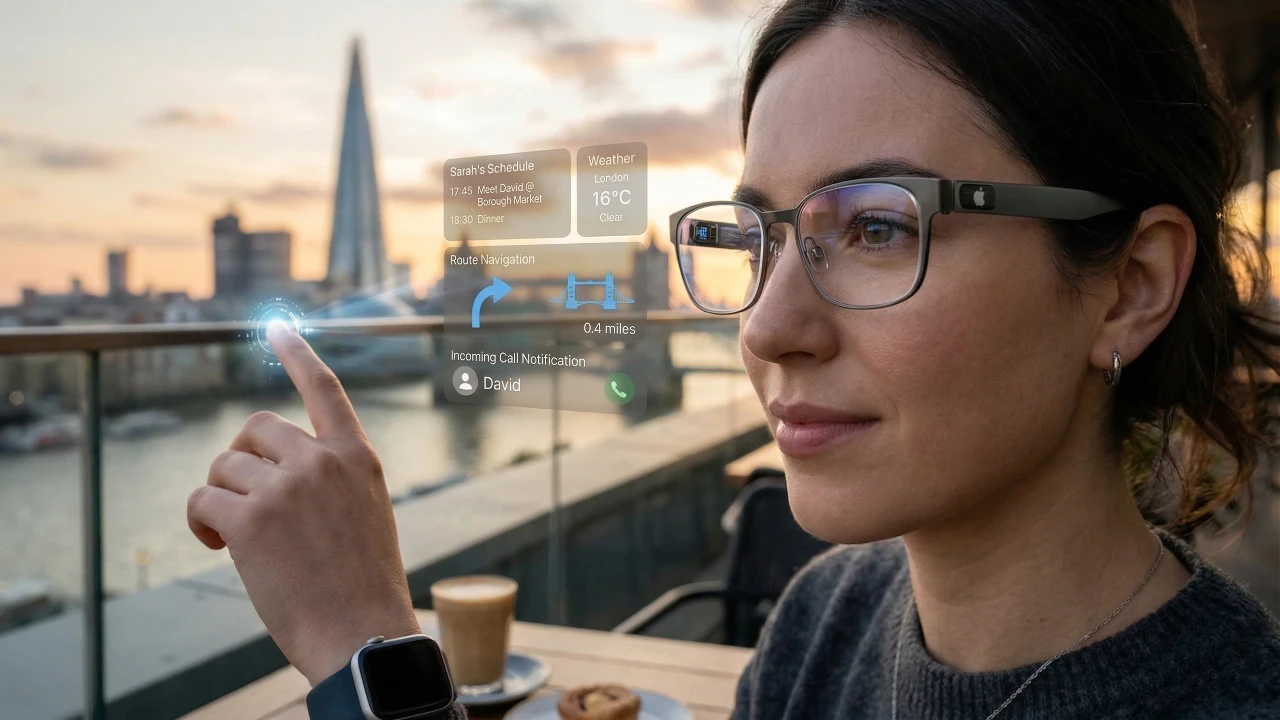
Apple’s AI glasses arrive amid surging demand for discreet, powerful wearables. With computer vision feeding directly into Apple Intelligence, they go beyond Meta’s current offerings by delivering proactive, context-aware assistance. Whether you’re a parent documenting family moments, a professional staying connected on the go, or a travelor needing instant translations, the glasses adapt intelligently without demanding your full attention.
The oval camera design and varied styles ensure they feel like natural extensions of your personal style rather than clunky tech. Tight iPhone pairing means no new apps to learn—just enhanced capabilities that build on what you already love about Apple devices. As production ramps up, expect developer tools and third-party integrations to expand possibilities even further.
Industry watchers agree this could be the product that finally brings smart glasses into the mainstream. By prioritizing design, privacy, and integration, Apple isn’t just competing—it’s aiming to lead the next wave of wearable computing.
Looking Ahead: Apple’s Bold Bet on AI Wearables
The revolutionary four styles, oval camera innovation, and deep AI integration position Apple’s smart glasses as a formidable rival to Meta’s Ray-Ban offerings. With an unveiling on the horizon and a 2027 launch, these devices promise to blend fashion, function, and futuristic intelligence in ways that feel distinctly Apple.
For consumers tired of juggling phones and earbuds, the glasses offer a streamlined solution that keeps you present while staying connected. As the lines between digital and physical blur, Apple’s entry could spark a new era of wearable AI—practical, stylish, and powerfully intuitive.
Investors, developers, and everyday users alike should watch this space closely. If the prototypes deliver on their promise, these glasses won’t just rival Meta—they could redefine how we interact with technology every single day. The future of AI on your face is closer than ever, and Apple appears ready to own it.

