


South Africa stands at the cusp of a transformative energy breakthrough as Eskom partners with a pioneering Swiss company to launch an innovative gravity-based energy storage system. This new kind of “battery” promises to reshape the nation’s power landscape, offering long-duration storage that addresses grid instability while repurposing coal infrastructure for a cleaner future.
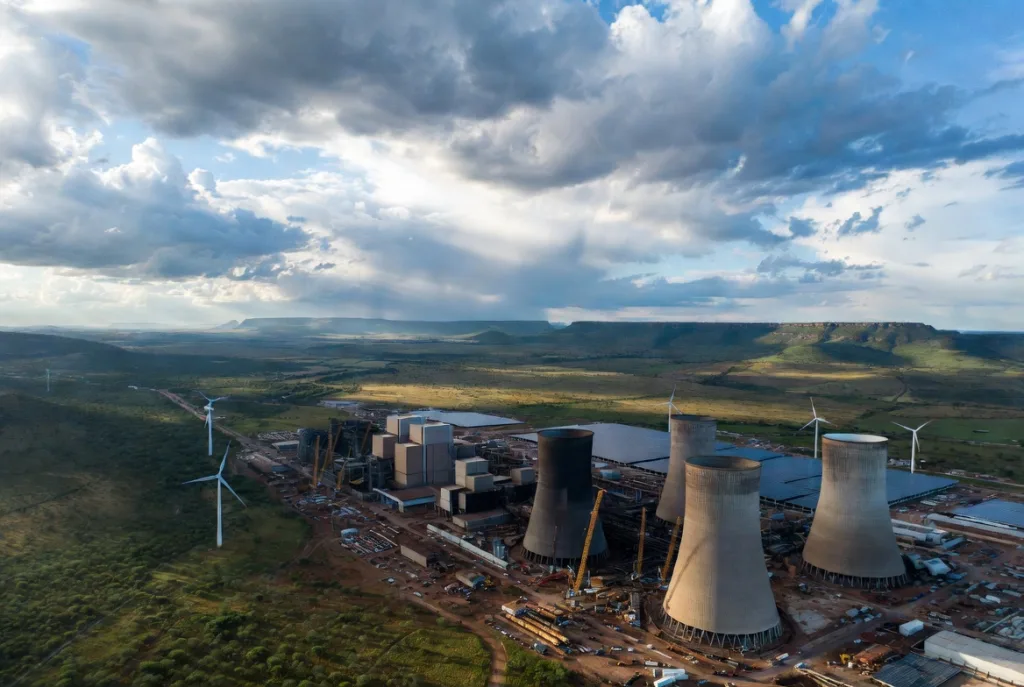
The collaboration between Eskom and Energy Vault marks a significant milestone in South Africa’s energy transition. Announced recently, the project introduces advanced gravity energy storage technology at the Hendrina Power Station in Mpumalanga, turning a legacy coal plant into a hub for sustainable energy solutions.
This article explores every aspect of this groundbreaking initiative, its technology, economic impact, environmental benefits, and broader implications for South Africa and the SADC region.
The Dawn of a New Energy Era in South Africa
Eskom, South Africa’s primary electricity utility, has long grappled with challenges including aging infrastructure, load shedding concerns, and the urgent need to integrate renewables. The partnership with Energy Vault, a Swiss-founded leader in sustainable energy storage, introduces a powerful solution that goes beyond traditional lithium-ion batteries.
Energy Vault’s gravity energy storage system (GESS) leverages proven physics—lifting and lowering heavy blocks—to store and release energy efficiently. This first-of-its-kind deployment in South Africa at Hendrina represents not just a technological upgrade but a strategic pivot toward energy security and sustainability.
The initial project features a 25 MW system with four hours of storage capacity, equating to 100 MWh. It is designed for scalability, with ambitions reaching up to 4 GW in potential deployments.
This innovative approach aligns perfectly with South Africa’s Just Energy Transition goals, allowing the country to maintain energy reliability while reducing reliance on fossil fuels.
Key Advantages of the New Gravity Battery Technology
- Long-duration storage capabilities ideal for renewable integration
- Utilization of local waste materials like coal ash
- Lower environmental footprint compared to chemical batteries
- Cost-effective operation over decades
- Enhanced grid stability for Mpumalanga and beyond
Understanding Gravity Energy Storage: How Eskom’s New Battery Works
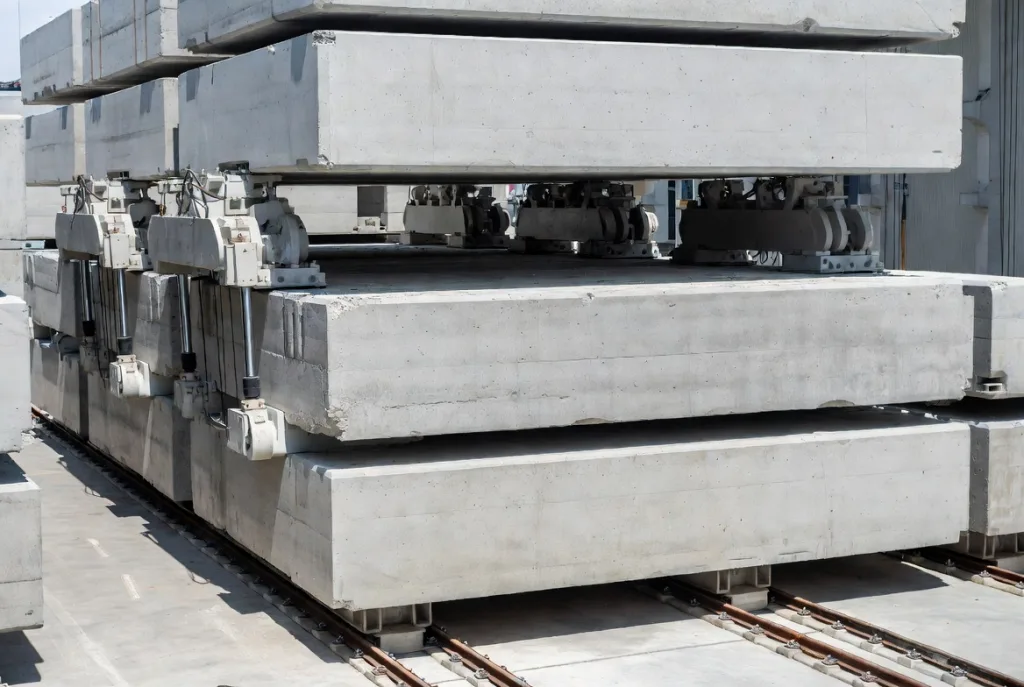
Traditional batteries rely on chemical reactions, but Energy Vault’s EVx 2.0 GESS uses mechanical gravity. Excess electricity, often from solar or wind, powers motors to lift massive composite blocks—sometimes weighing 25-30 tons each— to a higher elevation.
When demand peaks or renewables dip, these blocks are lowered in a controlled manner, driving generators that feed power back into the grid. This elegant system achieves high round-trip efficiency without the degradation issues common in chemical storage.
Technical Specifications of the Hendrina Project
The Hendrina installation will incorporate cutting-edge material science. Notably, it repurposes coal combustion ash from the site itself as the storage medium. This circular economy approach transforms waste into a valuable resource, reducing disposal costs and environmental hazards.
Project Highlights:
- Power Capacity: 25 MW
- Storage Duration: 4 hours (100 MWh)
- Scalability: Up to multi-GW configurations
- Technology: EVx 2.0 GESS platform
- Location: Hendrina Power Station, Mpumalanga
Engineers have optimized the system for South African conditions, ensuring resilience against dust, heat, and variable weather patterns common in the region.
Why This Partnership Matters for Eskom and South Africa
Eskom faces immense pressure to stabilize the national grid while transitioning away from coal. This Swiss collaboration provides a pragmatic path forward by repurposing existing power station sites rather than abandoning them.
Hendrina Power Station, one of the country’s older facilities, was previously slated for earlier decommissioning. The gravity storage project extends its useful life in a clean capacity, supporting job retention and community stability in Mpumalanga.
Economic Impacts and Job Creation
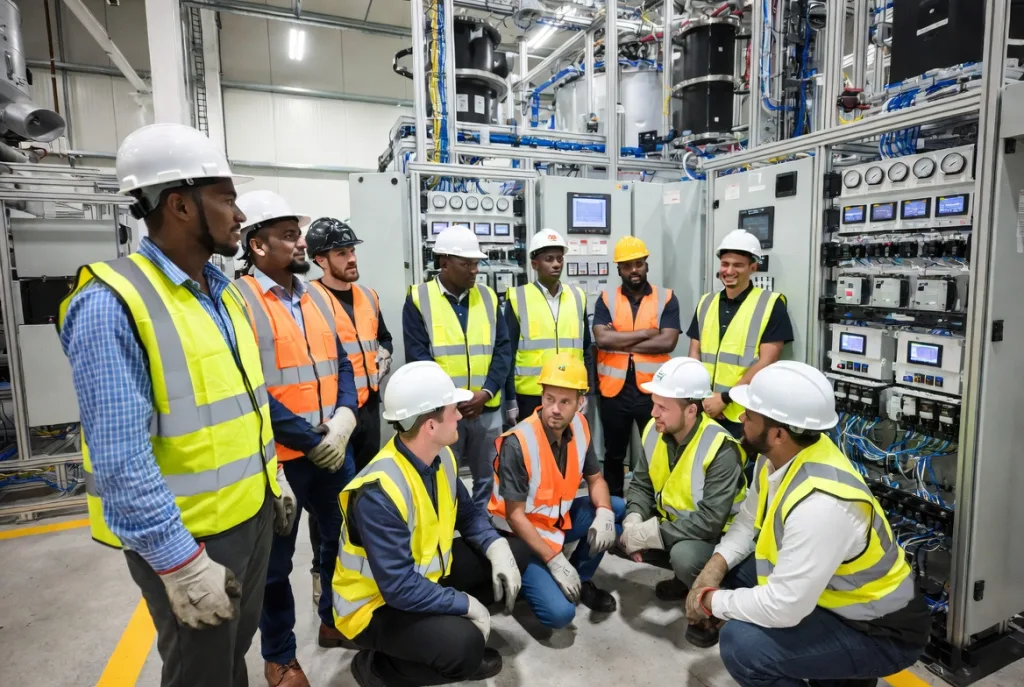
The initiative is expected to generate substantial economic benefits. Construction, installation, and ongoing operations will create skilled jobs in engineering, project management, and maintenance. Energy Vault has committed to localized training programs, building South African expertise in advanced energy technologies.
Broader ripple effects include:
- Reduced curtailment of renewable energy projects
- Lower electricity costs through efficient peak shaving
- Attraction of foreign investment in green technology
- Enhanced energy export potential within SADC
Experts project that successful scaling could position South Africa as a regional leader in long-duration storage, fostering new industries around renewable integration and waste-to-resource solutions.
Environmental Benefits: A Greener Path for Coal-Dependent Regions
One of the most compelling aspects of this Eskom-Swiss battery launch is its environmental synergy. By using coal ash in the storage blocks, the project actively remediates legacy pollution while enabling more renewable energy on the grid.
Gravity systems offer several green advantages over lithium-ion alternatives:
- No rare earth mineral dependency
- Minimal degradation over 30+ year lifespan
- Fully recyclable components
- Zero fire risk or chemical leakage
- Lower lifecycle carbon emissions
This aligns with South Africa’s commitments under international climate agreements and supports the repowering of coal sites with clean technologies.
Integration with Renewables
South Africa boasts excellent solar and wind resources. However, their intermittent nature has historically limited penetration. The new gravity battery addresses this by providing dispatchable storage, allowing excess daytime solar to power evening peaks effectively.
This capability is crucial for achieving higher renewable targets without compromising grid reliability.
Broader Vision: Scaling Across SADC by 2035
The agreement extends far beyond the initial Hendrina project. Eskom and Energy Vault plan to co-develop and deploy up to 4 GWh of gravity storage capacity across the 16-member Southern African Development Community (SADC) region by 2035.
This ambitious roadmap includes technology licensing, joint project development, and knowledge transfer. It positions South Africa as a hub for innovative energy solutions on the continent.
Potential Deployment Areas:
- Other coal power station repurposing sites
- Renewable energy parks in Northern and Western Cape
- Industrial hubs requiring stable power
- Cross-border interconnections within SADC
Such scaling could unlock billions in investment and accelerate the region’s energy transition.
Comparison with Traditional Battery Storage in South Africa
Eskom has successfully deployed several lithium-ion Battery Energy Storage Systems (BESS) projects, such as the landmark Hex facility. While these provide valuable short-to-medium duration support, gravity technology excels in long-duration applications.
Key Differences:
Traditional BESS:
- Faster response times
- Higher energy density
- Established supply chains
- Suitable for frequency regulation
Gravity GESS:
- Superior for 4+ hour storage
- Uses abundant local materials
- Longer operational life
- Lower long-term costs
The two technologies are complementary, with gravity systems handling bulk shifting and traditional batteries managing rapid fluctuations.
Challenges and Solutions in Implementation
Any major energy project faces hurdles, and this Eskom gravity battery initiative is no exception. Supply chain logistics for heavy components, regulatory approvals, and community engagement require careful management.
Energy Vault’s on-site engineering support and training programs directly address skills gaps. The use of existing Eskom infrastructure minimizes new land use and accelerates timelines.
Financial structuring remains key. While specific figures for Hendrina were not disclosed, the project’s economics benefit from leveraging sunk costs at the power station and potential carbon credits or green financing.
Expert Insights and Stakeholder Perspectives
Industry leaders have praised the initiative. Eskom’s leadership emphasizes its role in a just transition, balancing emission reductions with economic realities.
Energy Vault executives highlight the project’s potential to demonstrate gravity storage’s viability at scale in emerging markets.
Local communities in Mpumalanga stand to benefit from sustained employment and cleaner air, though transparent communication will be essential for gaining full support.
Future-Proofing South Africa’s Power Grid
This launch represents more than a single project—it signals a strategic evolution in how South Africa approaches energy infrastructure. By embracing innovative solutions like gravity storage, the country can leapfrog traditional development paths.
Integration with AI-driven optimization, as offered in Energy Vault’s platforms, will further enhance efficiency. Predictive analytics can optimize block movements based on weather forecasts, demand patterns, and market signals.
Technical Deep Dive: EVx 2.0 Innovations
The EVx 2.0 platform builds on earlier deployments with improved mechanics, advanced composite materials, and sophisticated control systems. Modular design allows phased deployment, reducing upfront capital requirements.
Safety features include redundant braking systems and comprehensive monitoring. The technology has been proven in various global installations, providing confidence for African conditions.
Socio-Economic Transformation Potential
Beyond technical merits, this project carries profound social implications. Skills development in emerging green technologies empowers youth in energy-dependent provinces. Women and previously disadvantaged groups can participate through targeted training initiatives.
Regional development in SADC could reduce energy poverty, spur industrialization, and improve quality of life through reliable power.
Global Context: South Africa’s Role in Energy Innovation
While Europe and North America advance their storage deployments, South Africa’s project stands out for its creative repurposing of coal assets. It offers a model for other coal-heavy economies seeking sustainable transitions.
International observers will watch closely as the Hendrina system comes online, potentially catalyzing similar projects worldwide.
Implementation Timeline and Next Steps
Detailed timelines for construction and commissioning are forthcoming, but momentum is high following the strategic agreement. Site preparation, stakeholder consultations, and detailed engineering studies represent immediate priorities.
Eskom’s experience with prior BESS projects will streamline regulatory and grid connection processes.
Investment Opportunities and Market Outlook
The energy storage sector in South Africa and Africa presents massive potential. This partnership could attract additional private capital, technology providers, and development finance.
Investors interested in green infrastructure, circular economy plays, and African growth stories should monitor developments closely.
A Powerful Step Toward Energy Resilience
The Eskom and Swiss company launch of this revolutionary gravity battery in South Africa heralds an exciting chapter in the nation’s energy story. By combining innovation with practicality, the project delivers long-duration storage, waste utilization, and grid stability in one elegant package.
As South Africa navigates its complex energy transition, initiatives like this demonstrate that a cleaner, more reliable power future is not only possible but actively unfolding. The 25 MW Hendrina deployment is just the beginning, with potential for gigawatt-scale impact across the region.
This new kind of battery doesn’t just store energy—it stores hope for a sustainable, prosperous South Africa powered by ingenuity and collaboration.
Discover more from Tech-Brunch
Subscribe to get the latest posts sent to your email.

