


In a poignant chapter of technological cables that are stirring emotions among tech enthusiasts and historians alike, the world is bidding a heartbreaking farewell to TAT-8, the pioneering undersea cable that laid the foundation for the global internet as we know it. Launched in 1988, this transatlantic fiber-optic marvel connected the United States, United Kingdom, and France, carrying the first digital signals across the ocean and revolutionizing intercontinental communication. Now, after decades of silent service on the seabed, TAT-8 is being meticulously recovered in a massive operation that began last year, destined for recycling in South Africa.
For residents in Cape Town, where the Western Cape’s Silicon Cape initiative is driving innovations in digital connectivity amid South Africa’s push for broadband expansion, this story resonates deeply.
As local startups grapple with undersea cable dependencies for internet stability, the decommissioning of TAT-8 highlights the evolving infrastructure that powers our online world. Published in a recent Wired feature, the tale of TAT-8’s end not only debunks myths like shark attacks but also underscores the human effort behind maintaining the invisible arteries of the internet. This article explores the cable’s legacy, the recovery process, and seven shocking secrets that reveal the untold challenges of undersea connectivity, providing insights into a technology that’s often taken for granted.
TAT-8’s story is one of triumph and quiet obsolescence. Installed at a cost of hundreds of millions, it represented a quantum leap from copper coaxial cables to fiber-optics, enabling data transmission at speeds unimaginable in the 1980s. But after a fault in 2002 rendered it inoperable, the cable lay dormant for over two decades, a relic of the early digital age. The decision to retrieve it marks the first time such a historic cable has been fully removed from the ocean floor, a process that’s as complex as laying new ones.
In regions like South Africa, where undersea cables like SEACOM and WACS are vital for internet access, understanding TAT-8’s fate offers lessons on maintenance, environmental impact, and the lifecycle of digital infrastructure. As Cape Town’s tech community pushes for reliable connectivity to support remote work and e-commerce, this farewell serves as a reminder of the ongoing evolution in global networking.
The Historic TAT-8 Cable: A Pioneer of Global Connectivity
TAT-8, short for Transatlantic Telephone Cable 8, was a engineering marvel when it went live on December 14, 1988. Developed by a consortium including AT&T, British Telecom, and France Telecom, it spanned nearly 6,000 kilometers from Tuckerton, New Jersey, to Widemouth Bay in the UK and Penmarch in France. This was the first fiber-optic cable to cross an ocean, replacing slower, less reliable coaxial systems that had limited data capacity. TAT-8 could handle 40,000 simultaneous phone calls or equivalent data traffic, a staggering improvement that kickstarted the era of high-speed intercontinental internet.
The cable’s design was revolutionary: thin as a garden hose, it used laser light to transmit information through glass fibers, minimizing signal loss over vast distances. Repeaters spaced every 50-70 kilometers amplified the signals, ensuring clarity across the Atlantic. Within 18 months, TAT-8 hit full capacity, underscoring the explosive growth of digital communication. For the world, it meant faster emails, clearer calls, and the birth of global online collaboration. In today’s context, where Cape Town’s businesses rely on transatlantic cables for cloud services and video conferencing, TAT-8’s legacy is the bedrock of seamless connectivity.
But progress outpaced TAT-8. Newer cables with exponentially higher capacities—now handling petabits per second—rendered it obsolete. By 2002, a fault too costly to repair led to its shutdown, leaving it on the seabed as a silent guardian of history. Its decommissioning now closes a chapter, but opens discussions on the environmental and logistical challenges of managing outdated infrastructure.
Why Say Goodbye? The Decommissioning Decision
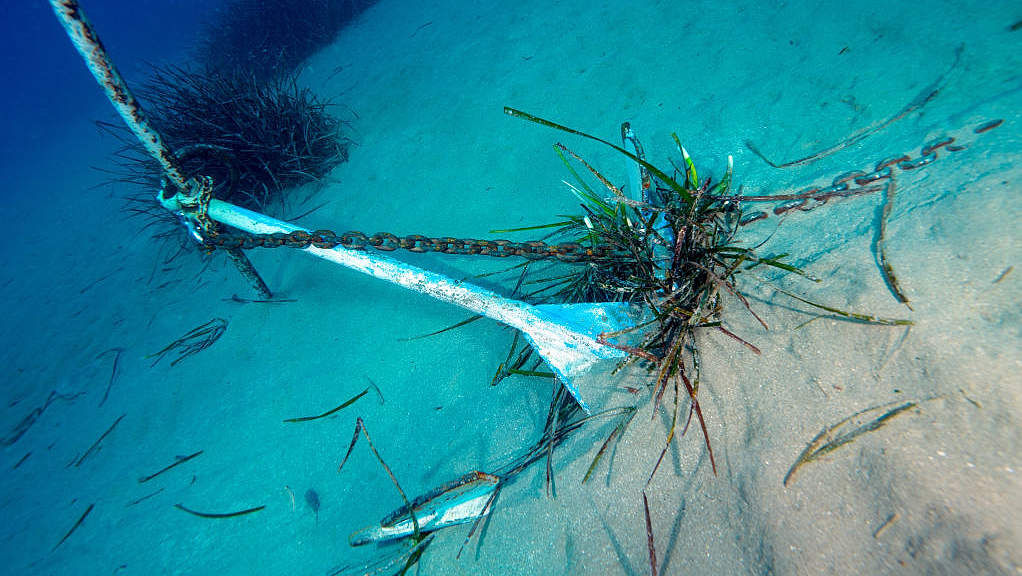
The decision to decommission TAT-8 wasn’t taken lightly. After 14 years of service, the cable was retired in 2002 due to a major fault, but removing it posed logistical nightmares. Subsea cables are designed to last 25 years or more, but TAT-8’s location in busy shipping lanes and its environmental integration—overgrown with marine life—complicated retrieval.
Environmental regulations and the high cost of recovery delayed action for decades. However, in 2025, Subsea Environmental Services (SES), one of only three companies worldwide specializing in cable recovery, took on the task. The motivation? Recycling valuable materials like copper and polyethylene, which are in high demand amid global shortages. Institutions are also investing in subsea monitoring, and reusing old cables for scientific purposes—like environmental sensors—could be a future use, though TAT-8’s removal prioritizes cleanup.
In South Africa, where undersea cables occasionally face cuts from anchors or seismic activity, the decommissioning process offers valuable lessons in maintenance and sustainability. As Cape Town’s tech sector grows, understanding cable lifecycles ensures better preparedness for disruptions.
The Massive Recovery Operation: Humans vs. the Ocean Depths
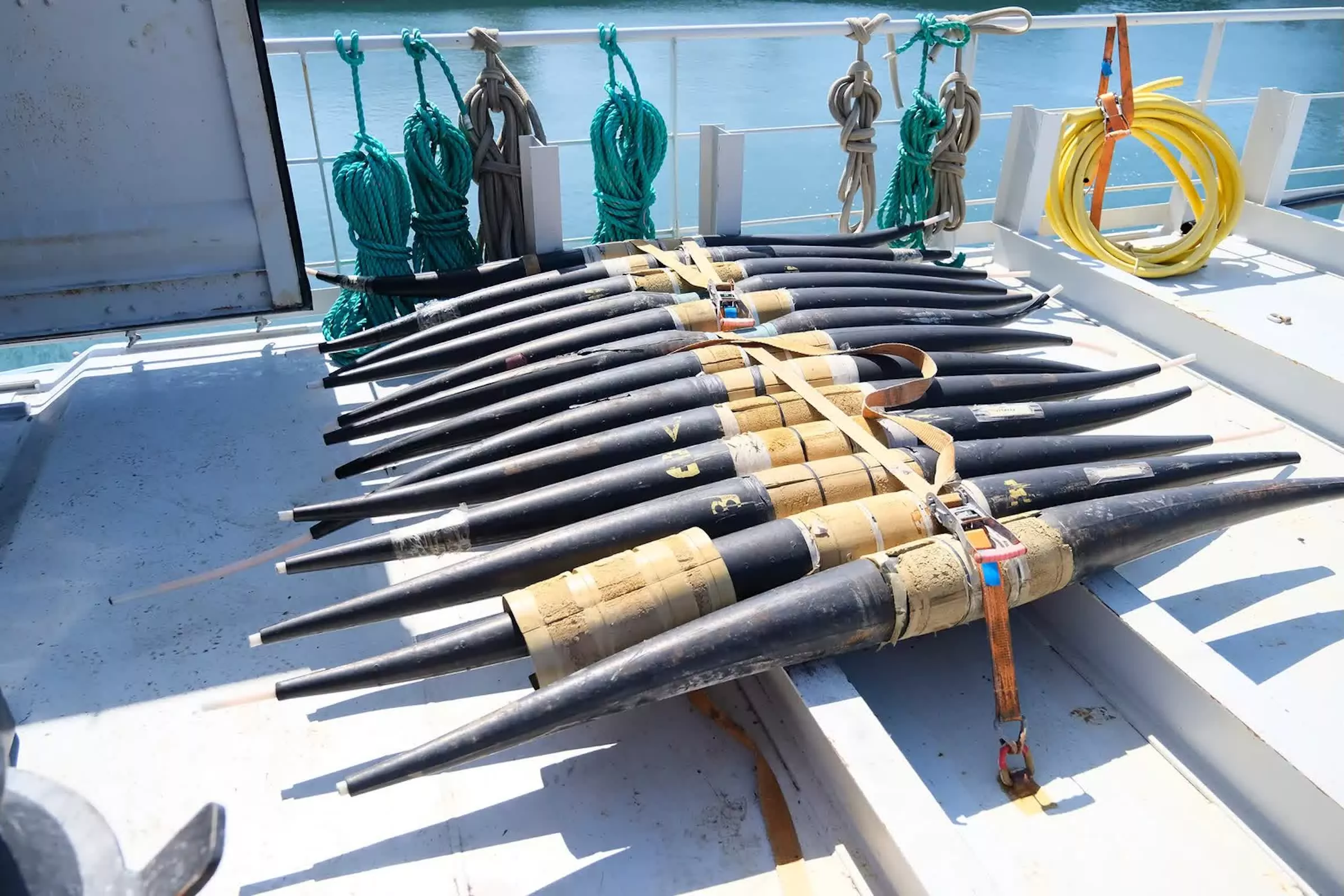
Recovering TAT-8 is a herculean effort, blending old-school seamanship with modern technology. SES’s diesel-electric vessel, the MV Maasvliet, leads the operation, using grapnels—specialized hooks—to snag the cable from depths up to 5,000 meters. The process starts with precise coordinates, then involves dragging the grapnel across the seabed until it catches. Once hooked, the cable is hauled aboard, cut into sections, and stored for transport.
The operation began in 2025, with over 1,012 kilometers already recovered and shipped to Portugal’s Leixoes port. From there, it’s destined for Mertech Marine in South Africa for recycling, where steel, copper, and polyethylene will be extracted—commercially valuable amid shortages. Crews face challenges like weather, marine life encrustations, and the cable’s burial in sediment, requiring senses and experience over high-tech alone.
This human element debunks myths of automated processes, showing the dedication of offshore workers. In Cape Town, with its maritime heritage, this resonates, highlighting opportunities in subsea tech for local engineers.
Challenges and Myths: From Sharks to Sabotage
Undersea cables face myriad myths and real challenges. The shark bite legend persists, but data shows fishing trawlers and anchors cause most damage—over 150 incidents annually. Sabotage, like recent cuts in the Red Sea, adds geopolitical risks, but TAT-8’s recovery focuses on environmental cleanup rather than threats.
Environmental monitoring is emerging, with institutions spending millions on subsea sensors. Reusing cables like TAT-8 for data collection could revolutionize ocean research, tracking climate change or seismic activity. In South Africa, where cables like 2Africa are landing, this could inspire dual-use infrastructure for science and connectivity.
The recovery also addresses e-waste concerns, as abandoned cables can leach materials into the ocean. CATL’s operation sets a precedent for responsible decommissioning.
7 Shocking Secrets Revealed About TAT-8’s Legacy and End
TAT-8’s story holds shocking secrets that illuminate the hidden world of undersea cables. Here are seven revelations:
1. It Carried the Internet’s First Transatlantic Bits
TAT-8 was the cable that “practically invented” intercontinental internet, handling 40,000 calls or data equivalents from day one.
2. Overloaded in Just 18 Months
Demand exploded, filling capacity in under two years, showcasing the digital revolution’s speed.
3. Fault in 2002 Sealed Its Fate
A repair too costly led to shutdown, leaving it dormant for 24 years.
4. Recovery Relies on 19th-Century Methods
Grapnels and ropes, little changed since the 1800s, are used to haul it up.
5. Sharks Aren’t the Real Threat
Myths aside, human activities like fishing cause most damage.
6. Recycling Yields Valuable Materials
Copper and polyethylene from TAT-8 address global shortages, especially copper for renewables.
7. Potential for Scientific Reuse
Old cables could monitor oceans, but TAT-8’s removal prioritizes cleanup.
These secrets reveal the complexity behind our connected world.
The Future of Undersea Cables: Bigger, Faster, Greener
TAT-8’s end heralds a new era for undersea cables. Modern ones like 2Africa carry petabits per second, with AI optimizing routes and repairs. Sustainability is key, with eco-friendly materials and monitoring to minimize marine impact.
In South Africa, new cables like Equiano enhance bandwidth, supporting Cape Town’s digital growth. Future recoveries might incorporate TAT-8’s lessons, using drones or AI for efficiency.
Implications for Global Internet: Resilience in a Connected Age
TAT-8’s farewell reminds us of the internet’s physical backbone. Disruptions, like recent Red Sea cuts, can affect 25% of global traffic. Diversification—more cables and satellite backups—is crucial.
For Cape Town, reliant on undersea links, this emphasizes investing in resilient infrastructure. As billions remain offline, TAT-8’s legacy inspires efforts to connect the unconnected.
A Poignant End to a Digital Pioneer
The heartbreaking farewell to TAT-8, the undersea cable that powered the global internet, closes an era but opens reflections on our connected future. With 7 shocking secrets unveiled, its story highlights human ingenuity and the ongoing quest for better infrastructure. As Cape Town’s tech community advances, TAT-8’s legacy endures in every online connection.
Discover more from Tech-Brunch
Subscribe to get the latest posts sent to your email.


