


In a chilling escalation that’s raising global alarms about digital freedom and geopolitical strife, Iran’s nationwide internet blackout has now stretched into its fourth consecutive day, leaving over 90 million citizens in a state of isolation and uncertainty. As of March 3, 2026, reports from internet monitoring groups like NetBlocks confirm that connectivity remains severely restricted, with the shutdown surpassing 72 hours and showing no immediate signs of resolution.
This unprecedented move comes amid reports of cyberattacks linked to the ongoing conflict involving the United States and Israel, plunging the nation into a digital darkness that stifles communication, commerce, and access to information. For residents in Cape Town, where internet reliability is often tested by infrastructure challenges, this crisis serves as a stark reminder of how fragile online connectivity can be in times of turmoil. As South Africa’s Western Cape continues to advance its digital economy through initiatives like Silicon Cape, the events in Iran highlight the broader implications for global digital rights and the potential vulnerabilities in our interconnected world.
The shutdown, which began on February 28, 2026, has effectively cut off Iran from the global internet, impacting everything from social media platforms to essential services. Experts warn that this could be one of the most severe internet restrictions in Iran’s history, surpassing previous blackouts in scope and sophistication.
As the world watches, the prolonged outage not only hampers daily life but also raises serious concerns about human rights, economic stability, and international relations. This article delves into the background, causes, impacts, and potential future of this alarming crisis, providing a comprehensive look at a situation that’s drawing condemnation from around the globe.
The Onset of the Blackout: Timeline and Initial Reports
The internet shutdown in Iran commenced abruptly on February 28, 2026, coinciding with heightened tensions in the region. According to NetBlocks, a London-based organization specializing in internet monitoring, connectivity plummeted to near-total blackout levels within hours, affecting both fixed-line and mobile networks. By March 1, the outage had already surpassed 48 hours, and as of March 3, it entered its fourth day with restrictions showing no signs of easing.
Initial reports linked the blackout to reports of cyberattacks, potentially orchestrated by the US and Israel amid ongoing conflicts. The timing aligns with military escalations, suggesting the shutdown might be a defensive measure or a tool to control information flow during sensitive periods. In Cape Town, where digital infrastructure is key to the city’s tech-driven economy, such an event would disrupt everything from remote work to online education, mirroring the chaos reported in Iranian cities like Tehran and Isfahan.
Eyewitness accounts and limited leaks via satellite connections paint a picture of widespread frustration. Social media, when accessible through VPNs or alternative means, has been flooded with pleas for international attention, with hashtags like #IranBlackout trending sporadically. The government’s official stance remains opaque, but past patterns indicate this could be a deliberate strategy to quell potential unrest or shield internal operations from external scrutiny.
Suspected Causes: Cyberattacks, Geopolitics, and Internal Control
Speculation abounds regarding the root causes of this prolonged internet crisis. Multiple sources point to cyberattacks as a primary trigger, with reports suggesting involvement from US and Israeli entities. These attacks could target critical infrastructure, prompting Iranian authorities to sever connections as a protective measure. The conflict in the Middle East has increasingly spilled into the cyber domain, with digital warfare becoming a key battleground.
However, experts also suggest internal motivations. Iran’s regime has a history of imposing internet restrictions during periods of protest or political instability. The current blackout echoes the 2022 shutdown during the Women, Life, Freedom protests, which lasted over two weeks and was used to conceal crackdowns. Digital rights groups like the Center for Human Rights in Iran express grave concerns that the outage might be masking a state-led suppression of dissent, potentially including mass arrests or violence against protesters.
In a broader context, this shutdown extends beyond traditional internet services, affecting phones and even Starlink satellites, which have been jammed or restricted. This sophisticated approach indicates a regime desperate to maintain control over information narratives. For global audiences, including those in South Africa where internet freedom is a cornerstone of democracy, this raises questions about the weaponization of technology by governments.
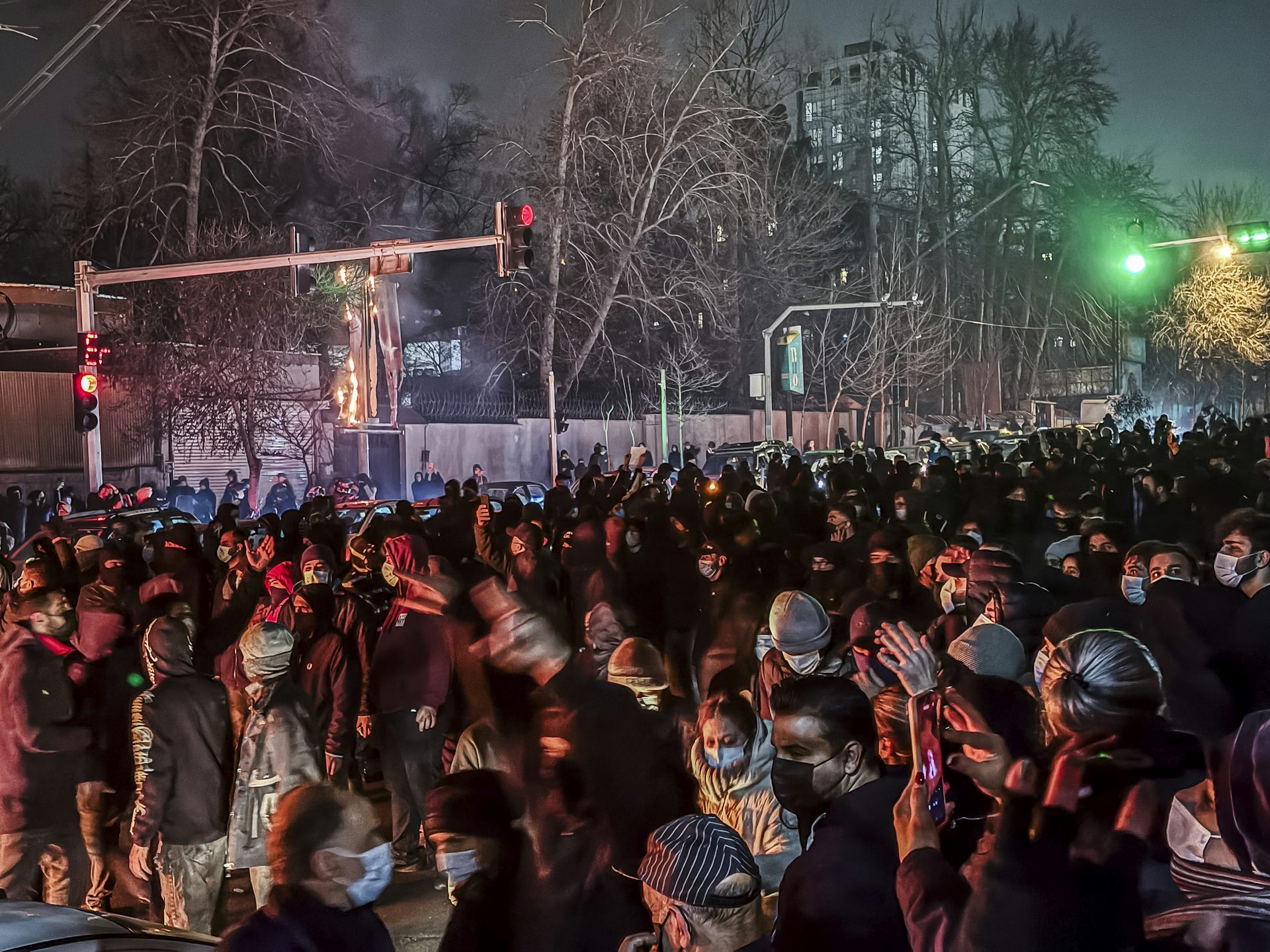
Devastating Impacts on Daily Life and Economy
The fourth day of the internet shutdown has amplified its devastating effects on Iranian society. With over 90 million people affected, daily life has ground to a halt. Businesses reliant on online transactions, from e-commerce to banking, are paralyzed, leading to estimated economic losses in the billions. Families are unable to communicate with loved ones abroad, exacerbating anxiety amid reports of military actions.
Education has been severely disrupted, with online classes suspended and students cut off from digital resources. Healthcare services, which increasingly depend on telemedicine and electronic records, face challenges in coordination and patient care. In cities like Cape Town, where digital tools are integral to remote learning and healthcare during crises, one can imagine the chaos such a blackout would cause.
The psychological toll is immense. Isolation breeds fear and misinformation, with rumors spreading through limited offline channels. Human rights organizations warn of increased vulnerability to state abuses, as the blackout hinders documentation of events and international oversight. Economically, the shutdown could shave off significant GDP growth, compounding Iran’s existing challenges with inflation and sanctions.
International Reactions: Condemnation and Calls for Action
The global community has responded with swift condemnation. The United Nations and organizations like Amnesty International have urged Iran to restore internet access, labeling the shutdown a violation of human rights. US officials have denied direct involvement in cyberattacks but emphasized the need for free information flow.
Tech companies like Starlink have attempted workarounds, but jamming efforts have limited their effectiveness. In South Africa, digital rights advocates might draw parallels to past internet restrictions in countries like Zimbabwe, advocating for stronger international norms against such tactics.
European nations have expressed concern over the humanitarian impact, calling for diplomatic pressure. The outage has also sparked debates on the ethics of cyber warfare, with experts warning of escalation risks in the Middle East conflict.
Historical Context: Iran’s Pattern of Digital Repression
This is not Iran’s first brush with internet blackouts. The regime has employed this tactic repeatedly to suppress dissent. The 2019 shutdown lasted nearly a week during fuel price protests, concealing a crackdown that killed hundreds. In 2022, during the Mahsa Amini protests, nightly mobile restrictions lasted weeks, evolving into more targeted censorship.
The current event, starting January 8, 2026, builds on this pattern but is more comprehensive, extending to phones and satellite services. Analysts at the Georgia Institute of Technology note it’s the most severe in history, surpassing even the 2022 measures. This history reveals a regime increasingly reliant on digital control to maintain power, a trend observed in authoritarian states worldwide.
In contrast, democratic nations like South Africa prioritize internet freedom, but events like this underscore the need for vigilance against any encroachments on digital rights.
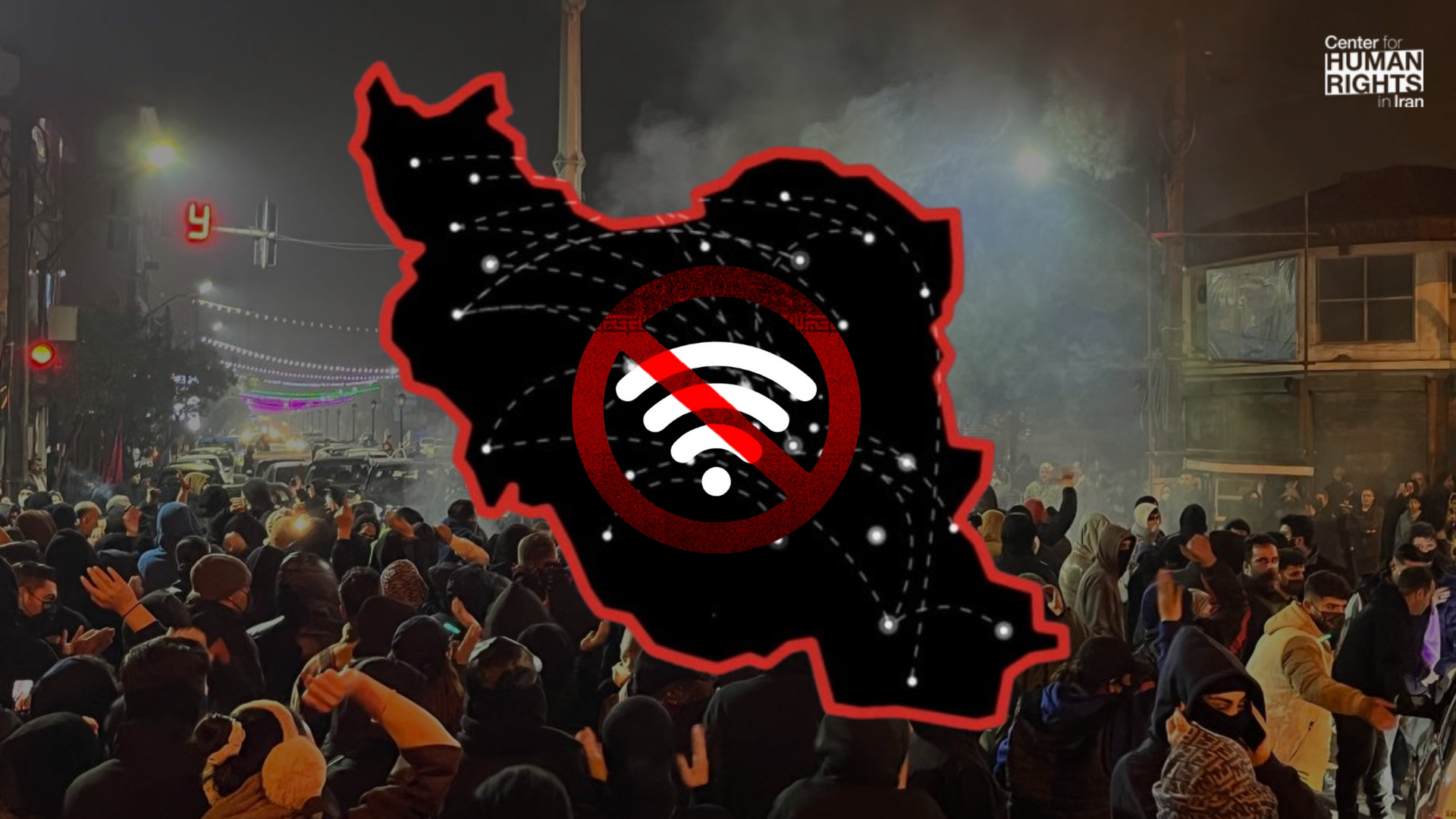
Government Response and Potential Justifications
Iranian authorities have remained largely silent on the blackout’s duration or rationale. State media attributes disruptions to “technical issues” or external threats, without specifics. However, past statements justify such measures as necessary for national security, particularly during conflicts.
Critics argue this is a pretext for censorship, allowing the regime to operate without scrutiny. The extension into the fourth day suggests a deliberate strategy, possibly to manage internal unrest or coordinate responses to external aggressions. As pressure mounts, there are whispers of partial restorations, but no concrete timeline has been provided.
Future Implications: Toward Resolution or Prolonged Isolation?
As the shutdown persists, the long-term implications loom large. Prolonged isolation could fuel further unrest, as frustration builds among the populace. Economically, recovery might take months, with lasting damage to Iran’s digital infrastructure.
Internationally, this could accelerate calls for alternative communication technologies, like expanded satellite internet. For global digital policy, it reinforces the need for frameworks protecting internet access as a human right.
In Cape Town, where connectivity is vital for economic growth, this crisis prompts reflection on building resilient networks. As South Africa advances its digital agenda, lessons from Iran could inform strategies to safeguard against similar disruptions.
The world awaits signs of restoration, but the fourth day of blackout serves as a grim milestone in the ongoing struggle for digital freedom in Iran.
Discover more from Tech-Brunch
Subscribe to get the latest posts sent to your email.


